



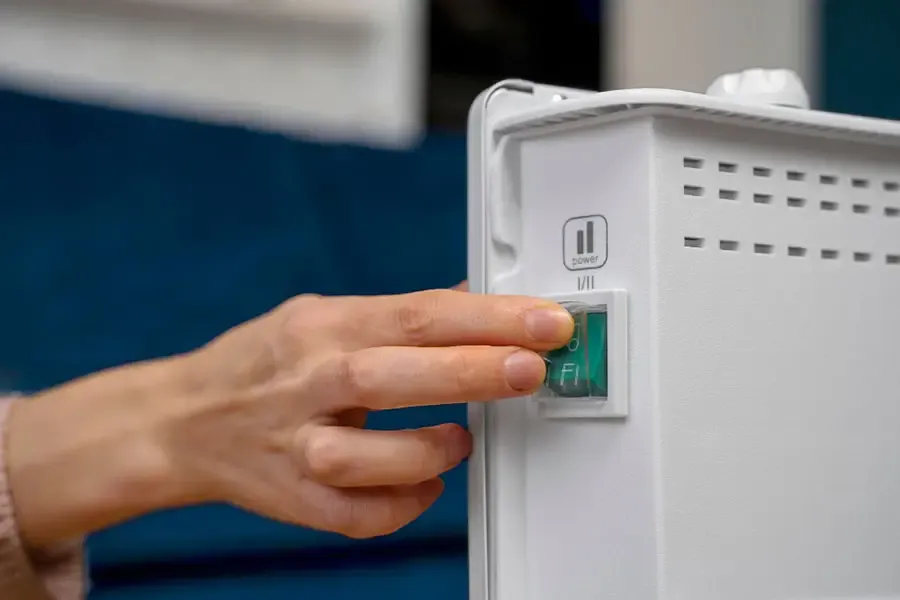
Are you aware that water heating can account for nearly 20% of your home’s energy use? Upgrading to an Energy Star-rated, energy-efficient water heater can significantly reduce this impact, helping combat climate change while improving your home. In this article, you’ll learn about the benefits of these advanced systems, how to choose the most electric-efficient heater for your needs, and installation tips to maximize efficiency. Whether you’re looking to lower utility bills or enhance your home improvement strategy, this guide will address common pain points and empower you to make informed decisions for your basement and beyond.
Understanding Energy-Efficient Water Heaters
Energy efficient water heaters are designed to reduce your energy consumption while still providing reliable hot water. You will learn about the different types of energy-efficient models available, including high efficiency electric heaters and how brands like Bradford White incorporate advanced technologies. Additionally, we will compare these efficient options to traditional water heaters, illustrating their utility and benefits.
Defining Energy Efficiency in Water Heaters
Energy efficiency in water heaters refers to the ability of a system to provide hot water with minimal energy waste. This is particularly significant when considering the type of water tank you choose, as different models operate on various energy sources, such as electricity or natural gas. Energy-efficient water heaters often feature advanced insulation and high-efficiency burners, which help reduce energy consumption, ultimately contributing to sustainability and lowering utility bills.
When evaluating water heaters, it’s crucial to look for efficiency ratings, such as the Energy Factor (EF) or Uniform Energy Factor (UEF), which indicate how well a tank converts energy into hot water. By selecting a system with higher efficiency ratings, you can ensure reduced energy use, positively impacting the climate by lowering greenhouse gas emissions. This choice benefits your home’s energy consumption and aligns with a growing commitment to more sustainable living practices.
Types of Energy-Efficient Water Heaters Available
When considering energy-efficient hot water options, you can choose from tankless, heat pumps, and traditional storage tank water heaters. Tankless models heat water on demand, eliminating the standby energy loss associated with storage tanks. Many of these systems can be paired with smart thermostats, allowing you to program temperatures based on usage patterns, further optimizing energy efficiency and reducing costs.
Heat pump water heaters are another excellent choice. They utilize ambient air to heat water, which can significantly lower energy consumption compared to conventional electric models. By investing in one of these energy-efficient systems, you may also qualify for various tax credits, which can offset the initial purchase cost. Ultimately, adopting an energy-efficient water heater enhances your home’s efficiency and contributes to a more sustainable living environment.
Comparing Energy-Efficient Models to Traditional Options
When you consider upgrading to an energy-efficient water heater, it’s crucial to understand how hybrid models and heat pump systems compare to traditional options. Hybrid water heaters combine the efficiency of heat pump technology with traditional electric heating elements, offering substantial energy savings for households. These models are particularly beneficial for larger families that require consistent hot water, as they can operate flexibly to meet your needs without significant energy waste.
In contrast, traditional water heaters often lack the advanced features found in energy-efficient options, resulting in higher energy costs over time. With traditional units, you may deal with issues like water leaks, which can increase expenses due to inefficient energy use. Investing in a modern system equipped with leak detection technology will enhance your energy efficiency and protect your household from costly water damage. This proactive approach can lead to long-term savings and a more sustainable home environment.
Benefits of Upgrading to an Energy-Efficient Water Heater
Upgrading to an energy-efficient water heater offers several advantages that can significantly enhance your home’s efficiency. These systems, such as heat pump water heaters, help reduce monthly energy costs, lower environmental impact, and improve hot water availability.
Reducing Monthly Energy Costs
Upgrading to an energy-efficient water heater significantly reduces your monthly energy costs. By choosing options like a solar thermal heater or an efficient propane model, you tap into innovative technologies that consume less energy while still meeting your household’s hot water demands. These systems lower your utility bills and allow you to allocate your resources more effectively, enhancing your overall financial health.
Additionally, many energy-efficient heaters qualify for tax credits, decreasing your initial investment costs. This means that you not only save on monthly expenses but also gain financial incentives for making environmentally friendly choices. Embracing these innovations can lead to substantial savings over time, making it a smart decision for any homeowner aiming to maximize efficiency while minimizing expenses.
Lowering Environmental Impact
Upgrading to an energy-efficient water heater saves you money and significantly lowers your environmental impact. Choosing a high-efficiency hot water tank reduces your household’s energy consumption, leading to fewer greenhouse gas emissions. These environmentally friendly systems are designed to operate more effectively, requiring less power and contributing to a cleaner environment.
Moreover, many modern, efficient heaters for home come with warranties that protect your investment, offering peace of mind as you transition to a more sustainable option. Additionally, ensuring proper maintenance can help prevent leaks, further minimizing environmental damage. By selecting an energy-efficient water heater, you actively promote sustainability while enjoying the benefits of reliable hot water.
Improving Hot Water Availability
Upgrading to an energy-efficient water heater can significantly improve hot water availability in your home. Systems such as heat pump water heaters or high-efficiency models are designed to meet your household’s peak demand without the long wait times associated with traditional water heating methods. By utilizing renewable energy sources, these advanced systems can efficiently heat water on demand, ensuring you never run out when you need it most.
Choosing the Right Energy-Efficient Water Heater for Your Home
To select the right energy-efficient water heater for your home, assess your household’s hot water needs. Evaluate different fuel sources, such as electricity or gas, and weigh initial costs against long-term savings, including potential credits from your public utility. Reading energy efficiency ratings and labels helps inform your choice, and consulting with a professional installer can ensure you find a system suitable for your zip code and optimal efficiency with features like EcoNet.
Assessing Your Household’s Hot Water Needs
To assess your household’s hot water needs effectively, start by evaluating the number of occupants and their daily usage patterns. Consider factors such as the number of bathrooms, laundry activities, and the frequency of hot water use in your home. Understanding these aspects allows you to choose an energy-efficient water heater to meet your capacity requirements without wasting energy, maximizing home efficiency.
Additionally, consulting with qualified plumbing services can provide invaluable insights into the right size and type of water heater for your specific needs. Professional advice ensures that you select a model that aligns with your usage patterns and helps you avoid potential issues associated with insufficient hot water supply.
Evaluating Different Fuel Sources
When evaluating different fuel sources for your energy-efficient water heater, consider the most common options: electricity, natural gas, and propane. Each fuel source offers distinct benefits; for instance, electric water heaters typically require less upfront investment and can be easier to install, while natural gas models tend to operate more economically over time due to lower fuel costs. Assessing your home’s existing infrastructure and utility availability will help you determine the best fit for your needs.
It’s also essential to consider environmental impact when selecting a fuel source. Electric heaters can be powered by renewable energy if your utility offers green options that align with your sustainability goals. In contrast, while often cheaper to run, gas units can contribute to higher greenhouse gas emissions. By weighing each fuel source’s economic and environmental factors, you can make a well-informed choice that maximizes efficiency and supports your household’s long-term needs.
Considering Initial Costs Versus Long-Term Savings
When evaluating your options for an energy-efficient water heater, it’s essential to consider both initial costs and long-term savings. While energy-efficient models may require a higher upfront investment than traditional units, they often significantly reduce monthly utility bills. For instance, by selecting a heat pump water heater, you can benefit from lower operating costs and potential tax incentives, making long-term savings more attractive.
Understanding your specific hot water needs can help you make a more informed decision. For example, if you have a larger household that uses substantial amounts of hot water, investing in a higher-capacity, energy-efficient model may pay off faster due to reduced energy consumption.
Reading Energy Efficiency Ratings and Labels
Understanding energy efficiency ratings and labels is key to making an informed choice when selecting an energy-efficient water heater. You should look for the Energy Factor (EF) or Uniform Energy Factor (UEF), as these metrics indicate how efficiently a water heater converts energy into hot water. Higher ratings suggest better performance and lower energy costs, making it easier to compare different models on the market.
Additionally, familiarize yourself with the Department of Energy’s (DOE) labeling guidelines, which help standardize efficiency information across various products. Pay attention to the estimated annual operating costs provided on these labels, as they highlight potential long-term savings associated with each unit. By focusing on these essential details, you can confidently choose an energy-efficient water heater that meets your household’s needs while maximizing overall efficiency and sustainability.
Consulting With a Professional Installer
Consulting with a professional installer can significantly ease choosing the right energy-efficient water heater for your home. These experts have extensive knowledge about various models and can assess your needs based on household size and hot water usage patterns. Their insights ensure you make an informed decision, ultimately leading to better energy efficiency and optimal performance.
Additionally, a professional installer can guide you through the installation process, addressing any concerns regarding compatibility with existing plumbing or electrical systems. Their experience ensures that the new energy-efficient water heater operates effectively, maximizing your investment and minimizing potential issues.
Installation and Maintenance Tips for Maximum Efficiency
To maximize the efficiency of your energy-efficient water heater, it’s essential to focus on several key areas. Start by preparing your home for installation and ensure you hire qualified installation professionals for optimal performance. Regular maintenance practices, recognizing signs of decreased efficiency, and scheduling routine inspections are also crucial. Each component ensures your system operates effectively, lowering energy costs and enhancing comfort.
Preparing Your Home for Installation
Before installing your new energy-efficient water heater, it’s essential to prepare your home to ensure a smooth installation process. Start by clearing the area around your existing water heater, allowing easy access for the installer. This preparation facilitates the installation and ensures that you can take full advantage of the system’s efficiency once it’s up and running.
Additionally, check that your home’s electrical or gas plumbing infrastructure can support the new unit. If you are upgrading to a different type of water heater, it may require different venting or electrical specifications. Consulting a professional can help you determine any necessary modifications beforehand, ensuring that your installation maximizes energy savings and efficiency from day one.
Hiring Qualified Installation Professionals
When installing an energy-efficient water heater, hiring qualified installation professionals is essential. Experienced technicians understand the specific requirements of different models and can identify the best practices to ensure optimal performance. By relying on their expertise, you can avoid common installation pitfalls that may lead to inefficiencies and increased operating costs down the line.
Moreover, professional installers provide valuable advice on the necessary modifications to your home’s infrastructure, such as electrical or gas connections, to accommodate your new system. Their recommendations can help you optimize your water heater’s efficiency immediately, ensuring you enjoy reliable hot water while minimizing energy waste.
Regular Maintenance Practices
Regular maintenance practices are essential for ensuring the long-term efficiency of your energy-efficient water heater. Schedule annual inspections with a qualified technician to check for potential issues, such as leaks or sediment buildup, which can hinder performance. By proactively addressing these concerns, you can maintain optimal energy efficiency, reduce operating costs, and extend the lifespan of your water heater.
Additionally, consider performing simple maintenance tasks yourself, such as flushing the tank regularly to remove sediment that can accumulate over time. This process boosts efficiency by improving heat transfer and helps prevent premature wear on components.
Recognizing Signs of Decreased Efficiency
Recognizing signs of decreased efficiency in your energy-efficient water heater is essential for maintaining optimal performance and comfort in your home. If you notice rising energy bills without a corresponding increase in hot water usage, it may indicate that your unit is working harder than necessary. Pay attention to inconsistent water temperatures or longer heating times, as these can also signal that your system requires maintenance or repair.
Moreover, watch for physical signs such as leaks or unusual noises, which could suggest a deeper issue affecting your water heater’s efficiency. If you observe any of these signs, it’s wise to consult with a professional installer or technician to assess your system. They can help ensure your energy-efficient water heater continues to operate effectively, saving you money and enhancing your home’s overall efficiency.
Scheduling Routine Inspections
Scheduling routine inspections for your energy-efficient water heater is essential to ensure its optimal performance. Regular check-ups allow you to identify potential issues, such as leaks or sediment buildup, before they escalate into significant problems that could affect efficiency and lead to increased energy costs. By setting a maintenance schedule, you’re not just preserving your investment but also enhancing your home’s overall efficiency by ensuring reliable hot water availability.
Financial Incentives and Rebates to Lower Costs
Exploring financial incentives can significantly offset the initial costs of energy-efficient water heaters. Government tax credits make eco-friendly investments more appealing, while utility company rebates can provide immediate financial relief. Additionally, applying for manufacturer promotions and understanding financing options can enhance affordability. Finally, calculating your return on investment will demonstrate the long-term savings you can achieve, solidifying the value of your decision.
Exploring Government Tax Credits
Exploring government tax credits can significantly enhance your investment in energy-efficient water heaters. These credits are designed to encourage homeowners to adopt more sustainable energy solutions, helping you recoup a portion of your initial expenses. For example, you may qualify for federal tax credits for high-efficiency water heaters, reducing your tax liability and increasing your long-term savings.
Utilizing Utility Company Rebates
Utilizing utility company rebates can significantly reduce the initial costs of installing energy-efficient water heaters. Many utility providers offer incentives to encourage homeowners like you to adopt sustainable energy solutions, which can include substantial rebates for purchasing efficient models. To take advantage of these offers, contact your local utility company directly or visit their website for details on eligibility requirements and application processes.
Applying for Manufacturer Promotions
When you consider upgrading to an energy-efficient water heater, taking advantage of manufacturer promotions can significantly reduce your overall costs. Many manufacturers offer cashback or discounts on high-efficiency models to encourage homeowners like you to make sustainable choices. By actively searching for these promotions, you can save money right from the start, enhancing the affordability of your investment.
Understanding Financing Options
When considering financing options for your energy-efficient water heater, it’s beneficial to explore various avenues that can make your purchase more affordable. Many homeowners find that local banks or credit unions offer loans with low interest rates specifically designed for home improvements. Additionally, specific government programs may provide favorable financing terms to encourage the adoption of energy-efficient technologies, allowing you to spread out the cost over time without overwhelming your budget.
Calculating Return on Investment
Calculating the return on investment (ROI) for an energy-efficient water heater involves assessing both upfront costs and long-term savings. You should consider how much you spend on the initial purchase and installation against the savings you expect to achieve on monthly energy bills. For instance, by switching to a high-efficiency model, you could reduce energy costs significantly each month, potentially recouping your investment within a few years.
Conclusion
Maximizing home efficiency through energy-efficient water heaters offers significant advantages, including reduced utility bills and a lower environmental impact. By selecting the right model, households can ensure ample hot water availability while minimizing energy waste. Upgrading to these modern systems enhances home comfort, boosts resale value, and qualifies homeowners for valuable tax incentives. Embracing energy-efficient solutions is a smart investment that promotes sustainable living and fosters long-term financial savings.
Frequently Asked Questions
What defines a water heater as energy efficient?
An energy-efficient water heater is characterized by a high Energy Factor (EF) rating, indicating greater efficiency in heating water while consuming less energy.
Can energy-efficient water heaters reduce utility bills?
Energy-efficient water heaters can significantly save utility bills by reducing energy consumption and optimizing heat retention.
What are the different types of energy-saving water heaters available?
Energy-saving water heaters include tankless models, heat pump water heaters, solar-powered units, and condensing gas water heaters, each offering unique efficiency benefits.
What should I consider before installing an efficient water heater?
Before installing an efficient water heater, consider energy source, size, cost-effectiveness, and installation requirements to ensure optimal performance and savings.
Are there any rebates available for upgrading to an energy-efficient water heater?
Yes, rebates for energy-efficient water heaters are often available through local utility companies or government energy-saving incentive programs; check with them directly for specific opportunities.