Check Us Out On Our Social Media

Tag: Clog

Comprehensive Guide to Essential Seasonal Pipe Maintenance

Pipe maintenance is often overlooked, yet it’s crucial for ensuring the durability and safety of your plumbing system. This comprehensive guide will address essential seasonal pipe maintenance, covering checklists for spring, summer, fall, and winter, along with strategies for creating a year-round maintenance plan. Following these guidelines, you can prevent issues like mildew from stagnant water, avoid costly repairs caused by snow damage, and ensure effective facility management practices. Engage with this content to enhance the safety and longevity of your home’s plumbing system.

Understanding the Importance of Seasonal Pipe Maintenance

Seasonal pipe maintenance prevents unnecessary repair costs and ensures your plumbing system operates efficiently. Regularly clearing debris and checking your thermostat settings can extend the lifespan of your pipes and fixtures. This practice protects your home from potential water damage and ensures that your sink and roof drainage systems function effectively throughout the year.

Preventing Unnecessary Repair Costs

Investing time in seasonal pipe maintenance can effectively prevent unnecessary repair costs, especially when focusing on critical areas like your attic and chimney. Ensuring that your drains are clear and functioning correctly minimizes the risk of water backflow and potential leaks, which can lead to costly repairs and water damage. Additionally, checking for mold growth can save you from expensive remediation efforts and health issues from prolonged exposure to damp environments.

Regularly inspecting your plumbing system, including the fireplace and chimney, is essential for maintaining efficiency and reducing expenses. Regular maintenance lets you identify problems before they escalate, such as pipe cracks or blockages that could lead to overflows.

Extending the Lifespan of Your Plumbing System

Implementing effective seasonal maintenance practices is essential to extending the lifespan of your plumbing system. One effective approach is to ensure adequate pipe insulation, particularly in areas prone to freezing temperatures. Proper insulation can help prevent your pipes from cracking or bursting, saving you from costly repairs and enhancing the overall efficiency of your plumbing system.

Ensuring Efficient Water Flow All Year

Check your plumbing valves and sensors regularly to ensure efficient water flow throughout the year. This practice helps maintain optimal water pressure and prevent disruptions in your plumbing system. A well-functioning valve enables smooth water flow while reducing the risk of leaks, which can lead to significant damage and costly repairs.

Additionally, consider the role of refrigerant in your HVAC system, as it is crucial for maintaining indoor comfort. Keeping your system efficient supports your heating and cooling needs and improves fire safety. If you notice any irregularities, don’t hesitate to request service, as prompt attention can help avoid more significant issues.

Protecting Your Home From Water Damage

Protecting your home from water damage begins with vigilant seasonal pipe maintenance. Attention to your plumbing system can prevent backups, often caused by clogs in pipes or drains. Regularly clearing out debris and ensuring your toilet paper does not contribute to blockages can save you from significant repair costs associated with leaks and flooding. Investing in these home improvement practices safeguards your property and enhances your comfort and peace of mind.

Your home’s construction is vital to its vulnerability to water damage. Areas prone to moisture, such as basements and crawl spaces, should be routinely inspected for potential issues. By addressing these concerns early on, you can avoid costly damages from mold growth or structural integrity loss.

Spring Pipe Maintenance Checklist

As spring arrives, it’s crucial to focus on seasonal pipe maintenance to ensure your plumbing system operates smoothly. Start by inspecting pipes for winter damage and cleaning gutters and downspouts to promote proper drainage in your landscape. Next, test water pressure and flow rates, check for leaks and drips, and consider scheduling a professional plumbing inspection. This proactive approach will help maintain the integrity of your water heater, sump pump, and shower, ultimately safeguarding your home.

Inspecting Pipes for Winter Damage

As you inspect your pipes for winter damage, check areas where drainage issues may have occurred. Look for any signs of cracks or leaks, particularly in exposed pipes that may have been affected by freezing temperatures. Ensuring that your water supply lines are intact and free from damage will help maintain proper pressure throughout your plumbing system, allowing your household to function smoothly.

Additionally, pay close attention to any damage around the curb, particularly if you have landscaping features like mulch that could hold moisture. Moist areas can lead to mold and deterioration over time, impacting your plumbing’s efficiency.

Cleaning Gutters and Downspouts

Cleaning your gutters and downspouts is an essential home maintenance task critical to your home plumbing system. Regularly removing leaves, debris, and blockages ensures that rainwater flows freely away from your home. This prevents water accumulation around your foundation, which can lead to leaks, mold growth, and expensive repairs. Utilize a vacuum or a specialized gutter cleaning tool to make this task more efficient and effective.

A thorough cleaning helps maintain proper drainage and protects your pumps from potential issues caused by overflow or clogs. By addressing your gutters and downspouts during your spring maintenance checklist, you are taking proactive steps to safeguard your home against water-related damage. As a result, you will enjoy a more efficient and reliable plumbing system throughout the rainy season.

Testing Water Pressure and Flow Rates

Testing water pressure and flow rates is critical to your spring maintenance checklist. Using a pressure gauge on faucets and spigots, you can determine if the pressure meets the recommended levels for your property. If it is too low, it may indicate blockages or leaks in your plumbing system that need immediate attention.

Checking for Leaks and Drips

Checking leaks and drips in your home plumbing system is crucial to your spring maintenance checklist. While inspecting pipes, look for any signs of moisture around joints and fixtures, as even minor leaks can lead to significant water damage over time. Moreover, addressing these issues early protects your property and can positively impact your home insurance premiums by demonstrating responsible upkeep.

Scheduling a Professional Plumbing Inspection

Scheduling a professional plumbing inspection is vital to your spring pipe maintenance checklist. An experienced plumber can thoroughly examine your plumbing system for signs of frost damage, which can be particularly problematic in regions with harsh winters. They will check for mineral buildup in your water heating system, which can reduce efficiency and lead to increased energy costs over time. Investing in a professional assessment ensures that potential issues are identified and addressed before they escalate into costly repairs.

Summer Pipe Maintenance Essentials

Monitoring outdoor water usage during the summer is essential for conserving resources and maintaining your plumbing system’s efficiency. You should also preserve sprinkler systems and outdoor faucets to prevent leaks and ensure they function effectively. Addressing sewer line issues promptly can save you from considerable headaches, while protecting pipes from heat expansion helps avoid costly damages. Finally, regularly checking for signs of water damage is crucial to safeguard your home and plumbing fixtures. These aspects will ensure your home remains comfortable and efficient throughout the warmer months.

Monitoring Outdoor Water Usage

Monitoring outdoor water usage is crucial to your plumbing maintenance checklist during the summer months. You can start by inspecting all hoses and irrigation systems for leaks that can waste significant amounts of water. Additionally, using food coloring to detect leaks in your hose connections can be an effective method; simply add a few drops of food coloring and observe if it seeps through, indicating a problem that needs fixing.

Maintaining Sprinkler Systems and Outdoor Faucets

Maintaining your sprinkler systems and outdoor faucets is essential to ensure they operate efficiently during the summer months. Regularly check for leaks or blockages that could waste water, as this affects your landscaping and can lead to higher utility bills. If you notice any issues, using a drain cleaner designed explicitly for outdoor plumbing can help clear clogs and enhance water flow, contributing to the longevity of your systems.

Adjusting your watering schedule based on humidity levels is essential to prevent overwatering, which can drown your plants and waste resources. Consider protecting your outdoor faucets from potential winter damage during seasons of heavy snow removal.

Addressing Sewer Line Issues Promptly

Addressing sewer line issues promptly is essential to prevent unpleasant odors and moisture accumulation in your home. If you notice any unusual smells or slow drains, it may indicate a blockage or damage in your sewer line, which can worsen over time. Using a rooter service can effectively clear clogs and identify underlying problems, helping to ensure that your plumbing system operates smoothly and efficiently.

Protecting Pipes From Heat Expansion

Protecting your pipes from heat expansion is essential to prevent water damage, especially during the hotter months. When temperatures rise, pipes can expand, increasing the risk of leaks and ruptures. Seal any cracks or gaps around your pipes with caulk to mitigate this hazard. This simple step, often overlooked during spring cleaning, can significantly enhance the structural integrity of your plumbing system and prevent costly repairs.

Checking for Signs of Water Damage

Checking for signs of water damage is essential, especially during the summer when humidity levels can rise. Inspect areas such as your basement, where moisture can accumulate unnoticed. Look for discoloration on walls or ceilings, which can indicate leaks or water intrusion, and monitor your plumbing fixtures, like a flush toilet, for any signs of sediment buildup that may lead to clogs or further damage.

Also, pay attention to your home’s exterior; wind-driven rain can introduce unwanted moisture that may affect your pipes. Regularly assess your plumbing system for any bubbling paint or warped surfaces, as these can indicate ongoing water damage. Identifying these issues early allows you to take corrective action and prevent more serious problems, ultimately protecting your home from costly repairs.

Fall Pipe Maintenance Checklist

Prepare your plumbing for the cooler temperatures ahead with effective fall pipe maintenance. Start by insulating exposed pipes and faucets to prevent freezing, then flush your water heater to remove sediment and reduce corrosion. Drain and store garden hoses to avoid damage and seal gaps in your home to minimize cold air entry and enhance pest control. Addressing these areas will significantly reduce the risk of plumbing issues this season.

Preparing Pipes for Cooler Temperatures

Preparing your pipes for cooler temperatures is essential to prevent wear and tear and potential issues such as water hammer in your plumbing system. Start by insulating exposed pipes in areas like your basement and bathroom, where freezing temperatures can easily affect them. Using foam pipe insulation or heat tape can maintain proper temperature and protect your pipes from the cold.

Insulating Exposed Pipes and Faucets

Insulating exposed pipes and faucets is vital to prevent freezing during the fall and winter. Using foam insulation or heat tape, you can effectively shield these areas from cold temperatures, reducing the risk of pipe bursts that can lead to costly plumbing repairs. This proactive step not only safeguards your plumbing system but also contributes to water conservation by avoiding leaks that can arise from frozen pipes, ensuring that your home remains efficient throughout the colder seasons.

Flushing Water Heaters to Remove Sediment

Flushing your water heater to remove sediment is a vital aspect of preventive maintenance that can significantly enhance efficiency. Over time, sediment buildup can impair the heating element, increasing energy usage and potentially causing overheating. This increases your utility bills and can bring about safety concerns, such as elevated risks of carbon monoxide leaks in gas water heaters. By performing this simple maintenance task annually, you help maintain the longevity of your unit and safeguard any warranties associated with your water heater.

To flush your water heater effectively, turn off the power supply and shut off the cold water inlet. Attach a garden hose to the drain valve and direct it to a floor drain or outside. As you open the valve, sediment will flow out, ensuring the system runs smoothly and your pipes remain clear.

Draining and Storing Garden Hoses

Draining and storing your garden hoses is a crucial step in your fall pipe maintenance checklist. Begin by disconnecting the hoses from their spigots and allowing them to drain completely to prevent freezing in the colder months. Any residual water left in the hoses can expand and cause ruptures, leading to expensive replacements and affecting your overall plumbing system.

Once drained, carefully coil the hoses and store them in a dry, sheltered location away from direct sunlight. This storage method helps preserve their integrity and functionality for the next season. Additionally, inspect your outdoor faucets for any leaks around the relief valve, essential for maintaining efficient water flow through your drains and preventing water damage caused by frozen pipes.

Sealing Gaps to Prevent Cold Air Entry

Sealing gaps around windows, doors, and other entry points is essential in preventing cold air from entering your home during the fall and winter. Drafts can negatively affect indoor air quality, leading to discomfort and potential health issues due to fluctuating temperatures. Using weatherstripping or caulk to seal these gaps, you can maintain a more stable environment, reduce your heating costs, and enhance the overall efficiency of your plumbing system.

Winter Pipe Maintenance Strategies

To effectively manage winter plumbing challenges, focus on preventing frozen pipes with proper insulation, maintaining a consistent indoor temperature, and letting faucets trickle to relieve pressure. It’s also essential to know how to shut off water quickly in case of emergencies and to plan for potential plumbing service needs. Each of these strategies will enhance your home’s winter readiness.

Preventing Frozen Pipes With Proper Insulation

Properly insulating exposed plumbing, especially in attics, basements, and exterior walls, is essential to prevent frozen pipes during winter. Foam insulation sleeves or heat tape can provide an effective barrier against extreme cold, minimizing the risk of pipes freezing and bursting. Addressing these vulnerable spots in your home safeguards against costly repairs and enhances your overall plumbing system’s efficiency.

In addition to insulation, maintaining a consistent indoor temperature is crucial in avoiding frozen pipes. You should keep your thermostat set at a stable temperature, even when you’re away, to ensure that pipes remain warm enough to prevent freezing. These preventative measures bring peace of mind during winter, knowing that your plumbing system is protected against harsh weather conditions.

Maintaining a Consistent Indoor Temperature

Maintaining a consistent indoor temperature is essential during winter to protect your plumbing system from freezing. Keeping the thermostat stable, even when you are away, ensures that the heat reaches all areas of your home, particularly those with exposed pipes. Consider setting your thermostat below 55°F to create a buffer against extreme cold for added reassurance.
Additionally, ceiling fans can help circulate warm air throughout your home, preventing cold spots that may lead to pipe freezing. Leaving cabinet doors open in less frequently used rooms, like basements or attics, can promote airflow around plumbing fixtures, ensuring your pipes remain insulated from frigid temperatures.

Letting Faucets Trickle to Relieve Pressure

Letting your faucets trickle during freezing conditions is a simple yet effective winter maintenance strategy to relieve pressure in your plumbing system. By allowing a small stream of water to flow, you can prevent pressure buildup in pipes that may otherwise freeze and burst. This small action protects your plumbing and maintains water circulation, which can help ensure your fixtures remain operational throughout the winter months.

Knowing How to Shut Off Water Quickly

Knowing how to shut off water quickly is essential to preventing extensive water damage during winter plumbing emergencies. Locate your main water shut-off valve, usually near your water meter or basement, and familiarize yourself with its operation. In case of a pipe burst or significant leak, closing this valve can minimize water flow and protect your home from flooding.

Planning for Emergency Plumbing Services

To effectively prepare for winter plumbing emergencies, it is crucial to have a reliable emergency plumbing service on speed dial. As temperatures drop, the risk of pipe bursts and other plumbing issues increases significantly, making it essential to have a trusted professional ready to respond quickly. Research local plumbers and read reviews to ensure you select a service that specializes in urgent plumbing situations and has a reputation for prompt and effective resolutions.

Creating a Year-Round Pipe Maintenance Plan

To effectively maintain your plumbing system throughout the year, it’s essential to schedule regular maintenance tasks tailored to each season. Utilize a seasonal maintenance checklist to ensure that every critical task is noticed. Keeping records of these activities helps track your progress and identify patterns. You can also use technology to remind yourself of due dates while involving family members in upkeep, which fosters collective responsibility for your home’s plumbing health.

Scheduling Regular Maintenance Tasks

Scheduling regular maintenance tasks is essential for preserving the health of your plumbing system throughout the year. By creating a seasonal checklist, you can ensure that critical inspections and repairs are noticed. For example, you can flush your water heater every spring to remove sediment buildup, which enhances efficiency and extends the unit’s lifespan.

Utilizing a Seasonal Maintenance Checklist

Utilizing a seasonal maintenance checklist is vital to preserving the health of your plumbing system year-round. By documenting essential tasks for each season, you can systematically address potential issues before they escalate into costly repairs. For instance, ensuring you flush your water heater in the spring can prevent sediment buildup, significantly enhancing efficiency and prolonging its lifespan.

Conclusion

A comprehensive approach to seasonal pipe maintenance safeguards your plumbing system against costly repairs and water damage. By regularly inspecting pipes, checking for leaks, and maintaining proper insulation, you enhance the efficiency and longevity of your plumbing infrastructure. This proactive strategy ensures efficient water flow and protects your home from the dangers of moisture-related issues. Committing to seasonal maintenance fosters a healthier living environment and preserves the integrity of your significant investmentyour home.

Frequently Asked Questions

Why is seasonal pipe maintenance important?
Seasonal pipe maintenance helps prevent costly repairs and water damage and ensures efficient year-round plumbing system performance.
How can I extend the lifespan of my plumbing system?
Regular maintenance, like insulating pipes in cold areas and inspecting for leaks or cracks, can significantly extend the lifespan of your system.
What are some tips for preventing water damage?
Regularly clear debris from drains, check for leaks, and ensure good ventilation to prevent backups and water damage.
How does pipe insulation help during winter?
Insulating pipes prevents them from freezing and bursting, reducing the risk of significant water damage and repair costs.
How can I ensure efficient water flow all year?
Regularly check plumbing valves and sensors and ensure your HVAC system is functioning properly to maintain optimal water pressure and efficient flow.
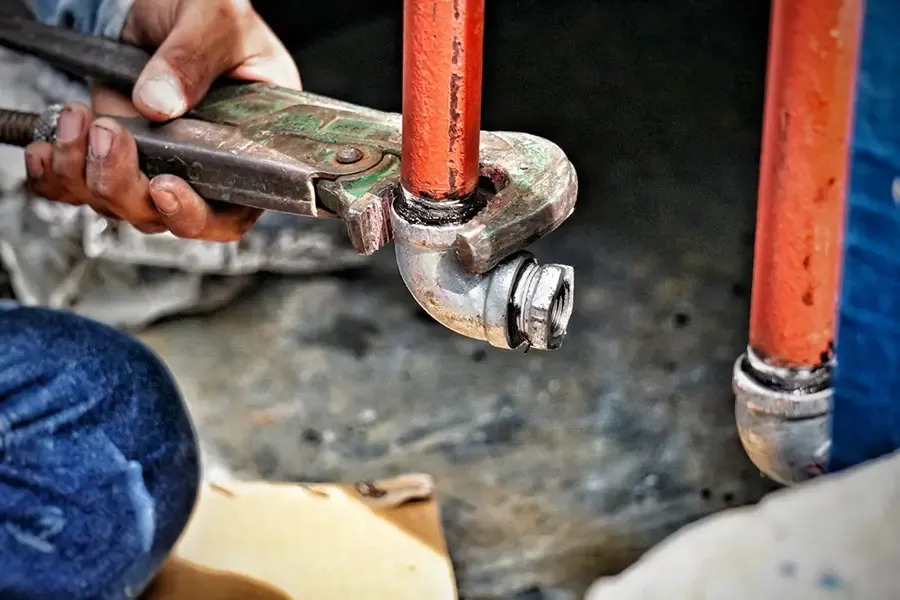
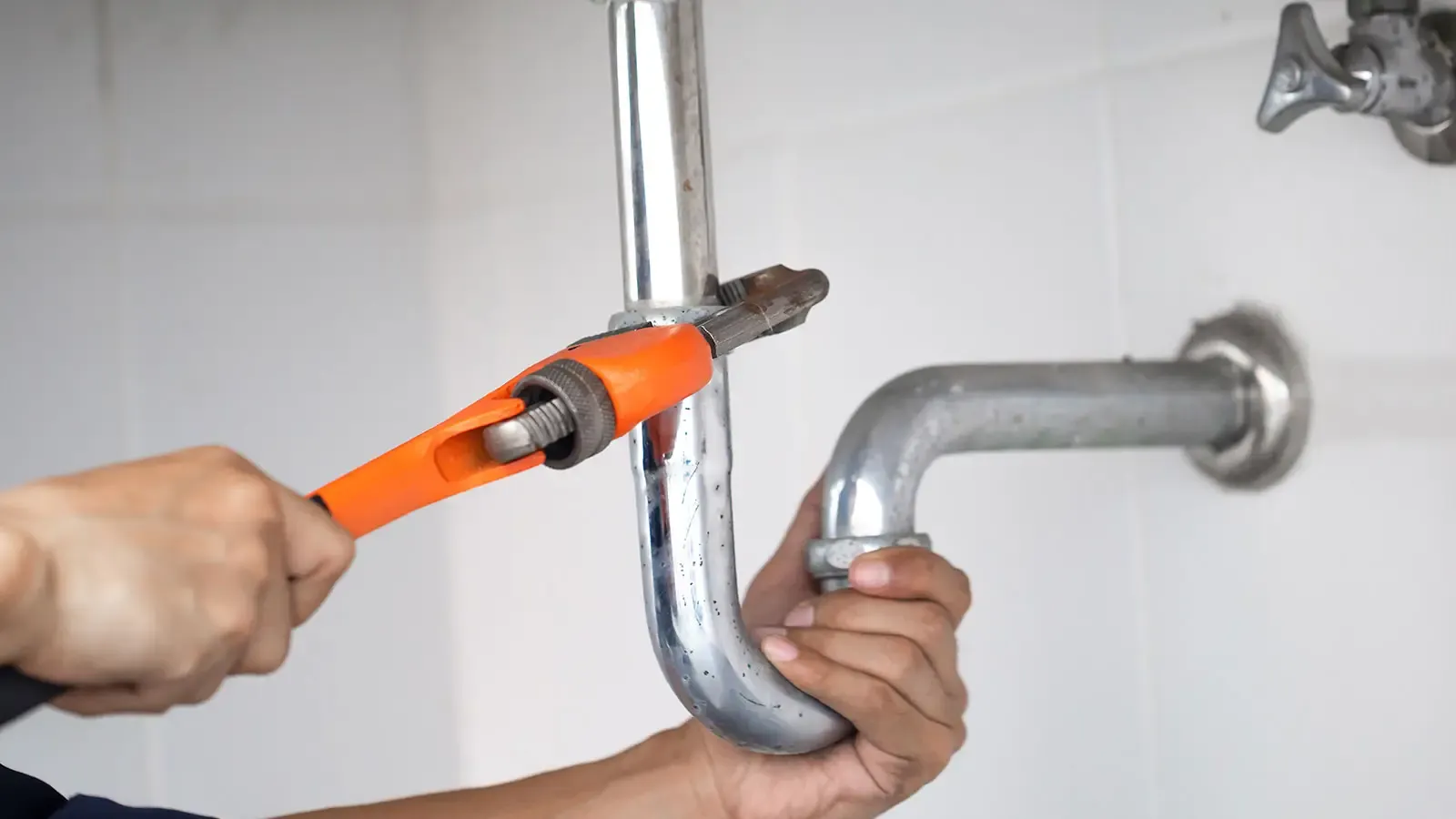
Plumber using a wrench to tighten a pipe fitting Plumber using a wrench to tighten a pipe fitting

Transforming Pipe Maintenance With Cutting-edge Technologies

Are you tired of the constant stress caused by outdated pipe maintenance methods? Many households face frequent disruptions from aging pipes, resulting in costly repairs and a need for effective solutions. In this blog post, we will explore how cutting-edge technologies are transforming the landscape of pipe maintenance. Key topics include trenchless technology for less invasive pipe replacement, smart sensors for proactive maintenance, and robots for efficient inspections. By understanding these advancements, you’ll discover how to minimize pressure on your home systems and enhance your overall efficiency in managing pipe issues.

Understanding the Limitations of Traditional Pipe Maintenance Methods

Traditional pipe maintenance methods often face several challenges, especially stormwater management and natural gas flow. These outdated practices can lead to inefficiencies, increased pipe system stress, and potential storm drain failures. The following sections will detail the common pitfalls of these techniques and the impact of relying on older strategies, highlighting the need for innovative solutions involving materials like resin.

Common Challenges in Conventional Techniques

Conventional techniques for maintaining steel and cast iron pipes often encounter significant challenges that can compromise their effectiveness. For instance, traditional curing methods typically require extensive downtime, meaning that you may experience prolonged disruption to service and functionality. This inefficiency can increase the risk of deterioration in aging cast iron pipe systems, leading to costly replacements or repairs.

Moreover, many older maintenance strategies lack the flexibility needed to adapt to modern demands, such as managing increased stormwater flow or enhancing the durability of pipe networks. You must utilize advanced materials and techniques to avoid facing the limitations imposed by past practices, resulting in suboptimal performance and persistent risks. Embracing innovative solutions can help you overcome these obstacles and ensure the longevity and reliability of your infrastructure.

Impact of Outdated Practices on Efficiency

Outdated practices in pipe maintenance, especially in wastewater systems, can significantly reduce productivity and lead to inefficiencies. For example, traditional methods may need to adequately address the challenges of aging iron pipes, which can result in frequent repairs and service interruptions. This impacts your ability to maintain a reliable infrastructure, ultimately diminishing the overall performance of your plumbing system.

Moreover, reluctance to embrace innovation, such as advanced pipe lining techniques, can exacerbate problems associated with aging pipes. With these modern solutions, you may be able to handle continuous maintenance costs and declining system efficiency. Adapting to contemporary maintenance approaches enhances your infrastructure’s reliability and optimizes your resources for managing wastewater effectively.

Introducing the Latest Technologies in Pipe Maintenance

Cutting-edge solutions in pipe maintenance are revolutionizing the construction industry, providing improved accessibility and performance. Advanced tools like trenchless pipe technology enhance efficiency while minimizing erosion and disruption. In the following sections, you will learn about the latest advancements and how they address common maintenance challenges, ensuring your infrastructure remains reliable and effective.

Overview of Cutting-Edge Solutions

Trenchless technology has emerged as a viable methodology for pipe maintenance, offering significant advantages over traditional methods. This approach minimizes the disruption of soil and surrounding structures, enabling rehabilitation with a lower environmental impact. By employing advanced techniques such as horizontal directional drilling, you can effectively replace or repair underground piping systems without requiring extensive excavation.

Moreover, innovative coating solutions complement these trenchless methods by providing lasting protection against corrosion and wear. These coatings enhance the durability of pipes, extending their lifespan and reducing the frequency of maintenance required. By integrating these cutting-edge technologies into your infrastructure strategy, you can ensure efficient and effective pipe maintenance while addressing common challenges aging systems face.

How Advanced Tools Enhance Performance

Advanced tools transform how you manage pipe maintenance, mainly through trenchless technology. This method allows for efficient repairs and replacements without extensive excavation, reducing the disruption caused during emergencies. Using trenchless techniques can significantly minimize downtime, ensuring that your infrastructure remains functional and addressing issues like drain cleaning swiftly and effectively.

The use of advanced evaluation tools also enhances the overall performance of your pipe systems. You can identify potential issues before they escalate with real-time diagnostics, allowing timely intervention. This proactive approach boosts efficiency and reduces emergency repairs and associated costs, helping you maintain a reliable plumbing network and ensure your infrastructure functions optimally.

Harnessing Smart Sensors for Proactive Maintenance

Smart sensors are transforming pipeline maintenance by enabling real-time monitoring applications that detect leaks and assess the condition of water systems. These innovations utilize predictive analytics to prevent failures, enhancing the longevity of your drinking water infrastructure. In the following sections, you’ll learn how these technologies improve efficiency and reliability while minimizing the need for disruptive pipe-bursting techniques.

Real-Time Monitoring Applications

Real-time monitoring applications transform how you manage your pipeline systems by providing continuous oversight of critical infrastructure. These advanced systems utilize smart sensors that enhance leak detection capabilities, allowing you to identify potential problems promptly. For instance, when sensors detect unusual patterns in water flow or pressure, they can signal early warnings, significantly reducing the risk of larger issues that may require costly trenchless pipe repair solutions.

In addition to leak detection, these monitoring systems help prevent debris buildup that can compromise the adhesion of protective coatings and lead to system failures. Using real-time data, you can proactively schedule maintenance and address minor concerns before they escalate into major repairs. This proactive approach ensures the longevity of your concrete pipes and promotes a reliable plumbing infrastructure that efficiently meets modern demands.

Predictive Analytics to Prevent Failures

Predictive analytics are critical in preventing failures in your piping systems by leveraging automation and real-time data analysis. By continuously monitoring conditions, these advanced tools can identify factors contributing to issues like corrosion or pressure anomalies before they escalate. For instance, in water treatment facilities, predictive analytics can alert your team to potential blockages in drainage systems, allowing for timely intervention that minimizes costly repairs.

Implementing predictive analytics enhances the longevity of your infrastructure and reduces the need for invasive measures such as digging for repairs. This proactive approach allows you to allocate resources more efficiently and prioritize maintenance tasks based on actual conditions rather than assumptions. By relying on data-driven insights, you can improve the overall performance of your pipeline systems while ensuring reliable service for your community.

Utilizing Robots and Drones for Inspection and Repair

Utilizing robots for pipeline assessments brings notable advantages, including minimizing downtime and enhancing the efficiency of trenchless repair methods. Drones are particularly effective in inspecting hard-to-reach areas, ensuring a thorough evaluation of sewage systems with varying diameters. In the following sections, you will learn how these cutting-edge technologies improve sustainability and streamline maintenance processes.

Advantages of Robotics in Pipeline Assessment

Utilizing robotics in pipeline assessment offers significant advantages in sewer repair and pipe inspection. With the ability to navigate through confined spaces and hard-to-reach areas, robots can quickly identify issues without requiring extensive excavation, reducing both interruptions and costs associated with traditional methods. By employing advanced technologies such as drones equipped with high-resolution cameras, you gain a comprehensive view of your sewer infrastructure, enabling timely detection of leaks and damages.

Incorporating materials like polyurethane through robotic applications enhances the effectiveness of repairs. For instance, robots can apply protective coatings directly to the affected areas, improving the durability of your pipes and extending their lifespan. This proactive approach minimizes the likelihood of future failures. It streamlines the entire maintenance process, allowing you to focus resources on critical infrastructure needs and ensuring a reliable sewer system for your community.

Drone Technology for Hard-to-Reach Areas

Drone technology is crucial in inspecting hard-to-reach areas, significantly enhancing your ability to conduct thorough evaluations of pipe systems, particularly in drains. Equipped with high-resolution cameras, these machines can efficiently navigate challenging terrains and lengths, capturing detailed images that help identify issues such as cracks or corrosion without the need for extensive excavation. This capability allows you to address potential problems early on, reducing the likelihood of costly trenchless pipe repairs.

Utilizing drones improves the efficiency of inspections and contributes to a safer maintenance process. Avoiding manual entry into confined spaces minimizes risks associated with traditional inspection methods. By integrating advanced materials, such as fiberglass, in your repairs, you can enhance the durability of your pipes, ensuring they withstand environmental stressors. This approach helps you maintain a reliable drainage system and optimize resource allocation in your infrastructure management.

Implementing Artificial Intelligence and Machine Learning

AI-powered diagnostics and machine learning algorithms are revolutionizing how you approach pipe maintenance. By leveraging advanced technologies, you can achieve quick problem-solving through precise inspections and enhance safety measures within plumbing services. Additionally, machine learning helps optimize maintenance schedules, ensuring efficient sewer cleaning and timely application of epoxy solutions to reinforce your infrastructure.

AI-Powered Diagnostics for Quick Problem-Solving

AI-powered diagnostics play a critical role in enhancing your pipe maintenance strategies by offering rapid identification of issues in real time. For instance, these advanced systems analyze data from sensors to detect anomalies in pressure or flow rates, alerting you to potential leaks or blockages before they escalate into major problems. With timely interventions based on accurate data, you can reduce emergency repair costs and extend the lifespan of your infrastructure.

Implementing AI technologies allows you to optimize your maintenance schedules based on predictive insights rather than relying on outdated practices. This will enable you to prioritize urgent repairs, ensuring your plumbing systems remain operational and reliable. With AI-driven tools streamlining the diagnostic process, you improve efficiency and enhance overall safety, allowing your team to focus on other critical tasks without constant monitoring of system conditions.

Machine Learning Algorithms Optimizing Maintenance Schedules

Machine learning algorithms are transforming how you schedule maintenance for your pipe systems by analyzing historical data to predict when and where issues are likely to occur. By utilizing patterns from past performance, these algorithms can suggest optimal times for preventative maintenance, reducing the risk of unexpected failures and costly emergency repairs. This proactive approach helps you allocate resources more efficiently, ensuring that maintenance tasks align with the actual condition of your infrastructure.

For example, if your system shows a pattern of increased corrosion in certain pipe sections, machine learning can alert you to schedule checks or repairs specifically for those areas. This ensures that repairs are timely and reduces unnecessary maintenance in less critical areas, ultimately saving you time and money. By embracing these advanced technologies, you enhance the reliability of your plumbing systems, allowing you to focus more on strategic improvements rather than reactive measures.

Steps to Integrate New Technologies Into Existing Systems

Focus on three key areas to transform your pipe maintenance practices effectively. Start by evaluating your current infrastructure needs to identify gaps and opportunities for improvement. Next, ensure your teams are adequately trained to adopt new technologies, facilitating smooth transitions. Finally, consider planning for future technological advances to stay ahead of industry trends and maintain optimal efficiency.

Evaluating Current Infrastructure Needs

To evaluate your current infrastructure needs effectively, you should begin by conducting a thorough assessment of your existing pipe systems. Analyzing factors such as age, material composition, and recent maintenance history will provide better insights into potential vulnerabilities and performance issues. This knowledge equips you to identify areas that require immediate attention and sets the stage for integrating new technologies that optimize your infrastructure’s reliability and efficiency.

In addition, engaging with your team and gathering feedback on operational challenges can highlight specific pain points in your maintenance processes. For instance, if certain sections of your system frequently require repairs, this could indicate the need for advanced monitoring solutions or more durable materials. By aligning your integration efforts with the actual needs of your infrastructure, you can prioritize investments in cutting-edge technologies that address real-world challenges and enhance overall system performance.

Training Teams for Technological Adoption

Training your teams in the latest technologies for pipe maintenance is crucial for successful integration and long-term reliability. For instance, ensuring your technicians are familiar with advanced tools such as smart sensors and drone technology can minimize disruptions during inspections and repairs. Fostering a culture of continuous learning by providing workshops and hands-on training sessions can enhance their understanding of effectively utilizing these innovative tools.

Consider implementing a structured training program tailored to your team’s specific needs to facilitate this transition. Engaging with industry experts for training sessions can provide your staff with first-hand knowledge about the implications of cutting-edge technologies in maintaining pipe systems. By prioritizing training, you empower your workforce to embrace modernization confidently, ultimately enhancing the efficiency and reliability of your pipe maintenance operations.

Planning for Future Technological Advances

To plan for future technological advances in pipe maintenance, it’s important to stay informed about emerging innovations in the industry. Regularly attending workshops, webinars, and industry conferences can provide you with valuable insights into the latest tools and techniques. By actively engaging with experts and peers, you can identify best practices and assess how these advancements can be integrated into your existing systems.

Consider developing a long-term technology roadmap that aligns with your infrastructure goals. This roadmap should include timelines for evaluating new solutions and training your team on their implementation. By fostering a culture that embraces change and encourages experimentation with advanced technologies, you will position your organization to efficiently adapt and optimize your pipe maintenance processes for years to come.

Conclusion

Transforming pipe maintenance with cutting-edge technologies is essential for enhancing efficiency and reliability in modern plumbing systems. By embracing innovative methods such as trenchless technology, smart sensors, and AI-driven diagnostics, you can proactively address issues, reduce costs, and extend the lifespan of your infrastructure. Investing in employee training and future technological advances ensures that your team can effectively manage the challenges of aging systems. Ultimately, leveraging these advanced tools positions your organization for sustainable success, safeguarding the integrity of vital water management systems.

Frequently Asked Questions

What is trenchless technology in pipe maintenance?
Trenchless technology allows pipe repair or replacement without extensive excavation, reducing disruption and environmental impact.
What are the limitations of traditional pipe maintenance methods?
Traditional methods often cause long downtimes and inefficiency and cannot easily handle modern demands like stormwater management or aging infrastructure.
How do outdated pipe maintenance practices affect efficiency?
Due to aging infrastructure, outdated practices lead to frequent repairs, reduced productivity, and increased maintenance costs.
What are smart sensors in pipe maintenance?
Smart sensors provide real-time data, enabling proactive maintenance and detecting issues early to reduce the risk of costly failures.

Sewer line detection Sewer line detection

Early Detection: Recognizing Signs of Sewer Line Issues

Understanding the Importance of Early Detection

Recognizing sewer line issues early can prevent significant damage to your home. A broken sewer pipe can lead to problematic plumbing fixtures, like bathtubs, overflowing or backing up. Additionally, sewage problems pose health risks, potentially attracting rodents and causing contamination. Timely repairs safeguard your family’s health and provide financial benefits by saving you from costly emergency repairs.

How Sewer Line Issues Affect Your Home

Sewer line issues can significantly disrupt your home’s daily operations. A clogged sewer line can cause toilets and sinks to back up, leading to unsanitary conditions and costly clean-up efforts. Moreover, a cracked sewer line can compromise the structural integrity of your property, resulting in extensive damage that may require expensive trenchless sewer repair methods or even a full sewer line installation to resolve.

Ignoring early signs of sewer problems can lead to a cascade of complications. For instance, untreated sewage leaks can create unhealthy living environments and attract pests like rodents. By addressing issues quickly, you protect your family’s health and avoid the financial burden associated with emergency repairs or extensive damage repairs that may arise from prolonged neglect of a malfunctioning sewer system.

Health Risks Associated With Sewage Problems

A broken sewer line can lead to serious health hazards in your home. When sewage seeps into your living spaces, it creates an environment ripe for bacterial growth, leading to potential illnesses for you and your family. A clogged sewer line may initially seem like a minor inconvenience, but the longer it goes untreated, the higher the risk of exposure to harmful pathogens that can compromise your family’s health.

A sewer line leak can also attract pests, such as rodents and insects, which pose further health risks. These pests can transmit diseases and create additional health concerns within your home.

Financial Benefits of Timely Repairs

Timely sewer line repairs can significantly reduce your overall maintenance costs. By identifying leaks early through regular inspection, you can prevent a minor sewer line clog from escalating into a major issue that requires extensive work and expense. Investing in pest control measures alongside prompt repairs can save you from the additional costs associated with infestations arising from sewage leaks, safeguarding your finances and living environment.

Common Indoor Signs of Sewer Line Issues

Unpleasant Odors Emanating From Drains

Unpleasant odors emanating from your drains signal potential issues with your sewer line. These foul smells, often caused by bacteria buildup, can indicate a clog or corrosion in the pipes, leading to backups that disrupt your home’s plumbing. If you notice persistent, strong odors, it’s essential to perform leak detection immediately to prevent further complications.

Ignoring these odors can lead to serious health concerns, as stagnant water in the drains can harbor harmful bacteria. Additionally, unpleasant smells may hint at a more extensive problem within your sewer line, necessitating professional intervention.

Slow or Clogged Drains Throughout the House

Slow or clogged drains can clearly indicate underlying sewer line issues in your home. Frequent backups in your bathroom or kitchen sinks often signify problems with drainage that need immediate attention. These persistent clogs may not only cause inconvenience but also point to increased pressure building within your sewage system, leading to potential pipe damage or even creating sinkholes in your yard.

Addressing slow or clogged drains early is essential to prevent complications that can escalate into major repairs. If you notice that water in your sinks drains slower than usual or there is a recurring issue with multiple fixtures, consider scheduling a professional inspection.

Gurgling Noises in Pipes and Toilets

Gurgling noises in your pipes and toilets often indicate underlying sewer line issues that require attention. These sounds can suggest that air is trapped in the plumbing system due to a blockage, which may lead to water flow problems, impacting your shower and other fixtures. If neglected, this condition could escalate into clogs, resulting in floods or sewage backups and compromising your home and health.

Paying close attention to gurgling can help you avoid mold growth and insects attracted to damp environments caused by plumbing issues. This symptom warns that your sewage system is not operating correctly.

Frequent Sewage Backups in Basements or Lower Levels

Frequent sewage backups in your basement or lower levels can indicate underlying sewer line problems that require immediate attention. Often, these backups result from clogged pipes or issues with the septic tank, causing wastewater to flow back into your home. If you experience repeated backups, it’s crucial to investigate potential blockages and assess the condition of your sewer system to avoid extensive damage.

Mold Growth on Walls and Ceilings

Mold growth on walls and ceilings often indicates water damage from sewer line issues. If you notice discoloration or fuzzy patches, particularly in damp areas, it could signal that a clogged drain or leak in a pipe is allowing moisture to accumulate. This situation can compromise the structural integrity of your home while also posing health risks to your family.

Addressing mold promptly is crucial to prevent further complications. If you suspect mold is linked to a drain line problem, it’s advisable to consult a professional who can assess the situation and identify the source of the moisture.

Outdoor Symptoms Indicating Sewer Problems

Lush Grass Patches in Specific Yard Areas

Lush grass patches in specific areas of your yard can indicate broken sewer lines. When sewer systems malfunction, untreated wastewater may leak into the soil, providing excess nutrients that can result in greener, more vibrant patches of grass. This unusual growth signals that there could be an issue with the sewer lines, potentially linked to clogs that lead to backups, affecting the performance of your sinks and toilets.

Standing Water or Damp Spots on the Lawn

Standing water or damp spots on your lawn can clearly indicate underlying sewer line issues, particularly related to your mainline sewer. Such conditions may arise when wastewater seeps into the soil due to cracked or broken sewer pipes, creating unsightly and unsanitary pools of water in your yard. If you notice these symptoms, it’s crucial to act quickly and request service to assess the situation, as prolonged exposure to wastewater can lead to significant health risks and property damage.

Addressing the problem promptly can save you from costly plumbing services. Engaging a professional to inspect your sewer lines can identify hidden issues and prevent a minor problem from escalating into a major repair.

Cracks in the Foundation or Sidewalks

Cracks in the foundation or sidewalks of your property can indicate significant sewer line problems. These cracks often result from soil erosion caused by leaking wastewater, which can compromise the structural integrity of your home. If you notice any fissures forming, it’s essential to investigate the condition of your sewer lines to prevent further damage and costly repairs.

Ignoring cracks in your foundation could lead to more serious issues over time, including sinkholes or further structural damage. Early detection of these signs allows you to take proactive measures, such as scheduling a professional inspection.

Influx of Rodents or Insects Near Home Exterior

An influx of rodents or insects near your home’s exterior can be a warning sign of underlying sewer line issues. These pests are often attracted to sewage leaks that provide a consistent water source and organic material for nesting and breeding. If you notice an increased presence of these unwanted guests around your property, it may indicate that your sewer system is malfunctioning and needs immediate attention.

Addressing pest issues promptly is crucial for your home’s comfort and your family’s health. The presence of rodents and insects can spread diseases and create an unsanitary living environment.

Sunken Areas or Sinkholes Developing in the Yard

Sunken areas or sinkholes in your yard can signal serious sewer line issues that require immediate attention. These depressions often result from soil erosion caused by leaking wastewater, indicating that your sewer pipes may be compromised. If you notice these changes in your landscape, it’s essential to investigate the underlying cause to prevent further structural damage to your property.

Acting promptly when you observe sinkholes can save you from extensive repairs. If left untreated, these areas can expand, leading to costly damage and posing safety risks for your family.

Leading Causes of Sewer Line Damage

Tree Roots Invading Sewer Pipes

Tree roots invading sewer pipes is a common and significant cause of sewer line damage. As trees grow, their roots naturally seek moisture, often leading to your sewer pipes. If you’re noticing slow drains or recurring clogs, it may indicate that tree roots have infiltrated your sewer line, creating blockages that disrupt the wastewater flow.

Addressing tree roots proactively is vital for maintaining your plumbing system’s integrity. Consider scheduling regular inspections to identify any root intrusion early on. Professional services can use hydrojetting or rooters to clear the blockage if you suspect root damage. Taking timely action prevents costly repairs and ensures your home’s plumbing system operates efficiently.

Aging and Corroded Pipe Materials

Aging and corroded pipe materials can severely impact the functionality of your sewer system. If your home has older plumbing, you might notice signs of wear, such as frequent clogs or slow drainage. These issues often stem from pipes made of outdated materials, such as cast iron or clay, which are more prone to deterioration over time.

Recognizing these signs early is crucial for preventing more significant problems. For instance, if you observe rust or discoloration around your drains, it could indicate that the piping is degrading. You should consider scheduling a professional inspection to assess the condition of your sewer lines and explore options for replacement or repair before a minor issue leads to a more complicated and expensive repair process.

Blockages From Grease, Debris, and Foreign Objects

Blockages from grease, debris, and foreign objects are among the most common causes of sewer line damage. Cooking grease disposed of down the drain can solidify, creating stubborn clogs in your pipes. Similarly, flushing items like sanitary products, wipes, or other foreign objects leads to blockages that disrupt the efficient flow of wastewater, potentially causing backups and costly repairs.

To prevent these issues in your home, be mindful of what you dispose of down your drains. Always collect cooking grease, dispose of it in the trash, and educate your family about proper waste disposal practices.

Ground Shifting Due to Soil Erosion or Construction

Ground shifting due to soil erosion or construction activities can lead to serious sewer line damage, impacting the functionality of your plumbing system. As soil erodes or is disturbed, it can create gaps or misalignments in the pipes, resulting in leaks or blockages that disrupt wastewater flow. Inspect your sewer lines if you notice changes in your yard, such as sinkholes or uneven surfaces, as these can be signs of underlying issues.

Monitoring your property for signs of ground shifting is essential for maintaining the integrity of your sewer system. After heavy rains or nearby construction projects, check for any new depressions, cracks, or unusual water pooling in your yard. Addressing these concerns promptly can save you from costly repairs and ensure the continued safety and functionality of your home’s plumbing network.

Damage From Severe Weather or Natural Disasters

Severe weather conditions like heavy rainfall, storms, and flooding can significantly damage your sewer lines. These natural disasters can lead to overwhelmed systems, resulting in backups and leaks that compromise the integrity of your plumbing. If you live in an area prone to such weather, looking for signs of damage following severe events, such as unusual odors or slow drains, is crucial to address potential issues promptly.

Additionally, natural disasters like earthquakes can cause ground shifting, leading to misalignments in your sewer pipes. This misalignment can create leaks and blockages that disrupt the flow of wastewater. By being vigilant after severe weather or earthquakes, you can quickly detect changes in your plumbing system and take action, ensuring your home remains safe and functional.

Taking Immediate Action Upon Detection

Scheduling a Professional Sewer Line Assessment

When you notice signs of sewer line issues, scheduling a professional sewer line assessment is crucial for early detection and resolution. A trained technician can utilize specialized tools, such as video inspection equipment, to identify the root cause of the problem and determine the best course of action. Investing in a professional evaluation gives you peace of mind and ensures that minor issues do not escalate into major, costly repairs.

Avoiding DIY Solutions That May Exacerbate Issues

When faced with potential sewer line issues, it’s tempting to consider DIY solutions as a cost-effective approach. However, these do-it-yourself methods can often exacerbate the problem, leading to more extensive and costly repairs. For instance, using chemical drain cleaners may fail to resolve the clog and damage your pipes, causing leaks or ruptures that further compromise your plumbing system.

Preparing for Possible Repair or Replacement

If you suspect your sewer line may require repair or replacement, preparing in advance can help streamline the process. First, gather relevant information regarding your observed symptoms, such as slow drains, gurgling sounds, or unpleasant odors. Documenting these signs will assist the professionals in diagnosing the issue efficiently, ultimately saving you time and potential costs associated with prolonged problems.

Preventing Future Sewer Line Problems

Implementing Regular Maintenance Routines

Regular maintenance routines for your sewer line can significantly extend its lifespan and enhance your home’s plumbing efficiency. Schedule periodic inspections with a professional to check for potential issues, such as tree root intrusion or pipe corrosion, which can lead to more substantial problems if left unattended. By addressing these minor concerns early, you not only prevent costly repairs but also ensure the smooth operation of your sewer system. You should also be mindful of what you allow to enter your drains. Avoid disposing of grease, food particles, or foreign objects that can cause blockages. Educating your family members about proper waste disposal practices ensures a collaborative effort in maintaining your sewer line.

Being Mindful of What Goes Down the Drains

Being mindful of what goes down your drains is crucial to preventing sewer line problems. Everyday items like cooking grease, coffee grounds, and non-flushable wipes can create significant blockages, leading to slow drains and backups in your plumbing system. You can protect your plumbing system and your home by adopting proper disposal habits, such as placing grease in the trash and educating your family about what to flush.

Planting Trees Away From Sewer Lines

When planting trees near your home, it’s essential to consider their proximity to sewer lines. Roots can infiltrate and damage pipes, leading to significant sewer line issues over time. By choosing to plant trees at least 10 to 20 feet away from sewer lines, you can minimize the risk of root intrusion that can cause costly blockages and repairs.

In addition to selecting the right distance, you should consider planting species with a less invasive root system. Opting for trees known for their shallow or non-invasive roots can further protect your sewer lines.

Upgrading to Durable, Modern Pipe Materials

Upgrading to durable, modern pipe materials prevents future sewer line problems. Materials such as PVC and HDPE offer superior corrosion and root intrusion resistance compared to older pipe types like clay or cast iron. Investing in these advanced options safeguards your plumbing system from common issues, ensuring long-lasting performance and reducing the likelihood of expensive repairs.

Conclusion

Early detection of sewer line issues is vital to safeguarding your home and health. Recognizing signs such as unpleasant odors, slow drains, and frequent backups allows you to act before minor problems escalate into costly repairs or health hazards. Prompt attention not only protects your family but also enhances the efficiency of your plumbing system. By fostering awareness and proactive measures, you maintain a safe and functional environment for your household.

Frequently Asked Questions

What are early signs of sewer line issues?
Common signs include slow drains, unpleasant odors, and frequent backups in toilets and sinks. Outdoor indicators may include soggy patches in your yard or noticeable rodent activity.
How do sewer line issues affect my home?
Sewer problems can cause backups, resulting in unsanitary conditions, structural damage, and potential health risks. Prolonged issues may lead to costly repairs or replacements.
What health risks are associated with sewer line problems?
Sewage leaks can promote bacterial growth, leading to illnesses. They also attract pests like rodents and insects, which pose additional health concerns.
What causes sewer line damage?
Common causes include tree roots invading pipes, shifting soil, aging pipes, and debris or grease buildup that creates clogs.

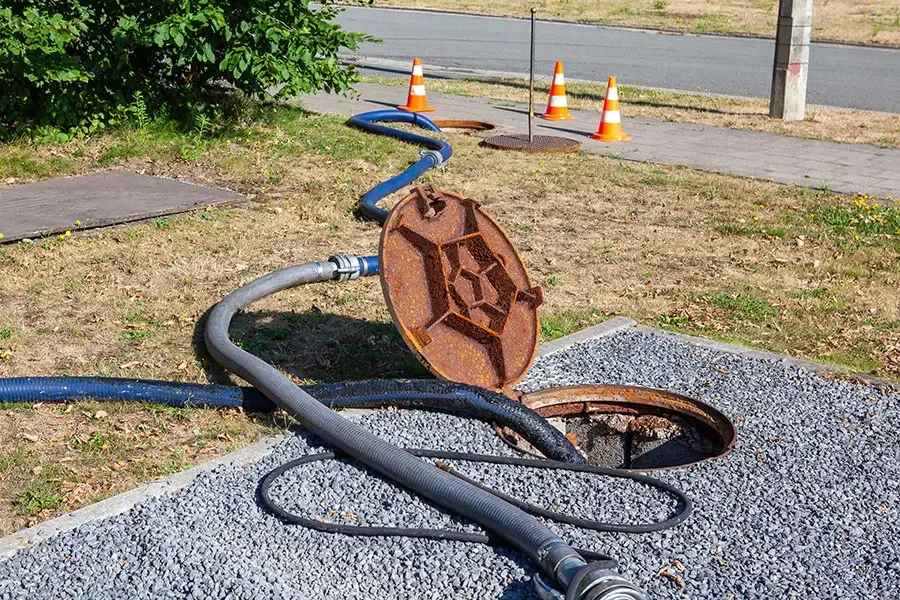
Open sewer manhole with hoses for maintenance Open sewer manhole with hoses for maintenance

Understanding the Cost of Sewer Line Services

Are you struggling with unpleasant odors and bacteria buildup in your home’s sewer system? You’re not alone. Many homeowners face these issues, but eco-friendly sewer cleaning methods offer an effective and safe solution for your family. This article will compare traditional cleaning techniques with greener alternatives, outline the benefits of eco-friendly sewer cleaning, and guide you on implementing these practices at home. By focusing on these solutions, you can improve your home’s health and avoid costly emergencies related to sewer problems.

Recognizing the Role of Sewer Maintenance in Home Health

Sewer maintenance is pivotal in your family’s well-being, affecting everything from health to comfort. Recognizing warning signs of sewer problems, such as slow drains or unusual odors, can prevent bigger issues. Additionally, understanding the connection between sanitary sewer systems and indoor air quality is vital. This section will address how trenchless technology and specialized nozzles can effectively manage organic matter, ensuring a clean and healthy home environment.

How Sewer Issues Affect Your Family’s Well-Being

Ignoring sewer issues can lead to significant health concerns for your family. For instance, a small leak in your bathroom can allow harmful bacteria and debris to enter your home, impacting indoor air quality and potentially causing illness. Staying proactive with sewer maintenance, including leak detection, can help you identify and resolve these problems before they escalate into more serious situations.

Furthermore, debris accumulation in your sewer lines can lead to slow drainage, fostering mold growth and unpleasant odors. This can create an uncomfortable living environment and harm your family’s well-being. By opting for eco-friendly sewer cleaning methods, you ensure the efficient removal of debris and promote a healthier home atmosphere for everyone.

Identifying Warning Signs of Sewer Problems

Awareness of the warning signs of sewer problems can be your first defense against potential hazards. For instance, if you notice slow drains throughout your home, this could indicate a clog in your sewer lines that needs immediate attention. An eco-friendly drain cleaner, particularly those containing hydroxide, can help break down blockages without compromising your home’s ecosystem or releasing harmful chemicals into your environment.

Unpleasant odors and gurgling sounds from your drains are also red flags indicating underlying sewer issues. These symptoms often suggest that waste and organic matter accumulate, leading to further complications if left unaddressed.

The Connection Between Sewers and Indoor Air Quality

The connection between sewer systems and indoor air quality is often underestimated. When sewer problems occur, such as clogs in pipes or backups, they can release harmful gases and odors that affect your home’s air. Utilizing hydrojetting services can effectively clear blockages and prevent such issues, ensuring that unpleasant smells and hazardous air do not compromise your family’s health.

Additionally, chemical reactions caused by the buildup of organic matter in your sewer lines can release toxins into your home’s atmosphere. Regular maintenance through eco-friendly sewer cleaning methods, such as hydrojetting, prevents drips and leaks in your shower and maintains a cleaner, safer indoor environment.

Comparing Traditional and Eco-Friendly Sewer Cleaning Techniques

Conventional sewer cleaning methods can pose risks, including corrosion of pipes and the potential for harsh chemicals to enter the soil. These approaches often rely on heavy-duty cleaners that struggle to eliminate soap scum and other organic buildup. In contrast, eco-friendly solutions provide significant benefits, from reducing environmental impact to safeguarding your home’s plumbing system. This section will explore the drawbacks of traditional cleaning techniques and highlight the advantages of switching to sustainable practices.

Drawbacks of Conventional Sewer Cleaning Methods

Conventional sewer cleaning methods often rely on harsh chemicals like acetic acid, which can erode pipes and compromise the efficiency of your sewer line. These aggressive substances can create more problems than they solve, as frequent use may lead to damage that requires costly repairs or replacements. This approach not only puts your plumbing system at risk but also affects the overall health of your home’s environment.

Additionally, traditional methods can lead to water contamination and harmful runoff, adversely impacting local ecosystems. The reliance on heavy-duty pumps to force through clogs can exacerbate these issues, creating a cycle of dependence on aggressive cleaning that does not address the root cause of the blockages.

Benefits of Switching to Eco-Friendly Solutions

Switching to eco-friendly sewer cleaning solutions can significantly reduce the risks associated with traditional methods. For example, using a high-pressure hose for hydrojetting effectively removes waste from clogged sewer lines without the need for harsh chemicals that can damage your plumbing. This method prevents potential blockages and ensures that your home’s environment remains safe and healthy for your family.

In addition to improving the overall health of your plumbing system, eco-friendly solutions contribute to a sustainable environment. Eliminating corrosive substances you help reduce soil contamination and protect local water sources from harmful runoff. Opting for green alternatives meets your household’s needs and promotes a healthier community for everyone.

Environmental Impact of Cleaning Choices

The environmental impact of your cleaning choices regarding drain cleaning and sewer line repair is significant. Conventional methods often rely on harsh chemicals that can lead to water damage and soil contamination, posing risks to local ecosystems. By selecting eco-friendly solutions, you can minimize these effects, helping to preserve natural resources and maintain the longevity of your plumbing system.

Advantages of Eco-Friendly Sewer Cleaning Methods

Promoting a Healthier Living Environment

By opting for eco-friendly cleaning agents over traditional chemical drain cleaners, you contribute to a healthier living environment for your family. Unlike harsh acids that can damage your plumbing system, these sustainable alternatives effectively break down waste while safeguarding your pipes. For instance, using a hydro jet provides a safe and efficient way to clear clogs without introducing harmful substances into your home or the surrounding environment.

Moreover, prioritizing eco-friendly plumbing services enhances indoor air quality by reducing the release of toxic fumes associated with conventional cleaning methods. You minimize potential hazards by eliminating the need for corrosive chemicals, allowing your household to breathe cleaner air. This not only fosters a more comfortable living space but also underscores your commitment to sustainability and the well-being of your family.

Preserving Natural Resources and Reducing Pollution

When you choose environmentally friendly sewer cleaning methods, you significantly contribute to preserving natural resources. Simple mixtures like vinegar combined with baking soda can effectively clean drains without introducing harmful chemicals into the ecosystem. This approach minimizes pollution and protects local waterways from contamination caused by conventional cleaning agents, enhancing the long-term sustainability of your community.

Moreover, eco-friendly practices in sewer maintenance reduce the overall environmental impact of waste disposal. Traditional methods often lead to toxic runoff that adversely affects soil and water quality. By adopting sustainable techniques, you help ensure that your household contributes less to pollution while promoting healthier living conditions for your family and neighbors. This commitment to sustainability fosters a cleaner environment, benefiting everyone in your community.

Enhancing Sewer System Efficiency and Longevity

Implementing eco-friendly sewer line cleaning methods, such as hydro jetting, significantly enhances the efficiency and longevity of your home’s plumbing infrastructure. Unlike traditional methods that may introduce harmful substances into your pipes, hydro jetting uses high-pressure water to remove blockages, including oil and grease buildup, without causing damage. This means fewer repairs and a reduced likelihood of future clogs, resulting in a smoothly operating sewage system.

Moreover, by maintaining a clean sewer system, you support the overall health of your community’s streams and local waterways. When you choose sustainable practices for sewer line cleaning, you protect your home while contributing to environmental preservation.

Exploring Eco-Friendly Sewer Cleaning Techniques

High-Pressure Water Jetting and Its Benefits

High-pressure water jetting is an effective solution for maintaining clean sewer lines while prioritizing eco-friendly practices. This technique uses high-pressure water streams to break down clogs and remove mineral deposits that can accumulate over time, promoting optimal drainage in your home. Using this method reduces the need for harsh chemicals, ensuring that your plumbing system, including sinks and other critical areas, remains intact and functional.

Additionally, high-pressure water jetting contributes to water conservation by preventing the need for frequent repairs that can lead to leaks and inefficient water use. Unlike traditional methods that might rely on substances like sodium bicarbonate to treat clogs, water jetting tackles issues directly at the source. This proactive approach not only enhances the lifespan of your plumbing infrastructure but also ensures a healthier environment for your family, free from the risks associated with chemical cleaners.

Utilizing Biodegradable Cleaning Agents

Utilizing biodegradable cleaning agents presents a practical solution for maintaining your sewer system while prioritizing your family’s health. These agents effectively break down organic materials without introducing harmful substances, allowing you to address common plumbing issues without the risks associated with harsh chemicals like sodium hydroxide. By choosing biodegradable options, you can enhance water efficiency in your home and reduce carbon footprints, contributing to a healthier environment for your family and community.

Incorporating biodegradable cleaning solutions into your routine plumbing maintenance offers significant benefits, such as reducing the likelihood of pipe corrosion and extending the lifespan of your plumbing infrastructure. For example, opting for plant-based cleaners not only effectively removes clogs but also ensures that harmful runoff is minimized. By embracing these eco-friendly plumbing solutions, you proactively protect your home’s environment and support water conservation efforts.

Mechanical Cleaning Without Harmful Chemicals

Mechanical cleaning methods, such as augering, are effective for maintaining your sewer pipelines without harmful chemicals. Utilizing specialized tools to remove sediment and blockages ensures that your plumbing system remains intact and functional while safeguarding your family’s health. This approach enhances the efficiency of your sewer lines and minimizes the risks associated with conventional chemical cleaners.

In addition to preserving your plumbing infrastructure, mechanical cleaning offers the benefit of being environmentally responsible. By choosing this method, you can effectively address clogs and buildup without introducing harmful substances into your home’s environment. This eco-friendly solution provides a sustainable way to keep your sewer system operating smoothly, ensuring a healthy living space for you and your family.

Incorporating Natural Enzyme Treatments

Incorporating natural enzyme treatments into your sewer maintenance routine can greatly enhance the health of your home. These treatments contain beneficial bacteria and enzymes that effectively break down organic matter, grease, and waste without harmful chemicals. By using enzyme-based cleaners regularly, you can prevent buildup that leads to clogs and slow drains, ensuring smoother operation of your plumbing system while creating a safer environment for you and your family.

Furthermore, natural enzyme treatments prioritize sustainability, as they are biodegradable and safe for the environment. When you choose these eco-friendly solutions, you help reduce the introduction of harsh pollutants into your home and local waterways. By opting for enzyme treatments, you not only support a healthier plumbing system but also contribute to the overall well-being of your community, making it a worthwhile investment in your family’s health.

Implementing Eco-Friendly Sewer Maintenance at Home

Implementing eco-friendly sewer maintenance at home involves taking strategic preventative measures to avoid clogs, utilizing DIY methods for sustainable sewer care, and recognizing when to seek professional help. Each of these aspects is essential for maintaining a healthy home environment. Understanding these techniques ensures your sewer system functions efficiently, minimizing environmental impact and promoting your family’s well-being.

Preventative Measures to Avoid Clogs

Regular maintenance is essential to effectively avoid clogs in your home’s plumbing system. One practical step is to monitor what goes down your drains; avoid disposing of grease, food particles, or non-biodegradable materials. A fine mesh strainer can help catch larger debris before it enters your sewer system, preventing buildup that could lead to clogs and subsequent repairs.

Another proactive measure is to periodically flush your drains with hot water and eco-friendly cleaning solutions. This simple practice helps break down accumulated grease or organic matter and keeps your pipes flowing smoothly. Establishing a routine for DIY maintenance not only prevents clogs but also promotes the overall efficiency of your plumbing system, ultimately maximizing your home’s health.

DIY Methods for Sustainable Sewer Care

Adopting DIY methods for sustainable sewer care can significantly enhance the long-term health of your plumbing system. For example, regularly pouring vinegar and baking soda down your drains can effectively break down grease and organic buildup. This simple, eco-friendly solution not only cleans your pipes but also minimizes the risk of clogs, ensuring that your sewer system functions optimally.

In addition to using natural cleaners, you can implement preventive practices such as regularly checking and maintaining your drains. A fine mesh screen over your sink and shower drains prevents debris and food particles from entering your sewage system. These small, proactive steps contribute to a healthier home environment while reducing reliance on harsh chemicals and professional interventions, promoting overall family well-being.

Knowing When to Seek Professional Help

Knowing when to seek professional help for your sewer system is vital for maintaining a healthy home environment. If you notice persistent slow drains, foul odors, or gurgling sounds, these symptoms may indicate serious blockages that require immediate attention. Enlisting the expertise of a qualified sewer maintenance professional ensures that your sewer cleaning is performed using eco-friendly methods that protect both your plumbing system and the environment.

Additionally, if you’ve tried DIY methods without success or if your sewer problems are recurring, it’s a clear sign that professional intervention is necessary. Professionals are equipped with the appropriate tools and knowledge to diagnose underlying issues effectively.

Choosing the Right Eco-Friendly Sewer Cleaning Professional

What to Look for in an Eco-Conscious Service Provider

When selecting an eco-conscious sewer cleaning professional, prioritize companies committed to environmentally friendly practices. This can include asking about their methodologies, such as using biodegradable cleaners, hydrojetting techniques, and their approach to minimizing harmful chemical use. Ensuring that your service provider adheres to sustainable practices benefits your plumbing system and contributes to the overall health of your home environment.

Additionally, look for certifications or affiliations with environmental organizations to verify their commitment to eco-friendly sewer cleaning. A reputable professional should be transparent about their techniques and the materials they use and provide examples of past projects that emphasize sustainability.

Questions to Ask Potential Companies

When choosing an eco-friendly sewer cleaning professional, inquire about their green practices. Ask how they ensure the use of biodegradable cleaning agents and what methods they employ to minimize environmental impact. Understanding their commitment to sustainable techniques will help determine if their approach aligns with your family’s health needs and values.

Additionally, it’s important to ask about their experience with eco-friendly solutions in sewer cleaning. Request examples of past projects where they implemented sustainable methods and how those choices positively impacted their clients’ homes. This knowledge not only shows their expertise but also assures you that they prioritize both the efficiency of your plumbing system and the well-being of your household.

Verifying Certifications and Eco-Friendly Practices

When seeking an eco-friendly sewer cleaning professional, verifying their certifications is essential. Look for companies that hold certifications from recognized environmental organizations, which indicates a commitment to sustainable practices. Engaging with certified professionals ensures that they know about eco-friendly solutions and follow industry best practices that prioritize your plumbing system and the environment.

Additionally, inquire about the specific eco-friendly practices they implement in their work. A reputable service provider should be transparent about using biodegradable cleaners, hydrojetting techniques, and strategies for minimizing harmful chemicals. By doing your due diligence, you can select a sewer cleaning expert dedicated to maximizing your home’s health while employing environmentally responsible methods.

Conclusion

Maximizing home health through eco-friendly sewer cleaning is essential for maintaining a safe and comfortable living environment. By promptly recognizing and addressing sewer issues, families can prevent health hazards and improve indoor air quality. Sustainable practices protect plumbing systems and promote environmental conservation and community well-being. Embracing these eco-friendly solutions empowers you to create a healthier home for your family while safeguarding the planet for future generations.

Frequently Asked Questions

How does sewer maintenance impact home health?
Regular sewer maintenance prevents issues like slow drains, bad odors, and harmful bacteria buildup, helping maintain a healthier living environment for your family.
What are some warning signs of sewer problems?
Slow drains, unpleasant odors, and gurgling indicate that your sewer system needs attention.
How do sewer problems affect indoor air quality?
Sewer blockages can release harmful gases and odors into your home, negatively impacting air quality and your family’s health.
What are the risks of traditional sewer cleaning methods?
Traditional methods often use harsh chemicals that can corrode pipes, damage plumbing systems, and lead to environmental harm through soil and water contamination
What are the advantages of eco-friendly sewer cleaning?
Eco-friendly methods, like hydro jetting, effectively remove blockages without using harmful chemicals, protecting your plumbing and the environment.

Eco-friendly sewer cleaning Eco-friendly sewer cleaning

Maximizing Home Health: The Advantages of Eco-Friendly Sewer Cleaning Methods

Are you struggling with unpleasant odors and bacteria buildup in your home’s sewer system? You’re not alone. Many homeowners face these issues, but eco-friendly sewer cleaning methods offer an effective and safe solution for your family. This article will compare traditional cleaning techniques with greener alternatives, outline the benefits of eco-friendly sewer cleaning, and guide you on implementing these practices at home. By focusing on these solutions, you can improve your home’s health and avoid costly emergencies related to sewer problems.

Recognizing the Role of Sewer Maintenance in Home Health

Sewer maintenance is pivotal in your family’s well-being, affecting everything from health to comfort. Recognizing warning signs of sewer problems, such as slow drains or unusual odors, can prevent bigger issues. Additionally, understanding the connection between sanitary sewer systems and indoor air quality is vital. This section will address how trenchless technology and specialized nozzles can effectively manage organic matter, ensuring a clean and healthy home environment.

How Sewer Issues Affect Your Family’s Well-Being

Ignoring sewer issues can lead to significant health concerns for your family. For instance, a small leak in your bathroom can allow harmful bacteria and debris to enter your home, impacting indoor air quality and potentially causing illness. Staying proactive with sewer maintenance, including leak detection, can help you identify and resolve these problems before they escalate into more serious situations.

Furthermore, debris accumulation in your sewer lines can lead to slow drainage, fostering mold growth and unpleasant odors. This can create an uncomfortable living environment and harm your family’s well-being. By opting for eco-friendly sewer cleaning methods, you ensure the efficient removal of debris and promote a healthier home atmosphere for everyone.

Identifying Warning Signs of Sewer Problems

Awareness of the warning signs of sewer problems can be your first defense against potential hazards. For instance, if you notice slow drains throughout your home, this could indicate a clog in your sewer lines that needs immediate attention. An eco-friendly drain cleaner, particularly those containing hydroxide, can help break down blockages without compromising your home’s ecosystem or releasing harmful chemicals into your environment.

Unpleasant odors and gurgling sounds from your drains are also red flags indicating underlying sewer issues. These symptoms often suggest that waste and organic matter accumulate, leading to further complications if left unaddressed.

The Connection Between Sewers and Indoor Air Quality

The connection between sewer systems and indoor air quality is often underestimated. When sewer problems occur, such as clogs in pipes or backups, they can release harmful gases and odors that affect your home’s air. Utilizing hydrojetting services can effectively clear blockages and prevent such issues, ensuring that unpleasant smells and hazardous air do not compromise your family’s health.

Additionally, chemical reactions caused by the buildup of organic matter in your sewer lines can release toxins into your home’s atmosphere. Regular maintenance through eco-friendly sewer cleaning methods, such as hydrojetting, prevents drips and leaks in your shower and maintains a cleaner, safer indoor environment.

Comparing Traditional and Eco-Friendly Sewer Cleaning Techniques

Conventional sewer cleaning methods can pose risks, including corrosion of pipes and the potential for harsh chemicals to enter the soil. These approaches often rely on heavy-duty cleaners that struggle to eliminate soap scum and other organic buildup. In contrast, eco-friendly solutions provide significant benefits, from reducing environmental impact to safeguarding your home’s plumbing system. This section will explore the drawbacks of traditional cleaning techniques and highlight the advantages of switching to sustainable practices.

Drawbacks of Conventional Sewer Cleaning Methods

Conventional sewer cleaning methods often rely on harsh chemicals like acetic acid, which can erode pipes and compromise the efficiency of your sewer line. These aggressive substances can create more problems than they solve, as frequent use may lead to damage that requires costly repairs or replacements. This approach not only puts your plumbing system at risk but also affects the overall health of your home’s environment.

Additionally, traditional methods can lead to water contamination and harmful runoff, adversely impacting local ecosystems. The reliance on heavy-duty pumps to force through clogs can exacerbate these issues, creating a cycle of dependence on aggressive cleaning that does not address the root cause of the blockages.

Benefits of Switching to Eco-Friendly Solutions

Switching to eco-friendly sewer cleaning solutions can significantly reduce the risks associated with traditional methods. For example, using a high-pressure hose for hydrojetting effectively removes waste from clogged sewer lines without the need for harsh chemicals that can damage your plumbing. This method prevents potential blockages and ensures that your home’s environment remains safe and healthy for your family.

In addition to improving the overall health of your plumbing system, eco-friendly solutions contribute to a sustainable environment. Eliminating corrosive substances you help reduce soil contamination and protect local water sources from harmful runoff. Opting for green alternatives meets your household’s needs and promotes a healthier community for everyone.

Environmental Impact of Cleaning Choices

The environmental impact of your cleaning choices regarding drain cleaning and sewer line repair is significant. Conventional methods often rely on harsh chemicals that can lead to water damage and soil contamination, posing risks to local ecosystems. By selecting eco-friendly solutions, you can minimize these effects, helping to preserve natural resources and maintain the longevity of your plumbing system.

Advantages of Eco-Friendly Sewer Cleaning Methods

Promoting a Healthier Living Environment

By opting for eco-friendly cleaning agents over traditional chemical drain cleaners, you contribute to a healthier living environment for your family. Unlike harsh acids that can damage your plumbing system, these sustainable alternatives effectively break down waste while safeguarding your pipes. For instance, using a hydro jet provides a safe and efficient way to clear clogs without introducing harmful substances into your home or the surrounding environment.

Moreover, prioritizing eco-friendly plumbing services enhances indoor air quality by reducing the release of toxic fumes associated with conventional cleaning methods. You minimize potential hazards by eliminating the need for corrosive chemicals, allowing your household to breathe cleaner air. This not only fosters a more comfortable living space but also underscores your commitment to sustainability and the well-being of your family.

Preserving Natural Resources and Reducing Pollution

When you choose environmentally friendly sewer cleaning methods, you significantly contribute to preserving natural resources. Simple mixtures like vinegar combined with baking soda can effectively clean drains without introducing harmful chemicals into the ecosystem. This approach minimizes pollution and protects local waterways from contamination caused by conventional cleaning agents, enhancing the long-term sustainability of your community.

Moreover, eco-friendly practices in sewer maintenance reduce the overall environmental impact of waste disposal. Traditional methods often lead to toxic runoff that adversely affects soil and water quality. By adopting sustainable techniques, you help ensure that your household contributes less to pollution while promoting healthier living conditions for your family and neighbors. This commitment to sustainability fosters a cleaner environment, benefiting everyone in your community.

Enhancing Sewer System Efficiency and Longevity

Implementing eco-friendly sewer line cleaning methods, such as hydro jetting, significantly enhances the efficiency and longevity of your home’s plumbing infrastructure. Unlike traditional methods that may introduce harmful substances into your pipes, hydro jetting uses high-pressure water to remove blockages, including oil and grease buildup, without causing damage. This means fewer repairs and a reduced likelihood of future clogs, resulting in a smoothly operating sewage system.

Moreover, by maintaining a clean sewer system, you support the overall health of your community’s streams and local waterways. When you choose sustainable practices for sewer line cleaning, you protect your home while contributing to environmental preservation.

Exploring Eco-Friendly Sewer Cleaning Techniques

High-Pressure Water Jetting and Its Benefits

High-pressure water jetting is an effective solution for maintaining clean sewer lines while prioritizing eco-friendly practices. This technique uses high-pressure water streams to break down clogs and remove mineral deposits that can accumulate over time, promoting optimal drainage in your home. Using this method reduces the need for harsh chemicals, ensuring that your plumbing system, including sinks and other critical areas, remains intact and functional.

Additionally, high-pressure water jetting contributes to water conservation by preventing the need for frequent repairs that can lead to leaks and inefficient water use. Unlike traditional methods that might rely on substances like sodium bicarbonate to treat clogs, water jetting tackles issues directly at the source. This proactive approach not only enhances the lifespan of your plumbing infrastructure but also ensures a healthier environment for your family, free from the risks associated with chemical cleaners.

Utilizing Biodegradable Cleaning Agents

Utilizing biodegradable cleaning agents presents a practical solution for maintaining your sewer system while prioritizing your family’s health. These agents effectively break down organic materials without introducing harmful substances, allowing you to address common plumbing issues without the risks associated with harsh chemicals like sodium hydroxide. By choosing biodegradable options, you can enhance water efficiency in your home and reduce carbon footprints, contributing to a healthier environment for your family and community.

Incorporating biodegradable cleaning solutions into your routine plumbing maintenance offers significant benefits, such as reducing the likelihood of pipe corrosion and extending the lifespan of your plumbing infrastructure. For example, opting for plant-based cleaners not only effectively removes clogs but also ensures that harmful runoff is minimized. By embracing these eco-friendly plumbing solutions, you proactively protect your home’s environment and support water conservation efforts.

Mechanical Cleaning Without Harmful Chemicals

Mechanical cleaning methods, such as augering, are effective for maintaining your sewer pipelines without harmful chemicals. Utilizing specialized tools to remove sediment and blockages ensures that your plumbing system remains intact and functional while safeguarding your family’s health. This approach enhances the efficiency of your sewer lines and minimizes the risks associated with conventional chemical cleaners.

In addition to preserving your plumbing infrastructure, mechanical cleaning offers the benefit of being environmentally responsible. By choosing this method, you can effectively address clogs and buildup without introducing harmful substances into your home’s environment. This eco-friendly solution provides a sustainable way to keep your sewer system operating smoothly, ensuring a healthy living space for you and your family.

Incorporating Natural Enzyme Treatments

Incorporating natural enzyme treatments into your sewer maintenance routine can greatly enhance the health of your home. These treatments contain beneficial bacteria and enzymes that effectively break down organic matter, grease, and waste without harmful chemicals. By using enzyme-based cleaners regularly, you can prevent buildup that leads to clogs and slow drains, ensuring smoother operation of your plumbing system while creating a safer environment for you and your family.

Furthermore, natural enzyme treatments prioritize sustainability, as they are biodegradable and safe for the environment. When you choose these eco-friendly solutions, you help reduce the introduction of harsh pollutants into your home and local waterways. By opting for enzyme treatments, you not only support a healthier plumbing system but also contribute to the overall well-being of your community, making it a worthwhile investment in your family’s health.

Implementing Eco-Friendly Sewer Maintenance at Home

Implementing eco-friendly sewer maintenance at home involves taking strategic preventative measures to avoid clogs, utilizing DIY methods for sustainable sewer care, and recognizing when to seek professional help. Each of these aspects is essential for maintaining a healthy home environment. Understanding these techniques ensures your sewer system functions efficiently, minimizing environmental impact and promoting your family’s well-being.

Preventative Measures to Avoid Clogs

Regular maintenance is essential to effectively avoid clogs in your home’s plumbing system. One practical step is to monitor what goes down your drains; avoid disposing of grease, food particles, or non-biodegradable materials. A fine mesh strainer can help catch larger debris before it enters your sewer system, preventing buildup that could lead to clogs and subsequent repairs.

Another proactive measure is to periodically flush your drains with hot water and eco-friendly cleaning solutions. This simple practice helps break down accumulated grease or organic matter and keeps your pipes flowing smoothly. Establishing a routine for DIY maintenance not only prevents clogs but also promotes the overall efficiency of your plumbing system, ultimately maximizing your home’s health.

DIY Methods for Sustainable Sewer Care

Adopting DIY methods for sustainable sewer care can significantly enhance the long-term health of your plumbing system. For example, regularly pouring vinegar and baking soda down your drains can effectively break down grease and organic buildup. This simple, eco-friendly solution not only cleans your pipes but also minimizes the risk of clogs, ensuring that your sewer system functions optimally.

In addition to using natural cleaners, you can implement preventive practices such as regularly checking and maintaining your drains. A fine mesh screen over your sink and shower drains prevents debris and food particles from entering your sewage system. These small, proactive steps contribute to a healthier home environment while reducing reliance on harsh chemicals and professional interventions, promoting overall family well-being.

Knowing When to Seek Professional Help

Knowing when to seek professional help for your sewer system is vital for maintaining a healthy home environment. If you notice persistent slow drains, foul odors, or gurgling sounds, these symptoms may indicate serious blockages that require immediate attention. Enlisting the expertise of a qualified sewer maintenance professional ensures that your sewer cleaning is performed using eco-friendly methods that protect both your plumbing system and the environment.

Additionally, if you’ve tried DIY methods without success or if your sewer problems are recurring, it’s a clear sign that professional intervention is necessary. Professionals are equipped with the appropriate tools and knowledge to diagnose underlying issues effectively.

Choosing the Right Eco-Friendly Sewer Cleaning Professional

What to Look for in an Eco-Conscious Service Provider

When selecting an eco-conscious sewer cleaning professional, prioritize companies committed to environmentally friendly practices. This can include asking about their methodologies, such as using biodegradable cleaners, hydrojetting techniques, and their approach to minimizing harmful chemical use. Ensuring that your service provider adheres to sustainable practices benefits your plumbing system and contributes to the overall health of your home environment.

Additionally, look for certifications or affiliations with environmental organizations to verify their commitment to eco-friendly sewer cleaning. A reputable professional should be transparent about their techniques and the materials they use and provide examples of past projects that emphasize sustainability.

Questions to Ask Potential Companies

When choosing an eco-friendly sewer cleaning professional, inquire about their green practices. Ask how they ensure the use of biodegradable cleaning agents and what methods they employ to minimize environmental impact. Understanding their commitment to sustainable techniques will help determine if their approach aligns with your family’s health needs and values.

Additionally, it’s important to ask about their experience with eco-friendly solutions in sewer cleaning. Request examples of past projects where they implemented sustainable methods and how those choices positively impacted their clients’ homes. This knowledge not only shows their expertise but also assures you that they prioritize both the efficiency of your plumbing system and the well-being of your household.

Verifying Certifications and Eco-Friendly Practices

When seeking an eco-friendly sewer cleaning professional, verifying their certifications is essential. Look for companies that hold certifications from recognized environmental organizations, which indicates a commitment to sustainable practices. Engaging with certified professionals ensures that they know about eco-friendly solutions and follow industry best practices that prioritize your plumbing system and the environment.

Additionally, inquire about the specific eco-friendly practices they implement in their work. A reputable service provider should be transparent about using biodegradable cleaners, hydrojetting techniques, and strategies for minimizing harmful chemicals. By doing your due diligence, you can select a sewer cleaning expert dedicated to maximizing your home’s health while employing environmentally responsible methods.

Conclusion

Maximizing home health through eco-friendly sewer cleaning is essential for maintaining a safe and comfortable living environment. By promptly recognizing and addressing sewer issues, families can prevent health hazards and improve indoor air quality. Sustainable practices protect plumbing systems and promote environmental conservation and community well-being. Embracing these eco-friendly solutions empowers you to create a healthier home for your family while safeguarding the planet for future generations.

Frequently Asked Questions

How does sewer maintenance impact home health?
Regular sewer maintenance prevents issues like slow drains, bad odors, and harmful bacteria buildup, helping maintain a healthier living environment for your family.
What are some warning signs of sewer problems?
Slow drains, unpleasant odors, and gurgling indicate that your sewer system needs attention.
How do sewer problems affect indoor air quality?
Sewer blockages can release harmful gases and odors into your home, negatively impacting air quality and your family’s health.
What are the risks of traditional sewer cleaning methods?
Traditional methods often use harsh chemicals that can corrode pipes, damage plumbing systems, and lead to environmental harm through soil and water contamination
What are the advantages of eco-friendly sewer cleaning?
Eco-friendly methods, like hydro jetting, effectively remove blockages without using harmful chemicals, protecting your plumbing and the environment.

Essential Guide to Identifying Kitchen Plumbing Leaks

Are you aware that a small kitchen leak can lead to significant water damage over time? In this essential guide to identifying kitchen plumbing leaks, you’ll learn about common causes, early signs to watch for, and effective inspection methods. By understanding these key aspects, you can address leaks quickly and prevent costly plumbing repairs. This content will empower you to identify potential leaks in your water supply and take proactive steps to safeguard your kitchen against major issues, ensuring a well-maintained home.

Understanding Common Causes of Kitchen Plumbing Leaks

Common causes of kitchen plumbing leaks often stem from age and wear of pipes and fittings, leading to deterioration over time. Corrosion and material degradation can further complicate matters. Additionally, loose connections and joints contribute to leaks, while high water pressure can exacerbate these issues. Damage from freezing temperatures or external forces can also create vulnerabilities in your plumbing system.

Understanding these factors is crucial for effective leak detection. Employing smart sensors and regular checks on valves can help mitigate risks while seeking expert leak detection services, which ensures that any issues are addressed promptly and maintains the integrity of your kitchen’s drain system.

Age and Wear of Pipes and Fittings

As your plumbing ages, pipes and fittings may deteriorate, increasing the risk of water line leaks. Over time, the materials that make up your plumbing can corrode, weakening connections and eventual failures. Being proactive in monitoring the condition of your pipes can help prevent costly emergency repairs and minimize potential water damage to your ceiling and walls.

It is important to recognize the signs of wear before a leak occurs. Regular inspections allow you to identify any weak spots that may lead to water leaks. For instance, if you notice any discoloration or dampness on surfaces around your kitchen plumbing, address the issue immediately to avoid extensive repair costs and further damage to your home.

Corrosion and Material Degradation

Corrosion and material degradation are significant contributors to kitchen plumbing leaks. Over time, exposure to water and various chemicals can cause pipes, especially those made from metal, to corrode. This degradation weakens pipes, making them more susceptible to leaks. If you notice water stains or damp spots around your kitchen, it may indicate a corroded pipe that requires immediate attention to prevent further damage and costly repairs.

Regular leak detection is essential for maintaining your plumbing system. High water pressure can accelerate corrosion, leading to faster deterioration of plumbing materials. By investing in routine inspections and being vigilant about signs of leaks, you can address potential issues before they escalate.

Consider Local Water Report Findings

Your local water report is a valuable resource that provides insights into tap water quality. It typically includes information on contaminants such as heavy metals and bacteria that may be present in your water supply. By reviewing these findings, you can identify whether specialized systems, like a reverse osmosis (RO) unit or a specific filter under the sink, are necessary to address your needs effectively. Understanding these details allows you to choose the best filter for sink applications, ensuring cleaner and safer water for your household.

Loose Connections and Joints

Loose connections and joints in your kitchen’s plumbing can lead to significant water leaks, often unnoticed until they cause damage. If you experience any damp spots on your drywall or in your basement, it’s possible that misaligned or improperly tightened pipes are to blame. Regular inspections for these potential weak points can save you from costly repairs and prevent further complications in your plumbing system.

In addition to being vigilant about visible signs of leaking, consider scheduling professional leak detection services if you suspect an issue. These services can accurately identify problematic connections that are not easily visible, ensuring your pump and piping systems function smoothly.

Effects of High Water Pressure

High water pressure in your kitchen plumbing can significantly increase the likelihood of leaks. When the water pressure exceeds the recommended levels, it places additional stress on pipes and fittings, potentially leading to failures. Regular plumbing leak detection is vital to detect any irregularities, as even small leaks can escalate and contribute to a costly flood in your home.

Damage From Freezing or External Forces

Damage from freezing temperatures can lead to significant plumbing issues in your kitchen. When water in pipes freezes, it expands, creating intense pressure that may cause pipes to crack or burst. This situation often necessitates immediate attention, making prompt leak detection services essential to minimize water damage and costly repairs.

External forces, such as heavy objects or shifts in the foundation, can also contribute to plumbing leaks. For instance, if your sump pump malfunctions or your dishwasher is improperly installed, leaks may go unnoticed until significant damage occurs. Regular inspections as part of your plan can help identify these vulnerabilities and prevent future leaks, ensuring your kitchen remains dry and functional.

Early Signs of Kitchen Plumbing Leaks to Watch For

Unexplained increases in water bills, sounds of dripping or running water, and damp or discolored areas under the sink are common indicators of potential leaks. Also, mold or mildew in cabinets or walls and unusual odors from drains could signal serious issues like a slab leak. This section will detail these signs and guide you on what to inspect for effective leak detection.

Unexplained Increases in Water Bills

An unexplained increase in your water bill can be a significant indicator of potential kitchen plumbing leaks. When water flows continuously due to a leak, it raises your expenses and puts your home at risk for further damage. By closely monitoring changes in your utility invoices, you can quickly identify these issues and take appropriate action, preventing more serious complications, such as mold growth or water damage.

Sounds of Dripping or Running Water

Sounds of dripping or running water can clearly indicate potential plumbing issues in your kitchen. If you frequently hear water dripping from your sink or the sound of constant water running, it may suggest underlying problems such as a toilet leak or a faulty faucet. Addressing these sounds early can prevent further damage, such as mildew growth and additional plumbing repair costs.

Damp or Discolored Areas Under the Sink

Mold or mildew in your kitchen cabinets or walls can indicate a hidden plumbing leak that needs immediate attention. This growth typically thrives in damp environments where moisture accumulates due to leakage, leading to health risks and structural damage if not addressed promptly. Regularly inspecting these areas can help you catch signs early, allowing you to maintain a safe and clean kitchen environment for your family.

If you spot mold or mildew, consider tracing the source to see if it correlates with plumbing fixtures or pipes. For instance, a leak from a sink or dishwasher may lead to moisture buildup that fosters mold growth.

Unusual Odors From Drains or Cabinets

Unusual odors emanating from your drains or cabinets can indicate hidden plumbing leaks in your kitchen. These odors often arise from stagnant water accumulating due to minor leaks or slow drainage issues. If you notice a persistent foul smell, it may signal the presence of mold or mildew, both of which thrive in damp environments and can pose health risks to your family.

How to Inspect Your Kitchen for Plumbing Leaks

To effectively identify kitchen plumbing leaks, check under the sink for any signs of moisture. Next, examine pipes and hoses for wear, as this can indicate potential vulnerabilities. You should also monitor the water meter for unusual activity, test faucets and fixtures for drips, and inspect appliances connected to the water supply. Each step plays a crucial role in maintaining your kitchen’s plumbing integrity.

Checking Under the Sink for Moisture

Checking under the sink for moisture is crucial in identifying kitchen plumbing leaks. Start by removing any items stored in the cabinet to get a clear view of the space. Look for signs of water accumulation or dampness in the area, as these can indicate hidden leaks that may escalate into more significant problems if left unaddressed.

If you notice any discoloration or water stains on the cabinetry or floor, it’s essential to investigate further. Check the connections of your sink’s plumbing, including the supply lines and drainage pipes, for any loose fittings or damage.

Examining Pipes and Hoses for Wear

When examining pipes and hoses for wear, closely inspect visible and hidden areas for signs of damage or deterioration. Look for cracks, frays, or corrosion, particularly at connection points where leaks are more likely to occur. If you notice any discoloration or wet spots around the pipes, these could signify a potential problem that requires immediate attention.

Additionally, flex the hoses gently to see if they feel brittle or show any signs of weakness. Over time, exposure to fluctuating temperatures and water pressure can lead to hose degradation, making them prime candidates for leaks. Being proactive in monitoring the condition of your plumbing can save you from costly repairs and water damage in your kitchen.

Monitoring the Water Meter for Unusual Activity

Monitoring your water meter regularly is an effective way to identify kitchen plumbing leaks. Start by recording the current reading when no water is used in your home. After a few hours, recheck the meter; if the reading has changed, this may indicate a leak in your plumbing system that needs further investigation.

In addition to monitoring for changes, familiarize yourself with your home’s normal usage patterns. For instance, a sudden spike in the meter reading while your kitchen appliances aren’t in use might point to hidden leaks. This proactive approach allows you to address potential issues swiftly, protecting your kitchen from extensive water damage and costly repairs.

Testing Faucets and Fixtures for Drips

Testing your faucets and fixtures for drips is essential to identifying potential kitchen plumbing leaks. Start by turning off all water sources in your kitchen and then observe whether any faucets or fixtures continue to drip or leak. If you notice water pooling under a faucet or a steady drip from the spout, it may be time to replace washers, gaskets, or possibly even the entire fixture. Regular checks can save you from excess water use and prevent larger plumbing issues.

Inspecting Appliances Connected to Water Supply

Inspecting appliances connected to your water supply is crucial in identifying kitchen plumbing leaks. You should regularly examine areas around machines like dishwashers and refrigerators for signs of moisture. Pay attention to water lines and connections to ensure they are tight and free of damage, as loose or worn hoses can lead to leaks that escalate into larger issues.

If you notice any pooling water or damp spots near your appliances, acting quickly is essential. This could indicate a problem with the appliance itself or its connections. Addressing these concerns promptly helps maintain a dry kitchen and prevents costly repairs and water damage down the line.

When to Call a Professional Plumber

When persistent kitchen plumbing leaks persist despite your DIY efforts, consider calling a professional plumber. Leaks behind walls or under floors, significant water damage, and mold risks can raise serious concerns. If you’re facing challenges that require advanced leak detection equipment, a qualified plumber can resolve these immediate issues and help prevent future plumbing problems.

Persistent Leaks Despite DIY Efforts

If you continue to experience persistent leaks in your kitchen despite your best DIY efforts, it may be time to call a professional plumber. DIY methods can often address minor issues, but persistent leaks may indicate underlying problems that require specialized knowledge and equipment. A qualified plumber can perform a thorough inspection, pinpoint the exact source of the issue, and implement effective solutions to restore your plumbing system’s integrity.

Leaks Behind Walls or Under Floors

Leaks behind walls or under floors can create hidden damage that often goes unnoticed until significant issues arise. If you suspect that your plumbing has developed a leak in these areas, it is crucial to seek the expertise of a professional plumber. They utilize specialized tools and techniques to detect leaks not visible to the naked eye, allowing for prompt intervention before extensive damage occurs.

Significant Water Damage or Mold Risk

When you notice significant water damage or mold risk in your kitchen, acting quickly is crucial. Water stains on walls, ceilings, or under your sink can clearly indicate a leak that has gone unnoticed. Mold can not only jeopardize your family’s health but also compromise your home’s structural integrity, making it essential to seek professional plumber assistance as soon as you identify these issues.

Preventing Future Plumbing Issues

To prevent future plumbing issues in your kitchen, consider scheduling regular maintenance checks with a professional plumber. Regular inspections can help identify potential vulnerabilities in your plumbing system before they escalate into significant leaks, saving you from costly repairs. Additionally, making small adjustments, such as monitoring water pressure and checking fittings, can significantly enhance the longevity of your plumbing.

Investing in high-quality plumbing fixtures and appliances can also help prevent leaks and maintain the efficiency of your kitchen’s plumbing. Ensure that any newly installed equipment is connected correctly to avoid issues later. By being proactive and promptly addressing any signs of wear, you can maintain a functional kitchen environment, reducing the likelihood of leaks.

Preventative Measures to Avoid Kitchen Leaks

To prevent kitchen plumbing leaks, consider implementing regular maintenance and inspections, which help identify issues early. Upgrading old or corroded pipes can enhance the integrity of your plumbing system while properly installing appliances and fixtures further reduces the risk of leaks. Managing water pressure levels and insulating pipes against freezing temperatures are crucial steps to maintaining a leak-free kitchen environment.

Regular Maintenance and Inspections

Regular maintenance and inspections of your kitchen plumbing system are essential to prevent leaks before they escalate into costly repairs. By scheduling routine check-ups, you can identify vulnerable areas, such as aging pipes or loose connections, allowing you to address issues promptly. This proactive approach saves you money in the long run and ensures a safe environment for your household, reducing the risk of water damage.

Upgrading Old or Corroded Pipes

Upgrading old or corroded pipes is a crucial step in maintaining the integrity of your kitchen plumbing and preventing leaks. When you notice signs of wear, such as rust or discoloration, it’s a good idea to consider replacing those pipes. Modern materials, like PEX or PVC, offer enhanced resistance to corrosion and can significantly reduce the risk of future leaks, ensuring your kitchen stays dry and functional.

Investing in upgraded plumbing will mitigate the chances of leaks and improve the overall efficiency of your water system. Newer pipes are designed to withstand higher pressures and can help optimize water flow, which is particularly beneficial in busy kitchens.

Proper Installation of Appliances and Fixtures

Proper installation of appliances and fixtures is a critical step in preventing kitchen plumbing leaks. When connecting appliances like dishwashers and refrigerators, ensure that all hoses and fittings are tightly secured to avoid any potential leaks. Taking the time to double-check these connections can save you from the headache of water damage and costly repairs down the line.

Additionally, consider hiring a professional to install more complex fixtures to guarantee that they meet industry standards. A qualified plumber has the expertise to ensure that your appliances are installed safely and efficiently, reducing the risk of leaks caused by improper connections.

Managing Water Pressure Levels

Managing water pressure levels in your kitchen is essential for preventing plumbing leaks. High water pressure can stress pipes and fittings, increasing the risk of wear and eventual leaks. Regularly checking your water pressure with a gauge can help you maintain safe levels, typically between 40 and 60 psi, ensuring your plumbing system remains functional and leak-free.

Consider installing a pressure-reducing valve if your water pressure is consistently too high. This simple adjustment can protect your plumbing fixtures and appliances, reducing the likelihood of leaks while extending their lifespan.

Insulating Pipes to Prevent Freezing

Insulating your pipes is a proactive measure that can significantly reduce the risk of freezing during colder months. By wrapping pipes in insulation sleeves or using heat tape, you create a barrier that helps maintain a consistent temperature, keeping water flowing smoothly and preventing potential leaks. This simple yet effective solution protects your plumbing system and saves you from the inconveniences and costs associated with plumbing repairs.

Conclusion

Identifying kitchen plumbing leaks is essential for maintaining a safe and functional home environment. Recognizing early signs, such as unexplained water bills and unusual sounds, empowers you to address issues promptly and avoid costly repairs. Regular inspections and preventative measures, like upgrading old pipes and monitoring water pressure, enhance the longevity of your plumbing system. By prioritizing leak detection, you safeguard your kitchen, protect your property, and ensure peace of mind for your household.

Frequently Asked Questions

What are the common causes of kitchen plumbing leaks?
Common causes include aging pipes, corrosion, loose connections, and high water pressure.
How does the age of pipes affect plumbing leaks?

Older pipes are more prone to deterioration, leading to weakened connections and potential leaks.

What role does corrosion play in kitchen leaks?
Corrosion weakens pipes over time, making them more susceptible to leaking, especially in metal piping systems.
Why do loose connections lead to plumbing leaks?
Loose or improperly tightened connections can cause leaks, often unnoticed until water damage appears.
How can high water pressure cause leaks?
Excessive water pressure stresses pipes and fittings, increasing the risk of leaks and failures in the plumbing system.

Modern countertop water filtration system in a kitchen Modern countertop water filtration system in a kitchen

Selecting the Right Water Filtration System for Your Kitchen

Is your kitchen water not meeting your family’s health standards? Many households face common water quality issues, such as high calcium levels or contaminants affecting taste and safety. In this guide, you’ll learn how to identify your specific water quality concerns, explore various filtration technologies, and determine the best system that fits your needs, including options like stainless steel and membrane filters. You will discover how selecting the right water filtration system ensures safe drinking water and enhances your kitchen experience, backed by reliable customer service.

Identify Your Kitchen’s Water Quality Issues

You must first identify your water quality issues to select the right water filtration system for your kitchen. Start by testing your tap water for contaminants like lead and other harmful minerals. It also recognizes signs of hard water, which affects taste and appliance efficiency. Finally, consider findings from your local water report to gauge any widespread contamination issues that may necessitate specialized filtration solutions, like an RO filter under the sink.

Test Your Tap Water for Contaminants

Testing your tap water for contaminants is an essential first step in ensuring the quality of the drinking water in your kitchen. You can begin using home testing kits, which are available at various stores or online. These kits can assess the presence of harmful substances, including cryptosporidium and lead, helping you determine which filtration solutions, like sink faucet filters, may be necessary. If you find high levels of contaminants, this can prompt you to upgrade your system or use a comprehensive solution like a reverse osmosis (RO) filter.

Regular testing is vital to monitor ongoing water quality, especially if your area has known issues, such as elevated lead levels. Additionally, it’s wise to maintain your filtration systems by regularly replacing filters. For instance, a convenient replacement filter can keep your carbon and other filtration systems functioning effectively to ensure clean and tasty water. Some filtration systems even come with a limited warranty, providing peace of mind regarding their performance and durability as long as you adhere to the maintenance guidelines.

Recognize Signs of Hard Water

If you’ve noticed a limescale buildup on your faucets or appliances, it may be a sign that your tap water has high hardness levels. Hard water contains high concentrations of minerals, particularly calcium and magnesium, which can decrease the efficiency of your dishwasher and water heater. Choosing a filtration system with NSF certifications can help you ensure that it effectively reduces these minerals, leading to better performance of your kitchen appliances.

Another indication of hard water is the presence of spots on glassware and dishware after washing. This residue can be unappealing and may suggest the need for an under-sink filter water system designed to handle hard water issues. High-capacity filtration systems can also improve the overall quality of your water, improving both taste and safety for you and your family. By recognizing these signs of hard water, you can decide on the best water filtration system for your kitchen needs.

Consider Local Water Report Findings

Your local water report is a valuable resource that provides insights into tap water quality. It typically includes information on contaminants such as heavy metals and bacteria that may be present in your water supply. By reviewing these findings, you can identify whether specialized systems, like a reverse osmosis (RO) unit or a specific filter under the sink, are necessary to address your needs effectively. Understanding these details allows you to choose the best filter for sink applications, ensuring cleaner and safer water for your household.

Explore Different Water Filtration Technologies

Understand Activated Carbon Filters

Activated carbon filters are a popular option for enhancing water quality in your kitchen sink. These filters are designed to effectively remove contaminants such as chlorine, which can cause unpleasant odors and tastes in your drinking water. For instance, an activated carbon filter from Aquasana can significantly improve the taste of your water, providing a fresher and cleaner drinking experience, especially if you live in an area with treated water containing high chlorine levels.

In addition to chlorine, activated carbon filters can reduce other harmful substances like chromium, often found in municipal water systems. By choosing a reliable filtration system that utilizes activated carbon technology, you create a healthier environment for your family. This is particularly important if you are concerned about the presence of these contaminants, as it helps ensure that the water you consumeand use for cookingis as pure as possible.

Learn About Reverse Osmosis Systems

Reverse osmosis (RO) systems offer a highly effective solution for enhancing the water quality in your kitchen. They work by utilizing a semi-permeable membrane to remove contaminants, including harmful substances like lead and chlorine. This filter system not only provides cleaner drinking water but also reduces the presence of unwanted minerals, such as potassium, that can affect taste and health. Although the price of these systems can vary, many homeowners find that the long-term benefits justify the investment, ensuring safe and purified water for their families.

One of the standout features of reverse osmosis systems is their environmentally friendly approach to water purification. By filtering out contaminants and reducing waste, these systems help promote a healthier planet while providing clean water. As you evaluate different options for your kitchen, consider how an RO filter can align with your household’s water quality needs and environmental values, delivering both immediate and long-term advantages for you and your family.

Evaluate Ultraviolet (UV) Purification Options

Ultraviolet (UV) purification systems effectively enhance your kitchen’s water quality by targeting harmful microorganisms without adding chemicals. These systems utilize UV light to deactivate bacteria, viruses, and other pathogens that can compromise your family’s health. When selecting a UV system, make sure it meets standards set by the American National Standards Institute to ensure reliability and safety in your water supply.

In addition to pathogen elimination, UV purification systems can be integrated into various plumbing setups, including direct connect systems that minimize the need for extensive installations. While UV filters do not reduce fluoride or minerals, they can complement other filtration methods, such as water softening systems, which address hardness issues in your water. Choosing the right combination of filtration technologies ensures that your kitchen has clean, safe water tailored to your family’s needs.

Discover Ion Exchange Methods

Ion exchange is a highly effective method for water purification, particularly when addressing issues related to total dissolved solids (TDS) and hard water. This process works by exchanging unwanted ions in your water with less harmful ones. For instance, calcium and magnesium, which contribute to hardness, can be replaced with sodium ions through a specialized cartridge, ensuring your water is softer and safer for daily use.

Determine the Right Filtration System Type for Your Needs

Compare Under-Sink vs. Countertop Systems

Consider your kitchen’s specific needs and available space when deciding between under-sink and countertop filtration systems. Under-sink systems, such as the best under-sink filter options, are installed discreetly beneath your sink, offering a permanent solution for improved water quality while saving counter space. In contrast, countertop models, like the Brita filter under sink, are straightforward to install and maintain, making them ideal choices for renters or those seeking a portable solution.

Both systems effectively reduce contaminants, including sediment and harmful metals, but their functionality varies. Under-sink filters often provide higher filtration capacity and efficiency due to their advanced technologies, which make them suitable for frequent water usage. Countertop systems, while beneficial, may require more frequent filter changes and may not be as robust in filtering out brass or other metals, depending on their design. Assessing your household’s water needs can guide you toward the best filtration solution for ensuring clean and safe drinking water.

Assess Faucet-Mounted Filters

Faucet-mounted filters provide a convenient solution for improving the quality of your drinking water with minimal installation efforts. These filters attach directly to your faucet, allowing you to enjoy clean water on demand by simply flipping a switch. Look for models certified by NSF International to ensure they effectively reduce contaminants like microplastics and heavy metals, making your drinking water safer for you and your family. Additionally, many faucet-mounted systems can filter many gallons before needing replacement, offering a practical and cost-effective option.

When assessing faucet-mounted filters, consider the materials used in their construction, such as durable stainless steel, to ensure longevity and performance. These filters not only help remove impurities but also enhance the taste of your water, making it more enjoyable. Moreover, they often feature a compact design that doesn’t take up extra space in your kitchen, which is beneficial for households with limited counter area.

Consider Whole-House Filtration Systems

Whole-house filtration systems effectively ensure purified water throughout your home, addressing not only the sink but also every faucet and appliance. Investing in this system allows you to choose consistent water quality that enhances the taste of the water you use for cooking, drinking, and cleaning. Evaluating models with a warranty is important to safeguard your investment and guarantee performance over time.

When selecting a whole-house filter for sink water, consider how it can meet your broader household needs. These systems can reduce contaminants ranging from heavy metals to chlorine, providing you and your family peace of mind. While many homeowners opt for the best under-sink water filtration systems, a whole-house approach allows for improved water quality across all your plumbing fixtures, ensuring every drop counts.

Evaluate Portable Water Filter Pitchers

Portable water filter pitchers are a practical and cost-effective solution for improving your kitchen’s water quality. They are easy to use and require no installation, making them ideal for households that want immediate access to cleaner drinking water without needing extensive plumbing services. Simply filling the pitcher with tap water allows you to enjoy filtered water that reduces contaminants like chlorine and heavy metals, ensuring a healthier choice for your family.

When evaluating portable water filter pitchers, consider their filtration capacity and replacement filter frequency. Many models use activated carbon and other filtration technologies to enhance taste and safety, with some able to effectively filter out specific pollutants. Additionally, these pitchers are often compact, making them suitable for kitchens with limited counter space. By choosing the right pitcher, you can address your water quality concerns and enjoy refreshing water conveniently and easily.

Consider Installation and Maintenance Requirements

When selecting a water filtration system for your kitchen, consider key factors like the possibility of DIY installation, the necessity for regular filter replacements, and understanding maintenance costs. Ensure the chosen system’s compatibility with your plumbing to avoid issues. Each of these elements is crucial in determining your water filtration solution’s overall efficiency and convenience.

Check for DIY Installation Possibilities

When selecting a water filtration system for your kitchen, it’s important to consider whether the installation can be done as a DIY project. Many systems are designed for easy installation, allowing you to set them up without needing professional help, which can save you money. For instance, countertop filters typically require minimal tools. They can be functional within a few minutes, making them an appealing option for those looking to enhance their water quality with little hassle.

However, some systems, like under-sink or whole-house filters, may require more complex plumbing work. In these cases, you should assess your comfort level and skill with such installations. If you prefer a hassle-free approach, look for models with detailed instructions and all necessary components, or consider hiring a professional.

Plan for Regular Filter Replacements

Planning for regular filter replacements is crucial to maintaining the effectiveness of your water filtration system. Over time, filters can become clogged with contaminants, reducing their ability to purify water effectively. Many manufacturers provide specific guidelines on how often you should replace filters, which can range from every few months to once a year, depending on your usage and type of filtration system.

To ensure that your kitchen always has clean water, consider setting a reminder for filter replacements based on the manufacturer’s recommendations. Keeping track of when to change your filters will help avoid issues like reduced water quality and unpleasant tastes. Additionally, invest in systems that are easy to replace, as this will simplify the maintenance process and provide ongoing peace of mind regarding your family’s drinking water safety.

Understand Maintenance Costs

Understanding maintenance costs is essential when selecting the right water filtration system for your kitchen. Different systems have varying costs associated with filter replacements, with some needing them more frequently than others. For example, an under-sink reverse osmosis system may require you to replace filters every six months, while a countertop model might only need changes once a year. By considering these factors, you can budget effectively and avoid unexpected expenses.

Ensure Compatibility With Your Plumbing

Ensuring compatibility with your plumbing is vital when selecting a water filtration system for your kitchen. Before purchasing, you should carefully assess your current plumbing configuration, including pipe sizes and available connection points. This evaluation helps you avoid installation complications and guarantees that the filtration system functions effectively within your setup.

Many filtration systems, such as under-sink or faucet-mounted options, require specific fittings or adapters for proper installation. Reviewing the manufacturer’s specifications can help you determine if additional materials are needed. Proper compatibility streamlines the installation process and enhances the system’s performance, ensuring that you receive the clean and safe water you expect for your household.

Set a Budget and Compare Costs

When selecting the right water filtration system for your kitchen, it’s essential to set a budget that balances initial investment with potential long-term savings. Evaluate energy efficiency options to reduce ongoing costs and look for warranties and service plans that provide peace of mind. Investigate financing or payment plans that can make your investment more manageable, ensuring the best value for your household.

Calculate Initial Investment vs. Long-Term Savings

When evaluating the initial investment for a water filtration system, consider the purchase price, installation fees, and any necessary accessories. Many systems offer varying price points, so it’s essential to find one that meets your water quality needs without exceeding your budget. For example, while a reverse osmosis setup may have a higher upfront cost, its long-term benefits, including improved water quality and potential savings on bottled water, can make it a worthwhile investment.

Calculating long-term savings involves assessing ongoing costs linked to filter replacements and maintenance, which can significantly impact your overall budget. Systems that require less frequent filter changes may seem more expensive initially but can lead to lower costs over time.

Explore Energy Efficiency Options

When selecting a water filtration system, considering energy efficiency can significantly impact your long-term costs. Some systems, such as reverse osmosis units, consume more energy than others, which can add to your utility bills over time. By choosing energy-efficient options, you will save money and contribute to a more sustainable environment, aligning your household practices with cost-effective solutions.

Look for water filtration systems with energy-saving features, such as advanced filtration technologies requiring less power. For instance, systems that optimize flow rates can deliver clean water without drawing excessive energy. Investing in these efficient systems ensures that your kitchen remains both eco-friendly and economically sensible, ultimately providing cleaner water without the worry of rising energy costs.

Look for Warranties and Service Plans

When selecting a water filtration system for your kitchen, it is crucial to look for warranties and service plans. A good warranty not only protects your investment but also reflects the manufacturer’s confidence in the product’s reliability. If issues arise after installation, a service plan can simplify maintenance and ensure your system remains functional without incurring high unexpected costs.

Consult With Water Filtration Professionals

Consulting with water filtration professionals provides valuable insight when selecting the right system for your kitchen. These experts can assess your water quality issues and recommend appropriate filtration solutions tailored to your needs. For instance, if your local water report indicates high levels of contaminants, a professional can guide you through options such as under-sink reverse osmosis systems or activated carbon filters that effectively target those pollutants.

Conclusion

Selecting the right water filtration system for your kitchen is essential for ensuring clean and safe drinking water for you and your family. You can make informed decisions about the most suitable filtration technology by identifying water quality issues through testing and understanding local water reports. Evaluating systems, installation requirements, and maintenance needs will enhance your overall experience and satisfaction. Ultimately, investing in the right water filtration solution provides peace of mind, promoting better health and well-being in your household.

Frequently Asked Questions

How do I know if my kitchen water needs filtration?
Start by testing your tap water using a home testing kit for contaminants like lead, cryptosporidium, or signs of hard water (calcium buildup).
What are the signs of hard water in my kitchen?

Look for limescale buildup on faucets, inefficient appliances like dishwashers, or spots on glassware after washing.

What type of water filtration system should I choose for hard water?
Consider a filtration system with NSF certifications that targets minerals like calcium and magnesium to improve water quality and appliance efficiency.
How often should I test my tap water for contaminants?
Regular testing is recommended, especially if your local water report shows contamination risks, and always after installing or upgrading a filtration system.
What’s the best filtration option for removing lead and other contaminants?
Reverse osmosis (RO) filters effectively remove lead and other harmful substances from your tap water.

Water-efficient fixtures Water-efficient fixtures

Eco-Friendly Plumbing Solutions: Your Ultimate Guide to Water-Efficient Fixtures

Are you aware that household water usage can account for nearly 30% of total water resources? In today’s guide, we will explore eco-friendly plumbing solutions that help you conserve water and reduce energy consumption. You’ll learn about the top water-efficient fixtures for your shower and other areas in your home, along with installation tips to optimize your plumbing system. By making these upgrades, you can alleviate concerns about rising utility bills while contributing to a more sustainable environment. Discover how simple changes can lead to significant savings and better water management.

Understanding the Importance of Water-Efficient Fixtures

Traditional plumbing practices often lead to significant water waste, impacting our planet’s resources. By switching to water-efficient plumbing fixtures, you can greatly reduce water consumptionpotentially saving gallons that would otherwise be wasted. These fixtures are crucial in promoting sustainable living, especially in conserving drinking water, minimizing reliance on bottled water, and providing efficient solutions for installations such as urinals.

This section will explore the environmental impact of traditional plumbing, how water-efficient fixtures can reduce water use and the importance of plumbing in achieving sustainability goals.

The Environmental Impact of Traditional Plumbing

Traditional plumbing practices often rely on outdated systems that can lead to excessive water waste. For example, leaky valves and inefficient drainage can cause significant loss, impacting both your water bill and environmental sustainability. By understanding these issues, you can take steps to improve water conservation in your home or business.

Moreover, the methods used for installing drains can also contribute to resource inefficiency. Selecting modern, water-efficient fixtures allows you to address these common plumbing concerns, ensuring better performance and reduced environmental impact. Transitioning to these solutions is a proactive way to enhance your commitment to sustainability and improve your plumbing systems.

How Water-Efficient Fixtures Reduce Water Consumption

Water-efficient fixtures significantly reduce water consumption in both residential and commercial settings. By incorporating technologies such as low-flow faucets and dual-flush toilets, you can minimize water waste in places like bathrooms, where usage tends to be high. These fixtures not only conserve water but also help decrease energy usage, as less hot water means less energy is required for heating, which can lead to lower utility bills and reduced environmental impact.

In today’s world, with increasing concerns about water scarcity, installing water-efficient fixtures serves as a practical solution to this pressing issue. For instance, modern showerheads can provide a satisfying experience using significantly less water than traditional options. Transitioning to these eco-friendly plumbing solutions aligns with your commitment to sustainability while contributing to the overall efficiency of your home or business, ultimately ensuring a responsible approach to resource management.

The Role of Plumbing in Sustainable Living

Plumbing promotes sustainable living by ensuring that resources are utilized efficiently. You can dramatically reduce water consumption by opting for environmentally friendly plumbing solutions, such as low-flow faucets and dual-flush toilets. This is essential for reducing your environmental impact and minimizing costs associated with water heating and general utility bills.

In addition, the maintenance and installation of quality pipes can enhance your plumbing system’s efficiency. With modern fixtures in your sinks and bathrooms, you can prevent leaks and optimize water usage, paving the way for a more sustainable lifestyle. By making these changes, you contribute to a larger effort to conserve water and ensure that plumbing systems support healthy and sustainable communities.

Top Eco-Friendly Plumbing Fixtures for Your Home

Consider incorporating high-efficiency toilets (HETs), low-flow showerheads, and water-saving faucets and aerators into your home for enhanced water efficiency. Dual-flush toilet systems offer flexible flushing options, while greywater recycling systems can significantly reduce water supply needs. Each of these eco-friendly plumbing solutions contributes to environmental protection and can lower your utility bills, making them valuable choices for sustainable living.

High-Efficiency Toilets (HETs)

High-efficiency toilets (HETs) are designed to significantly reduce water consumption, making them an excellent choice for eco-conscious households. These toilets utilize advanced technology, such as dual flush systems, allowing you to choose between different flush volumes depending on the waste. This feature minimizes water usage per flush and supports sustainable practices like rainwater harvesting, where collected rainwater can be used for irrigation within your landscaping.

Implementing HETs in your home can lead to substantial savings on your water bill while promoting responsible water use. By choosing a model with effective heat transfer capabilities, you can enhance your home’s overall efficiency, increasing the comfort of your environment. With these toilets, you tackle both water consumption and high utility costs, all while contributing positively to environmental preservation.

Low-Flow Showerheads

Low-flow showerheads are a smart addition to any eco-friendly plumbing fixture lineup, effectively conserving water without sacrificing performance. These fixtures use innovative designs to maintain water pressure while reducing the overall flow, allowing you to enjoy your shower experience without wasting gallons of water. Switching to low-flow showerheads minimizes your environmental impact and contributes to green building practices that focus on sustainable living.

Fitting low-flow showerheads in your home can significantly save your water bill especially when combined with eco-friendly appliances like Energy Star-rated dishwashers and washing machines. With many models that work well with standard plumbing systems, upgrading your showerhead is a practical step toward enhancing your home’s water efficiency. This small change in your bathroom can impact your household’s overall water consumption and improve your commitment to a more sustainable lifestyle.

Water-Saving Faucets and Aerators

Water-saving faucets and aerators are essential fixtures that can help you conserve water while efficiently performing your daily tasks. These devices reduce flow rates, allowing you to use less water without sacrificing pressure, saving your utility bills. By incorporating these innovative plumbing solutions into your home, you actively contribute to resource conservation, demonstrating a commitment to sustainable living and responsible usage of water resources.

Dual-Flush Toilet Systems

Dual-flush toilet systems are designed to provide flexible flushing options, allowing you to choose between a high-volume flush for solid waste and a lower-volume flush for liquid waste. This simple distinction can lead to significant water savings, often reducing water use by up to 67% compared to traditional toilets. Incorporating a dual-flush system into your bathroom contributes to water conservation while maintaining the functionality and comfort you expect from modern plumbing fixtures.

In addition to their efficiency, dual-flush toilets are increasingly easy to install and fit seamlessly into most plumbing systems. Many models come with stylish designs and advanced functionality, ensuring they complement your home’s aesthetic while promoting sustainability. By making this upgrade, you address environmental concerns and lower your utility bills, reflecting a genuine commitment to responsible resource usage in your household.

Greywater Recycling Systems

Greywater recycling systems are an excellent way to conserve water in your home by reusing water from sources like sinks, showers, and washing machines. By implementing such a system, you can redirect this used water for irrigation or toilet flushing, effectively reducing water consumption. This helps minimize utility bills and contributes to a more sustainable household by conserving valuable freshwater resources.

Benefits of Upgrading to Water-Efficient Fixtures

Upgrading to water-efficient fixtures offers significant advantages. First, you can reduce your utility bills by conserving water, which lowers costs over time. Second, enhancing your home’s value and appeal becomes easy as modern fixtures attract potential buyers. Finally, these upgrades contribute to environmental conservation, helping to protect valuable water resources. Each of these benefits enhances your commitment to sustainable living.

Reducing Utility Bills

Upgrading to water-efficient fixtures can significantly reduce your utility bills. Installing low-flow faucets, high-efficiency toilets, and efficient showerheads can decrease water consumption without compromising performance. This reduction minimizes your water bill and can lower energy costs since less hot water is needed for appliances and fixtures.

For instance, a household that replaces standard fixtures with water-efficient models can save hundreds of dollars annually on utility expenses. These fixtures often feature innovative designs that maximize performance while utilizing less water, allowing you to maintain a comfortable and functional home environment.

Enhancing Home Value and Appeal

Upgrading to water-efficient fixtures can significantly enhance your home’s value and overall appeal. Potential buyers increasingly seek homes with eco-friendly plumbing solutions as they recognize the long-term savings associated with lower utility bills. Investing in modern, water-saving fixtures showcases your commitment to sustainability and can make your property more attractive in a competitive market.

Moreover, showcasing high-efficiency toilets and low-flow showerheads can highlight your home’s updated features during showings. These fixtures signal to buyers that they will enjoy both comfort and cost savings, making your house a more appealing option. As energy efficiency becomes a priority for homeowners, having eco-friendly plumbing can help you stand out, leading to quicker sales and potentially higher offers.

Contributing to Environmental Conservation

Upgrading to water-efficient fixtures directly contributes to environmental conservation by significantly reducing water consumption in your home. When you choose options like low-flow toilets or efficient showerheads, you’re saving water, reducing the strain on local water resources, and minimizing the energy required for water heating. These small changes collectively have a substantial impact, helping to protect vital freshwater supplies for future generations.

Integrating eco-friendly plumbing solutions into your daily routine showcases your commitment to sustainability. By adopting fixtures explicitly designed to limit waste, you play an active role in preserving natural resources. This fosters a healthier environment and sets an example for others, encouraging a broader movement towards water conservation in your community and reinforcing the importance of responsible resource management.

How to Choose the Right Water-Efficient Fixtures

Choosing the right water-efficient fixtures involves understanding WaterSense labels and certifications, which indicate products that meet high-efficiency standards. You’ll also want to compare features and performance to determine what best suits your needs. Lastly, assessing the return on investment will help you gauge the long-term savings associated with these eco-friendly plumbing solutions. These factors can guide you in making informed decisions that align with your commitment to sustainability.

Understanding Water Sense Labels and Certifications

Understanding WaterSense labels and certifications is crucial when choosing water-efficient fixtures. These labels indicate products that meet high-efficiency standards set by the U.S. Environmental Protection Agency (EPA). By selecting faucets, showerheads, and toilets bearing this label, you can trust that they have been rigorously tested for their performance and water-saving capabilities, helping you make informed decisions that contribute to sustainable living.

In addition to recognizing WaterSense labels, consider evaluating the specific water flow rates and flushing performance of fixtures. For instance, a WaterSense-certified toilet typically uses no more than 1.28 gallons per flush, compared to the standard 1.6 gallons or more. By prioritizing these efficient options, you reduce your water consumption and lower your utility bills, ensuring a practical approach to responsible resource management in your household.

Assessing Return on Investment

Assessing water-efficient fixtures’ return on investment (ROI) is essential for understanding their long-term benefits. When you install low-flow toilets, faucets, or high-efficiency showerheads, the initial costs can be offset by significant savings on your water bills. For example, many homeowners notice a reduction in monthly expenses, potentially recovering their investment within a year or two, depending on usage patterns.

Additionally, consider the positive impact on your home’s resale value. Eco-friendly plumbing solutions appeal to potential buyers increasingly seeking energy-efficient features. By demonstrating a commitment to sustainability through these upgrades, you enhance your property’s marketability, ensuring that your investment today can lead to increased profits in the future.

Installation Tips for Eco-Friendly Plumbing Fixtures

DIY Installation vs. Professional Services

When considering the installation of eco-friendly plumbing fixtures, you must weigh the option of a DIY approach against hiring professional services. If you have experience with plumbing projects and are comfortable working with tools, installing water-efficient fixtures like low-flow faucets or high-efficiency toilets can be satisfying and cost-effective. DIY installation allows you to assess your plumbing system firsthand, making necessary adjustments as you become acquainted with the new fixtures and their requirements.

On the other hand, enlisting professional services can ensure a seamless installation process, particularly for more complex systems like greywater recycling setups. Professionals bring expertise to prevent potential issues, such as leaks or improper connections, which could lead to increased water waste and higher utility bills.

Necessary Tools and Materials

Before you begin installing your eco-friendly plumbing fixtures, gathering the necessary tools and materials is essential to ensure a smooth process. Common tools such as an adjustable wrench, screwdriver, and Teflon tape will be vital for connecting the fixtures securely. Having quality silicone sealant handy is also beneficial for preventing leaks around sinks and toilets, helping to maintain the efficiency of your water-saving installations.

In addition to basic tools, consider acquiring materials designed explicitly for eco-friendly fixtures. For example, purchasing high-efficiency fixtures that come with installation guides can simplify your project. These fixtures often include all necessary connections, which minimizes the hassle of buying additional parts.

Common Installation Challenges and Solutions

One common challenge when installing eco-friendly plumbing fixtures is dealing with existing plumbing configurations. Most homes have setups that may not easily accommodate modern low-flow fixtures or dual-flush toilets. To overcome this, carefully assess your current plumbing layout and make necessary adjustments or use adaptors that allow for a seamless fit. Understanding these requirements can significantly streamline your installation process, ensuring optimal performance from your new water-efficient solutions.

Another hurdle often faced during installation is the risk of leaks at connection points. Proper sealing is crucial to maintain the efficiency of your water-saving fixtures. Always use quality materials like Teflon tape and silicone sealant to secure joints and connections effectively.

Maintaining and Optimizing Your Water-Efficient Fixtures

Maintaining and optimizing your water-efficient fixtures is essential for ensuring long-term performance and efficiency. This section covers routine cleaning and care instructions to keep your fixtures in top condition, troubleshooting common issues you may encounter, and knowing when to upgrade or replace your plumbing fixtures. Following these guidelines can enhance your home’s eco-friendliness while maximizing the benefits of your eco-friendly plumbing solutions.

Routine Cleaning and Care Instructions

Routine cleaning is essential to maintain the performance of your water-efficient fixtures. Regularly check your faucets and showerheads for mineral buildup, which can restrict water flow and reduce efficiency. A simple solution is to soak removable aerators in vinegar to dissolve any deposits, restoring optimal performance and ensuring you continue conserving water effectively.

In addition to cleaning, inspect your toilets and appliances periodically for leaks or malfunctions. Addressing minor issues promptly can prevent further water waste and keep your plumbing system in top condition.

Troubleshooting Common Issues

If you notice a decrease in water flow or inconsistent pressure from your water-efficient fixtures, it often indicates a blockage or mineral buildup. To address this, remove the aerator from your faucet or showerhead and soak it in vinegar to clear out any deposits. Regular maintenance like this can help maintain optimal performance and prevent costly repairs.

Another common issue is a leaking toilet, which wastes significant water and increases utility bills. To troubleshoot, check the flapper valve and ensure it seals properly when the toilet tank is full. If the flapper is worn or malfunctioning, replacing it is a simple and inexpensive way to ensure your dual-flush toilet operates efficiently, contributing to your overall water conservation efforts.

Knowing When to Upgrade or Replace Fixtures

Understanding when to upgrade or replace your fixtures is crucial for maintaining optimal water efficiency in your home. If you notice a significant decrease in water flow or consistent leaks, these can indicate that your existing fixtures are no longer functioning as intended. Upgrading to newer, water-efficient models resolves issues, can save you money on water bills, and enhances your commitment to eco-friendly practices.

It’s also wise to consider upgrading fixtures if they show signs of wear, such as rust or frequent clogs. Even high-efficiency models can experience wear over time, reducing efficiency and negating the benefits of eco-friendly plumbing solutions.

Conclusion

Adopting eco-friendly plumbing solutions is essential for conserving water and reducing utility costs. Installing water-efficient fixtures, such as high-efficiency toilets and low-flow showerheads, enhances your home’s sustainability and improves environmental protection. Understanding the benefits and features of these fixtures empowers you to make informed decisions that promote responsible resource management. Embrace these upgrades today to create a more efficient, eco-conscious home for future generations.

Frequently Asked Questions

What are water-efficient fixtures?
Water-efficient fixtures include low-flow showerheads, faucets, and dual-flush toilets that reduce water consumption without compromising functionality.
How can water-efficient plumbing fixtures help save on utility bills?
These fixtures reduce water usage, which lowers water and energy bills by using less water for heating and other household activities.
What is the environmental impact of traditional plumbing systems?

Traditional plumbing systems often waste water due to leaks and inefficient fixtures, contributing to water resource depletion and environmental strain.

How do water-efficient fixtures reduce energy consumption?

By using less water, especially hot water, these fixtures decrease the energy required to heat the water, leading to reduced energy consumption and costs.

Why is plumbing important for sustainable living?

Plumbing plays a key role in sustainable living by promoting efficient water usage, reducing waste, helping conserve natural resources, and reducing environmental impact.

Why Is My Toilet Not Flushing Properly in Washington, Utah?

Your toilet is arguably the most important plumbing fixture in your home. However, you probably don’t think about it when it’s working perfectly. You turn the flushing handle or press the knob multiple times a day absent-mindedly, knowing that it will work until one day, it doesn’t.

You flush the toilet, and some waste is left in the bowl. You’re then forced to flush multiple times, and you start wondering, “Why is my toilet not flushing properly?”

As one of the most popular toilet repair experts in Washington, Utah, we receive this question regularly. Unfortunately, there are many possible reasons your toilet is not flushing properly. We’ll cover all of them in this post.

Malfunctioning Flush Handle or Chain

A malfunctioning flush handle or chain can also make flushing your toilet harder than it should be. The chain connecting the handle to the flapper must have the right tension to control the flushing mechanism effectively. If the chain is too loose or too tight, it will struggle to lift the flapper to flush your toilet properly.

Watch for the level of resistance you feel when you flush the toilet. If the flush feels tougher or weaker than usual, you can be sure the flapper will not lift properly.  The fix here is to try adjusting the length of the chain.

Clogged Toilet

Many people with weak flushing toilets have a clog along the sewer line. Water will struggle to go down the sewer line if there is a clog. Hence, some of the waste will remain in the bowl after a flush.

Items most likely to clog your toilet include too much toilet paper, hair, sanitary products, and inorganic materials like children’s toys.

It’s easy to tell when you’re dealing with a clogged toilet. As you flush the toilet, the water in the bowl will rise higher than the normal level, and it will take more time than usual to dissipate. You can also judge the severity of the clog by how slowly the water level drops after you flush.

How To Unclog Your Toilet

If a toilet clog is your answer to “Why is my toilet not flushing properly?” then you have to explore ways to clear the clog. The most straightforward option is to call a plumber. Calling a plumber can save you time and energy if the clog is severe or further down the sewer line.

For less severe clogs, you can attempt these DIY approaches:

  • Use a toilet plunger: These are the plungers with black bell-shaped cups; don’t use a sink plunger (with the red cups). Insert one into the toilet, allowing water to enter the cup to create suction. Next, apply some quick strokes to remove the materials that may have clogged your toilet.
  • Use a toilet auger: This tool is simple to use. Insert the end of the auger down the toilet bowl and then move it around to catch the debris clogging your toilet. However, this approach has the same limitations as using the plunger, so it won’t work for clogs further down the line.
  • Use some hot water: Pouring hot water into the toilet can help break down any organic clogs. For the best results, add some liquid detergent to the water and wait 10 to 20 minutes. Be careful to avoid using boiling water, as it might crack the toilet bowl.

You may wonder if you can pour a drain-cleaning chemical down your toilet to eliminate the clog. Unfortunately, while this might seem reasonable, it’s rarely a good idea. The chemicals are often too harsh for the connecting pipes that go from your toilet bowl to the sewer line.

Many homeowners in Washington, Utah, who attempted to clear toilet clogs with harsh chemical drain cleaners often had to deal with leaks around the toilet afterward.

Faulty Outlet Valve or Washer

An improperly flushing toilet could be due to a faulty outlet valve or washer. The outlet valve is one of the components in the toilet tank. The flush handle or buttons move the valve, forcing it to allow water to exit the tank into the toilet bowl.

Water can’t exit the tank freely if the washer or valve is broken or malfunctioning. Therefore, your toilet won’t flush properly.

You can check the outlet valve for signs of damage or to see if it’s jammed. If it’s jammed, you can ease it up using lubricant.

If the valve or washer is broken, you’ll need to get a replacement at any local hardware store. Be sure to go with the old valve to get the right size.

Water Pressure Issues

For your toilet to effectively get rid of waste, enough water has to flow into the bowl at a sufficient pressure. The water pressure is largely responsible for pushing down the waste, and gravity does the rest. If there isn’t enough water coming through from the tank, waste can’t leave the toilet effectively.

The water pressure problem is two-pronged. First, you must confirm that the tank gets enough water from the supply lines. Open the tank lid when it’s refilling to confirm that water is entering it fast enough.

If the speed is too slow, you may end up attempting to flush waste with half the right volume of water.

On the other hand, the tank may fill up quickly but still release water too slowly during a flush. In this case, you’ll need to inspect toilet tank components like the float mechanism, the flush valve, the flapper, etc., for signs of damage. The mechanism needs fixing if you hear gurgling sounds during a flush.

An experienced plumber can evaluate the tank and recommend fixes for you.

Clogged Rim Holes

The rim holes let water into the bowl from the tank. If you have hard water, the holes can clog. Lime, calcium, and other minerals in the water can accumulate around the hole, reducing the flow of water into the toilet bowl.

It’s not a common answer to “Why is my toilet not flushing properly?” but it’s something you should check nonetheless. You can confirm this by inserting a thin wire into each hole and watching for mineral bits falling into the bowl. If you find deposits, you can use the wire to dislodge as much of it as possible.

An alternative is to pour vinegar into the toilet tank to clean the holes or to use a standard toilet cleaner that can remove calcium deposits from marble. If your water’s hardness is a problem for your plumbing system, you should consider talking to your plumber about a water treatment system.

Using hard water for too long will cause more than a weak flush over time.

Plumbing Vent Problems

Every toilet needs a vent to work correctly because it allows air to enter the pipes. This helps prevent suction, allowing water to flow smoothly across the drainage system. Therefore, any clog in the vent can stop your toilet from flushing properly.

Plumbing vents can trap dirt and debris easily. Rodents and birds may also block the vents inadvertently.

One sure way to confirm that you have a plumbing vent clog is to listen for gurgling sounds in sinks and drainages. Slow drainage in multiple fixtures, in addition to improper flushing, can also confirm the problem.

Clearing a clogged plumbing vent is not a DIY job, though. The clog may occur too far down the vent for any tools in your garage to reach. Also, you may need to climb a ladder to reach the vent entrance.  It is another one you should leave for the professionals.

Poor Toilet Installation

Is your new toilet not working properly? You may need to call another plumber to evaluate the installation. Toilet installation goes beyond mounting any toilet you can find to the floor; it’s possible to make costly mistakes.

For example, if your installer chose an old toilet design or got the drain slope wrong, you may experience difficulties flushing the toilet. Similarly, installing a wall-mounted toilet in certain sewer system configurations can make flushing the toilet difficult.

Experienced, reputable plumbers will choose a toilet that is efficient at eliminating waste and will make no mistakes during the installation. When installation is the problem, professional help is the best solution.

Get Expert Help With Your Toilet Problems From Your Local Plumbers in Washington, Utah

A toilet with a weak flush is a major inconvenience. Fortunately, it is something you can tackle if you are willing to roll up your sleeves. However, if you find yourself still asking, “Why is my toilet not flushing properly?” after trying the DIY approaches above, it’s time to call our experts.

There’s no better team than the emergency plumbing crew here at Iron Mountain Plumbing. Many homeowners depend on us to address the different types of plumbing problems plaguing their property. A toilet with a weak flush is just one of the problems we fix every day in Washington, Utah.

Call us now to schedule a consultation.