
Check Us Out On Our Social Media

Author: office@ironmountainplumbing.com

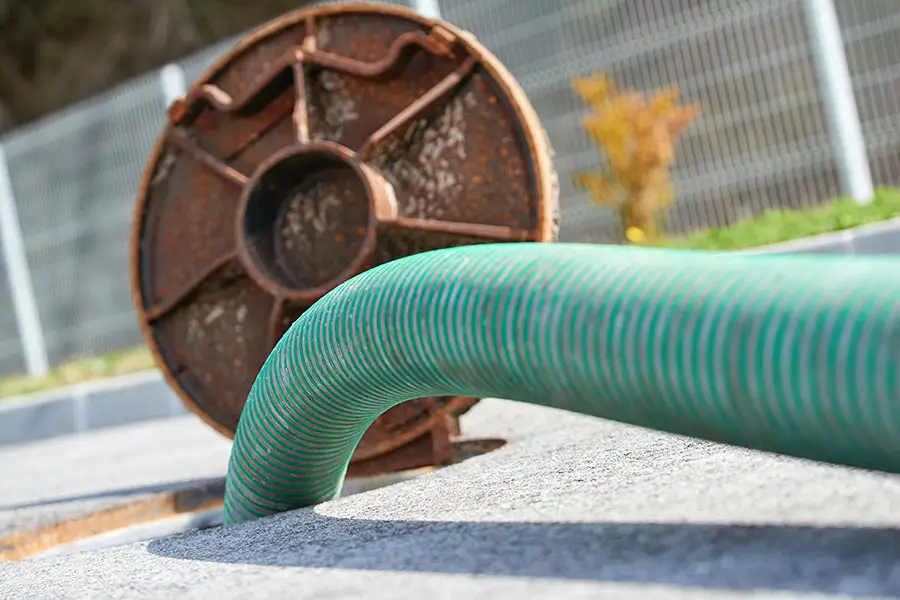
Eco-friendly sewer cleaning

Maximizing Home Health: The Advantages of Eco-Friendly Sewer Cleaning Methods

Are you struggling with unpleasant odors and bacteria buildup in your home’s sewer system? You’re not alone. Many homeowners face these issues, but eco-friendly sewer cleaning methods offer an effective and safe solution for your family. This article will compare traditional cleaning techniques with greener alternatives, outline the benefits of eco-friendly sewer cleaning, and guide you on implementing these practices at home. By focusing on these solutions, you can improve your home’s health and avoid costly emergencies related to sewer problems.

Recognizing the Role of Sewer Maintenance in Home Health

Sewer maintenance is pivotal in your family’s well-being, affecting everything from health to comfort. Recognizing warning signs of sewer problems, such as slow drains or unusual odors, can prevent bigger issues. Additionally, understanding the connection between sanitary sewer systems and indoor air quality is vital. This section will address how trenchless technology and specialized nozzles can effectively manage organic matter, ensuring a clean and healthy home environment.

How Sewer Issues Affect Your Family’s Well-Being

Ignoring sewer issues can lead to significant health concerns for your family. For instance, a small leak in your bathroom can allow harmful bacteria and debris to enter your home, impacting indoor air quality and potentially causing illness. Staying proactive with sewer maintenance, including leak detection, can help you identify and resolve these problems before they escalate into more serious situations.

Furthermore, debris accumulation in your sewer lines can lead to slow drainage, fostering mold growth and unpleasant odors. This can create an uncomfortable living environment and harm your family’s well-being. By opting for eco-friendly sewer cleaning methods, you ensure the efficient removal of debris and promote a healthier home atmosphere for everyone.

Identifying Warning Signs of Sewer Problems

Awareness of the warning signs of sewer problems can be your first defense against potential hazards. For instance, if you notice slow drains throughout your home, this could indicate a clog in your sewer lines that needs immediate attention. An eco-friendly drain cleaner, particularly those containing hydroxide, can help break down blockages without compromising your home’s ecosystem or releasing harmful chemicals into your environment.

Unpleasant odors and gurgling sounds from your drains are also red flags indicating underlying sewer issues. These symptoms often suggest that waste and organic matter accumulate, leading to further complications if left unaddressed.

The Connection Between Sewers and Indoor Air Quality

The connection between sewer systems and indoor air quality is often underestimated. When sewer problems occur, such as clogs in pipes or backups, they can release harmful gases and odors that affect your home’s air. Utilizing hydrojetting services can effectively clear blockages and prevent such issues, ensuring that unpleasant smells and hazardous air do not compromise your family’s health.

Additionally, chemical reactions caused by the buildup of organic matter in your sewer lines can release toxins into your home’s atmosphere. Regular maintenance through eco-friendly sewer cleaning methods, such as hydrojetting, prevents drips and leaks in your shower and maintains a cleaner, safer indoor environment.

Comparing Traditional and Eco-Friendly Sewer Cleaning Techniques

Conventional sewer cleaning methods can pose risks, including corrosion of pipes and the potential for harsh chemicals to enter the soil. These approaches often rely on heavy-duty cleaners that struggle to eliminate soap scum and other organic buildup. In contrast, eco-friendly solutions provide significant benefits, from reducing environmental impact to safeguarding your home’s plumbing system. This section will explore the drawbacks of traditional cleaning techniques and highlight the advantages of switching to sustainable practices.

Drawbacks of Conventional Sewer Cleaning Methods

Conventional sewer cleaning methods often rely on harsh chemicals like acetic acid, which can erode pipes and compromise the efficiency of your sewer line. These aggressive substances can create more problems than they solve, as frequent use may lead to damage that requires costly repairs or replacements. This approach not only puts your plumbing system at risk but also affects the overall health of your home’s environment.

Additionally, traditional methods can lead to water contamination and harmful runoff, adversely impacting local ecosystems. The reliance on heavy-duty pumps to force through clogs can exacerbate these issues, creating a cycle of dependence on aggressive cleaning that does not address the root cause of the blockages.

Benefits of Switching to Eco-Friendly Solutions

Switching to eco-friendly sewer cleaning solutions can significantly reduce the risks associated with traditional methods. For example, using a high-pressure hose for hydrojetting effectively removes waste from clogged sewer lines without the need for harsh chemicals that can damage your plumbing. This method prevents potential blockages and ensures that your home’s environment remains safe and healthy for your family.

In addition to improving the overall health of your plumbing system, eco-friendly solutions contribute to a sustainable environment. Eliminating corrosive substances you help reduce soil contamination and protect local water sources from harmful runoff. Opting for green alternatives meets your household’s needs and promotes a healthier community for everyone.

Environmental Impact of Cleaning Choices

The environmental impact of your cleaning choices regarding drain cleaning and sewer line repair is significant. Conventional methods often rely on harsh chemicals that can lead to water damage and soil contamination, posing risks to local ecosystems. By selecting eco-friendly solutions, you can minimize these effects, helping to preserve natural resources and maintain the longevity of your plumbing system.

Advantages of Eco-Friendly Sewer Cleaning Methods

Promoting a Healthier Living Environment

By opting for eco-friendly cleaning agents over traditional chemical drain cleaners, you contribute to a healthier living environment for your family. Unlike harsh acids that can damage your plumbing system, these sustainable alternatives effectively break down waste while safeguarding your pipes. For instance, using a hydro jet provides a safe and efficient way to clear clogs without introducing harmful substances into your home or the surrounding environment.

Moreover, prioritizing eco-friendly plumbing services enhances indoor air quality by reducing the release of toxic fumes associated with conventional cleaning methods. You minimize potential hazards by eliminating the need for corrosive chemicals, allowing your household to breathe cleaner air. This not only fosters a more comfortable living space but also underscores your commitment to sustainability and the well-being of your family.

Preserving Natural Resources and Reducing Pollution

When you choose environmentally friendly sewer cleaning methods, you significantly contribute to preserving natural resources. Simple mixtures like vinegar combined with baking soda can effectively clean drains without introducing harmful chemicals into the ecosystem. This approach minimizes pollution and protects local waterways from contamination caused by conventional cleaning agents, enhancing the long-term sustainability of your community.

Moreover, eco-friendly practices in sewer maintenance reduce the overall environmental impact of waste disposal. Traditional methods often lead to toxic runoff that adversely affects soil and water quality. By adopting sustainable techniques, you help ensure that your household contributes less to pollution while promoting healthier living conditions for your family and neighbors. This commitment to sustainability fosters a cleaner environment, benefiting everyone in your community.

Enhancing Sewer System Efficiency and Longevity

Implementing eco-friendly sewer line cleaning methods, such as hydro jetting, significantly enhances the efficiency and longevity of your home’s plumbing infrastructure. Unlike traditional methods that may introduce harmful substances into your pipes, hydro jetting uses high-pressure water to remove blockages, including oil and grease buildup, without causing damage. This means fewer repairs and a reduced likelihood of future clogs, resulting in a smoothly operating sewage system.

Moreover, by maintaining a clean sewer system, you support the overall health of your community’s streams and local waterways. When you choose sustainable practices for sewer line cleaning, you protect your home while contributing to environmental preservation.

Exploring Eco-Friendly Sewer Cleaning Techniques

High-Pressure Water Jetting and Its Benefits

High-pressure water jetting is an effective solution for maintaining clean sewer lines while prioritizing eco-friendly practices. This technique uses high-pressure water streams to break down clogs and remove mineral deposits that can accumulate over time, promoting optimal drainage in your home. Using this method reduces the need for harsh chemicals, ensuring that your plumbing system, including sinks and other critical areas, remains intact and functional.

Additionally, high-pressure water jetting contributes to water conservation by preventing the need for frequent repairs that can lead to leaks and inefficient water use. Unlike traditional methods that might rely on substances like sodium bicarbonate to treat clogs, water jetting tackles issues directly at the source. This proactive approach not only enhances the lifespan of your plumbing infrastructure but also ensures a healthier environment for your family, free from the risks associated with chemical cleaners.

Utilizing Biodegradable Cleaning Agents

Utilizing biodegradable cleaning agents presents a practical solution for maintaining your sewer system while prioritizing your family’s health. These agents effectively break down organic materials without introducing harmful substances, allowing you to address common plumbing issues without the risks associated with harsh chemicals like sodium hydroxide. By choosing biodegradable options, you can enhance water efficiency in your home and reduce carbon footprints, contributing to a healthier environment for your family and community.

Incorporating biodegradable cleaning solutions into your routine plumbing maintenance offers significant benefits, such as reducing the likelihood of pipe corrosion and extending the lifespan of your plumbing infrastructure. For example, opting for plant-based cleaners not only effectively removes clogs but also ensures that harmful runoff is minimized. By embracing these eco-friendly plumbing solutions, you proactively protect your home’s environment and support water conservation efforts.

Mechanical Cleaning Without Harmful Chemicals

Mechanical cleaning methods, such as augering, are effective for maintaining your sewer pipelines without harmful chemicals. Utilizing specialized tools to remove sediment and blockages ensures that your plumbing system remains intact and functional while safeguarding your family’s health. This approach enhances the efficiency of your sewer lines and minimizes the risks associated with conventional chemical cleaners.

In addition to preserving your plumbing infrastructure, mechanical cleaning offers the benefit of being environmentally responsible. By choosing this method, you can effectively address clogs and buildup without introducing harmful substances into your home’s environment. This eco-friendly solution provides a sustainable way to keep your sewer system operating smoothly, ensuring a healthy living space for you and your family.

Incorporating Natural Enzyme Treatments

Incorporating natural enzyme treatments into your sewer maintenance routine can greatly enhance the health of your home. These treatments contain beneficial bacteria and enzymes that effectively break down organic matter, grease, and waste without harmful chemicals. By using enzyme-based cleaners regularly, you can prevent buildup that leads to clogs and slow drains, ensuring smoother operation of your plumbing system while creating a safer environment for you and your family.

Furthermore, natural enzyme treatments prioritize sustainability, as they are biodegradable and safe for the environment. When you choose these eco-friendly solutions, you help reduce the introduction of harsh pollutants into your home and local waterways. By opting for enzyme treatments, you not only support a healthier plumbing system but also contribute to the overall well-being of your community, making it a worthwhile investment in your family’s health.

Implementing Eco-Friendly Sewer Maintenance at Home

Implementing eco-friendly sewer maintenance at home involves taking strategic preventative measures to avoid clogs, utilizing DIY methods for sustainable sewer care, and recognizing when to seek professional help. Each of these aspects is essential for maintaining a healthy home environment. Understanding these techniques ensures your sewer system functions efficiently, minimizing environmental impact and promoting your family’s well-being.

Preventative Measures to Avoid Clogs

Regular maintenance is essential to effectively avoid clogs in your home’s plumbing system. One practical step is to monitor what goes down your drains; avoid disposing of grease, food particles, or non-biodegradable materials. A fine mesh strainer can help catch larger debris before it enters your sewer system, preventing buildup that could lead to clogs and subsequent repairs.

Another proactive measure is to periodically flush your drains with hot water and eco-friendly cleaning solutions. This simple practice helps break down accumulated grease or organic matter and keeps your pipes flowing smoothly. Establishing a routine for DIY maintenance not only prevents clogs but also promotes the overall efficiency of your plumbing system, ultimately maximizing your home’s health.

DIY Methods for Sustainable Sewer Care

Adopting DIY methods for sustainable sewer care can significantly enhance the long-term health of your plumbing system. For example, regularly pouring vinegar and baking soda down your drains can effectively break down grease and organic buildup. This simple, eco-friendly solution not only cleans your pipes but also minimizes the risk of clogs, ensuring that your sewer system functions optimally.

In addition to using natural cleaners, you can implement preventive practices such as regularly checking and maintaining your drains. A fine mesh screen over your sink and shower drains prevents debris and food particles from entering your sewage system. These small, proactive steps contribute to a healthier home environment while reducing reliance on harsh chemicals and professional interventions, promoting overall family well-being.

Knowing When to Seek Professional Help

Knowing when to seek professional help for your sewer system is vital for maintaining a healthy home environment. If you notice persistent slow drains, foul odors, or gurgling sounds, these symptoms may indicate serious blockages that require immediate attention. Enlisting the expertise of a qualified sewer maintenance professional ensures that your sewer cleaning is performed using eco-friendly methods that protect both your plumbing system and the environment.

Additionally, if you’ve tried DIY methods without success or if your sewer problems are recurring, it’s a clear sign that professional intervention is necessary. Professionals are equipped with the appropriate tools and knowledge to diagnose underlying issues effectively.

Choosing the Right Eco-Friendly Sewer Cleaning Professional

What to Look for in an Eco-Conscious Service Provider

When selecting an eco-conscious sewer cleaning professional, prioritize companies committed to environmentally friendly practices. This can include asking about their methodologies, such as using biodegradable cleaners, hydrojetting techniques, and their approach to minimizing harmful chemical use. Ensuring that your service provider adheres to sustainable practices benefits your plumbing system and contributes to the overall health of your home environment.

Additionally, look for certifications or affiliations with environmental organizations to verify their commitment to eco-friendly sewer cleaning. A reputable professional should be transparent about their techniques and the materials they use and provide examples of past projects that emphasize sustainability.

Questions to Ask Potential Companies

When choosing an eco-friendly sewer cleaning professional, inquire about their green practices. Ask how they ensure the use of biodegradable cleaning agents and what methods they employ to minimize environmental impact. Understanding their commitment to sustainable techniques will help determine if their approach aligns with your family’s health needs and values.

Additionally, it’s important to ask about their experience with eco-friendly solutions in sewer cleaning. Request examples of past projects where they implemented sustainable methods and how those choices positively impacted their clients’ homes. This knowledge not only shows their expertise but also assures you that they prioritize both the efficiency of your plumbing system and the well-being of your household.

Verifying Certifications and Eco-Friendly Practices

When seeking an eco-friendly sewer cleaning professional, verifying their certifications is essential. Look for companies that hold certifications from recognized environmental organizations, which indicates a commitment to sustainable practices. Engaging with certified professionals ensures that they know about eco-friendly solutions and follow industry best practices that prioritize your plumbing system and the environment.

Additionally, inquire about the specific eco-friendly practices they implement in their work. A reputable service provider should be transparent about using biodegradable cleaners, hydrojetting techniques, and strategies for minimizing harmful chemicals. By doing your due diligence, you can select a sewer cleaning expert dedicated to maximizing your home’s health while employing environmentally responsible methods.

Conclusion

Maximizing home health through eco-friendly sewer cleaning is essential for maintaining a safe and comfortable living environment. By promptly recognizing and addressing sewer issues, families can prevent health hazards and improve indoor air quality. Sustainable practices protect plumbing systems and promote environmental conservation and community well-being. Embracing these eco-friendly solutions empowers you to create a healthier home for your family while safeguarding the planet for future generations.

Frequently Asked Questions

How does sewer maintenance impact home health?
Regular sewer maintenance prevents issues like slow drains, bad odors, and harmful bacteria buildup, helping maintain a healthier living environment for your family.
What are some warning signs of sewer problems?
Slow drains, unpleasant odors, and gurgling indicate that your sewer system needs attention.
How do sewer problems affect indoor air quality?
Sewer blockages can release harmful gases and odors into your home, negatively impacting air quality and your family’s health.
What are the risks of traditional sewer cleaning methods?
Traditional methods often use harsh chemicals that can corrode pipes, damage plumbing systems, and lead to environmental harm through soil and water contamination
What are the advantages of eco-friendly sewer cleaning?
Eco-friendly methods, like hydro jetting, effectively remove blockages without using harmful chemicals, protecting your plumbing and the environment.

Kitchen plumbing leaks

Essential Guide to Identifying Kitchen Plumbing Leaks

Are you aware that a small kitchen leak can lead to significant water damage over time? In this essential guide to identifying kitchen plumbing leaks, you’ll learn about common causes, early signs to watch for, and effective inspection methods. By understanding these key aspects, you can address leaks quickly and prevent costly plumbing repairs. This content will empower you to identify potential leaks in your water supply and take proactive steps to safeguard your kitchen against major issues, ensuring a well-maintained home.

Understanding Common Causes of Kitchen Plumbing Leaks

Common causes of kitchen plumbing leaks often stem from age and wear of pipes and fittings, leading to deterioration over time. Corrosion and material degradation can further complicate matters. Additionally, loose connections and joints contribute to leaks, while high water pressure can exacerbate these issues. Damage from freezing temperatures or external forces can also create vulnerabilities in your plumbing system.

Understanding these factors is crucial for effective leak detection. Employing smart sensors and regular checks on valves can help mitigate risks while seeking expert leak detection services, which ensures that any issues are addressed promptly and maintains the integrity of your kitchen’s drain system.

Age and Wear of Pipes and Fittings

As your plumbing ages, pipes and fittings may deteriorate, increasing the risk of water line leaks. Over time, the materials that make up your plumbing can corrode, weakening connections and eventual failures. Being proactive in monitoring the condition of your pipes can help prevent costly emergency repairs and minimize potential water damage to your ceiling and walls.

It is important to recognize the signs of wear before a leak occurs. Regular inspections allow you to identify any weak spots that may lead to water leaks. For instance, if you notice any discoloration or dampness on surfaces around your kitchen plumbing, address the issue immediately to avoid extensive repair costs and further damage to your home.

Corrosion and Material Degradation

Corrosion and material degradation are significant contributors to kitchen plumbing leaks. Over time, exposure to water and various chemicals can cause pipes, especially those made from metal, to corrode. This degradation weakens pipes, making them more susceptible to leaks. If you notice water stains or damp spots around your kitchen, it may indicate a corroded pipe that requires immediate attention to prevent further damage and costly repairs.

Regular leak detection is essential for maintaining your plumbing system. High water pressure can accelerate corrosion, leading to faster deterioration of plumbing materials. By investing in routine inspections and being vigilant about signs of leaks, you can address potential issues before they escalate.

Consider Local Water Report Findings

Your local water report is a valuable resource that provides insights into tap water quality. It typically includes information on contaminants such as heavy metals and bacteria that may be present in your water supply. By reviewing these findings, you can identify whether specialized systems, like a reverse osmosis (RO) unit or a specific filter under the sink, are necessary to address your needs effectively. Understanding these details allows you to choose the best filter for sink applications, ensuring cleaner and safer water for your household.

Loose Connections and Joints

Loose connections and joints in your kitchen’s plumbing can lead to significant water leaks, often unnoticed until they cause damage. If you experience any damp spots on your drywall or in your basement, it’s possible that misaligned or improperly tightened pipes are to blame. Regular inspections for these potential weak points can save you from costly repairs and prevent further complications in your plumbing system.

In addition to being vigilant about visible signs of leaking, consider scheduling professional leak detection services if you suspect an issue. These services can accurately identify problematic connections that are not easily visible, ensuring your pump and piping systems function smoothly.

Effects of High Water Pressure

High water pressure in your kitchen plumbing can significantly increase the likelihood of leaks. When the water pressure exceeds the recommended levels, it places additional stress on pipes and fittings, potentially leading to failures. Regular plumbing leak detection is vital to detect any irregularities, as even small leaks can escalate and contribute to a costly flood in your home.

Damage From Freezing or External Forces

Damage from freezing temperatures can lead to significant plumbing issues in your kitchen. When water in pipes freezes, it expands, creating intense pressure that may cause pipes to crack or burst. This situation often necessitates immediate attention, making prompt leak detection services essential to minimize water damage and costly repairs.

External forces, such as heavy objects or shifts in the foundation, can also contribute to plumbing leaks. For instance, if your sump pump malfunctions or your dishwasher is improperly installed, leaks may go unnoticed until significant damage occurs. Regular inspections as part of your plan can help identify these vulnerabilities and prevent future leaks, ensuring your kitchen remains dry and functional.

Early Signs of Kitchen Plumbing Leaks to Watch For

Unexplained increases in water bills, sounds of dripping or running water, and damp or discolored areas under the sink are common indicators of potential leaks. Also, mold or mildew in cabinets or walls and unusual odors from drains could signal serious issues like a slab leak. This section will detail these signs and guide you on what to inspect for effective leak detection.

Unexplained Increases in Water Bills

An unexplained increase in your water bill can be a significant indicator of potential kitchen plumbing leaks. When water flows continuously due to a leak, it raises your expenses and puts your home at risk for further damage. By closely monitoring changes in your utility invoices, you can quickly identify these issues and take appropriate action, preventing more serious complications, such as mold growth or water damage.

Sounds of Dripping or Running Water

Sounds of dripping or running water can clearly indicate potential plumbing issues in your kitchen. If you frequently hear water dripping from your sink or the sound of constant water running, it may suggest underlying problems such as a toilet leak or a faulty faucet. Addressing these sounds early can prevent further damage, such as mildew growth and additional plumbing repair costs.

Damp or Discolored Areas Under the Sink

Mold or mildew in your kitchen cabinets or walls can indicate a hidden plumbing leak that needs immediate attention. This growth typically thrives in damp environments where moisture accumulates due to leakage, leading to health risks and structural damage if not addressed promptly. Regularly inspecting these areas can help you catch signs early, allowing you to maintain a safe and clean kitchen environment for your family.

If you spot mold or mildew, consider tracing the source to see if it correlates with plumbing fixtures or pipes. For instance, a leak from a sink or dishwasher may lead to moisture buildup that fosters mold growth.

Unusual Odors From Drains or Cabinets

Unusual odors emanating from your drains or cabinets can indicate hidden plumbing leaks in your kitchen. These odors often arise from stagnant water accumulating due to minor leaks or slow drainage issues. If you notice a persistent foul smell, it may signal the presence of mold or mildew, both of which thrive in damp environments and can pose health risks to your family.

How to Inspect Your Kitchen for Plumbing Leaks

To effectively identify kitchen plumbing leaks, check under the sink for any signs of moisture. Next, examine pipes and hoses for wear, as this can indicate potential vulnerabilities. You should also monitor the water meter for unusual activity, test faucets and fixtures for drips, and inspect appliances connected to the water supply. Each step plays a crucial role in maintaining your kitchen’s plumbing integrity.

Checking Under the Sink for Moisture

Checking under the sink for moisture is crucial in identifying kitchen plumbing leaks. Start by removing any items stored in the cabinet to get a clear view of the space. Look for signs of water accumulation or dampness in the area, as these can indicate hidden leaks that may escalate into more significant problems if left unaddressed.

If you notice any discoloration or water stains on the cabinetry or floor, it’s essential to investigate further. Check the connections of your sink’s plumbing, including the supply lines and drainage pipes, for any loose fittings or damage.

Examining Pipes and Hoses for Wear

When examining pipes and hoses for wear, closely inspect visible and hidden areas for signs of damage or deterioration. Look for cracks, frays, or corrosion, particularly at connection points where leaks are more likely to occur. If you notice any discoloration or wet spots around the pipes, these could signify a potential problem that requires immediate attention.

Additionally, flex the hoses gently to see if they feel brittle or show any signs of weakness. Over time, exposure to fluctuating temperatures and water pressure can lead to hose degradation, making them prime candidates for leaks. Being proactive in monitoring the condition of your plumbing can save you from costly repairs and water damage in your kitchen.

Monitoring the Water Meter for Unusual Activity

Monitoring your water meter regularly is an effective way to identify kitchen plumbing leaks. Start by recording the current reading when no water is used in your home. After a few hours, recheck the meter; if the reading has changed, this may indicate a leak in your plumbing system that needs further investigation.

In addition to monitoring for changes, familiarize yourself with your home’s normal usage patterns. For instance, a sudden spike in the meter reading while your kitchen appliances aren’t in use might point to hidden leaks. This proactive approach allows you to address potential issues swiftly, protecting your kitchen from extensive water damage and costly repairs.

Testing Faucets and Fixtures for Drips

Testing your faucets and fixtures for drips is essential to identifying potential kitchen plumbing leaks. Start by turning off all water sources in your kitchen and then observe whether any faucets or fixtures continue to drip or leak. If you notice water pooling under a faucet or a steady drip from the spout, it may be time to replace washers, gaskets, or possibly even the entire fixture. Regular checks can save you from excess water use and prevent larger plumbing issues.

Inspecting Appliances Connected to Water Supply

Inspecting appliances connected to your water supply is crucial in identifying kitchen plumbing leaks. You should regularly examine areas around machines like dishwashers and refrigerators for signs of moisture. Pay attention to water lines and connections to ensure they are tight and free of damage, as loose or worn hoses can lead to leaks that escalate into larger issues.

If you notice any pooling water or damp spots near your appliances, acting quickly is essential. This could indicate a problem with the appliance itself or its connections. Addressing these concerns promptly helps maintain a dry kitchen and prevents costly repairs and water damage down the line.

When to Call a Professional Plumber

When persistent kitchen plumbing leaks persist despite your DIY efforts, consider calling a professional plumber. Leaks behind walls or under floors, significant water damage, and mold risks can raise serious concerns. If you’re facing challenges that require advanced leak detection equipment, a qualified plumber can resolve these immediate issues and help prevent future plumbing problems.

Persistent Leaks Despite DIY Efforts

If you continue to experience persistent leaks in your kitchen despite your best DIY efforts, it may be time to call a professional plumber. DIY methods can often address minor issues, but persistent leaks may indicate underlying problems that require specialized knowledge and equipment. A qualified plumber can perform a thorough inspection, pinpoint the exact source of the issue, and implement effective solutions to restore your plumbing system’s integrity.

Leaks Behind Walls or Under Floors

Leaks behind walls or under floors can create hidden damage that often goes unnoticed until significant issues arise. If you suspect that your plumbing has developed a leak in these areas, it is crucial to seek the expertise of a professional plumber. They utilize specialized tools and techniques to detect leaks not visible to the naked eye, allowing for prompt intervention before extensive damage occurs.

Significant Water Damage or Mold Risk

When you notice significant water damage or mold risk in your kitchen, acting quickly is crucial. Water stains on walls, ceilings, or under your sink can clearly indicate a leak that has gone unnoticed. Mold can not only jeopardize your family’s health but also compromise your home’s structural integrity, making it essential to seek professional plumber assistance as soon as you identify these issues.

Preventing Future Plumbing Issues

To prevent future plumbing issues in your kitchen, consider scheduling regular maintenance checks with a professional plumber. Regular inspections can help identify potential vulnerabilities in your plumbing system before they escalate into significant leaks, saving you from costly repairs. Additionally, making small adjustments, such as monitoring water pressure and checking fittings, can significantly enhance the longevity of your plumbing.

Investing in high-quality plumbing fixtures and appliances can also help prevent leaks and maintain the efficiency of your kitchen’s plumbing. Ensure that any newly installed equipment is connected correctly to avoid issues later. By being proactive and promptly addressing any signs of wear, you can maintain a functional kitchen environment, reducing the likelihood of leaks.

Preventative Measures to Avoid Kitchen Leaks

To prevent kitchen plumbing leaks, consider implementing regular maintenance and inspections, which help identify issues early. Upgrading old or corroded pipes can enhance the integrity of your plumbing system while properly installing appliances and fixtures further reduces the risk of leaks. Managing water pressure levels and insulating pipes against freezing temperatures are crucial steps to maintaining a leak-free kitchen environment.

Regular Maintenance and Inspections

Regular maintenance and inspections of your kitchen plumbing system are essential to prevent leaks before they escalate into costly repairs. By scheduling routine check-ups, you can identify vulnerable areas, such as aging pipes or loose connections, allowing you to address issues promptly. This proactive approach saves you money in the long run and ensures a safe environment for your household, reducing the risk of water damage.

Upgrading Old or Corroded Pipes

Upgrading old or corroded pipes is a crucial step in maintaining the integrity of your kitchen plumbing and preventing leaks. When you notice signs of wear, such as rust or discoloration, it’s a good idea to consider replacing those pipes. Modern materials, like PEX or PVC, offer enhanced resistance to corrosion and can significantly reduce the risk of future leaks, ensuring your kitchen stays dry and functional.

Investing in upgraded plumbing will mitigate the chances of leaks and improve the overall efficiency of your water system. Newer pipes are designed to withstand higher pressures and can help optimize water flow, which is particularly beneficial in busy kitchens.

Proper Installation of Appliances and Fixtures

Proper installation of appliances and fixtures is a critical step in preventing kitchen plumbing leaks. When connecting appliances like dishwashers and refrigerators, ensure that all hoses and fittings are tightly secured to avoid any potential leaks. Taking the time to double-check these connections can save you from the headache of water damage and costly repairs down the line.

Additionally, consider hiring a professional to install more complex fixtures to guarantee that they meet industry standards. A qualified plumber has the expertise to ensure that your appliances are installed safely and efficiently, reducing the risk of leaks caused by improper connections.

Managing Water Pressure Levels

Managing water pressure levels in your kitchen is essential for preventing plumbing leaks. High water pressure can stress pipes and fittings, increasing the risk of wear and eventual leaks. Regularly checking your water pressure with a gauge can help you maintain safe levels, typically between 40 and 60 psi, ensuring your plumbing system remains functional and leak-free.

Consider installing a pressure-reducing valve if your water pressure is consistently too high. This simple adjustment can protect your plumbing fixtures and appliances, reducing the likelihood of leaks while extending their lifespan.

Insulating Pipes to Prevent Freezing

Insulating your pipes is a proactive measure that can significantly reduce the risk of freezing during colder months. By wrapping pipes in insulation sleeves or using heat tape, you create a barrier that helps maintain a consistent temperature, keeping water flowing smoothly and preventing potential leaks. This simple yet effective solution protects your plumbing system and saves you from the inconveniences and costs associated with plumbing repairs.

Conclusion

Identifying kitchen plumbing leaks is essential for maintaining a safe and functional home environment. Recognizing early signs, such as unexplained water bills and unusual sounds, empowers you to address issues promptly and avoid costly repairs. Regular inspections and preventative measures, like upgrading old pipes and monitoring water pressure, enhance the longevity of your plumbing system. By prioritizing leak detection, you safeguard your kitchen, protect your property, and ensure peace of mind for your household.

Frequently Asked Questions

What are the common causes of kitchen plumbing leaks?
Common causes include aging pipes, corrosion, loose connections, and high water pressure.
How does the age of pipes affect plumbing leaks?

Older pipes are more prone to deterioration, leading to weakened connections and potential leaks.

What role does corrosion play in kitchen leaks?
Corrosion weakens pipes over time, making them more susceptible to leaking, especially in metal piping systems.
Why do loose connections lead to plumbing leaks?
Loose or improperly tightened connections can cause leaks, often unnoticed until water damage appears.
How can high water pressure cause leaks?
Excessive water pressure stresses pipes and fittings, increasing the risk of leaks and failures in the plumbing system.

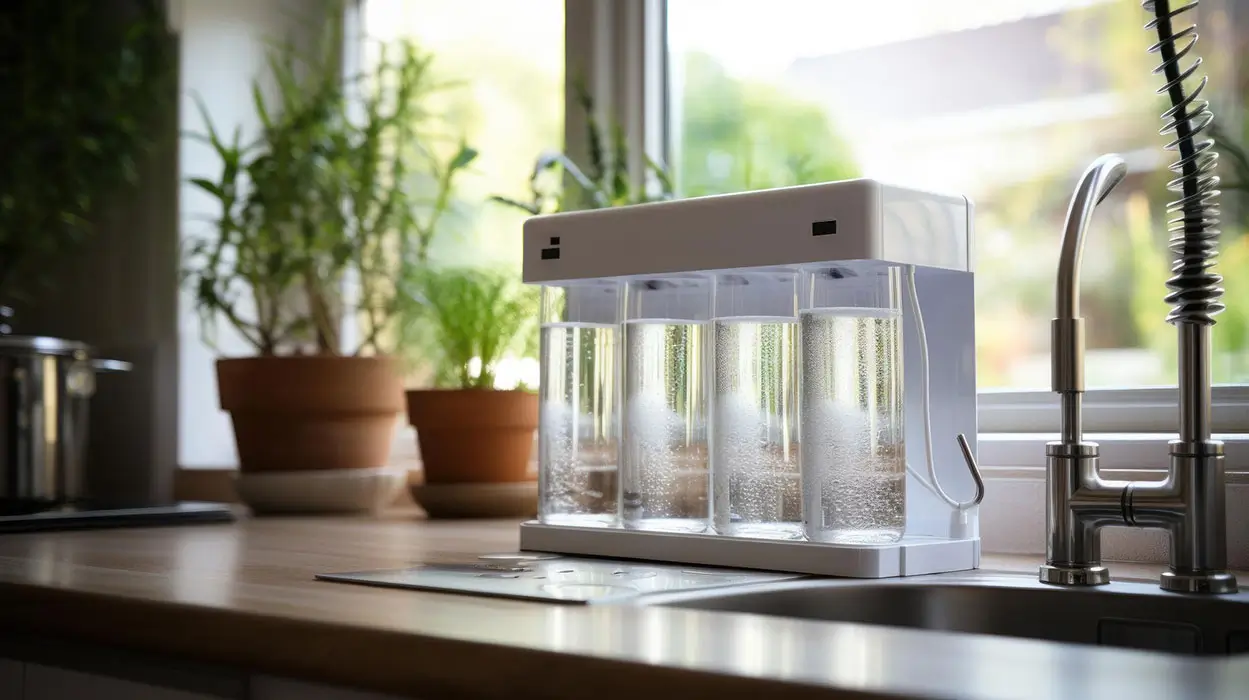
Modern countertop water filtration system in a kitchen

Selecting the Right Water Filtration System for Your Kitchen

Is your kitchen water not meeting your family’s health standards? Many households face common water quality issues, such as high calcium levels or contaminants affecting taste and safety. In this guide, you’ll learn how to identify your specific water quality concerns, explore various filtration technologies, and determine the best system that fits your needs, including options like stainless steel and membrane filters. You will discover how selecting the right water filtration system ensures safe drinking water and enhances your kitchen experience, backed by reliable customer service.

Identify Your Kitchen’s Water Quality Issues

You must first identify your water quality issues to select the right water filtration system for your kitchen. Start by testing your tap water for contaminants like lead and other harmful minerals. It also recognizes signs of hard water, which affects taste and appliance efficiency. Finally, consider findings from your local water report to gauge any widespread contamination issues that may necessitate specialized filtration solutions, like an RO filter under the sink.

Test Your Tap Water for Contaminants

Testing your tap water for contaminants is an essential first step in ensuring the quality of the drinking water in your kitchen. You can begin using home testing kits, which are available at various stores or online. These kits can assess the presence of harmful substances, including cryptosporidium and lead, helping you determine which filtration solutions, like sink faucet filters, may be necessary. If you find high levels of contaminants, this can prompt you to upgrade your system or use a comprehensive solution like a reverse osmosis (RO) filter.

Regular testing is vital to monitor ongoing water quality, especially if your area has known issues, such as elevated lead levels. Additionally, it’s wise to maintain your filtration systems by regularly replacing filters. For instance, a convenient replacement filter can keep your carbon and other filtration systems functioning effectively to ensure clean and tasty water. Some filtration systems even come with a limited warranty, providing peace of mind regarding their performance and durability as long as you adhere to the maintenance guidelines.

Recognize Signs of Hard Water

If you’ve noticed a limescale buildup on your faucets or appliances, it may be a sign that your tap water has high hardness levels. Hard water contains high concentrations of minerals, particularly calcium and magnesium, which can decrease the efficiency of your dishwasher and water heater. Choosing a filtration system with NSF certifications can help you ensure that it effectively reduces these minerals, leading to better performance of your kitchen appliances.

Another indication of hard water is the presence of spots on glassware and dishware after washing. This residue can be unappealing and may suggest the need for an under-sink filter water system designed to handle hard water issues. High-capacity filtration systems can also improve the overall quality of your water, improving both taste and safety for you and your family. By recognizing these signs of hard water, you can decide on the best water filtration system for your kitchen needs.

Consider Local Water Report Findings

Your local water report is a valuable resource that provides insights into tap water quality. It typically includes information on contaminants such as heavy metals and bacteria that may be present in your water supply. By reviewing these findings, you can identify whether specialized systems, like a reverse osmosis (RO) unit or a specific filter under the sink, are necessary to address your needs effectively. Understanding these details allows you to choose the best filter for sink applications, ensuring cleaner and safer water for your household.

Explore Different Water Filtration Technologies

Understand Activated Carbon Filters

Activated carbon filters are a popular option for enhancing water quality in your kitchen sink. These filters are designed to effectively remove contaminants such as chlorine, which can cause unpleasant odors and tastes in your drinking water. For instance, an activated carbon filter from Aquasana can significantly improve the taste of your water, providing a fresher and cleaner drinking experience, especially if you live in an area with treated water containing high chlorine levels.

In addition to chlorine, activated carbon filters can reduce other harmful substances like chromium, often found in municipal water systems. By choosing a reliable filtration system that utilizes activated carbon technology, you create a healthier environment for your family. This is particularly important if you are concerned about the presence of these contaminants, as it helps ensure that the water you consumeand use for cookingis as pure as possible.

Learn About Reverse Osmosis Systems

Reverse osmosis (RO) systems offer a highly effective solution for enhancing the water quality in your kitchen. They work by utilizing a semi-permeable membrane to remove contaminants, including harmful substances like lead and chlorine. This filter system not only provides cleaner drinking water but also reduces the presence of unwanted minerals, such as potassium, that can affect taste and health. Although the price of these systems can vary, many homeowners find that the long-term benefits justify the investment, ensuring safe and purified water for their families.

One of the standout features of reverse osmosis systems is their environmentally friendly approach to water purification. By filtering out contaminants and reducing waste, these systems help promote a healthier planet while providing clean water. As you evaluate different options for your kitchen, consider how an RO filter can align with your household’s water quality needs and environmental values, delivering both immediate and long-term advantages for you and your family.

Evaluate Ultraviolet (UV) Purification Options

Ultraviolet (UV) purification systems effectively enhance your kitchen’s water quality by targeting harmful microorganisms without adding chemicals. These systems utilize UV light to deactivate bacteria, viruses, and other pathogens that can compromise your family’s health. When selecting a UV system, make sure it meets standards set by the American National Standards Institute to ensure reliability and safety in your water supply.

In addition to pathogen elimination, UV purification systems can be integrated into various plumbing setups, including direct connect systems that minimize the need for extensive installations. While UV filters do not reduce fluoride or minerals, they can complement other filtration methods, such as water softening systems, which address hardness issues in your water. Choosing the right combination of filtration technologies ensures that your kitchen has clean, safe water tailored to your family’s needs.

Discover Ion Exchange Methods

Ion exchange is a highly effective method for water purification, particularly when addressing issues related to total dissolved solids (TDS) and hard water. This process works by exchanging unwanted ions in your water with less harmful ones. For instance, calcium and magnesium, which contribute to hardness, can be replaced with sodium ions through a specialized cartridge, ensuring your water is softer and safer for daily use.

Determine the Right Filtration System Type for Your Needs

Compare Under-Sink vs. Countertop Systems

Consider your kitchen’s specific needs and available space when deciding between under-sink and countertop filtration systems. Under-sink systems, such as the best under-sink filter options, are installed discreetly beneath your sink, offering a permanent solution for improved water quality while saving counter space. In contrast, countertop models, like the Brita filter under sink, are straightforward to install and maintain, making them ideal choices for renters or those seeking a portable solution.

Both systems effectively reduce contaminants, including sediment and harmful metals, but their functionality varies. Under-sink filters often provide higher filtration capacity and efficiency due to their advanced technologies, which make them suitable for frequent water usage. Countertop systems, while beneficial, may require more frequent filter changes and may not be as robust in filtering out brass or other metals, depending on their design. Assessing your household’s water needs can guide you toward the best filtration solution for ensuring clean and safe drinking water.

Assess Faucet-Mounted Filters

Faucet-mounted filters provide a convenient solution for improving the quality of your drinking water with minimal installation efforts. These filters attach directly to your faucet, allowing you to enjoy clean water on demand by simply flipping a switch. Look for models certified by NSF International to ensure they effectively reduce contaminants like microplastics and heavy metals, making your drinking water safer for you and your family. Additionally, many faucet-mounted systems can filter many gallons before needing replacement, offering a practical and cost-effective option.

When assessing faucet-mounted filters, consider the materials used in their construction, such as durable stainless steel, to ensure longevity and performance. These filters not only help remove impurities but also enhance the taste of your water, making it more enjoyable. Moreover, they often feature a compact design that doesn’t take up extra space in your kitchen, which is beneficial for households with limited counter area.

Consider Whole-House Filtration Systems

Whole-house filtration systems effectively ensure purified water throughout your home, addressing not only the sink but also every faucet and appliance. Investing in this system allows you to choose consistent water quality that enhances the taste of the water you use for cooking, drinking, and cleaning. Evaluating models with a warranty is important to safeguard your investment and guarantee performance over time.

When selecting a whole-house filter for sink water, consider how it can meet your broader household needs. These systems can reduce contaminants ranging from heavy metals to chlorine, providing you and your family peace of mind. While many homeowners opt for the best under-sink water filtration systems, a whole-house approach allows for improved water quality across all your plumbing fixtures, ensuring every drop counts.

Evaluate Portable Water Filter Pitchers

Portable water filter pitchers are a practical and cost-effective solution for improving your kitchen’s water quality. They are easy to use and require no installation, making them ideal for households that want immediate access to cleaner drinking water without needing extensive plumbing services. Simply filling the pitcher with tap water allows you to enjoy filtered water that reduces contaminants like chlorine and heavy metals, ensuring a healthier choice for your family.

When evaluating portable water filter pitchers, consider their filtration capacity and replacement filter frequency. Many models use activated carbon and other filtration technologies to enhance taste and safety, with some able to effectively filter out specific pollutants. Additionally, these pitchers are often compact, making them suitable for kitchens with limited counter space. By choosing the right pitcher, you can address your water quality concerns and enjoy refreshing water conveniently and easily.

Consider Installation and Maintenance Requirements

When selecting a water filtration system for your kitchen, consider key factors like the possibility of DIY installation, the necessity for regular filter replacements, and understanding maintenance costs. Ensure the chosen system’s compatibility with your plumbing to avoid issues. Each of these elements is crucial in determining your water filtration solution’s overall efficiency and convenience.

Check for DIY Installation Possibilities

When selecting a water filtration system for your kitchen, it’s important to consider whether the installation can be done as a DIY project. Many systems are designed for easy installation, allowing you to set them up without needing professional help, which can save you money. For instance, countertop filters typically require minimal tools. They can be functional within a few minutes, making them an appealing option for those looking to enhance their water quality with little hassle.

However, some systems, like under-sink or whole-house filters, may require more complex plumbing work. In these cases, you should assess your comfort level and skill with such installations. If you prefer a hassle-free approach, look for models with detailed instructions and all necessary components, or consider hiring a professional.

Plan for Regular Filter Replacements

Planning for regular filter replacements is crucial to maintaining the effectiveness of your water filtration system. Over time, filters can become clogged with contaminants, reducing their ability to purify water effectively. Many manufacturers provide specific guidelines on how often you should replace filters, which can range from every few months to once a year, depending on your usage and type of filtration system.

To ensure that your kitchen always has clean water, consider setting a reminder for filter replacements based on the manufacturer’s recommendations. Keeping track of when to change your filters will help avoid issues like reduced water quality and unpleasant tastes. Additionally, invest in systems that are easy to replace, as this will simplify the maintenance process and provide ongoing peace of mind regarding your family’s drinking water safety.

Understand Maintenance Costs

Understanding maintenance costs is essential when selecting the right water filtration system for your kitchen. Different systems have varying costs associated with filter replacements, with some needing them more frequently than others. For example, an under-sink reverse osmosis system may require you to replace filters every six months, while a countertop model might only need changes once a year. By considering these factors, you can budget effectively and avoid unexpected expenses.

Ensure Compatibility With Your Plumbing

Ensuring compatibility with your plumbing is vital when selecting a water filtration system for your kitchen. Before purchasing, you should carefully assess your current plumbing configuration, including pipe sizes and available connection points. This evaluation helps you avoid installation complications and guarantees that the filtration system functions effectively within your setup.

Many filtration systems, such as under-sink or faucet-mounted options, require specific fittings or adapters for proper installation. Reviewing the manufacturer’s specifications can help you determine if additional materials are needed. Proper compatibility streamlines the installation process and enhances the system’s performance, ensuring that you receive the clean and safe water you expect for your household.

Set a Budget and Compare Costs

When selecting the right water filtration system for your kitchen, it’s essential to set a budget that balances initial investment with potential long-term savings. Evaluate energy efficiency options to reduce ongoing costs and look for warranties and service plans that provide peace of mind. Investigate financing or payment plans that can make your investment more manageable, ensuring the best value for your household.

Calculate Initial Investment vs. Long-Term Savings

When evaluating the initial investment for a water filtration system, consider the purchase price, installation fees, and any necessary accessories. Many systems offer varying price points, so it’s essential to find one that meets your water quality needs without exceeding your budget. For example, while a reverse osmosis setup may have a higher upfront cost, its long-term benefits, including improved water quality and potential savings on bottled water, can make it a worthwhile investment.

Calculating long-term savings involves assessing ongoing costs linked to filter replacements and maintenance, which can significantly impact your overall budget. Systems that require less frequent filter changes may seem more expensive initially but can lead to lower costs over time.

Explore Energy Efficiency Options

When selecting a water filtration system, considering energy efficiency can significantly impact your long-term costs. Some systems, such as reverse osmosis units, consume more energy than others, which can add to your utility bills over time. By choosing energy-efficient options, you will save money and contribute to a more sustainable environment, aligning your household practices with cost-effective solutions.

Look for water filtration systems with energy-saving features, such as advanced filtration technologies requiring less power. For instance, systems that optimize flow rates can deliver clean water without drawing excessive energy. Investing in these efficient systems ensures that your kitchen remains both eco-friendly and economically sensible, ultimately providing cleaner water without the worry of rising energy costs.

Look for Warranties and Service Plans

When selecting a water filtration system for your kitchen, it is crucial to look for warranties and service plans. A good warranty not only protects your investment but also reflects the manufacturer’s confidence in the product’s reliability. If issues arise after installation, a service plan can simplify maintenance and ensure your system remains functional without incurring high unexpected costs.

Consult With Water Filtration Professionals

Consulting with water filtration professionals provides valuable insight when selecting the right system for your kitchen. These experts can assess your water quality issues and recommend appropriate filtration solutions tailored to your needs. For instance, if your local water report indicates high levels of contaminants, a professional can guide you through options such as under-sink reverse osmosis systems or activated carbon filters that effectively target those pollutants.

Conclusion

Selecting the right water filtration system for your kitchen is essential for ensuring clean and safe drinking water for you and your family. You can make informed decisions about the most suitable filtration technology by identifying water quality issues through testing and understanding local water reports. Evaluating systems, installation requirements, and maintenance needs will enhance your overall experience and satisfaction. Ultimately, investing in the right water filtration solution provides peace of mind, promoting better health and well-being in your household.

Frequently Asked Questions

How do I know if my kitchen water needs filtration?
Start by testing your tap water using a home testing kit for contaminants like lead, cryptosporidium, or signs of hard water (calcium buildup).
What are the signs of hard water in my kitchen?

Look for limescale buildup on faucets, inefficient appliances like dishwashers, or spots on glassware after washing.

What type of water filtration system should I choose for hard water?
Consider a filtration system with NSF certifications that targets minerals like calcium and magnesium to improve water quality and appliance efficiency.
How often should I test my tap water for contaminants?
Regular testing is recommended, especially if your local water report shows contamination risks, and always after installing or upgrading a filtration system.
What’s the best filtration option for removing lead and other contaminants?
Reverse osmosis (RO) filters effectively remove lead and other harmful substances from your tap water.

Water-efficient fixtures

Eco-Friendly Plumbing Solutions: Your Ultimate Guide to Water-Efficient Fixtures

Are you aware that household water usage can account for nearly 30% of total water resources? In today’s guide, we will explore eco-friendly plumbing solutions that help you conserve water and reduce energy consumption. You’ll learn about the top water-efficient fixtures for your shower and other areas in your home, along with installation tips to optimize your plumbing system. By making these upgrades, you can alleviate concerns about rising utility bills while contributing to a more sustainable environment. Discover how simple changes can lead to significant savings and better water management.

Understanding the Importance of Water-Efficient Fixtures

Traditional plumbing practices often lead to significant water waste, impacting our planet’s resources. By switching to water-efficient plumbing fixtures, you can greatly reduce water consumptionpotentially saving gallons that would otherwise be wasted. These fixtures are crucial in promoting sustainable living, especially in conserving drinking water, minimizing reliance on bottled water, and providing efficient solutions for installations such as urinals.

This section will explore the environmental impact of traditional plumbing, how water-efficient fixtures can reduce water use and the importance of plumbing in achieving sustainability goals.

The Environmental Impact of Traditional Plumbing

Traditional plumbing practices often rely on outdated systems that can lead to excessive water waste. For example, leaky valves and inefficient drainage can cause significant loss, impacting both your water bill and environmental sustainability. By understanding these issues, you can take steps to improve water conservation in your home or business.

Moreover, the methods used for installing drains can also contribute to resource inefficiency. Selecting modern, water-efficient fixtures allows you to address these common plumbing concerns, ensuring better performance and reduced environmental impact. Transitioning to these solutions is a proactive way to enhance your commitment to sustainability and improve your plumbing systems.

How Water-Efficient Fixtures Reduce Water Consumption

Water-efficient fixtures significantly reduce water consumption in both residential and commercial settings. By incorporating technologies such as low-flow faucets and dual-flush toilets, you can minimize water waste in places like bathrooms, where usage tends to be high. These fixtures not only conserve water but also help decrease energy usage, as less hot water means less energy is required for heating, which can lead to lower utility bills and reduced environmental impact.

In today’s world, with increasing concerns about water scarcity, installing water-efficient fixtures serves as a practical solution to this pressing issue. For instance, modern showerheads can provide a satisfying experience using significantly less water than traditional options. Transitioning to these eco-friendly plumbing solutions aligns with your commitment to sustainability while contributing to the overall efficiency of your home or business, ultimately ensuring a responsible approach to resource management.

The Role of Plumbing in Sustainable Living

Plumbing promotes sustainable living by ensuring that resources are utilized efficiently. You can dramatically reduce water consumption by opting for environmentally friendly plumbing solutions, such as low-flow faucets and dual-flush toilets. This is essential for reducing your environmental impact and minimizing costs associated with water heating and general utility bills.

In addition, the maintenance and installation of quality pipes can enhance your plumbing system’s efficiency. With modern fixtures in your sinks and bathrooms, you can prevent leaks and optimize water usage, paving the way for a more sustainable lifestyle. By making these changes, you contribute to a larger effort to conserve water and ensure that plumbing systems support healthy and sustainable communities.

Top Eco-Friendly Plumbing Fixtures for Your Home

Consider incorporating high-efficiency toilets (HETs), low-flow showerheads, and water-saving faucets and aerators into your home for enhanced water efficiency. Dual-flush toilet systems offer flexible flushing options, while greywater recycling systems can significantly reduce water supply needs. Each of these eco-friendly plumbing solutions contributes to environmental protection and can lower your utility bills, making them valuable choices for sustainable living.

High-Efficiency Toilets (HETs)

High-efficiency toilets (HETs) are designed to significantly reduce water consumption, making them an excellent choice for eco-conscious households. These toilets utilize advanced technology, such as dual flush systems, allowing you to choose between different flush volumes depending on the waste. This feature minimizes water usage per flush and supports sustainable practices like rainwater harvesting, where collected rainwater can be used for irrigation within your landscaping.

Implementing HETs in your home can lead to substantial savings on your water bill while promoting responsible water use. By choosing a model with effective heat transfer capabilities, you can enhance your home’s overall efficiency, increasing the comfort of your environment. With these toilets, you tackle both water consumption and high utility costs, all while contributing positively to environmental preservation.

Low-Flow Showerheads

Low-flow showerheads are a smart addition to any eco-friendly plumbing fixture lineup, effectively conserving water without sacrificing performance. These fixtures use innovative designs to maintain water pressure while reducing the overall flow, allowing you to enjoy your shower experience without wasting gallons of water. Switching to low-flow showerheads minimizes your environmental impact and contributes to green building practices that focus on sustainable living.

Fitting low-flow showerheads in your home can significantly save your water bill especially when combined with eco-friendly appliances like Energy Star-rated dishwashers and washing machines. With many models that work well with standard plumbing systems, upgrading your showerhead is a practical step toward enhancing your home’s water efficiency. This small change in your bathroom can impact your household’s overall water consumption and improve your commitment to a more sustainable lifestyle.

Water-Saving Faucets and Aerators

Water-saving faucets and aerators are essential fixtures that can help you conserve water while efficiently performing your daily tasks. These devices reduce flow rates, allowing you to use less water without sacrificing pressure, saving your utility bills. By incorporating these innovative plumbing solutions into your home, you actively contribute to resource conservation, demonstrating a commitment to sustainable living and responsible usage of water resources.

Dual-Flush Toilet Systems

Dual-flush toilet systems are designed to provide flexible flushing options, allowing you to choose between a high-volume flush for solid waste and a lower-volume flush for liquid waste. This simple distinction can lead to significant water savings, often reducing water use by up to 67% compared to traditional toilets. Incorporating a dual-flush system into your bathroom contributes to water conservation while maintaining the functionality and comfort you expect from modern plumbing fixtures.

In addition to their efficiency, dual-flush toilets are increasingly easy to install and fit seamlessly into most plumbing systems. Many models come with stylish designs and advanced functionality, ensuring they complement your home’s aesthetic while promoting sustainability. By making this upgrade, you address environmental concerns and lower your utility bills, reflecting a genuine commitment to responsible resource usage in your household.

Greywater Recycling Systems

Greywater recycling systems are an excellent way to conserve water in your home by reusing water from sources like sinks, showers, and washing machines. By implementing such a system, you can redirect this used water for irrigation or toilet flushing, effectively reducing water consumption. This helps minimize utility bills and contributes to a more sustainable household by conserving valuable freshwater resources.

Benefits of Upgrading to Water-Efficient Fixtures

Upgrading to water-efficient fixtures offers significant advantages. First, you can reduce your utility bills by conserving water, which lowers costs over time. Second, enhancing your home’s value and appeal becomes easy as modern fixtures attract potential buyers. Finally, these upgrades contribute to environmental conservation, helping to protect valuable water resources. Each of these benefits enhances your commitment to sustainable living.

Reducing Utility Bills

Upgrading to water-efficient fixtures can significantly reduce your utility bills. Installing low-flow faucets, high-efficiency toilets, and efficient showerheads can decrease water consumption without compromising performance. This reduction minimizes your water bill and can lower energy costs since less hot water is needed for appliances and fixtures.

For instance, a household that replaces standard fixtures with water-efficient models can save hundreds of dollars annually on utility expenses. These fixtures often feature innovative designs that maximize performance while utilizing less water, allowing you to maintain a comfortable and functional home environment.

Enhancing Home Value and Appeal

Upgrading to water-efficient fixtures can significantly enhance your home’s value and overall appeal. Potential buyers increasingly seek homes with eco-friendly plumbing solutions as they recognize the long-term savings associated with lower utility bills. Investing in modern, water-saving fixtures showcases your commitment to sustainability and can make your property more attractive in a competitive market.

Moreover, showcasing high-efficiency toilets and low-flow showerheads can highlight your home’s updated features during showings. These fixtures signal to buyers that they will enjoy both comfort and cost savings, making your house a more appealing option. As energy efficiency becomes a priority for homeowners, having eco-friendly plumbing can help you stand out, leading to quicker sales and potentially higher offers.

Contributing to Environmental Conservation

Upgrading to water-efficient fixtures directly contributes to environmental conservation by significantly reducing water consumption in your home. When you choose options like low-flow toilets or efficient showerheads, you’re saving water, reducing the strain on local water resources, and minimizing the energy required for water heating. These small changes collectively have a substantial impact, helping to protect vital freshwater supplies for future generations.

Integrating eco-friendly plumbing solutions into your daily routine showcases your commitment to sustainability. By adopting fixtures explicitly designed to limit waste, you play an active role in preserving natural resources. This fosters a healthier environment and sets an example for others, encouraging a broader movement towards water conservation in your community and reinforcing the importance of responsible resource management.

How to Choose the Right Water-Efficient Fixtures

Choosing the right water-efficient fixtures involves understanding WaterSense labels and certifications, which indicate products that meet high-efficiency standards. You’ll also want to compare features and performance to determine what best suits your needs. Lastly, assessing the return on investment will help you gauge the long-term savings associated with these eco-friendly plumbing solutions. These factors can guide you in making informed decisions that align with your commitment to sustainability.

Understanding Water Sense Labels and Certifications

Understanding WaterSense labels and certifications is crucial when choosing water-efficient fixtures. These labels indicate products that meet high-efficiency standards set by the U.S. Environmental Protection Agency (EPA). By selecting faucets, showerheads, and toilets bearing this label, you can trust that they have been rigorously tested for their performance and water-saving capabilities, helping you make informed decisions that contribute to sustainable living.

In addition to recognizing WaterSense labels, consider evaluating the specific water flow rates and flushing performance of fixtures. For instance, a WaterSense-certified toilet typically uses no more than 1.28 gallons per flush, compared to the standard 1.6 gallons or more. By prioritizing these efficient options, you reduce your water consumption and lower your utility bills, ensuring a practical approach to responsible resource management in your household.

Assessing Return on Investment

Assessing water-efficient fixtures’ return on investment (ROI) is essential for understanding their long-term benefits. When you install low-flow toilets, faucets, or high-efficiency showerheads, the initial costs can be offset by significant savings on your water bills. For example, many homeowners notice a reduction in monthly expenses, potentially recovering their investment within a year or two, depending on usage patterns.

Additionally, consider the positive impact on your home’s resale value. Eco-friendly plumbing solutions appeal to potential buyers increasingly seeking energy-efficient features. By demonstrating a commitment to sustainability through these upgrades, you enhance your property’s marketability, ensuring that your investment today can lead to increased profits in the future.

Installation Tips for Eco-Friendly Plumbing Fixtures

DIY Installation vs. Professional Services

When considering the installation of eco-friendly plumbing fixtures, you must weigh the option of a DIY approach against hiring professional services. If you have experience with plumbing projects and are comfortable working with tools, installing water-efficient fixtures like low-flow faucets or high-efficiency toilets can be satisfying and cost-effective. DIY installation allows you to assess your plumbing system firsthand, making necessary adjustments as you become acquainted with the new fixtures and their requirements.

On the other hand, enlisting professional services can ensure a seamless installation process, particularly for more complex systems like greywater recycling setups. Professionals bring expertise to prevent potential issues, such as leaks or improper connections, which could lead to increased water waste and higher utility bills.

Necessary Tools and Materials

Before you begin installing your eco-friendly plumbing fixtures, gathering the necessary tools and materials is essential to ensure a smooth process. Common tools such as an adjustable wrench, screwdriver, and Teflon tape will be vital for connecting the fixtures securely. Having quality silicone sealant handy is also beneficial for preventing leaks around sinks and toilets, helping to maintain the efficiency of your water-saving installations.

In addition to basic tools, consider acquiring materials designed explicitly for eco-friendly fixtures. For example, purchasing high-efficiency fixtures that come with installation guides can simplify your project. These fixtures often include all necessary connections, which minimizes the hassle of buying additional parts.

Common Installation Challenges and Solutions

One common challenge when installing eco-friendly plumbing fixtures is dealing with existing plumbing configurations. Most homes have setups that may not easily accommodate modern low-flow fixtures or dual-flush toilets. To overcome this, carefully assess your current plumbing layout and make necessary adjustments or use adaptors that allow for a seamless fit. Understanding these requirements can significantly streamline your installation process, ensuring optimal performance from your new water-efficient solutions.

Another hurdle often faced during installation is the risk of leaks at connection points. Proper sealing is crucial to maintain the efficiency of your water-saving fixtures. Always use quality materials like Teflon tape and silicone sealant to secure joints and connections effectively.

Maintaining and Optimizing Your Water-Efficient Fixtures

Maintaining and optimizing your water-efficient fixtures is essential for ensuring long-term performance and efficiency. This section covers routine cleaning and care instructions to keep your fixtures in top condition, troubleshooting common issues you may encounter, and knowing when to upgrade or replace your plumbing fixtures. Following these guidelines can enhance your home’s eco-friendliness while maximizing the benefits of your eco-friendly plumbing solutions.

Routine Cleaning and Care Instructions

Routine cleaning is essential to maintain the performance of your water-efficient fixtures. Regularly check your faucets and showerheads for mineral buildup, which can restrict water flow and reduce efficiency. A simple solution is to soak removable aerators in vinegar to dissolve any deposits, restoring optimal performance and ensuring you continue conserving water effectively.

In addition to cleaning, inspect your toilets and appliances periodically for leaks or malfunctions. Addressing minor issues promptly can prevent further water waste and keep your plumbing system in top condition.

Troubleshooting Common Issues

If you notice a decrease in water flow or inconsistent pressure from your water-efficient fixtures, it often indicates a blockage or mineral buildup. To address this, remove the aerator from your faucet or showerhead and soak it in vinegar to clear out any deposits. Regular maintenance like this can help maintain optimal performance and prevent costly repairs.

Another common issue is a leaking toilet, which wastes significant water and increases utility bills. To troubleshoot, check the flapper valve and ensure it seals properly when the toilet tank is full. If the flapper is worn or malfunctioning, replacing it is a simple and inexpensive way to ensure your dual-flush toilet operates efficiently, contributing to your overall water conservation efforts.

Knowing When to Upgrade or Replace Fixtures

Understanding when to upgrade or replace your fixtures is crucial for maintaining optimal water efficiency in your home. If you notice a significant decrease in water flow or consistent leaks, these can indicate that your existing fixtures are no longer functioning as intended. Upgrading to newer, water-efficient models resolves issues, can save you money on water bills, and enhances your commitment to eco-friendly practices.

It’s also wise to consider upgrading fixtures if they show signs of wear, such as rust or frequent clogs. Even high-efficiency models can experience wear over time, reducing efficiency and negating the benefits of eco-friendly plumbing solutions.

Conclusion

Adopting eco-friendly plumbing solutions is essential for conserving water and reducing utility costs. Installing water-efficient fixtures, such as high-efficiency toilets and low-flow showerheads, enhances your home’s sustainability and improves environmental protection. Understanding the benefits and features of these fixtures empowers you to make informed decisions that promote responsible resource management. Embrace these upgrades today to create a more efficient, eco-conscious home for future generations.

Frequently Asked Questions

What are water-efficient fixtures?
Water-efficient fixtures include low-flow showerheads, faucets, and dual-flush toilets that reduce water consumption without compromising functionality.
How can water-efficient plumbing fixtures help save on utility bills?
These fixtures reduce water usage, which lowers water and energy bills by using less water for heating and other household activities.
What is the environmental impact of traditional plumbing systems?

Traditional plumbing systems often waste water due to leaks and inefficient fixtures, contributing to water resource depletion and environmental strain.

How do water-efficient fixtures reduce energy consumption?

By using less water, especially hot water, these fixtures decrease the energy required to heat the water, leading to reduced energy consumption and costs.

Why is plumbing important for sustainable living?

Plumbing plays a key role in sustainable living by promoting efficient water usage, reducing waste, helping conserve natural resources, and reducing environmental impact.