



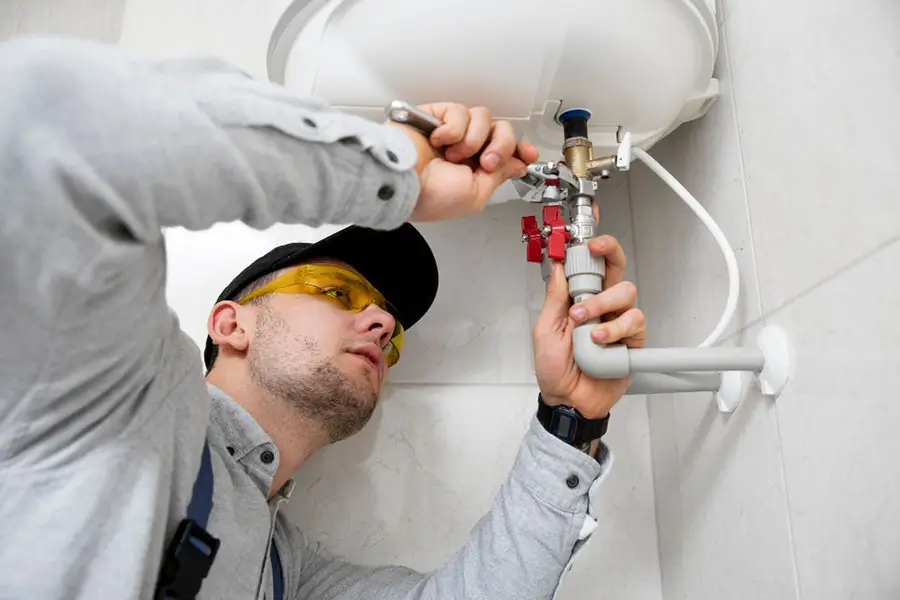
Water heater failure is a common concern for many households, often leading to inconvenience and unexpected costs. This complete guide to water heater maintenance will cover essential tools, a step-by-step maintenance process, and tips for identifying common issues. By following these guidelines, you can enhance your water heater’s efficiency, prevent potential problems related to water quality, and reduce the risk of carbon monoxide leaks. Engaging with this content will help you ensure a steady supply of hot water for your shower while extending the life of your unit.
The Importance of Regular Maintenance
Regular water heater maintenance is crucial for ensuring the efficient operation of your unit, ultimately reducing energy costs. Over time, sediment can build up in the tank, leading to overheating and reduced efficiency. By addressing these issues routinely, you not only enhance performance but also prevent potential failures that could result in costly repairs or replacements.
In addition to improving overall efficiency, maintenance tasks such as checking the safety valve play a significant role in ensuring your water heater operates safely. A well-maintained unit can help you achieve the Energy Star ratings you seek for energy-efficient appliances. By investing time in regular maintenance, you can extend the lifespan of your water heater, ensuring comfort in your home while saving money over the long term.
How Maintenance Extends the Lifespan of Your Water Heater
Regular maintenance is key to extending the lifespan of your water heater. By following a maintenance checklist that includes inspections for sediment buildup and ensuring optimal heat transfer, you can significantly reduce your operating costs. Addressing issues like condensation and maintaining the integrity of components keeps your water heater running efficiently, preventing premature wear and tear that could lead to costly repairs.
Understanding Different Types of Water Heaters and Their Needs
Understanding the different types of water heaters is fundamental for effective maintenance and ensuring optimal efficiency. For instance, a traditional tank water heater typically holds a significant amount of water, requiring regular checks for sediment buildup at the bottom of the tank. On the other hand, gas heaters may demand specific attention to ventilation to prevent hazardous gas accumulation, which can lead to unsafe conditions in your home.
Tankless water heaters, which heat water on demand, have different maintenance requirements, such as descaling to manage mineral buildup in the heat exchanger. Additionally, ensuring that the inlet hose is free from obstructions is vital for maintaining a consistent water supply. Knowing these distinctions can empower you to take targeted maintenance actions that enhance the longevity and performance of your water heating system.
Essential Tools and Safety Measures for Effective Maintenance
Before you begin water heater maintenance, it’s crucial to prepare the necessary tools and equipment. Understanding the components of your system, whether it’s a solar water heating system or a traditional boiler, will enhance your effectiveness in the task. Additionally, implementing safety precautions helps to minimize risks, particularly when handling potentially hazardous boiler water or engaging in activities that may cause wear on the unit. Familiarizing yourself with these tools and safety measures will ensure a secure and efficient maintenance process.
Preparing the Necessary Tools and Equipment
To effectively maintain your water heater, gathering the right tools is essential. You’ll need a screwdriver to adjust the thermostat and ensure proper settings. A wrench is also crucial for checking connections and tightening any loose bolts to prevent leaks. Furthermore, having a hose handy can facilitate draining the tank if sediment buildup needs to be addressed.
Understanding the specific components of your water heater will enhance your maintenance efforts. For instance, being familiar with the heat exchanger can help you identify any performance issues. If your unit runs on natural gas, make sure you have the appropriate tools to inspect the flue for blockages or leaks. Having the right equipment at your disposal allows you to perform tasks more efficiently and safely, ensuring your water heater operates optimally.
Safety Precautions Before Starting Any Maintenance Task
Before starting any maintenance task on your water heater, it’s essential to prioritize safety to prevent accidents and injuries. Ensure that you turn off the power supply to the unit, whether it runs on electricity or gas. This step is crucial, as it mitigates the risk of accidental combustion or electrical shocks. Additionally, you should check for any leaks around pipes or fittings, which may indicate potential issues that could lead to corrosion if left unaddressed.
Having the right safety gear is also important. Wearing gloves protects your hands from sharp materials and hot surfaces, while safety goggles shield your eyes from dust and debris. If you are dealing with oil or other substances during maintenance, ensure you have a spill mat or appropriate container to manage any leaks. By taking these precautions, you can maintain the efficiency of your water heater while minimizing personal risk and promoting a safe work environment.
Familiarizing Yourself With the Heater’s Components
Understanding the various components of your water heater is essential for effective maintenance and overall efficiency. Familiarizing yourself with elements such as the anode rod and safety valve can directly enhance the longevity of your heating system. The anode rod, a critical part that prevents tank corrosion, should be inspected regularly, as neglecting it can void your warranty and lead to costly repairs.
In addition to the anode, knowing how to operate the safety valve is vital for safe operation. This valve helps release excess pressure, safeguarding your home from potential hazards. By recognizing how these components function, you can perform timely maintenance that ensures your water heater operates smoothly, ultimately improving energy efficiency and reducing your utility bills.
Step-by-Step Guide to Maintaining Your Water Heater
Your water heater requires regular maintenance to ensure optimal performance and efficiency. This guide covers essential tasks, including inspecting the temperature and pressure relief valve, flushing the tank to eliminate sediment buildup, and checking as well as replacing the anode rod. You will also learn how to adjust the thermostat for energy efficiency and insulate the tank and pipes to reduce heat loss. These steps not only enhance reliability but also minimize risks associated with heating elements and leaks, contributing to prolonged water heater efficiency.
Inspecting the Temperature and Pressure Relief Valve
Inspecting the temperature and pressure relief valve is a critical step in maintaining the safety and efficiency of your water heater. This valve prevents excess pressure from building up in the boiler or tank, which can lead to dangerous situations. During your inspection, check for any signs of leakage or corrosion around the valve, and ensure it operates correctly by testing it periodically to confirm that it releases water when the pressure exceeds safe limits.
In addition to checking the pressure relief valve, it’s essential to consider the overall intake of your water heater system. Ensure that the air filter is clean and free from debris, as blocked filters can restrict airflow and affect the performance of heat pumps and gas heaters. By prioritizing the maintenance of the pressure relief valve and associated components, you help safeguard your home while promoting prolonged efficiency in your water heating system.
Flushing the Tank to Eliminate Sediment Build-Up
Flushing your water heater is a vital maintenance task that helps eliminate sediment buildup, which can impede efficiency and reduce the lifespan of your unit. To start, you should turn off the power supply to the heater and close the cold water supply valve. This prevents further water from entering the tank during the flushing process, allowing you to effectively drain out any sediment that has settled at the bottom.
After setting up your heater for flushing, connect a hose to the drain valve and direct it to a suitable drainage area. Open the valve and let the water run until you notice a clear flow, indicating that most of the sediment has been removed. This simple task can greatly enhance the efficiency of your water heater, potentially reducing the need for expensive plumbing services down the line while ensuring you enjoy consistent hot water in your home.
Checking and Replacing the Anode Rod
Checking and replacing the anode rod in your water heater is essential for preventing corrosion, which can significantly extend the lifespan of your unit. You should inspect the anode rod every one to three years, depending on your water quality and usage. If you find that the rod is heavily corroded or has less than half of its original diameter, it’s time to replace it; doing so will help maintain your water heater’s efficiency and reliability.
To replace the anode rod, first, turn off the power or gas supply and shut off the cold water inlet valve. After draining some water from the tank, loosen the rod using a socket wrench and then remove it. Installing a new anode rod is straightforward; simply screw it in, ensuring a tight seal to prevent leaks. By taking these steps, you not only protect your investment but also boost the overall efficiency of your water heating system.
Adjusting the Thermostat for Optimal Performance
Adjusting the thermostat on your water heater is crucial for maintaining optimal performance and energy efficiency. Setting the thermostat to 120 degrees Fahrenheit is generally recommended, as this temperature provides sufficient hot water while minimizing the risk of scalding and reducing energy consumption. When you make this adjustment, you’re not only ensuring comfort but also potentially lowering your energy bills, allowing your water heater to operate more efficiently.
Regularly checking and adjusting your thermostat can help address common issues, such as insufficient hot water supply or excessive energy use. If you notice fluctuations in hot water availability, it might indicate that your thermostat is set too low. By taking the time to evaluate and adjust this setting, you actively contribute to your water heater’s longevity and performance, ensuring you always have the hot water you need without excess energy costs.
Insulating the Tank and Pipes for Energy Efficiency
Insulating your water heater tank and pipes is a practical step you can take to enhance energy efficiency. By using insulation blankets for the tank and pipe sleeves for the hot water lines, you can significantly reduce heat loss, keeping your water warmer for longer periods. This simple improvement not only lowers energy costs but also helps ensure that you have a consistent supply of hot water when you need it.
When you insulate your water heater, you can expect a noticeable decrease in energy consumption, which translates into savings on your utility bills. Make sure to look for insulation materials that are easy to install and specifically designed for water heaters. Taking this proactive measure not only extends the efficiency of your water heating system but also contributes to a more sustainable home environment.
Identifying and Addressing Common Water Heater Issues
Recognizing the signs of wear and tear in your water heater is essential for effective maintenance. You will learn how to troubleshoot inconsistent water temperatures, address unusual noises and odors, and understand when it’s time to consult a professional technician. Each of these topics provides practical insights that ensure your water heater continues to operate efficiently for years to come.
Recognizing Signs of Wear and Tear
Recognizing the signs of wear and tear in your water heater is essential for maintaining its efficiency and prolonging its lifespan. Look for symptoms such as decreased hot water availability, inconsistent temperatures, or unexpected noises like popping or rumbling, which may indicate sediment buildup or internal damage. Addressing these issues promptly can prevent further complications and costly repairs, ensuring your water heater continues to operate smoothly.
Additionally, be vigilant for signs of leaks around the unit or water pools near the base, which can signal a need for immediate attention. Visual inspections of rust or corrosion on the tank can also indicate deterioration. By being proactive and familiarizing yourself with these indicators, you can take necessary actions before small problems escalate into significant failures, helping maintain the reliability of your water heater.
Troubleshooting Inconsistent Water Temperatures
If you experience inconsistent water temperatures from your water heater, the first step is to check the thermostat settings. Ensure the temperature is set to the recommended level of around 120 degrees Fahrenheit, as settings that are too low may lead to lukewarm water. Additionally, fluctuations in temperature could indicate a malfunctioning thermostat or sensor, which may require replacement to restore efficiency and comfort in your home.
Another common cause for inconsistent water temperatures is sediment buildup within the tank. Over time, minerals from hard water can settle at the bottom, affecting the heat exchange process. Flushing your water heater periodically can help remove this sediment and restore consistent heating. If the problem persists, consider consulting a professional technician to assess for malfunctioning heating elements or other underlying issues that may affect performance.
Dealing With Unusual Noises and Odors
Unusual noises from your water heater, such as popping or rumbling sounds, often indicate sediment buildup inside the tank. This buildup can hinder heating efficiency and lead to higher energy costs. To address this issue, consider flushing the tank regularly to remove sediment and restore proper function to your water heater.
Odors emanating from your water heater may also signal potential issues, such as bacteria growth in stagnant water. If you notice a sulfur-like smell, it could be a sign to replace the anode rod, which helps prevent corrosive elements from affecting the tank. Regular inspections and maintenance can help you identify these odorous indicators early, ensuring that your water heater continues to provide safe and efficient hot water for your home.
When to Consult a Professional Technician
When faced with persistent issues that you cannot resolve through standard maintenance, it may be time to consult a professional technician. Signs such as frequent fluctuations in water temperature, leaks, or unusual noises often indicate underlying problems that require expert assessment and repairs. A professional can accurately diagnose these issues, ensuring your water heater operates efficiently and safely.
Additionally, if you notice any significant corrosion or physical damage to your water heater, it is crucial to seek professional help immediately. Addressing these serious problems early can prevent more extensive damage and higher repair costs down the line. By working with a qualified technician, you ensure that your water heater receives the attention it needs to maintain its performance and extend its lifespan, ultimately safeguarding your home’s comfort and convenience.
Evaluating When to Repair or Replace Your Water Heater
Evaluating when to repair or replace your water heater is essential for maintaining efficiency and comfort in your home. If your unit experiences frequent breakdowns or requires repairs that cost more than half the price of a new model, it is often more cost-effective to invest in a replacement. Additionally, if your water heater is approaching its expected lifespan of 10 to 15 years, the risk of unexpected failures increases, making replacement a wise consideration.
Another key indicator for making this decision is the performance of your water heater. If you notice persistent issues like inconsistent water temperatures, rust-colored water, or unusual noises, these could signify deeper problems that repairs may not effectively resolve. By monitoring these signs and calculating the cost-effectiveness of repairs versus a new installation, you can make informed choices that enhance the efficiency and reliability of your home’s hot water supply.
Eco-Friendly Practices to Reduce Energy Consumption
Implementing eco-friendly practices in your water heater maintenance routine can significantly reduce energy consumption while simultaneously lowering your utility bills. For instance, insulating your water heater and pipes helps prevent heat loss, ensuring that less energy is used to keep water hot. This simple yet effective measure not only enhances efficiency but also contributes to a more sustainable household.
In addition, consider using energy-efficient appliances and water heater models that are designed to minimize energy usage. Investing in a high-efficiency unit, such as a heat pump water heater, can provide substantial savings over time. By making these informed choices, you enhance your home’s efficiency and support broader environmental sustainability efforts, aligning your energy goals with a commitment to reducing your carbon footprint.
Conclusion
Proper maintenance of your water heater is vital for ensuring prolonged efficiency and reliability. By engaging in routine tasks such as checking the relief valve, flushing the tank, and inspecting the anode rod, you can significantly extend the lifespan of your unit while reducing energy costs. Understanding the specific needs of different water heater types empowers you to take targeted actions that enhance performance. Prioritizing these maintenance practices not only safeguards your investment but also contributes to a more comfortable and cost-effective home.
Frequently Asked Questions
Why is regular water heater maintenance necessary?
Regular water heater maintenance is essential to prevent leaks, ensure energy efficiency, and extend the unit’s lifespan, avoiding costly repairs and replacements.
How do different water heater types affect maintenance procedures?
Different water heater typestankless, solar, heat pump, and conventional storageeach require specific maintenance routines, such as flushing, pressure valve checks, and panel cleaning, to ensure optimal performance and longevity.
What is the process for flushing a water heater?
Flushing a water heater involves turning off the power, attaching a hose to the drain valve, and letting out sediment-filled water until it runs clear.
When should the anode rod in a water heater be replaced?
The anode rod in a water heater typically requires replacement every 3 to 5 years or sooner if signs of corrosion or wear are evident.
What are the signs of a faulty temperature and pressure relief valve?
Signs of a malfunctioning temperature and pressure (T&P) relief valve include leaking or dripping water, unusual noise, and failure to release water when tested.