



Are you tired of dealing with water leaks in your home? Statistics show that one in ten households experiences significant leaking, leading to costly water bills and potential damage. In this easy DIY guide for repairing water leaks at home, you’ll learn about common sources of leaks, the tools you need, and step-by-step instructions for fixing leaky faucets and pipes. This guide can save money and prevent further damage, ensuring your home stays dry and comfortable. Addressing these issues will help you regain control over your plumbing and avoid the expenses of negligence, including damage from corrosion and professional repairs.
Understanding Common Sources of Water Leaks in the Home
Identifying leaks in plumbing fixtures is essential, as small pipe leaks can lead to significant water damage over time. Spotting signs of water damage on walls and ceilings, such as drywall discoloration, often indicates underlying issues. Additionally, detecting leaks in household appliances and recognizing problems with roofs and windows can prevent costly repairs. These areas will be explored in detail to help you address water leaks effectively.
Identifying Leaks in Plumbing Fixtures
When tackling home improvement projects, you should identify leaks in your plumbing fixtures. Common areas to check include faucets, toilets, and under sinks, as slow drips or pooling water can signal a problem. Not only can these leaks lead to potential water damage on your ceiling and walls, but they can also increase your water supply costs. Regular inspections allow you to catch these issues early and perform effective leak repair before they escalate.
You may encounter a variety of leak sources, including worn-out seals, loose fittings, or damaged piping. For instance, an improperly installed flashing around your plumbing fixtures can cause unwanted moisture, leading to rot and mildew. By familiarizing yourself with these common leak points and understanding how to address them, you can maintain a dry, safe environment in your home while enhancing your DIY skills.
Spotting Signs of Water Damage on Walls and Ceilings
To effectively spot signs of water damage on walls and ceilings, look for discoloration, bubbling paint, or peeling wallpaper, which often indicate moisture intrusion. Pay close attention to areas around showers and tanks, as these are common sources of leaks. Early detection is crucial, as prolonged exposure to water can lead to mold growth, creating health risks for your family.
Additionally, inspect for musty odors that can suggest hidden leaks behind walls. If you notice water stains near drains or plumbing fixtures, addressing these issues promptly is essential. Implementing these tips can help you maintain a safe and dry home environment while preventing more extensive damage and costly repairs down the line.
Detecting Leaks in Household Appliances
Examine your washer and other water-using devices when detecting leaks in household appliances. Check the hoses leading to the washer for any signs of wear or fraying, as this is often where leaks occur. If you find a loose connection, a simple twist with a pipe wrench can tighten the fittings, or you may need to replace the washer or gasket to create a better seal.
Next, inspect valves connected to your appliances. Look for any rust or corrosion, which can signal a potential leak. If you identify a leak around a valve, applying plumber’s putty can help seal the area. Regular maintenance and prompt action can prevent small leaks from turning into larger, more expensive problems in your home.
Recognizing Issues With Roofs and Windows
When evaluating potential leaks from roofs and windows, inspect areas where water might seep in, especially around the frames. Ensure screws fastening the frames are tight, as loose fittings can allow moisture to penetrate. Pay particular attention to bathroom windows, as the steam and humidity can exacerbate any weaknesses, leading to significant water damage if not addressed promptly.
Additionally, assess the condition of your gutter system, as clogged gutters can cause water to overflow and leak into your home. Using a reliable pump to clear out debris may help maintain proper water flow and prevent pooling near your foundation. If you notice any leakage or signs of water damage, consider enlisting plumbing services for a more thorough inspection.
Essential Tools and Materials for DIY Leak Repairs
Gathering the Right Plumbing Tools
Having the right plumbing tools is vital to effectively tackling water leak repairs. Start by gathering essential items like a pipe wrench, adjustable pliers, and a basin wrench. These tools will help you access tight spaces and secure fittings, making it easier to identify the source of a leak and apply necessary repairs.
In addition to hand tools, consider stockpiling repair materials such as Teflon tape, plumber’s putty, and a selection of replacement washers. These supplies will enable you to seal connections or fix dripping taps efficiently. By being well-prepared, you can ensure quick and effective resolutions to leaks, minimizing water damage and reducing repair costs.
Selecting Appropriate Sealants and Patches
When selecting appropriate sealants and patches for your DIY leak repairs, it’s essential to consider the type of material you are working with. For plumbing applications, opt for silicone sealants, which provide excellent waterproofing and flexibility. These sealants are ideal for bathroom fixtures and sinks, where moisture is common. Remember to check the label and ensure the product is designed for plumbing to achieve the best results.
In addition to silicone, you may want to keep a plumber’s putty on hand for sink and faucet repairs. This versatile material creates a watertight seal, making it suitable for various fittings. Apply it generously around the base of fixtures to prevent leaks effectively. By choosing the right sealants and patches, you can confidently tackle leaks, ensuring that your home remains dry and safe from water damage.
Safety Gear for Leak Repair Projects
Safety gear is fundamental to protecting yourself against potential hazards when embarking on a DIY leak repair project. Wearing durable gloves can shield your hands from sharp tools and harsh chemicals while working with plumbing materials. Additionally, goggles are a barrier against splashes that may occur during repairs, ensuring your eyes remain safe from irritants.
Step-by-Step Guide to Fixing Leaky Faucets
Shutting Off the Water Supply
Before you start repairing a leaky faucet, shutting off the water supply is vital. Locate the shut-off valves under your sink, usually found on the pipes leading to the faucet. Turning these valves clockwise will stop the water flow, preventing potential spills during your repair work.
If you don’t see individual shut-off valves, you may need to turn off your home’s main water supply. This is typically found near the water meter, in the basement, or outside the foundation. Shutting off the water supply not only ensures a cleaner repair process but also protects your home from water damage while you work on fixing the leak.
Disassembling the Faucet Components
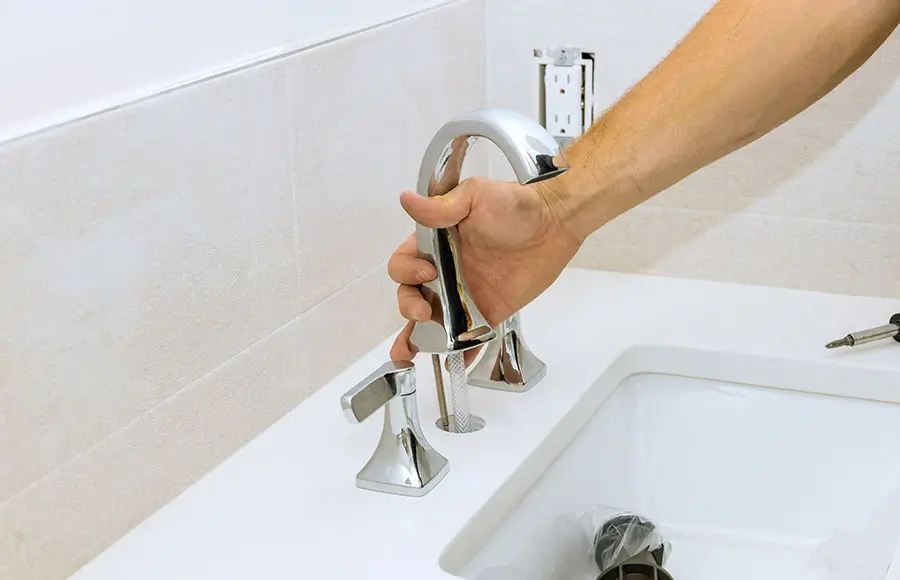
To begin disassembling your leaky faucet, remove any decorative caps covering the screws. Use a screwdriver or adjustable wrench to gently unscrew the handle, ensuring you keep track of all small parts, including screws and washers, to avoid losing them during the process. A systematic approach allows you to organize these components, making it easier to reassemble the faucet once the repairs are complete.
Once the handle is off, you typically find a retaining nut that secures the cartridge or ball mechanism inside the faucet. Use your wrench to loosen and remove this nut carefully, taking care not to damage the surrounding fixture. With the retaining nut gone, you can pull out the cartridge or ball assembly, enabling you to inspect for worn washers or O-rings that may need replacement to eliminate the leak you are addressing.
Replacing Worn-Out Washers and O-rings
Replacing worn-out washers and O-rings is critical in fixing a leaky faucet. First, remove the old washer or O-ring from its seat using your fingers or a small tool. Ensure that the replacement parts match the size and type of the originals, as this will ensure a proper fit and effective sealing, preventing future leaks.
Once you have the new washer or O-ring in place, reassemble the faucet components in the reverse order of disassembly. Make sure everything is tightened securely, but avoid over-tightening, as this can lead to damage. After reassembling, turn the water supply back on to test for leaks, ensuring that your repair has been successful and your faucet operates properly again.
Repairing Leaky Pipes and Connections
To tackle leaky pipes and connections effectively, you will first need to locate the source of the leak. Once identified, you can apply pipe repair clamps or epoxy to temporarily seal the issue while assessing if any damaged pipe sections require replacement. Lastly, ensuring secure pipe connections is critical to preventing future leaks. This section will guide you through these essential repair steps.
Locating the Source of the Leak
To locate the source of a leak in your home effectively, begin by observing the visible signs of water damage. Look for damp spots, water stains, or mold growth on walls and ceilings, as these indicators can help you trace the leak back to its origin. Additionally, areas around plumbing fixtures, such as sinks or toilets, are common leak sites, so pay close attention to these spots during your inspection.
Once you have identified areas of concern, gently feel the surrounding pipes for moisture or inconsistencies. You may need to carefully check behind appliances or within cabinets where plumbing connections are hidden. By following these steps, you can pinpoint the exact location of the leak, allowing you to address the issue promptly and effectively, ultimately saving you time and potential repair costs.
Applying Pipe Repair Clamps or Epoxy
When you encounter a leak in your pipes, applying pipe repair clamps or using epoxy is an effective and straightforward solution. Start by cleaning the area around the damaged section to ensure a secure bond. If you opt for a pipe repair clamp, wrap it around the leak and tighten it, providing immediate support to prevent water from escaping. This process requires minimal tools, making it accessible for DIYers at any skill level.
Epoxy provides a strong, durable fix if the damage is more extensive. Mix the epoxy according to the manufacturer’s instructions and apply it generously over the leak. Allow it to cure as directed before testing the repair.
Replacing Damaged Pipe Sections
Replacing damaged pipe sections is essential for maintaining a reliable plumbing system in your home. Start by shutting off the main water supply and draining the water from the pipes to avoid further leaks. Carefully cut out the damaged section using a pipe cutter or hacksaw, ensuring you make clean cuts to fit the new pipe easily.
Select a new section of pipe that matches the existing plumbing in size and material. Use appropriate fittings to connect the new pipe to the existing ones, ensuring a secure and watertight seal. After completing the installation, turn the water supply back on and check for any leaks around the new connection. This confirms that your repair is successful and your plumbing system is back in working order.
Ensuring Secure Pipe Connections
Ensuring secure pipe connections is essential for preventing leaks and maintaining the integrity of your plumbing system. Always use the correct tools when tightening connections and avoid over-tightening, which can damage the fittings and lead to further leaks. Inspect all visible connections, including elbows and joints, to catch any signs of wear or corrosion early.
If you notice any leaks, it’s vital to address them promptly. You can do this by loosening the connection slightly and then re-tightening it to establish a proper seal. For added security, consider using the plumber’s tape on threaded connections to enhance the watertight integrity. By taking these simple steps, you can help ensure your pipes remain secure and leak-free.
Preventative Measures to Avoid Future Water Leaks
Establishing a Regular Inspection Routine
Establishing a regular inspection routine can significantly reduce the risk of water leaks in your home. Start by setting aside time every few months to check all plumbing fixtures, including faucets, toilets, and visible pipes, for signs of wear or minor leaks. By routinely examining these areas, you can catch small issues before they escalate into more substantial problems that require costly repairs.
In addition to checking plumbing fixtures, inspect critical areas where water might accumulate, such as around appliances and basements. Make it a habit to look for damp spots, mold, or unusual odors that could indicate hidden leaks.
Maintaining Plumbing Systems Properly
Maintaining your plumbing systems properly is essential for preventing water leaks in your home. Regularly inspect your pipes for corrosion, wear, or loose connections. By identifying these issues early, you can take proactive measures, such as tightening fittings or replacing compromised sections, reducing the likelihood of leaks that can lead to costly damage. In addition to periodic visual inspections, consider flushing your plumbing system at least once a year. This practice helps eliminate sediment buildup, particularly in older pipes, which can lead to clogs and leaks.
Installing Water Leak Detection Devices
Installing water leak detection devices in your home is a proactive step that can save you from costly repairs. These devices are designed to monitor moisture levels and alert you at the first sign of a leak, allowing you to act immediately. For example, placing a leak detector near appliances such as washing machines and dishwashers can help identify issues before they cause significant damage.
When selecting water leak detection devices, consider options that integrate with your smart home system for enhanced convenience and real-time notifications. Many modern devices offer smartphone alerts so you know when a leak needs your attention, even when you’re not home. By implementing these easy-to-use leak detection systems, you can effectively safeguard your property while ensuring a dry and safe living environment.
Knowing When to Consult a Professional
Identifying the right time to consult a professional plumber can help prevent small leaks from escalating into serious problems. If you notice persistent water stains, mold growth, or unexplained puddles in your home, these could be signs of significant plumbing issues that require expert diagnosis and repair. Trying to fix complex problems alone may waste your time and lead to more extensive damage and costly repairs.
Conclusion
Understanding how to repair water leaks in your home empowers you to protect your property from significant damage and costly repairs. By regularly inspecting plumbing fixtures, appliances, and areas prone to leaks, you can identify issues early and address them efficiently. Utilizing essential tools and materials allows you to tackle repairs confidently, ensuring your home remains safe and dry. Ultimately, a proactive approach to leak management safeguards your family’s comfort and preserves the integrity of your living environment.
What are the top causes of water leaks in homes?
Deteriorating pipes, clogged lines, faulty plumbing fixtures, high water pressure, and extreme temperature changes are the primary factors causing water leaks in homes.
How can I identify a water leak that’s not visible?
Identifying hidden water leaks often involves monitoring for inexplicable increases in your water bill, inspecting for mold or mildew, and listening for the sound of running water when pipes are not in use.
Which tools do I need to fix a water leak myself?
To address a water leak, you will need pliers, a wrench, Teflon tape, a bucket, and replacement washers or seals, depending on the source of the leak.
Can you outline the steps to repair a leaking pipe?
To repair a leaking pipe, first shut off the water supply, clean and dry the affected area, apply pipe sealant, and secure it with a pipe clamp or replace the section if necessary.
When should I contact a professional to handle a leak?
Contact a professional immediately for leak detection and repair if you notice persistent moisture, water damage signs, or a significant increase in water bills.