



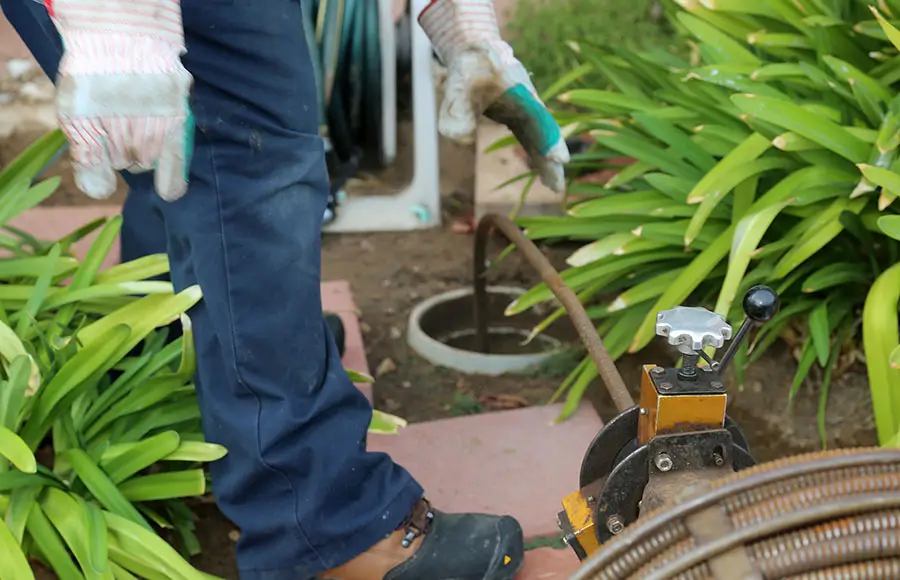
You might not think about your sewer system until something goes wrong, but it’s essential to recognize the warning signs before a small issue turns into a costly disaster. Imagine walking into your home and being hit by an unpleasant odor or noticing your drains clogging more often than usual. These are just a few indicators that your sewer system could be on the brink of failure. But what about those unexpected lush patches in your yard or your toilet’s gurgling sounds? Each of these symptoms tells a story. Are you ready to uncover what they mean?
Unpleasant Odors Indoors
If you notice a persistent foul smell inside your home, pinpoint its origin by checking areas prone to sewer gas leaks, such as drains, toilets, and vents. Start by inspecting all drain traps. Confirm water is present in the P-traps, as evaporation can allow gases to seep through. Simply running water for a few seconds in unused sinks or floor drains can restore the water barrier.
Next, examine the toilets. To identify any rocking or instability, check the wax seal beneath each toilet. A compromised wax ring can allow sewer gases to escape, necessitating replacement. Verify the toilet is securely fastened to the floor to maintain an airtight seal.
Vents are another potential source of odor. Inspect the vent pipes, usually located on the roof, for blockages caused by debris or nests. A clogged vent can create a vacuum effect, disrupting proper drainage and causing odors. Safely remove any obstructions using a plumber’s snake or high-pressure water.
Frequent Drain Clogs
Frequent drain clogs indicate a buildup of debris or foreign objects in the pipes, requiring immediate attention to prevent further complications in your sewer system. You understand the importance of maintaining a well-functioning household as someone who serves others. Start by evaluating the situation: identify which drains in your home clog most often. This may help pinpoint specific problem areas like kitchens or bathrooms.
To address the issue, consider using a plumbing snake or auger. Insert the tool into the problematic drain, rotating it to catch and remove the debris. This method is effective for dislodging stubborn blockages without harming the pipes. Additionally, enzyme-based drain cleaners can offer a chemical-free solution by gradually breaking down organic material.
Regular maintenance is key. Implement a weekly routine of flushing your drains with hot water mixed with vinegar and baking soda. This combination helps dissolve potential clogs before they become significant problems. Remember, prevention is more efficient than repair. Educate your household on proper waste disposalavoid pouring grease down the sink and use sink strainers to catch larger debris. These proactive measures will extend the life of your sewer system and enhance your home’s functionality.
Slow Draining Fixtures
In addition to frequent clogs, slow-draining fixtures often signal underlying issues in your sewer system that demand prompt investigation and resolution. When you notice your sinks, bathtubs, or showers taking longer than usual to drain, it’s essential to address the problem before it escalates. Begin by checking for localized blockages in the traps or pipes. Use a drain snake or plunger to dislodge any debris. If the issue persists, it may indicate a more severe blockage within the sewer line.
To diagnose the problem accurately, consider employing a sewer camera inspection. This technique visually assesses your pipes, revealing obstructions like tree roots or sediment buildup that impede flow. Additionally, hydro jetting can be a proactive solution. This method uses high-pressure water to clear blockages and improve drainage efficiency, ensuring your system operates effectively.
Regular maintenance is important. Implement a routine schedule for cleaning your drains and sewer lines. Encourage household members to avoid flushing inappropriate items and use drain covers to catch hair and debris. By taking these steps, you’ll not only resolve slow-draining fixtures but also extend the lifespan of your sewer system, ultimately enhancing the well-being of those you serve.
Gurgling Toilet Sounds
You might occasionally hear gurgling sounds from your toilet, often indicating air trapped in the sewer line due to blockages or venting issues. This acoustic anomaly suggests that wastewater is encountering an obstruction, causing pressure imbalances. It’s vital to address this promptly to prevent potential sewer system failure.
First, inspect your plumbing vents for blockages like leaves or debris. Clogged vents can exacerbate these sounds by restricting airflow. Use a plumber’s snake or a high-pressure water hose to clear any obstructions. If venting issues persist, consider consulting a professional plumber to assess your system’s ventilation adequacy.
Next, assess your drain lines for potential blockages. Utilize a plunger to create suction and dislodge minor clogs. If unsuccessful, deploy an auger to reach deeper into the pipeline. Always remember to wear gloves and protective eyewear for safety.
Consider enlisting the help of a professional who can conduct a thorough camera inspection of your sewer lines. This proactive step helps identify the exact cause and location of blockages. By addressing these gurgling sounds methodically, you’re resolving an annoyance and preventing more severe sewer system malfunctions.
Water Pooling in Yard
If you’ve resolved indoor issues like gurgling toilets but still notice water pooling in your yard, suspect a sewer line break or blockage beneath the surface. First, identify the location of the pooling. This area could be directly above where the sewer line runs. Utilize a soil probe to detect any saturated soil that indicates potential leakage.
Inspect nearby trees or shrubs; their roots might have invaded your sewer line, causing damage or obstruction. Use a sewer camera inspection to visually confirm the condition of your pipes. This tool provides a real-time feed of the pipe’s interior, helping you pinpoint the exact problem area.
Once identified, consider hydrojetting or snaking to clear obstructions. Hydrojetting uses high-pressure water to remove debris and roots, while snaking involves a flexible auger to dislodge blockages. If the issue stems from a pipe break, consult a professional for trenchless repair options like pipe bursting or relining. These methods minimize landscape disruption and efficiently restore your system.
Lush, Green Patches
Spotting unexpectedly lush, green patches in your lawn often signals a sewer line leak. The leaking sewage acts as a fertilizer, promoting rapid grass growth. Identifying these anomalies requires a keen eye for contrast in your landscape. Look for areas where the grass appears more vibrant and grows faster than surrounding patches. This could indicate nutrient-rich wastewater escaping from a compromised pipe.
To address this issue, first, conduct a thorough visual inspection. Walk the perimeter of your property, and note any inconsistencies in grass color or height. Use a soil probe or spade to check the moisture level underground. Excessive dampness might confirm a leak.
Once you’ve identified a suspicious area, it’s essential to contact a professional plumber who can perform a sewer camera inspection. This procedure involves inserting a specialized camera into the sewer line to pinpoint the leak’s location and severity. Professional intervention guarantees precise diagnostics and effective repair.
As someone committed to serving others, remember that timely action prevents further environmental damage and protects public health. Educate your neighbors about these signs, fostering a community mindful of potential sewer issues. By acting swiftly, you contribute positively to neighborhood well-being.
Foundation Cracks
Foundation cracks often signal underlying sewer system issues, demanding immediate attention to prevent structural damage and costly repairs. When you notice these cracks, assess the situation promptly. Begin by examining the size and direction of the cracks. Horizontal cracks indicate a more severe problem with water pressure against the foundation, often linked to sewer line issues. Vertical cracks might be less severe but still require inspection.
First, inspect the basement or crawl space for any signs of moisture or leaks near these cracks. Use a moisture meter to quantify the level of dampness. If you detect a musty odor, this could be a further indication of sewer problems. Next, check the exterior foundation for any displacement or misalignment, which could suggest shifting caused by leaking sewer lines.
To address potential sewer issues, employ a professional plumber who can conduct a video inspection of your sewer lines. This will help identify any breaks or blockages. Don’t delay in addressing these findings; early intervention can prevent further deterioration of your foundation. Collaborate with a structural engineer if necessary to guarantee the integrity of your home’s foundation while repairs are underway. Your proactive approach can safeguard your property and the well-being of those you serve.
Insect and Rodent Infestations
Experiencing a sudden increase in insect and rodent activity inside your home often indicates a breach in the sewer system, as these pests are attracted to the moisture and waste from leaking pipes. To mitigate this, first conduct a thorough inspection of your property’s perimeter and basement. Look for any visible cracks or gaps in the foundation that could serve as entry points for these unwanted guests. Seal these openings with durable material like silicone caulk or expanding foam.
Next, inspect your plumbing system for leaks. Check all visible pipes, especially those in the basement and under sinks, for signs of moisture or corrosion. If necessary, utilize a moisture meter to detect hidden leaks. Repair or replace any damaged sections promptly, as this will reduce the attractants for pests.
Utilize traps or bait stations for immediate pest control, but remember these are temporary solutions. For a long-term impact, engage a pest control professional to apply treatments designed explicitly for sewer-attracted pests. Finally, maintain a proactive maintenance schedule for your sewer system, including regular inspections and cleaning, to prevent future breaches and guarantee a safe and healthy environment for you and those you serve.
Sewer Backups
Address sewer backups promptly by identifying blockages in your plumbing system and utilizing a drain snake or hydro-jetting to clear obstructions effectively. Begin by diagnosing the cause of the backup. Use a drain snake for minor clogs, inserting it into the affected drain and rotating it to dislodge blockages. For stubborn obstructions or when multiple drains are affected, hydro-jetting is a superior method. This technique employs high-pressure water to scour the pipe interiors, removing debris and buildup efficiently.
To avoid recurring issues, guarantee regular maintenance of your plumbing system. Here’s why timely action is essential:
- Prevent Property Damage: Overflowing sewage can seep into floors and walls, causing costly structural damage and health risks.
- Maintain Sanitation: Backups can lead to unsanitary conditions, posing health hazards to your household.
- Preserve Peace of Mind: Knowing your sewer system functions properly alleviates stress and worry.
Assisting others in maintaining their plumbing systems safeguards their homes and supports community well-being. By proactively addressing sewer backups, you contribute to a healthier and safer environment for everyone. Prompt action and proper maintenance are your best defenses against sewer system failures.
Increased Water Bills
If you notice an unexplained spike in your water bills, inspect your sewer system for hidden leaks or inefficiencies that might contribute to increased consumption. Start by conducting a thorough visual inspection of your plumbing fixtures, including faucets, toilets, and visible pipes. Look for signs of water seepage or dampness, which may indicate a leak.
Next, employ a water meter test. Turn off all water-using appliances and check your water meter reading. Wait for one to two hours without water, then recheck the meter. Any change in the reading signifies a leak within your system.
Check the integrity of your sewer connections. Loose or damaged joints can lead to water loss. Consider enlisting a professional plumber for a video inspection to assess the internal condition of your sewer lines. They can identify root intrusion, pipe corrosion, or blockages causing inefficiencies.
Conclusion
You’ve learned the warning signs, but how can you prevent a sewer system disaster? Regular inspections and maintenance are your first line of defense. Don’t ignore unpleasant odors or odd soundsaddress them immediately. Keep an eye on your water bill for unexpected spikes, and inspect your yard for unusual wet spots. By staying proactive and vigilant, you’ll save money and guarantee your sewer system runs smoothly. Isn’t peace of mind worth the effort?
Frequently Asked Questions
What Are Common Causes of Sewer System Failure?
Root intrusion, pipe corrosion, and blockages are common causes of sewer system failure. Regular maintenance, proper waste disposal, and tree root barriers can mitigate these issues effectively, ensuring continuous service to others.
How Often Should I Have My Sewer System Inspected?
Like clockwork, inspect your sewer system every 1-2 years. Regular checks prevent blockages and costly repairs. Hire a qualified technician to conduct thorough inspections, ensuring all pipes and components operate efficiently and seamlessly, serving your household’s needs.
Can Tree Roots Damage My Sewer Lines?
Yes, tree roots can infiltrate sewer lines, causing blockages or breaks. Regularly inspect your lines, use root barriers, and consider root-killing chemicals. If damage occurs, consult a plumber to promptly assess and address the issue.
How Can I Prevent a Sewer System Failure?
To prevent sewer system failures efficiently and responsibly, you should schedule regular inspections, use enzyme-based cleaners, and avoid flushing non-biodegradable items. You should also install backflow prevention devices, maintain proper landscaping, and educate others about proper disposal.
What Materials Are Best for Durable Sewer Pipes?
Imagine a sewer system lasting over 100 years. Choose vitrified clay pipes for durability; they resist chemical erosion and tree roots. Inspect annually, ensuring proper installation. Serve your community by investing in long-term, reliable infrastructure solutions.