Check Us Out On Our Social Media

Author: office@ironmountainplumbing.com

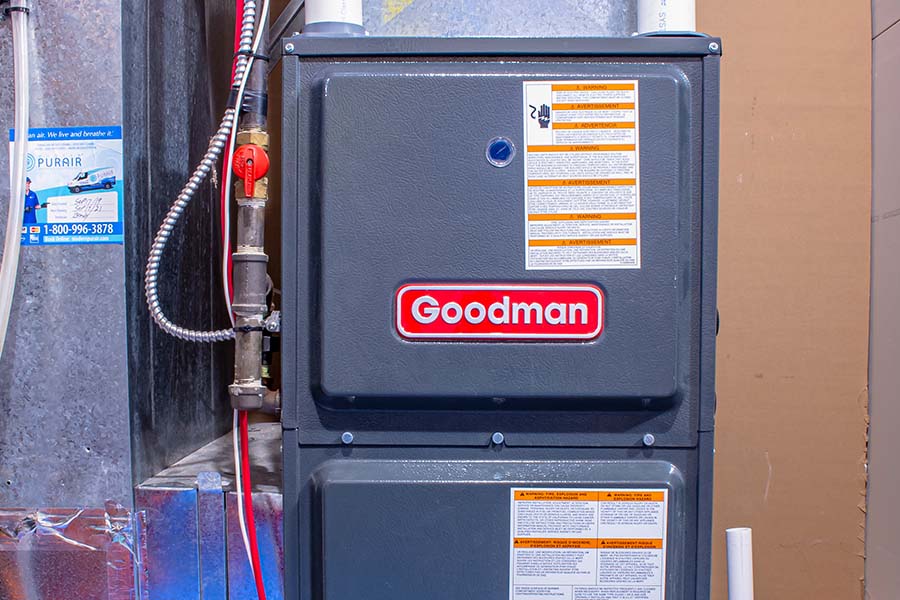
Six Signs It’s Time To Replace Your Furnace in Santa Clara, UT

Santa Clara, UT, offers some of the most spectacular views in the entire state of Utah. If, for example, you live in the Santa Clara Heights neighborhood, you will routinely enjoy breathtaking views of the nearby desert, mountains, and red rock formations.

Santa Clara residents also endure frigid temperatures that drop below freezing from December through February. This makes it critical for them to understand when to replace furnaces.

If you spot any of these six signs, you will know that you should strongly consider scheduling a new Furnace Installation Service in Santa Clara, UT.

1. Your Furnace Is Old

Furnaces typically last longer than many other household appliances, but they will not last forever. The average furnace lasts 15 to 20 years.

If yours is approaching this age or has surpassed it, this is one of the most obvious signs that you should consider replacing it. It’s only a matter of time before your furnace gives out. Seize control of the situation and replace it at your earliest convenience rather than allowing it to fail on the coldest day of winter.

2. It’s Constantly in Need of Repairs

Just because your furnace hasn’t reached the 15-year mark yet doesn’t necessarily mean you shouldn’t still consider replacing it. If you seem to be making frequent repairs that all cost a small fortune, this is another reason to consider investing in a new one.

Many Santa Clara, UT, homeowners subscribe to the so-called “50% rule” when deciding when to replace furnaces. If the repairs required for their furnaces cost 50% or more of the price of replacing them, they will opt to install new heating systems in place of their old ones.

Although this will require a larger investment upfront, you will save money in the long term, and you won’t have to worry about incurring repair costs in the near future.

3. It Isn’t Heating a Home Consistently

As a furnace ages, it might struggle to distribute heat evenly throughout your home, which could make some rooms feel much colder than others. In some instances, spending time in these rooms may be nearly impossible, especially when outdoor temperatures fall below freezing.

You can try to correct this issue by hiring an experienced HVAC company to make furnace repairs or address other problems, such as leaky ductwork, that can cause inconsistent heating. Still, this may not always be enough, and you might have no choice but to replace your furnace to start heating your home consistently again.

4. It’s Making Strange Sounds All the Time

When you fire up the furnace in your Santa Clara, UT home, does it make strange noises? You may hear it:

  • Buzzing
  • Humming
  • Rattling

These sounds could be caused by a loose component within your heating system, but they may also indicate a more serious issue. They may suggest that your furnace has sustained wear and tear and needs to be replaced.

Homeowners in Santa Clara, UT, should listen to what their heating systems tell them and, based on this information, repair or replace their furnaces.

5. It Has Impacted a Home’s Air Quality

Scheduling annual maintenance for your furnace can prevent dirt, dust, and other debris from accumulating on its interior. Replacing the air filter in your furnace every three months can also help prevent the interior from becoming too dirty.

However, if you have an ancient furnace, cleaning it might be more complicated. The dirt that develops in it can end up in your home’s air, impacting air quality and causing allergic reactions and other health-related issues for you and your family.

6. It Causes Sky-High Energy Bills in Santa Clara, UT

The Santa Clara City Council approved several energy rate increases over the next few years during a meeting in October 2024. Rates will increase by 2.5% in 2025 and 2026 and by 2% in 2027.

You may have already started to experience rising energy bills caused by these increases, but your old furnace could also be to blame. As your furnace approaches the end of its lifespan, it may experience reduced efficiency, leading to higher energy bills.

Know When To Replace Furnaces in Santa Clara, UT, and Contact Us for Assistance

At Iron Mountain Plumbing, we can help homeowners in Santa Clara, UT, determine when to replace their furnaces and assist with other repair issues, such as heat pump water leakage.

Would you like us to service your furnace and tell you how much life it has left? Call us today to make an appointment.

Why Is My Furnace Blowing Cold Air in Parowan, UT?

Established in the early 1850s, Parowan, UT, is known as the “Mother Town of Southern Utah” because it was the first city settled in the area. It is home to many sites, including the Old Rock Church Museum and Parowan Gap Petroglyphs, that make it a big part of the Beehive State’s rich history.

Parowan is also known for having some of the chilliest temperatures in Southern Utah, frequently falling into the teens from November through March.

If you have a furnace blowing cold air during this period, it will leave your home’s interior unbearably uncomfortable. You will have no choice but to get to the bottom of the issue and repair it as soon as possible with the help of Iron Mountain Plumbing, an expert team offering reliable heating services in Parowan, UT

So, why is your furnace blowing nothing but cold air? Here are several potential complications that can lead to this happening.

Clogged Air Filter

A furnace filter removes dirt, dust, pet dander, allergens, and other contaminants from the air that passes through the heating system in your Parowan, UT, home. However, it will struggle to do its job if you fail to replace it every few months.

A clogged air filter can also force a furnace to work harder than usual to heat a home. In some instances, the strain it puts on a home’s heating system will result in an overheated furnace.

If this ever occurs in your home, you will likely get left with a furnace blowing cold air. Avoid this by replacing your furnace’s air filter at least once every three months and sometimes more often if you have an unusually dusty house. It will reduce the chances of you encountering furnace-related problems.

Incorrect Thermostat Settings

If you have a furnace blowing cold air, your first instinct will typically be to blame the furnace itself. You might be tempted to look into how a furnace works to pinpoint the problem.

However, your furnace might not be the issue. Instead, you may have a faulty thermostat on your hands, or you might have been trying to run your furnace with the wrong thermostat settings. In certain situations, replacing the batteries in your thermostat can also provide a quick fix.

Gas Supply Problems

According to the U.S. Energy Information Administration, nearly half of American households use natural gas to heat their homes. If your house has a gas-powered furnace, gas supply problems may cause your furnace to blow cold air.

Your furnace might not receive enough natural gas if it has a malfunctioning gas valve. An obstructed gas line could also be the cause of your furnace issues.

Whatever the case, repairing gas supply problems is not a job for the DIY enthusiast. You will need a professional HVAC technician from a trusted company, such as Iron Mountain Plumbing, to tackle this project.

Pilot Light Issues

Pilot light issues, such as a faulty pilot light that won’t stay lit or a dirty flame sensor, are two other common causes of a furnace that is blowing cold air in Parowan, UT. Replacing a pilot light or flame sensor may be the only solution to this problem.

Once again, it is recommended that you seek the assistance of experienced heating and cooling experts to resolve issues like these. It’s the only surefire way to get your furnace running smoothly again.

What To Do When Your Parowan, UT, Furnace Is Blowing Cold Air

Living in a Parowan, UT, home that has a furnace blowing cold air is not an option, especially in the dead of winter. If you ever sense that something seems off with your heating system, take the following steps:

  1. Check your thermostat to make sure it is set to the correct temperature.
  2. Inspect your air filter to find out if it needs to be replaced.
  3. Look at your pilot light to see if it is turned on.

From there, reach out to Iron Mountain Plumbing for assistance. We can diagnose the issue with your furnace and make the necessary repairs immediately.

Furnace Blowing Cold Air in Parowan, UT? Contact Us and Get It Fixed Fast

Iron Mountain Plumbing specializes in helping homeowners in Parowan, UT install, maintain, and repair heating and cooling systems. If you have a furnace blowing cold air, please don’t hesitate to contact us.

We also offer our customers a comprehensive range of plumbing and water treatment services throughout Southern Utah. Call us today to schedule an appointment.

Should I Repair or Replace My Air Conditioner in Enoch, UT?

It’s a real scorcher here today in Enoch, and your air conditioner has let you down yet again. You’re fed up with your unit always breaking down when you need it the most. Could now be a good time to swap that unreliable unit out for a new one?

If you’re having trouble deciding whether to repair or replace your AC unit, we’re here to help. Below, discover the top signs that it’s time for a new air conditioner, then call us for AC services in Enoch, UT.

Should You Repair or Replace Your AC Unit? Guidelines on When To Replace an AC Unit for Enoch Homeowners

We get it: A new air conditioner isn’t cheap, and you’d probably like to hang onto your current one for as long as possible. However, no unit lasts forever. Should you replace it now, or can you afford to wait another year or two?

Here’s how to decide whether you’d be better off replacing your existing air conditioner.

Your Air Conditioner Is 10+ Years Old

Age is just a number, except when it comes to your air conditioner. Around the 10-year mark, many cooling systems start showing problems that range from minor annoyances to serious malfunctions. By the time your system reaches its 15th birthday, it’s entering senior citizen territory.

That said, air conditioners don’t always quit working after a certain number of years. Some can last for 20 years or more with good care. However, if yours is over a decade old and requires frequent AC repairs, it’s time to consider a replacement.

You’re Sick of Paying for AC Repairs

In the past few years alone, your system has broken down on multiple occasions. Over time, the cost of those repairs can really start to add up. Eventually, the cost of repairs can equal or even exceed the price of a new unit.

If you’ve had to repair your system several times over the past couple of years, there’s a good chance it’ll break down again sooner rather than later. Should you repair or replace your AC unit? It’s better to replace yours now before you’re stuck with an eye-popping bill for a broken compressor or condenser.

You Have a High Electricity Bill Every Month

You probably expect your energy bills to increase slightly in the summer with the air conditioner running more frequently. But when you open your latest bill, you’re shocked by the amount. It’s not just a fluke, either: Month after month, that cooling bill continues to climb.

If sky-high energy bills are burning a hole in your pocket, blame your ancient air conditioner. Old AC unit efficiency is much poorer than that of a newer system, which means your unit works overtime to cool your home. By switching to a unit with a higher SEER (Seasonal Energy Efficiency Ratio) rating, you could save hundreds on your cooling bills.

Your System Uses Outdated Refrigerant

If you have an older air conditioner, there’s a good chance that it uses R-22 refrigerant. This type of refrigerant has been in use for decades, but it’s harmful to the environment. That’s why the Environmental Protection Agency (EPA) is phasing out R-22 and similar refrigerants starting in 2025.

It’s best to replace your cooling system now if it relies on R-22 refrigerant. Should you need a refrigerant recharge at some point, such products will likely become harder to find.

You Plan on Staying in Your Home for the Foreseeable Future

There’s no sugarcoating that new air conditioners are expensive. You’ll see plenty of benefits by switching to a new one, which can make the cost easier to digest. But what if you won’t be around to reap those rewards?

If you’re planning to move in the next few years, it doesn’t make sense to replace the unit unless absolutely necessary. If this is your forever home, though, go ahead and splurge on that new air conditioner.

Still Wondering Whether to Repair or Replace Your AC Unit? Call an AC Company Near Me in Enoch, Utah

Should you repair or replace your AC unit? There’s no clear answer to this question, but our pros at Iron Mountain Plumbing can help you decide. We’ll discuss the pros and cons with you so you can make an informed decision for your home. If you opt for a replacement, we offer a great selection of cooling systems to choose from.

AC unit not cooling? To schedule your air conditioner repair or replacement in Enoch, Utah, contact us at Iron Mountain Plumbing today.

Six Most Common HVAC Problems in Washington, Utah, and How To Fix Them

Is your HVAC system stubbornly refusing to cool or heat your home? Maybe your furnace is making weird noises, or your air conditioner is leaking all over the floor. Problems like these can be incredibly frustrating, especially when you have no idea how to fix them.

Below, learn about the most common HVAC problems and their solutions, then call us for HVAC services in Washington, UT.

Most Common HVAC Problems and Solutions for Washington, Utah Homeowners

Is your HVAC not heating or cooling your home? There are a whole host of problems that can cause a lack of cooling and heating, from clogged ductwork to refrigerant leaks. Let’s take a look at some common HVAC issues that homeowners in Washington struggle with.

1. Thermostat Issues

If your furnace or air conditioner seems to be acting up, there may not be anything wrong with the unit itself. Rather, a malfunctioning thermostat could be to blame.

Thermostats can stop working properly if the batteries are running low, so try replacing yours. If your thermostat is hardwired to your home’s electrical system and doesn’t use batteries, there might be a problem with your wiring.

If your thermostat has fresh batteries and your unit still won’t respond, you might need to perform a calibration. You can usually find instructions on how to do this in the thermostat’s user manual. If you’ve lost the manual or would rather have a pro fix this and any of the other most common HVAC problems, call us.

2. Refrigerant Leaks

HVAC not cooling your home? If you’ve noticed a steady decrease in cooling power recently, your air conditioner might have a refrigerant leak. Your cooling system uses refrigerant to transfer warmth out of your home. Without adequate refrigerant levels, your house will steadily get warmer and warmer. You’ll probably have high energy bills, too.

The only way to fix this issue is to call a technician to repair the leak and add more refrigerant. Don’t try to repair a refrigerant leak yourself. Refrigerant is dangerous when handled improperly and can make you sick.

3. Strange HVAC Noises

Are you hearing weird noises from your cooling or heating unit? This is one of the most common HVAC problems, and one of the most frustrating to deal with.

Your air conditioner and furnace should never make noises other than a quiet hum. If your system is squealing, banging, or grinding, you may be experiencing trouble with the following:

  • Unbalanced fan blades scraping against the machinery
  • Debris stuck inside the outdoor unit
  • Loose screws that have fallen inside the unit
  • A loose belt flapping around
  • A refrigerant leak, which can make a whistling noise

In some cases, you may be able to stop the racket by thoroughly cleaning your unit. In others, you’ll need to call us for help.

4. Poor Airflow

Do you feel very little or no airflow coming from your vents? You either have a leak or a blockage somewhere in your ductwork. Cracks in ducts allow air to escape instead of sending it through your home.

To fix the problem, reach out to us for duct cleaning or repairs.

5. Heating Ignition Issues

Furnace not heating your home? If you have a gas furnace, check the pilot light and relight it if it has gone out. Electric furnaces have an ignition instead of a pilot light. Press the ignition button to restart yours.

If that doesn’t work, your ignition switch or pilot light may be faulty. A yellow flame is a telltale sign of a malfunctioning pilot light. Give us a call promptly if your pilot light is yellow instead of blue.

6. Dirty or Frozen Coils

Your air conditioner contains evaporator and condenser coils that facilitate the transfer of refrigerant through the system. Over time, these coils can become caked with dirt, which prevents them from doing their job properly. Moisture can collect on the coils, too, causing them to freeze over.

If your coils are dirty or frozen, you will need to call an HVAC technician to clean them. Avoid cleaning the coils yourself as it’s easy to damage them.

Are You Facing Any of the Most Common HVAC Problems? Call Iron Mountain Plumbing in Washington, Utah

Now that you’ve learned about the most common HVAC problems, are you looking for solutions to your heating and cooling woes? Reach out to Iron Mountain Plumbing! Our highly trained technicians will have your HVAC system up and running again in no time.

Contact us to schedule your HVAC service in Washington, Utah, today.

Five Reasons Why Your AC Is Leaking Water in Your Cedar City, UT, Home

If your AC is leaking water inside your home, prioritize scheduling AC repair in Cedar City, UT. Even a tiny amount of water can damage your house and risk your family’s health by allowing mold and mildew to grow.

What causes an AC water leak in the first place? Find out about the leading AC water leak causes below to learn how to minimize their impact and help you avoid dealing with a leaking AC unit again anytime soon.

1. Your Condensate Drain Line Is Clogged

Your AC system’s condensate drain line has one job: To take the condensation your air conditioner creates and carry it away from your unit.

When your home’s cooling system is newer, this line shouldn’t have any issues keeping up. However, it may begin to get clogged over time and stop carrying condensation as effectively.

In this case, condensation might start backing up into your home. Consider occasionally cleaning the line by:

  1. Locating it (it’s usually a PVC pipe running from your AC to a drain pan or exterior drain).
  2. Opening the cap on its T-shaped vent.
  3. Flushing it with a cleaning solution containing distilled white vinegar, bleach, and water.
  4. Flushing it again with warm water.
  5. Replacing its cap.

2. Your Drain Pan Is Damaged

Your AC system has a drain pan designed to collect condensation and prevent it from leaking everywhere. Just like a condensate drain line, this drain pan shouldn’t cause any trouble if your cooling system is new.

However, this drain pan may crack or become damaged, causing an HVAC water leak. This is one of the most common residential AC problems.

3. Your Air Filter Is Dirty

In theory, it might not seem as though your AC system’s air filter would have much to do with it leaking. But if you don’t regularly replace the filter, it might clog with dirt, dust, and other debris.

This can restrict the airflow within your system and cause your evaporator coil to freeze. Water will back up within your system and begin leaking before long.

Your evaporator coil will also have to thaw eventually, which might make you think, “My AC is leaking water again!” Sidestep this problem by replacing your system’s air filter at least once every 30 to 90 days.

4. Your Refrigerant Levels Are Low

A dirty air filter isn’t the only thing that can cause your AC system’s evaporator coil to freeze. You might also notice it freezing up if your system’s refrigerant levels are on the lower side.

Insufficient refrigerant is also known to cause many other issues with AC systems. For example, your system will struggle to cool your home efficiently and consume more energy than usual when it’s running low on refrigerant.

5. Your AC System Wasn’t Installed Correctly

Air conditioner water drainage is one of the many things that an HVAC company must consider when installing a new system. If you installed a cooling system within the last few years and it’s already leaking, improper installation could be at the root of this issue.

For instance, your AC might be misaligned, which could lead to it leaking. Call the company that installed it and let them know that your AC is leaking water. Your system should still be under warranty, enabling you to remedy the situation without spending a small fortune.

What To Do If Your AC Is Leaking Water in Cedar City, UT

Visually inspect your home’s AC system as often as you can to help you determine if it is leaking. Here are several steps you can take to try to correct the issue:

  • Replace your air filter regularly.
  • Clean your condensate drain line.
  • Invest in a new drain pan.

If these suggestions don’t work and your AC is leaking despite your best efforts, arrange for an HVAC technician from Iron Mountain Plumbing to visit your home and fix the problem.

Count on Iron Mountain Plumbing To Solve Your AC Problems

If your AC is leaking water in Cedar City, UT, don’t hesitate to reach out to Iron Mountain Plumbing for assistance. An HVAC technician from our talented team can visit your property, inspect your AC system and diagnose the problem. We have experience working on all types of HVAC systems, and there is no problem too big or small for us to handle.

We can also provide many other AC services, including AC maintenance and replacement. Contact us today to speak with an HVAC expert.

Common Types of Air Conditioner Noises and How To Fix Them in Hurricane, Utah

If your air conditioner starts making concerning sounds, consider it as its way of telling you something is wrong. 

Iron Mountain Plumbing provides expert AC services in Hurricane, Utah, where we’ve handled every kind of odd hum, buzz, or bang you can imagine. Understanding what these air conditioner noises mean can let you know when to try air conditioner sound troubleshooting and when to bring in our expert team.

Buzzing and Humming That Won’t Go Away

If your air conditioner has started to hum or buzz louder than usual, don’t ignore it. A soft hum is normal, especially when the system powers on. But a louder, erratic buzz could mean a loose part, failing capacitor, or electrical problem. 

Windy days in Hurricane often blow dust and debris into outdoor units, throwing off the fan or blocking airflow. After shutting off the breaker, clear visible debris. If you still hear the noise, you need help from an AC expert. Technicians check wiring, test capacitors, and tighten components to resolve buzzing issues before they escalate.

Rattling and Clanking in Desert Conditions

Widely varying temperatures and heavy winds can cause any air conditioning unit in Hurricane to develop rattles over time. Loose screws, twigs, or even pebbles under the condenser pad can cause rattling. However, loud clanking typically points to more serious trouble, like a bent fan blade or broken compressor mount. 

Rattling is often an easy fix that involves tightening or replacing parts. However, clanking requires a full diagnostic. An HVAC system technician will test pressure, performance, and electrical draw to determine whether your unit needs HVAC noise repairs or replacements. Either way, that will end the air conditioner noises and protect your cooling system from further damage caused by mechanical strain or imbalance.

Screeching and Squealing During Startup

Pay attention if your air conditioner screams or screeches during startup. High-pitched AC unit noises usually indicate worn motor bearings or a slipping belt. While belts are more common in older systems, newer Hurricane homes often use sealed motors. That can make a full blower motor replacement necessary.

Expert technicians will inspect your motor assembly, confirm the root cause, and perform expert replacements where necessary. You will end up with a quieter, healthier cooling system that runs without the startling sounds that often point to serious wear or impending breakdowns.

Hissing and Whistling That Signals Something Serious

You might easily overlook these types of noises and consider them minor annoyances, but you shouldn’t. A steady hiss could mean a refrigerant leak that damages your compressor and risks environmental hazards. Whistling near vents or air handlers can point to clogged filters or blocked ductwork. 

Hurricane’s dusty air makes filter clogs a frequent issue. Start by replacing your air filter and checking for closed vents. If the sound continues, call your HVAC technician. They’ll check refrigerant levels, identify leaks, and inspect your ductwork to restore safe, efficient airflow throughout your system.

Clicking Air Conditioner Noises That Come and Go

Cooling systems occasionally click at start up. If it becomes frequent or your system fails to cycle on, you likely have a deeper issue. These may include a stuck relay, defective thermostat, or failing control board. 

A thermostat reset is a good first step, but beyond that, you’ll need professional diagnostics. Expert technicians test each electrical component and replace any malfunctioning parts quickly. That eliminates the guesswork and gets your air conditioner back to consistent performance.

Bubbling and Gurgling in the Lines

When your system sounds like bubbling or boiling water, you’re likely hearing trapped air in refrigerant lines or a blocked condensate drain. In Hurricane’s climate, mineral buildup happens fast, causing clogs that lead to gurgling. 

You might try a vinegar flush of the drain line. Beyond that, persistent bubbling could come from refrigerant issues that require a professional. They will inspect refrigerant pressures, clear blockages, and ensure the drainage system functions properly. Early intervention helps you avoid compressor strain and more expensive repairs. 

Count on Iron Mountain Plumbing When You Need Expert Noisy AC Diagnosis in Hurricane, Utah

At Iron Mountain Plumbing, we’ve seen and solved it all. When air conditioner noises crop up, it’s not something to ignore. These residential AC sounds are your system’s way of saying something’s not right. Whether buzzing, rattling, or something you can’t even describe, getting ahead of the issue is key to avoiding major repairs.

Contact us for complete indoor comfort services in Hurricane and restore quiet cooling power to your home!

How Long Can a Sump Pump Run Continuously in St. George, Utah?

Sump pumps are critical pieces of plumbing equipment meant to keep basements and crawl spaces dry from groundwater. When you experience heavy rains, the unit may seem to operate non-stop. Exactly how long can a sump pump run continuously?

In this guide, our Iron Mountain Plumbing experts share the basics of sump pump operation. Learn whether continuous use is normal or if it indicates a need for sump pump repair in St. George, UT

What Are Sump Pumps and How Do They Work?

Before we dive into sump pump troubleshooting information, it’s important to understand how this plumbing technology works. Homeowners across St. George rely on these systems, and those who frequently deal with flooded basements can benefit the most. 

Below is a breakdown of how sump pumps work:

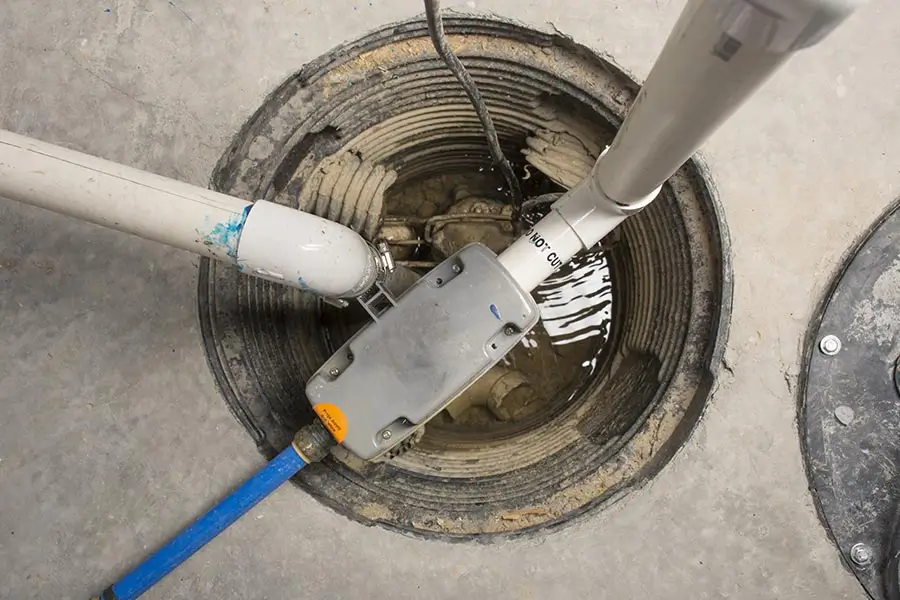
  • Plumbers create a deep basin to place the device, which operates via an electric motor. 
  • Groundwater fills inside the basin until a float switch triggers the unit to turn on. 
  • An impeller rotates to push water through a connected discharge line. 
  • The discharge line runs through the yard to release water away from the foundation. 
  • The machine automatically shuts off when the water inside the pit reaches a certain level.

Identifying Normal Sump Pump Usage Patterns in St. George

How long can a sump pump run continuously? Modern systems can push water through discharge lines for up to 22 consecutive hours. Your equipment might run for several hours when conditions call for it and show no signs of sump pump overheating or failure. 

Ongoing operation isn’t uncommon if the area experiences severe storms that bring multiple days of heavy rain. As basin water levels continue to rise, the system must work hard to expel all the moisture and keep your basement or crawl space dry. 

However, you don’t have to experience a lot of rain for the sump pump to kick on. These devices tend to operate more in the winter. The thawing ground contains a lot of moisture, while excess snowmelt can seep into sump pits. 

Three Common Malfunctions That Result in Continuous Sump Pump Operation

Ask an expert, “How long can a sump pump run continuously?” and they’ll tell you that several hours of usage isn’t always a concern. Bear in mind that a sump pump failure causes abnormal operation and may leave your system running longer than necessary. Check out some common issues that make these devices operate constantly and how to address them. 

1. Sump Pump Float Switch Issues

The float switch not only signals when the system must begin extracting water but also when it should shut off. If your unit has a faulty float switch, it may not stop running despite low levels inside the basin. Have a professional plumber inspect the equipment and perform repairs if necessary. 

2. A High Water Table

Heavy rains can lead to a high water table and increase the risk of groundwater seeping into your foundation. Installers must be aware of the water table when they place the sump pump to avoid issues like continuous operation. If you notice this problem, you might need to relocate the basin or install a secondary pump for extra support. 

3. Electrical Problems

How long can a sump pump run continuously during dry weather? A functioning system shouldn’t operate at all during dry conditions. If yours does, you may have to address some electrical malfunctions. 

Faulty wiring or motor components can incorrectly lead your unit to keep running for hours, even when it’s not necessary. You should have an experienced St. George plumber inspect the equipment and recommend the best course of action, such as electrical repairs or system replacement. 

Conduct regular maintenance to help your sump pump operate properly. Clean any debris out of the pit to avoid clogged discharge lines, and test the pump by pouring a few gallons of water into the basin. If problems persist despite maintenance, you may need to replace the system.

Our St. George Plumbers Can Restore Your Faulty Pump

How long can a sump pump run continuously? If your system must contend with heavy rains, it may operate for longer than usual. However, you must recognize the signs of a failing sump pump, such as continuous operation during the dry season, and act quickly.

Reach out to Iron Mountain Plumbing if your unit appears to malfunction. We specialize in sump pump repairs and will do everything we can to keep your basement dry. Call today!

How To Deal With Rusty Tap Water Issues in Ivins, UT

There’s nothing worse than going to brush your teeth or filling up a glass of refreshing water and finding brown liquid coming from the faucet. Rusty tap water affects countless homeowners, but you don’t have to let it take a toll on your normal routine.

In this guide, our emergency plumbers in Ivins, UT, share the common causes of rust-colored water, its dangers, and what you can do to enjoy clear H2O again. 

Why Is Rust-Colored Liquid Coming From the Tap in Your Ivins Home? 

It can be quite jarring when you turn the handle on your faucet and find reddish-brown liquid filling the sink. Why do you suddenly see this instead of the clear, clean water that usually comes from the tap?

Several issues may be to blame, including:

  • Mineral deposits: Municipal piping systems may send a water supply dense with minerals into your home. Ivins locals may notice changes in their supply due to the amount of minerals in the liquid. 
  • Impacted supply lines: Rust can stem from the pipe itself and end up affecting the substances inside it. If one supply line begins to deteriorate, you might notice rusty tap water streaming from only that connected faucet rather than affecting all your home’s plumbing fixtures. 
  • Sediment buildup: Can you enjoy a cold, refreshing glass of H2O but find that your shower head only distributes odd-smelling, discolored water? Your hot water heater tank likely has sediment inside, impacting the supply that runs through your pipes. 

Whether you believe iron contamination or a neglected water heater to be the source of the problem, it’s best to connect with a plumber. Experts can evaluate the situation, test all faucets, and recommend proven solutions. 

Unwanted Consequences of Water Discoloration and Contamination

Having rusty tap water in your Ivins home not only affects your plumbing fixtures but impacts your health and hygiene as well. Take immediate action if this issue affects your home to avoid the following:

  • Iron poisoning: An unpleasant metallic taste in water could stem from excess iron inside the supply. Consuming too much can lead to iron poisoning, which causes symptoms like nausea, vomiting, and liver damage.
  • Skin rashes: Bathing in unsanitary water can wreak havoc on your skin. Mineral imbalances often cause itchy, flaky skin, with some people prone to rashes. 
  • Brittle, dull hair: Lathering your hair with shampoo might not be enough to get it clean and healthy if you rinse it with contaminated water. 
  • Damaged clothing: Imagine taking a load of laundry out of the machine only to find that your clothes are somehow dirtier after a wash. When the taps supply oxidized liquid to the washer, it results in a stained, unsightly wardrobe. 

How To Eliminate Rust From Your Water Supply: Three Tips for Ivins Homeowners

Modern plumbing systems have come a long way, but it’s not uncommon for your pipes to carry rusty water. What can you do to fix this? Experts recommend the following tips. 

1. Let the Faucets Run

The discoloration may be due to some excess debris inside the pipes that needs to run its course. You can let the faucet run for a few minutes in hopes that the rusty tap water will soon turn clear. Bear in mind that this may only be a short-term solution and won’t help if you have corroded pipes or a highly contaminated supply line. 

2. Install a Filtration System

A water quality testing expert can identify all levels of minerals, chemicals, and metals within your home’s supply. Abnormal or dangerous levels of contaminants often call for a whole-house filtration system. This technology keeps households safe by eliminating all sediment and unwanted debris that flows through municipal pipelines. 

3. Replace Your Pipes

If the contamination stems from pipe corrosion, your best solution is to replace all corroded plumbing. The problem will continue to worsen if you don’t act quickly. Ignoring the issue increases the risk of leaks and serious damage, so don’t hesitate to schedule a pipe replacement service. 

Your plumbing system will operate without issue when you restore faulty pipes. 

Address Water and Piping Issues With the Help of Our Ivins Plumbers 

Don’t let rusty tap water threaten your hygiene and safety. At Iron Mountain Plumbing, we know how to pinpoint the causes of water discoloration and provide solutions to give you peace of mind. Reach out to us if you’re dealing with this issue and want experts to provide home plumbing safety tips.

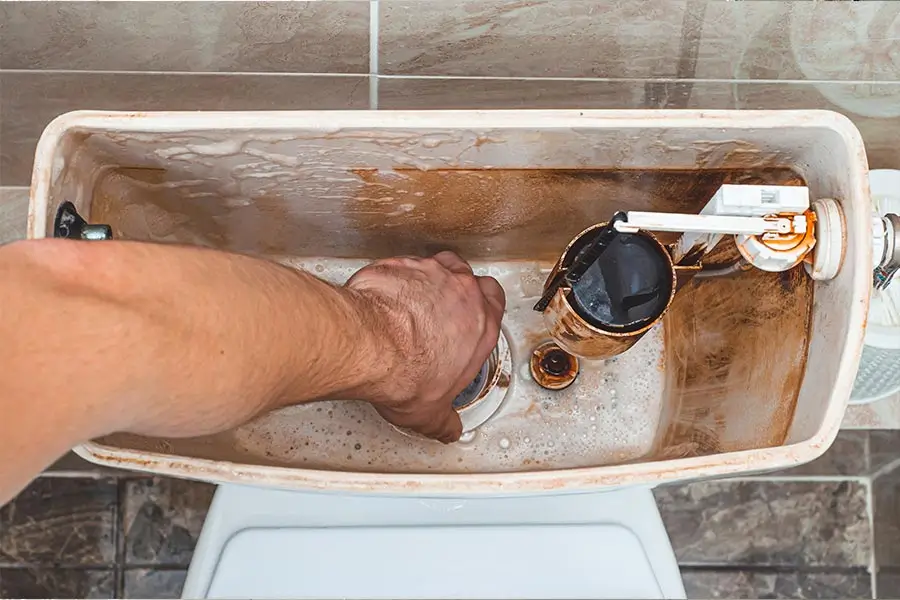
Toilet Tank Repair

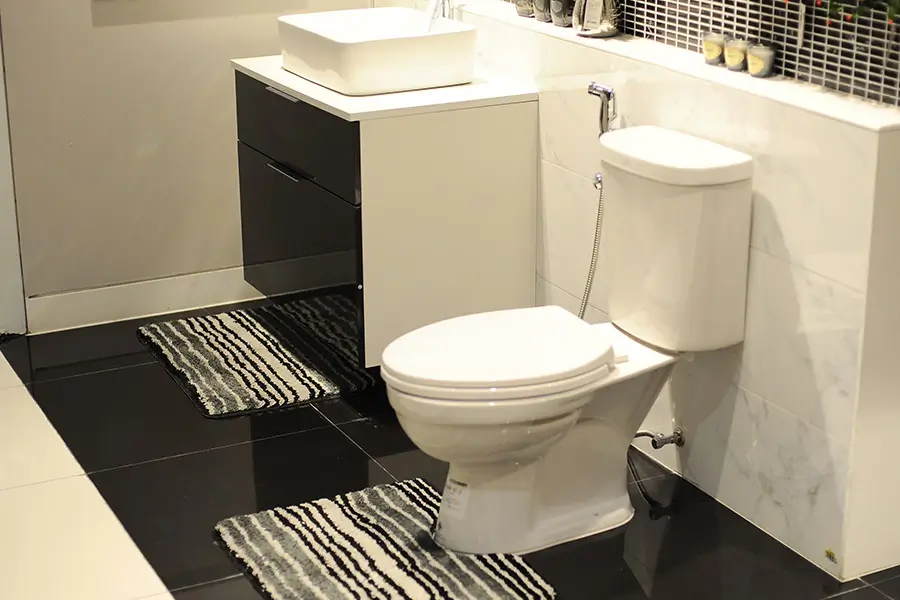
Why Is Your Toilet Running Constantly in New Harmony, UT?

Normally, when you flush the toilet, it stops running after a minute or so. This time, the sound of running water just won’t cease. All day long, it sounds like there’s a river running through your bathroom. You want a solution to stop the racket, and fast.

Below, learn why the toilet keeps running, then call our plumbers for toilet repair in New Harmony, UT.

The Anatomy of a Toilet Explained

Flushing toilets have been around since the late 1700s, and the design hasn’t changed all that much since then. Toilets are fairly basic, which means there’s a good chance you might be able to fix one yourself.

It’s smart to familiarize yourself with the inner workings of a toilet before you start working on yours. Lift the toilet tank lid, and let’s take a tour.

On the far left side, you’ll see a thin tube that kind of looks like a straw. This tube connects to the toilet handle. Look up a bit and you’ll see the pump, which is responsible for filling the tank up again after you flush. This is connected to a float, which goes up and down as the water level changes and tells the toilet when to stop filling.

Next to the pump is the overflow tube, which disperses excess water. This connects to the flapper valve, which prevents water from getting into the toilet bowl.

Any one of these parts could fail and cause your toilet to keep running.

Before Working on Your Toilet

Many toilet repairs are rather simple if you’re handy, and learning how to fix your toilet is a good skill to have. That said, if you’re not comfortable working on your toilet or don’t want to spend hours on such a project, it’s a good idea to call a plumber in New Harmony. Our plumbers are experts at diagnosing toilet problems. We’ll figure out why the toilet keeps running and have yours fixed in no time.

If you’d like to try fixing the toilet yourself, shut off the water supply before working. This will prevent the toilet from overflowing.

Top Reasons Why the Toilet Keeps Running in New Harmony, UT, and How To Fix Them

Why is your toilet running constantly? The cause could be anything from a loose flapper chain to a clog in your pipes. Below, we’ll cover the most common reasons why your toilet keeps running and how to resolve them.

The Handle Is Stuck

Let’s start with the easiest-to-fix cause of a toilet that runs constantly: a stuck handle. If your toilet handle is stuck, here’s what can happen:

  • The toilet might refuse to flush.
  • The toilet may continue to fill with water until it overflows.
  • If the handle is caught in the flush position, water will drain but not refill, leaving the tank empty.

Fixing a jammed toilet handle is simple. Lift the tank lid and look for the tube that connects to the handle. Wiggle this tube up and down a few times to unstick the handle.

This usually does the trick, but if it doesn’t, you may need to replace the handle. Here’s how:

  1. Shut off the water supply to the toilet if you haven’t yet done so. The water supply is usually located behind or under the toilet.
  2. Flush the toilet to remove water in the tank and relieve pressure from the toilet handle lever.
  3. Disconnect the flapper chain from the handle. Note which link in the chain the old handle was connected to.
  4. Use a screwdriver to remove the handle from the toilet. Some handles have a plastic mounting nut that you can remove by hand.
  5. Remove the O-ring and nut from the new handle. Insert the handle into the hole where the old handle was, then replace the nut and O-ring.
  6. Tighten the nut, ideally using a wrench for a snug fit.
  7. Reattach the flapper chain in the same position as before.
  8. Turn on the water supply and flush the toilet to test your handiwork.

The Toilet May Be Clogged

If you’re wondering why the toilet keeps running, there may not be anything mechanically wrong with it. Rather, you might have a clog somewhere in your pipes. This will cause the toilet to run constantly because water and waste have nowhere to go.

There are several methods for unclogging a blocked toilet. One option is to use a plunger. Here’s how to use a plunger the right way:

  1. Ensure there is at least a little bit of water in the bottom of the toilet bowl. If the bowl is dry, add about a cup of water.
  2. Press the plunger firmly over the toilet drain to get a good seal. Push the plunger at a slight angle, not straight down, which will cause air pockets and render plunging ineffective.
  3. Push up and down vigorously until the water begins to drain.

If this doesn’t work, or you don’t have a plunger, try a hot water-soap mixture to loosen the clog. Fill a bowl or pitcher with very hot (not boiling) water and add a few drops of liquid dish soap. Pour the solution into the bowl and let it sit for 20-30 minutes. With luck, this will soften the clog and help it go down the drain.

If neither of these solutions work, it might be time to call a plumber.

The Flapper Chain Is Loose

Peek inside your toilet’s tank and look for a thin metal chain connected to the flapper. This chain’s job is to open the flapper when you flush the toilet. If it’s disconnected or the chain length is too short, the toilet will run nonstop.

Luckily, the fix for this problem is simple. If the chain has fallen off, reconnect it. You may need to reposition the chain a few times to get it right. If the chain is too short, disconnect and reattach it so it has more slack.

The Flapper Is Broken or Dirty

Toilet flappers, which are usually made of plastic or rubber, become worn and dirty over time. They usually last for about five to eight years, at which point you’ll need to replace yours. Here’s how:

  1. Shut off the water supply to the toilet.
  2. Remove the flapper chain from the toilet handle.
  3. Remove the flapper. If your flapper is made of rubber, it will slide off the pegs. If the flapper is made of hard plastic, it’ll snap off instead.
  4. Insert the new flapper and connect each of its ears to the pegs on the sides of the flush valve.
  5. Reconnect the flapper chain to the flapper and handle.
  6. Turn the water supply back on and flush the toilet to test your work.

You May Need To Make a Float Adjustment

A misaligned float is one of the most common reasons why toilets keep running. Your float needs adjustment if it sits just above water level or is angled all the way up.

Push the float down until it’s fully submerged in the water. In some toilets, you’ll need to loosen the adjustment screw on the float to reposition it. Once the float is in the right position, your toilet should stop running.

The Refill Tube Is the Wrong Size

The refill tube controls how many times the toilet flushes to push waste down the drain. If it’s either too long or too short, your toilet will run nonstop.

The top of the refill tube should sit about an inch below the fill valve. If it’s too long, you can either replace it or cut it down to the proper size. If it’s too short, replacing it is the only option.

Your Home’s Water Pressure Is Too High

Sometimes, toilets run constantly because the water pressure in a home is too high. If this is the case for you, your toilet’s flapper could get stuck open, causing the toilet to run ceaselessly.

The best way to resolve too-high water pressure is to install a pressure-reducing valve in your toilet. This valve will reduce the volume of water that your toilet uses for each flush.

Installing a pressure-regulating valve is a bit more complicated than the other fixes described above, so it’s best to hire a plumber for the job.

Should You Call a Plumber?

If, despite your best efforts, the toilet continues to run, it’s time to call a plumber from Iron Mountain Plumbing. Our highly trained plumbers can diagnose any problem with your toilet and fix the issue quickly.

In some cases, we might suggest replacing your toilet. This isn’t all bad news, though. Today’s toilets are much more efficient than older models, which can help you save a bundle on water bills.

Stop Stressing Over Why the Toilet Keeps Running and Call Our Plumbers in New Harmony, UT

If you’re still wondering why the toilet keeps running and none of the above solutions seems to help, reach out to our expert plumbers at Iron Mountain Plumbing. We’re pros at fixing gurgling toilets and toilets that run around the clock.

Call today to schedule service from a top plumber in New Harmony, UT.

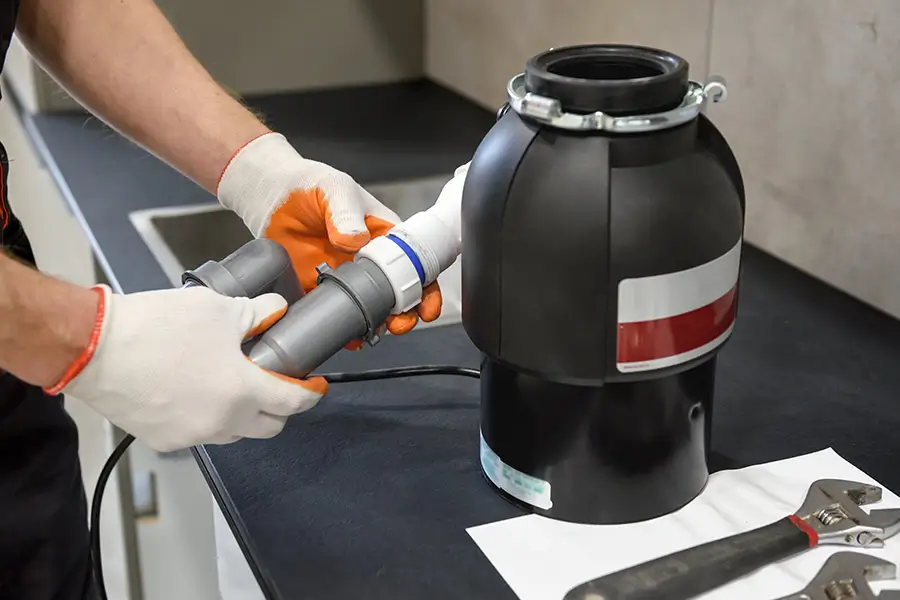
Plumber installing a garbage disposal unit.

Five Reasons Your Garbage Disposal Stopped Working in Kanarraville, UT

If you’re like many homeowners in Kanarraville, you probably don’t pay much attention to your garbage disposal until it stops working. Having your garbage disposal fail is frustrating, but fortunately, these small appliances are usually fairly easy to fix. You may even be able to repair yours without calling a plumber.

Below, you’ll learn the most common reasons why your garbage disposal stopped working and how to resolve them. If you still can’t fix the problem, call us for garbage disposal repair in Kanarraville, UT.

Top Reasons Why Your Garbage Disposal Stopped Working

Garbage disposals, while tough, can fail for any number of reasons. Should your disposal kick the bucket, it’ll stop grinding food, leaving waste to rot in your drains. The disposal might make a humming noise or refuse to turn on at all. Needless to say, you want the issue fixed ASAP.

Here are a few common reasons why garbage disposals stop working.

1. You’ve Got a Nasty Drain Clog

When food gets stuck in your pipes, your garbage disposal will refuse to budge. Most often, clogs are caused by throwing things down the disposal that should go into the trash instead. That includes food waste such as:

  • Onions and potatoes, the skins of which can get stuck around the disposal’s blades
  • Rice and pasta, which turn into a thick paste that gums up the works
  • Eggshells, which feature an inner membrane that’ll wrap around the impeller
  • Coffee grounds as they become thick and sticky when wet

Essentially, don’t throw any sticky or fibrous food scraps down the disposal.

In some cases, clogs happen when you or someone else in your home drops a foreign object down the disposal. Our plumbers commonly find items such as forks, pieces of glass, and even wedding rings in customers’ disposals.

2. You’re Having Electrical Problems

Does your garbage disposal refuse to turn on at all when you flip the switch? If you hear nothing, not even a soft hum, you’ve likely got a power problem. There may be something wrong with either the unit or your circuit breaker.

If other devices connected to the circuit breaker work fine, the issue probably lies with the garbage disposal itself. You may need to call a plumber or replace the disposal.

3. The Flywheel Is Jammed

All garbage disposals feature a motor with a hopper or grinding chamber on top. Inside the grinding chamber is the flywheel, which looks like a little metal plate, plus a shredding ring that chops up food scraps.

If the garbage disposal turns on but only makes a humming sound, the flywheel is probably jammed. Luckily, it’s easy to fix. We’ll explain how to do so below.

4. The Unit Is Overheating

If your garbage disposal runs for a while but then shuts off without warning, it’s likely overheating. The disposal features an overload protector that forces the unit to shut off to prevent damage.

Overheating typically happens when homeowners run the disposal for too long. Let your disposal rest for a while, and it should cool down enough to be used again.

5. The Disposal’s Motor Has Gone Bad

Just like your car, a garbage disposal needs a motor to run and chop up food. With good care, your disposal’s motor can last anywhere from 10 to 15 years. After that point, the motor may burn out.

It’s possible to replace the motor, but given the relatively inexpensive price of garbage disposals, you may be better off replacing the unit.

Troubleshooting Your Garbage Disposal in Kanarraville, UT

If your garbage disposal stopped working, you’re probably wondering what to do about it. Follow these troubleshooting tips before you call a plumber.

Check the Power Supply

There’s a reason why so many customer support agents ask, “Have you tried turning it off and on again?” Such simple fixes may seem silly, but far too many people don’t bother with the basics. Starting with the little things is smart because it can save you hours of frustration.

To start, make sure the disposal is still plugged into the electrical outlet under your sink. The power cord may have fallen out while you were rummaging around in the cabinet. If the plug is disconnected, simply plug it back in, and you’re good to go.

Is your disposal tripping the circuit breaker? This is common in older homes when multiple appliances share the same circuit. The breaker can’t supply power to all of them at once, so it trips. A tripped breaker is likely the problem if other devices on the same circuit have stopped working as well.

The cheapest and easiest solution is to only run the disposal when you’re not using other devices on that circuit. Alternatively, you could upgrade your circuit breaker or run the disposal on its own circuit.

Reset the Disposal

Once you’ve confirmed that the disposal is receiving power, try resetting it. Like your phone or computer, disposals occasionally need to be reset when they stop working. Luckily, resetting the disposal is simple and doesn’t require you to take apart the unit.

Look at the bottom of the disposal and locate the reset button. It might be black or some other color. Press the button down firmly and release it. For some models, you might need to hold the button down for a few seconds.

Once you’ve pressed the reset button, try running the disposal.

Remove Food Clogs

As mentioned above, certain food items should never go down the disposal. If you’ve tossed something bad down your disposal, you’ll need to remove it.

First, try plunging the sink drain with a cup plunger. Pour a little water into the sink so the plunger can get good suction, then press the plunger firmly over the drain. Pull up and down on the plunger vigorously to dislodge the clog.

If this doesn’t work, try disconnecting the drain trap and discharge line. Set a bowl or bucket below the disposal before you do this to contain water spillage. Look for clogs in the line or trap and remove them.

Rotate the Impeller and Flywheel

We commonly get calls from customers asking, “My garbage disposal makes a humming noise but doesn’t work. What’s wrong?” Most likely, there’s a jam somewhere in the flywheel or impeller. Both of these parts are responsible for chopping up food debris. If a foreign object like a knife falls down the disposal, it’ll get stuck.

You may be tempted to reach your hand into the disposal and grab whatever’s blocking it, but never, ever do this. The blades of a garbage disposal are extremely sharp and can seriously injure you. You wouldn’t want to have your hand caught in the disposal if it somehow springs to life.

To fix a stuck impeller or flywheel, here’s what to do:

  1. Disconnect the disposal from the power outlet (or flip the circuit breaker if your unit is hardwired).
  2. Look for a small hole on the bottom of the disposal and in the very middle of the unit. Insert the garbage disposal key that came with your unit (or a 1/4-inch hex wrench) into the depression. Turn the wrench back and forth a few times to dislodge the object.
  3. If this doesn’t work, you can also try inserting the end of a broom handle into the disposal to dislodge the item. Once you’ve done that, use pliers to extract it.
  4. Plug the unit back in, run your faucet, and turn on the disposal to see if you’ve fixed it.

Find and Fix Leaks

Maybe your garbage disposal still works, but you discover a puddle of water below your sink every time you run it. If your disposal is leaking, first check the lines that run to and from the unit. If either of these lines is leaking water, simply tighten the connections. If that does not fix the problem, you will need to replace one or both lines.

If the disposal only leaks when the dishwasher runs, inspect the dishwasher drain line which is located near the top of your disposal. Again, try tightening the connections to see if this resolves the problem.

Replace the Garbage Disposal

It’s generally easy to fix most garbage disposal problems, but if your unit still won’t work, you might need to replace it. This is the case if your disposal has a burnt-out motor or is leaking from its casing.

Check your warranty to see if it will cover a new disposal. If not, you’ll pay anywhere from $75 to $950 to install a new one.

Wondering Why Your Garbage Disposal Stopped Working? Call Our Expert Plumbers in Kanarraville, UT

If you’ve tried these fixes and are still wondering why your garbage disposal stopped working, reach out to our pros at Iron Mountain Plumbing. We can resolve any issue with your disposal, from a jammed impeller to kitchen plumbing leaks. If your disposal is beyond repair, we also offer speedy and affordable garbage disposal installation.

Call Iron Mountain Plumbing to schedule service in Kanarraville, UT, today.