Check Us Out On Our Social Media

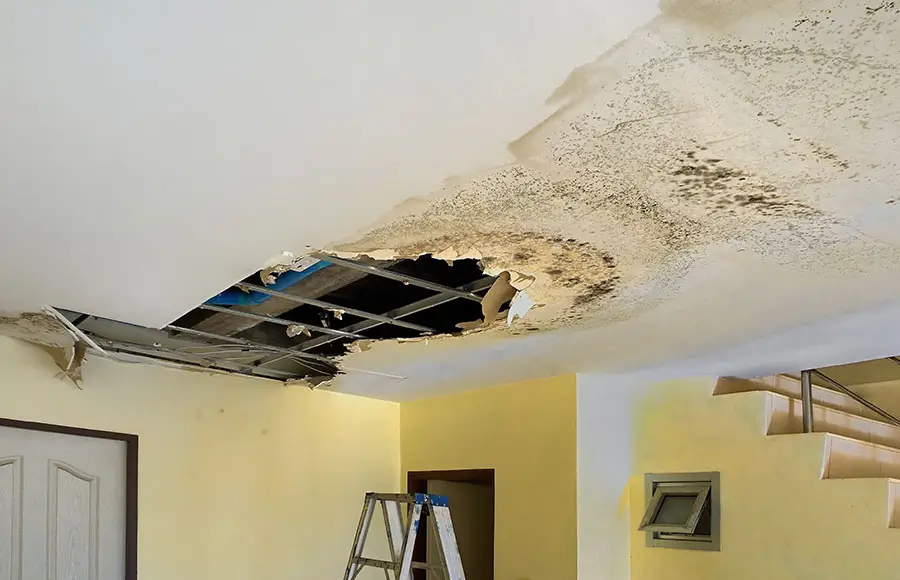
Collapsed ceiling with severe water damage

Expert Pipe Leak Repair Services: Your Comprehensive Solution

Have you ever woken up to the unpleasant surprise of a water stain on your ceiling or the sound of dripping water in your home? These unwelcome signs often point to a pipe leak, a common household headache that demands swift attention. Our blog post will guide you through understanding the usual suspects behind such leaks, equip you with the knowledge to spot early warning signs and present our professional pipe leak repair services your definitive answer to this pervasive problem. By engaging with this content, you’ll discover how to effectively address these leaks and take preventative measures to secure your home against future issues. Tackle pipe leaks confidently; let’s ensure your peace of mind with expert repair solutions.

Understanding the Common Causes of Pipe Leaks

When you notice unexplained water damage or suspect a hidden leak, understanding the common causes is crucial. Corrosion and the natural wear of aging pipes often lead to leaks, while excessive water pressure can put undue strain on your plumbing system. Roots from nearby trees may seek moisture and infiltrate your pipes, causing blockages or breakages. Temperature fluctuations also test pipe resilience, potentially leading to cracks. Proper installation and construction practices must be addressed, as these are foundational to long-term pipe integrity and function. These factors can contribute to pipe leaks and possible mold growth, emphasizing the need for prompt leak detection and repair.

Corrosion and Aging Pipes

As your household plumbing system ages, corrosion becomes a prevalent threat that can compromise the integrity of your pipes. Faucets in your shower or sink may start showing telltale signs such as discoloration, reduced water pressure, or leakage, often indicating the onset of corrosion. As a customer, you must be aware that these issues are not merely cosmetic but could herald deeper pipe deterioration that leads to leaks or bursts, requiring professional repair services.

Extended exposure to minerals in the water supply can accelerate the degradation of pipes, leading to corrosion that manifests through leaks, which might stay hidden until mildew or more severe structural damage occurs. Vigilance in monitoring common plumbing areas and early intervention can spare you costly repairs and preserve the longevity of your home’s plumbing infrastructure. Don’t wait until you’re faced with a damaging and disruptive leak; reach out for expert assistance at the first sign of trouble.

High Water Pressure Issues

High water pressure might be the culprit if you’ve observed a disturbing damp spot on your ceiling or wall, particularly in the bathroom. Your home’s pipes are designed to tolerate only so much force, and when water moves through at pressures exceeding the standard, it can lead to ongoing stress on the plumbing. Such an overburdened system puts your pipes at risk of leaks, demanding expert repair services to avert extensive damage and ensure customer satisfaction.

Tree Root Intrusion Into Pipes

When your peaceful basement unexpectedly becomes the site of a water intrusion crisis, tree root infiltration into your pipes can often be the offender. Your home’s proximity to large trees could mean roots are invading your water supply lines, seeking moisture and nutrients. This can result in significant damage and the need for emergency repair services. Prompt customer service from pipe leak repair experts can guide you through returning your basement to its safe, dry state and safeguarding your water supply.

Poor Installation or Construction Practices

Poor installation or substandard construction practices are cornerstone concerns that often lead to a devastating burst pipe or the urgent need for water line repair. When your plumbing is not assembled with precision and adherence to industry standards, you may eventually require professional plumbing repair services. This underscores the significance of choosing reputable professionals with the expertise to ensure proper leak repair and plumbing services, securing the integrity of your home’s water system.

Mishandling of pipe fittings, inadequate soldering, or incorrect piping materials are all instances that can compromise your plumbing, turning what should be a long-term solution into an imminent call for emergency plumbing services. When you are faced with these challenges, it pays to have access to reliable leak repair specialists who can swiftly rectify the issues and restore your peace of mind:

  1. Identify and address the root cause of the plumbing issue.
  2. Provide a comprehensive assessment and transparent solution.
  3. Repair or replace damaged components to prevent future leaks.

Identifying the Signs of a Pipe Leak in Your Home

Unexpected Increases in Water Bills

If you’re experiencing an unwelcome surge in your water bill, it could be a silent signal of underlying plumbing leaks that demand immediate attention. The precision of a leak detection service is vital in discovering these hidden plumbing problems before they escalate, providing a targeted approach to repair. Remember, if your bills continue to climb without explanation, it’s time to consider the expertise of plumbing repair services to investigate and address these cost-inflating issues.

Damp Spots or Water Stains on Walls and Ceilings

If you notice damp spots or water stains on your walls and ceilings, this could indicate pipe leaks behind these surfaces. You’re encouraged to seek a free quote from leak repair services to assess the situation promptly. Water stains are often the first visible sign of a deeper problem, and prompt water leak repair can prevent further structural damage to your home.

Growth of Mold or Mildew

If you detect an unusual odor or see an inexplicable growth of mold or mildew on your property, it may be more than just a cleaning oversight. Often, these are clear indicators that your pipes may leak moisture into areas they shouldn’t, creating an ideal environment for such unwelcome growths. Trenchless technology provides an advanced solution, allowing expert repair services to address these issues without extensive damage to your landscape or structures.

The Importance of Prompt Pipe Leak Repair

Preventing Structural Damage to Your Property

Ignoring the need for expedient pipe leak repair can lead to structural damage, such as weakened framing and compromised foundations. As water infiltrates areas it’s not meant to, the integrity of building materials like wood and drywall diminishes, potentially resulting in costly reconstructions. Expert pipe leak repair services can promptly diagnose and resolve these issues, protecting the structural well-being of your property and avoiding the escalation of damage.

Moisture from unaddressed leaks creates a breeding ground for rot and decay that can weaken your home’s structure. You must be especially vigilant for leaks in load-bearing areas where the risks are magnified. By engaging professional leak repair services, you mitigate these risks and ensure your home remains a safe and robust sanctuary for your family. The right technicians will assess the damage and offer solutions that guard against future vulnerabilities in your home’s structure.

Avoiding Health Risks Associated With Mold

Avoiding the health risks associated with mold starts with addressing moisture issues at their source. Neglected pipe leaks offer the perfect breeding ground for mold and mildew, which can lead to respiratory problems and allergic reactions. By promptly engaging expert pipe leak repair services, you safeguard indoor air quality and protect your family’s health from these risks.

Swift action is crucial when you spot mold signs indicating excess moisture from a potential pipe leak. An expert technician can assist you in identifying the root cause and resolving the issue effectively, thus preventing further mold growth. Following this approach, you protect the well-being of your household:

  1. Consult with a professional at the first hint of mold.
  2. Receive a comprehensive evaluation of your plumbing to locate leaks.
  3. Implement solutions that ensure lasting dryness and prevent mold recurrence.

Conserving Water and Reducing Bills

Quick response to pipe leaks is not just about preventing water damage; it’s also about water conservation and cost savings. Promptly addressing such issues with the help of expert pipe leak repair services helps reduce water wastagea precious resourcethereby contributing to lower water bills. As you take action, you’re protecting your home and promoting sustainable living.

Consider the added financial benefits: fixing leaks early saves you from the heightened costs associated with major repairs. Professional leak repair specialists are adept at identifying and remedying even the smallest leaks, which, over time, can lead to significant savings on your utility bills. By protecting your home from water loss, you make a valuable investment in both the environment and your financial future:

  1. Seek out professional leak detection to curb water waste and extra expenses.
  2. Repair leaks swiftly to minimize water usage and protect your household budget.

Ensuring a Safe Living Environment

Ensuring a safe living environment for you and your family begins with keeping your home’s plumbing in optimal condition. If not addressed quickly by expert repair services, pipe leaks can foster conditions that compromise safety, such as structural integrity issues or slippery surfaces that might lead to accidents. You can trust the expertise of professional plumbers, who can efficiently correct such problems, maintaining the safety of every room in your house.

Expert pipe leak repair services go beyond fixing immediate issues they help prevent potential health hazards associated with mold and mildew brought on by persistent dampness. Addressing leaks early can protect you from potential respiratory issues and allergic reactions, ensuring your home remains healthy and comfortable.

Our Professional Pipe Leak Repair Services

Advanced Leak Detection Techniques

Our services embrace cutting-edge leak detection techniques and provide a critical advantage in protecting your home. Employing state-of-the-art acoustic sensors and infrared thermography, we detect even the most elusive leaks, hidden from the naked eye yet revealing themselves to our technology. This precise approach minimizes property disruption while ensuring leaks are pinpointed for effective resolution.

Imagine the peace of mind you gain from knowing that the latest leak detection technology is at your service: non-invasive, accurate, and reliable. The expert use of sonar-based equipment makes it possible to identify leaks with impressive accuracy, allowing for timely and targeted repairs to your specific needs.

Non-Invasive Repair Methods

Our commitment to maintaining the integrity of your home’s structure during pipe leak repairs has led to using non-invasive repair methods. You’ll appreciate how our advanced techniques avoid significant disruption to your property, employing strategies that efficiently address your plumbing issues without needing large-scale excavations or wall tear-outs. This approach not only saves you time and money but also spares your property from unnecessary damage.

Skilled and Certified Technicians

At the core of our proficient pipe leak repair services, you’ll find certified technicians whose expertise is unparalleled. Each team member has undergone rigorous training and holds certifications that validate their knowledge and skills in leak detection and repair. This assurance of excellence means they not only understand the intricacies of your plumbing system but also bring precision and care to each repair, which is essential for enduring results.

Use of High-Quality Materials

Ensuring the longevity and durability of your plumbing system hinges on the quality of materials used during pipe leak repair. Acknowledge that our expert technicians select only premium materials that meet or exceed industry standards, providing you with repairs that stand the test of time. Trust that when you enlist our services, you’re investing in solutions that not only address your immediate concerns but also fortify your plumbing against future issues.

24/7 Emergency Repair Availability

When a pipe bursts unexpectedly or leaks develop beyond regular business hours, you need reliable emergency repair services that operate round-the-clock. Our 24/7 availability ensures that expert assistance is just a phone call away whether your plumbing emergency occurs late at night or on holiday. Recognizing the urgency of such situations, we commit to rapidly assessing and addressing your pipe leak issues and mitigating potential damage to your home.

What to Expect During the Pipe Repair Process

Initial Assessment and Consultation

Embarking on the repair process, you begin with an initial assessment and consultation, a crucial step in our expert pipe leak repair services. During this initial engagement, skilled technicians evaluate the severity of your situation with precision, ensuring that the subsequent repair plan is tailored to your unique circumstances. Their expertise in detecting leaks promises thorough diagnostics and a clear path to a watertight solution.

An effective consultation equips you with a transparent understanding of the required repairs and the anticipated outcomes. Our professionals listen to your concerns, explain the necessary steps, and provide a detailed estimate: this collaborative approach not only addresses the immediate problem but also sets a foundation for successful long-term maintenance and prevention.

  1. Technician inspection to assess the full extent of the leak.
  2. Discussion of findings with you and confirmation of the proposed repair strategy.
  3. Transparent provision of cost and time estimates for the repair work.

Accurate Diagnosis of the Leak Issue

An accurate diagnosis of the leak issue begins with a meticulous inspection by seasoned professionals equipped with the latest tools. Utilizing advanced technology like acoustic detectors and infrared cameras, they can precisely pinpoint the location and magnitude of leaks in your plumbing system, establishing the groundwork for targeted repairs. This diagnostic process is integral to our expert pipe leak repair services, ensuring each step addresses the core of the problem for effective and lasting solutions.

Preventative Measures to Avoid Future Pipe Leaks

Regular Plumbing System Inspections

Embracing regular plumbing system inspections is one of the most effective strategies you can deploy to preempt future pipe leaks. These inspections, conducted by expert technicians, can uncover subtle signs of wear, corrosion, and other potential issues before they manifest into costly problems. With proactive examinations, you protect your home from unforeseen water damage and secure the high functionality of your plumbing system.

Consider the benefits of scheduling routine checks with a pipe leak repair service: you’ll ensure that every joint, fitting, and pipe segment is evaluated for integrity and performance. If an issue is discovered, you can immediately rectify it, thus avoiding the inconvenience of emergency repairs. Skilled professionals use their knowledge and advanced tools to provide a thorough assessment of your plumbing system and its susceptibility to leaks.

Monitoring and Regulating Water Pressure

Overseeing and adjusting the water pressure in your home can avert pipe leaks and the need for frequent repair. High water pressure lays the groundwork for premature wear and potentially damaging leaks beyond what your pipes are designed to handle. By installing a pressure regulator, you can maintain water pressure within a safe range, protecting your plumbing system and minimizing the risk of stress-induced leaks.

Conclusion

Expert pipe leak repair services offer an essential, thorough solution to safeguard your home’s plumbing integrity and your family’s well-being. They combine advanced leak detection, non-invasive repair methods, and high-quality materials, ensuring lasting results. Professional technicians act quickly to prevent structural damage, mitigate health risks, and conserve water, ultimately protecting your property value. Investing in these comprehensive services aligns with wise home maintenance, offering peace of mind and securing your home’s functionality and safety.
What are the typical causes of pipe leaks in homes?
Common causes of home pipe leaks include corrosion, shifting foundations, high water pressure, temperature changes, and deteriorated pipe joints.
How can I detect a pipe leak in my house?
To detect a pipe leak in your house, monitor for reduced water pressure, listen for dripping sounds, inspect for water stains on walls or ceilings, and check for unusually high water bills.
Why is it critical to repair pipe leaks quickly?
Prompt repairs of pipe leaks are vital to prevent water damage and mold growth, save on costly utility bills, and ensure the safety and comfort of your home.
What does your pipe leak repair service involve?
Our pipe leak repair service includes a thorough inspection, pinpointing the source of the leak, and implementing durable solutions to prevent future issues, ensuring restored functionality and water efficiency in your home.
Can I take steps to prevent pipe leaks from happening?
To prevent pipe leaks, regularly inspect pipes, insulate them against freezing, and promptly repair any corrosion or damage.
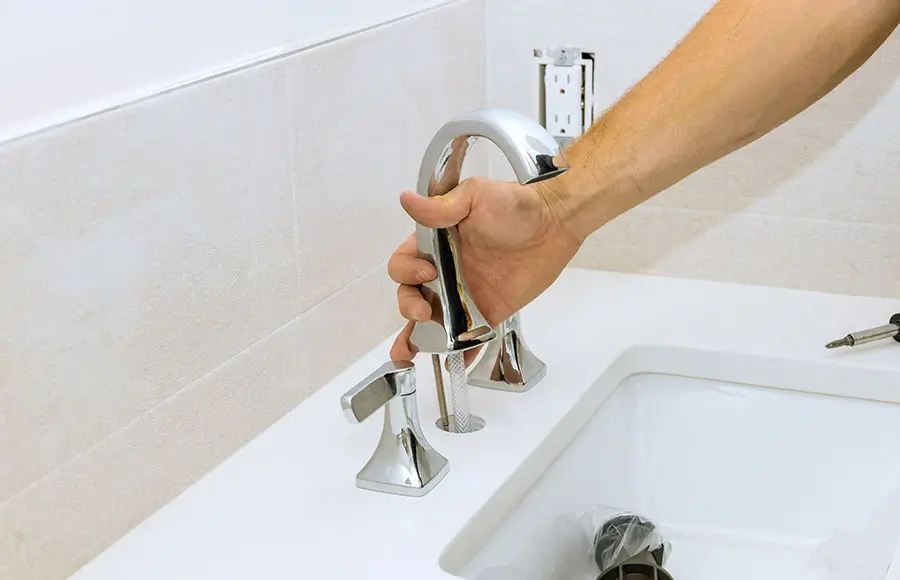
Hand installing a chrome faucet on a sink

Easy DIY Guide for Repairing Water Leaks at Home

Are you tired of dealing with water leaks in your home? Statistics show that one in ten households experiences significant leaking, leading to costly water bills and potential damage. In this easy DIY guide for repairing water leaks at home, you’ll learn about common sources of leaks, the tools you need, and step-by-step instructions for fixing leaky faucets and pipes. This guide can save money and prevent further damage, ensuring your home stays dry and comfortable. Addressing these issues will help you regain control over your plumbing and avoid the expenses of negligence, including damage from corrosion and professional repairs.

Understanding Common Sources of Water Leaks in the Home

Identifying leaks in plumbing fixtures is essential, as small pipe leaks can lead to significant water damage over time. Spotting signs of water damage on walls and ceilings, such as drywall discoloration, often indicates underlying issues. Additionally, detecting leaks in household appliances and recognizing problems with roofs and windows can prevent costly repairs. These areas will be explored in detail to help you address water leaks effectively.

Identifying Leaks in Plumbing Fixtures

When tackling home improvement projects, you should identify leaks in your plumbing fixtures. Common areas to check include faucets, toilets, and under sinks, as slow drips or pooling water can signal a problem. Not only can these leaks lead to potential water damage on your ceiling and walls, but they can also increase your water supply costs. Regular inspections allow you to catch these issues early and perform effective leak repair before they escalate.

You may encounter a variety of leak sources, including worn-out seals, loose fittings, or damaged piping. For instance, an improperly installed flashing around your plumbing fixtures can cause unwanted moisture, leading to rot and mildew. By familiarizing yourself with these common leak points and understanding how to address them, you can maintain a dry, safe environment in your home while enhancing your DIY skills.

Spotting Signs of Water Damage on Walls and Ceilings

To effectively spot signs of water damage on walls and ceilings, look for discoloration, bubbling paint, or peeling wallpaper, which often indicate moisture intrusion. Pay close attention to areas around showers and tanks, as these are common sources of leaks. Early detection is crucial, as prolonged exposure to water can lead to mold growth, creating health risks for your family.

Additionally, inspect for musty odors that can suggest hidden leaks behind walls. If you notice water stains near drains or plumbing fixtures, addressing these issues promptly is essential. Implementing these tips can help you maintain a safe and dry home environment while preventing more extensive damage and costly repairs down the line.

Detecting Leaks in Household Appliances

Examine your washer and other water-using devices when detecting leaks in household appliances. Check the hoses leading to the washer for any signs of wear or fraying, as this is often where leaks occur. If you find a loose connection, a simple twist with a pipe wrench can tighten the fittings, or you may need to replace the washer or gasket to create a better seal.

Next, inspect valves connected to your appliances. Look for any rust or corrosion, which can signal a potential leak. If you identify a leak around a valve, applying plumber’s putty can help seal the area. Regular maintenance and prompt action can prevent small leaks from turning into larger, more expensive problems in your home.

Recognizing Issues With Roofs and Windows

When evaluating potential leaks from roofs and windows, inspect areas where water might seep in, especially around the frames. Ensure screws fastening the frames are tight, as loose fittings can allow moisture to penetrate. Pay particular attention to bathroom windows, as the steam and humidity can exacerbate any weaknesses, leading to significant water damage if not addressed promptly.

Additionally, assess the condition of your gutter system, as clogged gutters can cause water to overflow and leak into your home. Using a reliable pump to clear out debris may help maintain proper water flow and prevent pooling near your foundation. If you notice any leakage or signs of water damage, consider enlisting plumbing services for a more thorough inspection.

Essential Tools and Materials for DIY Leak Repairs

Gathering the Right Plumbing Tools

Having the right plumbing tools is vital to effectively tackling water leak repairs. Start by gathering essential items like a pipe wrench, adjustable pliers, and a basin wrench. These tools will help you access tight spaces and secure fittings, making it easier to identify the source of a leak and apply necessary repairs.

In addition to hand tools, consider stockpiling repair materials such as Teflon tape, plumber’s putty, and a selection of replacement washers. These supplies will enable you to seal connections or fix dripping taps efficiently. By being well-prepared, you can ensure quick and effective resolutions to leaks, minimizing water damage and reducing repair costs.

Selecting Appropriate Sealants and Patches

When selecting appropriate sealants and patches for your DIY leak repairs, it’s essential to consider the type of material you are working with. For plumbing applications, opt for silicone sealants, which provide excellent waterproofing and flexibility. These sealants are ideal for bathroom fixtures and sinks, where moisture is common. Remember to check the label and ensure the product is designed for plumbing to achieve the best results.

In addition to silicone, you may want to keep a plumber’s putty on hand for sink and faucet repairs. This versatile material creates a watertight seal, making it suitable for various fittings. Apply it generously around the base of fixtures to prevent leaks effectively. By choosing the right sealants and patches, you can confidently tackle leaks, ensuring that your home remains dry and safe from water damage.

Safety Gear for Leak Repair Projects

Safety gear is fundamental to protecting yourself against potential hazards when embarking on a DIY leak repair project. Wearing durable gloves can shield your hands from sharp tools and harsh chemicals while working with plumbing materials. Additionally, goggles are a barrier against splashes that may occur during repairs, ensuring your eyes remain safe from irritants.

Step-by-Step Guide to Fixing Leaky Faucets

Shutting Off the Water Supply

Before you start repairing a leaky faucet, shutting off the water supply is vital. Locate the shut-off valves under your sink, usually found on the pipes leading to the faucet. Turning these valves clockwise will stop the water flow, preventing potential spills during your repair work.

If you don’t see individual shut-off valves, you may need to turn off your home’s main water supply. This is typically found near the water meter, in the basement, or outside the foundation. Shutting off the water supply not only ensures a cleaner repair process but also protects your home from water damage while you work on fixing the leak.

Disassembling the Faucet Components

To begin disassembling your leaky faucet, remove any decorative caps covering the screws. Use a screwdriver or adjustable wrench to gently unscrew the handle, ensuring you keep track of all small parts, including screws and washers, to avoid losing them during the process. A systematic approach allows you to organize these components, making it easier to reassemble the faucet once the repairs are complete.

Once the handle is off, you typically find a retaining nut that secures the cartridge or ball mechanism inside the faucet. Use your wrench to loosen and remove this nut carefully, taking care not to damage the surrounding fixture. With the retaining nut gone, you can pull out the cartridge or ball assembly, enabling you to inspect for worn washers or O-rings that may need replacement to eliminate the leak you are addressing.

Replacing Worn-Out Washers and O-rings

Replacing worn-out washers and O-rings is critical in fixing a leaky faucet. First, remove the old washer or O-ring from its seat using your fingers or a small tool. Ensure that the replacement parts match the size and type of the originals, as this will ensure a proper fit and effective sealing, preventing future leaks.

Once you have the new washer or O-ring in place, reassemble the faucet components in the reverse order of disassembly. Make sure everything is tightened securely, but avoid over-tightening, as this can lead to damage. After reassembling, turn the water supply back on to test for leaks, ensuring that your repair has been successful and your faucet operates properly again.

Repairing Leaky Pipes and Connections

To tackle leaky pipes and connections effectively, you will first need to locate the source of the leak. Once identified, you can apply pipe repair clamps or epoxy to temporarily seal the issue while assessing if any damaged pipe sections require replacement. Lastly, ensuring secure pipe connections is critical to preventing future leaks. This section will guide you through these essential repair steps.

Locating the Source of the Leak

To locate the source of a leak in your home effectively, begin by observing the visible signs of water damage. Look for damp spots, water stains, or mold growth on walls and ceilings, as these indicators can help you trace the leak back to its origin. Additionally, areas around plumbing fixtures, such as sinks or toilets, are common leak sites, so pay close attention to these spots during your inspection.

Once you have identified areas of concern, gently feel the surrounding pipes for moisture or inconsistencies. You may need to carefully check behind appliances or within cabinets where plumbing connections are hidden. By following these steps, you can pinpoint the exact location of the leak, allowing you to address the issue promptly and effectively, ultimately saving you time and potential repair costs.

Applying Pipe Repair Clamps or Epoxy

When you encounter a leak in your pipes, applying pipe repair clamps or using epoxy is an effective and straightforward solution. Start by cleaning the area around the damaged section to ensure a secure bond. If you opt for a pipe repair clamp, wrap it around the leak and tighten it, providing immediate support to prevent water from escaping. This process requires minimal tools, making it accessible for DIYers at any skill level.

Epoxy provides a strong, durable fix if the damage is more extensive. Mix the epoxy according to the manufacturer’s instructions and apply it generously over the leak. Allow it to cure as directed before testing the repair.

Replacing Damaged Pipe Sections

Replacing damaged pipe sections is essential for maintaining a reliable plumbing system in your home. Start by shutting off the main water supply and draining the water from the pipes to avoid further leaks. Carefully cut out the damaged section using a pipe cutter or hacksaw, ensuring you make clean cuts to fit the new pipe easily.

Select a new section of pipe that matches the existing plumbing in size and material. Use appropriate fittings to connect the new pipe to the existing ones, ensuring a secure and watertight seal. After completing the installation, turn the water supply back on and check for any leaks around the new connection. This confirms that your repair is successful and your plumbing system is back in working order.

Ensuring Secure Pipe Connections

Ensuring secure pipe connections is essential for preventing leaks and maintaining the integrity of your plumbing system. Always use the correct tools when tightening connections and avoid over-tightening, which can damage the fittings and lead to further leaks. Inspect all visible connections, including elbows and joints, to catch any signs of wear or corrosion early.

If you notice any leaks, it’s vital to address them promptly. You can do this by loosening the connection slightly and then re-tightening it to establish a proper seal. For added security, consider using the plumber’s tape on threaded connections to enhance the watertight integrity. By taking these simple steps, you can help ensure your pipes remain secure and leak-free.

Preventative Measures to Avoid Future Water Leaks

Establishing a Regular Inspection Routine

Establishing a regular inspection routine can significantly reduce the risk of water leaks in your home. Start by setting aside time every few months to check all plumbing fixtures, including faucets, toilets, and visible pipes, for signs of wear or minor leaks. By routinely examining these areas, you can catch small issues before they escalate into more substantial problems that require costly repairs.

In addition to checking plumbing fixtures, inspect critical areas where water might accumulate, such as around appliances and basements. Make it a habit to look for damp spots, mold, or unusual odors that could indicate hidden leaks.

Maintaining Plumbing Systems Properly

Maintaining your plumbing systems properly is essential for preventing water leaks in your home. Regularly inspect your pipes for corrosion, wear, or loose connections. By identifying these issues early, you can take proactive measures, such as tightening fittings or replacing compromised sections, reducing the likelihood of leaks that can lead to costly damage. In addition to periodic visual inspections, consider flushing your plumbing system at least once a year. This practice helps eliminate sediment buildup, particularly in older pipes, which can lead to clogs and leaks.

Installing Water Leak Detection Devices

Installing water leak detection devices in your home is a proactive step that can save you from costly repairs. These devices are designed to monitor moisture levels and alert you at the first sign of a leak, allowing you to act immediately. For example, placing a leak detector near appliances such as washing machines and dishwashers can help identify issues before they cause significant damage.

When selecting water leak detection devices, consider options that integrate with your smart home system for enhanced convenience and real-time notifications. Many modern devices offer smartphone alerts so you know when a leak needs your attention, even when you’re not home. By implementing these easy-to-use leak detection systems, you can effectively safeguard your property while ensuring a dry and safe living environment.

Knowing When to Consult a Professional

Identifying the right time to consult a professional plumber can help prevent small leaks from escalating into serious problems. If you notice persistent water stains, mold growth, or unexplained puddles in your home, these could be signs of significant plumbing issues that require expert diagnosis and repair. Trying to fix complex problems alone may waste your time and lead to more extensive damage and costly repairs.

Conclusion

Understanding how to repair water leaks in your home empowers you to protect your property from significant damage and costly repairs. By regularly inspecting plumbing fixtures, appliances, and areas prone to leaks, you can identify issues early and address them efficiently. Utilizing essential tools and materials allows you to tackle repairs confidently, ensuring your home remains safe and dry. Ultimately, a proactive approach to leak management safeguards your family’s comfort and preserves the integrity of your living environment.
What are the top causes of water leaks in homes?
Deteriorating pipes, clogged lines, faulty plumbing fixtures, high water pressure, and extreme temperature changes are the primary factors causing water leaks in homes.
How can I identify a water leak that’s not visible?
Identifying hidden water leaks often involves monitoring for inexplicable increases in your water bill, inspecting for mold or mildew, and listening for the sound of running water when pipes are not in use.
Which tools do I need to fix a water leak myself?
To address a water leak, you will need pliers, a wrench, Teflon tape, a bucket, and replacement washers or seals, depending on the source of the leak.
Can you outline the steps to repair a leaking pipe?
To repair a leaking pipe, first shut off the water supply, clean and dry the affected area, apply pipe sealant, and secure it with a pipe clamp or replace the section if necessary.
When should I contact a professional to handle a leak?
Contact a professional immediately for leak detection and repair if you notice persistent moisture, water damage signs, or a significant increase in water bills.

Early Leak Detection

Maximizing Cost Savings Through Early Leak Detection

Are you aware that a small water leak can lead to thousands of dollars in damage if left unchecked? Early leak detection is crucial to prevent costly water damage, ensure safety, and avoid the complexity of extensive repairs. This article will cover the financial impact of water leaks, indicators of hidden leaks, and effective detection methods, including the use of sensors. By understanding these key points, you will learn how to recognize potential issues early and implement proactive strategies, saving you money and safeguarding your home.

Understanding the Financial Impact of Water Leaks

Unseen expenses from undetected water leaks can significantly impact your budget, as even small leaks can lead to increased monthly bills associated with wasted drinking water. Over time, these leaks can cause long-term property damage, affecting your infrastructure and necessitating costly repairs or replacements of pumps and piping. Understanding these financial implications emphasizes the importance of early leak detection to maximize cost savings.

Unseen Expenses of Undetected Leaks

Undetected water leaks can quietly escalate your monthly expenses, leading to significant waste of this precious resource. Even minor leaks, such as those caused by faulty valves, can increase your water bill and contribute to drought conditions in your area. Furthermore, the longer these leaks persist, the greater the potential for structural damage to your home, ultimately resulting in costly repairs that could have been avoided with early detection.

In addition to impacting your finances, water leaks can foster an environment ripe for mold growth, posing health risks to your family. Mold remediation can be expensive and invasive, often exceeding the cost of simply repairing a leak. By prioritizing early leak detection, you not only prevent these unseen expenses but also safeguard the health and comfort of your household.

How Leaks Increase Monthly Bills

Leaks in your plumbing system can drastically increase your monthly water bills, often without you noticing until the damage is done. Even minor leaks can create pressure fluctuations, leading to elevated consumption that drives up costs. By being proactive in addressing potential leaks, you can support sustainability efforts and protect your budget.

In addition to the direct financial impact, unaddressed leaks can result in more severe problems, such as flooding and damage to your property. As water escapes into your home, it can compromise indoor air quality and foster mold growth, necessitating costly remediation. Efficient management of water resources not only minimizes waste but also shields you from these hidden expenses, reinforcing the importance of early leak detection.

Long-Term Property Damage Costs

Long-term property damage costs associated with undetected water leaks can accumulate rapidly, often leading to substantial financial burdens. If moisture seeps into your home’s walls or foundation, it can weaken structural integrity, requiring extensive repairs to the roof or plumbing system. This unplanned downtime for repairs can disrupt your daily life, necessitating temporary relocations and incurring additional costs that could have been avoided through timely leak detection.

Moreover, the presence of persistent moisture can create an ideal environment for mold growth, which poses health risks to your family and often requires remediation that exceeds basic repair costs. Understanding your home insurance policy is also crucial, as many policies may not cover damage from unchecked leaks. By prioritizing water conservation and acting swiftly on early signs of leaks, you can protect your investment and achieve significant cost savings in the long run.

Key Benefits of Early Leak Detection

Early leak detection offers significant benefits, including saving on costly repairs, lowering water consumption expenses, and preserving your home’s integrity. By promptly addressing issues like a refrigerant leak, you can mitigate potential hazards that compromise both water quality and environmental protection. Understanding these benefits equips you with practical insights to safeguard your home and budget effectively.

Saving on Costly Repairs

Addressing leaks early can save you substantial costs in repair work. For instance, if a leak occurs in your pipeline, it can lead to water damage in your ceiling, resulting in costly repairs that could otherwise be avoided. By promptly detecting and fixing leaks, you prevent extensive damage to critical water supply systems and maintain the integrity of your home.

Additionally, early leak detection helps in conserving water resources and reducing greenhouse gas emissions associated with excessive water treatment and transportation. By minimizing water wastage, you not only save on your bills but also contribute to environmental sustainability. This proactive approach means that you invest in your home’s future while protecting your financial resources.

Lowering Water Consumption Expenses

By prioritizing early leak detection, you can significantly lower your water consumption expenses. When leaks occur, whether they are in your crawl space or within your concrete foundation, they can lead to unnecessary water waste that increases your monthly bills. Regular inspection of your plumbing system can help you identify potential issues before they escalate, allowing you to take action swiftly and efficiently.

Addressing leaks directly impacts your overall water usage and reduces the severity of injuries that may occur due to water damage in your home. For example, if a drain is leaking, the resulting water can lead to structural issues and costly repairs. By remaining proactive and vigilant, you not only safeguard your finances but also promote a more sustainable household, conserving valuable resources and ensuring your home remains a safe environment.

Common Indicators of Hidden Leaks

Being aware of the common indicators of hidden leaks can help you take significant steps in maximizing cost savings. You should look out for sudden spikes in water usage, which may suggest undetected leaks. Additionally, signs of moisture and dampness in your home indicate potential issues, as does a drop in water pressure that can affect your overall consumption. Each of these indicators is crucial for early detection and plays an important role in minimizing your environmental footprint, especially in the context of climate change.

Sudden Spikes in Water Usage

One of the first signs of a hidden water leak in your home is a sudden spike in water usage. If you notice that your water bill has increased noticeably, despite not changing your consumption habits, it is essential to investigate further. This unexpected increase might indicate a leak in your plumbing system, which can lead to not only higher water costs but also unnecessary energy expenses related to heating or cooling water. Identifying and addressing these leaks promptly can help you maintain control over your budget and reduce your overall carbon footprint.

In addition to increased water bills, keep an eye out for fluctuations in energy usage, as these may correlate with undetected leaks. For example, refrigerant leaks from your HVAC system can cause it to work harder, leading to higher electricity costs. If you suspect that a hidden leak is affecting your home’s systems, taking immediate action can result in significant savings and prevent further damage, ensuring a more efficient and sustainable household.

Signs of Moisture and Dampness

Signs of moisture and dampness within your property are critical indicators of potential leaks that require immediate leak detection. If you notice discoloration on walls or ceilings or a persistent musty smell, it can signify hidden issues such as a leaking pipe. Addressing these signs promptly not only protects your home’s integrity but also reduces the risk of escalating repair costs, ensuring better efficiency in maintaining your property.

Additionally, keep an eye out for unexplained wet spots on floors or walls, which may suggest a failure in your plumbing system. Preventing water from accumulating in these areas is essential to avoid more significant damage and potential mold growth. By recognizing these early signs, you can implement effective leak detection measures, safeguarding your investment and maximizing cost savings down the line.

Drop in Water Pressure

A noticeable drop in water pressure within your plumbing system can be a clear indicator of hidden water leaks. This issue often arises when pipes begin to deteriorate or develop leaks, resulting in decreased flow. By monitoring your water pressure regularly, you can swiftly identify irregularities and take action before the situation worsens, potentially saving yourself from costly repairs later on.

Incorporating automation and the Internet of things into your household can provide real-time insights into your plumbing system’s performance. Smart water monitoring devices can alert you to drops in water pressure, allowing you to address concerns immediately. Engaging plumbing services to investigate and resolve these leaks ensures your home remains efficient and helps you maximize savings by preventing further damage and unnecessary water waste.

Effective Early Leak Detection Methods

Regular inspection techniques, utilizing leak detection technology, and professional assessment services are essential for identifying water leaks early. Each of these methods plays a crucial role in maximizing cost savings by ensuring timely discovery and resolution of leaks. Understanding these approaches empowers you to protect your home and financial resources effectively.

Regular Inspection Techniques

Regular inspection techniques are vital for identifying potential water leaks before they escalate into significant issues. Conducting routine checks of your plumbing systems, including visible pipes, fixtures, and appliances, helps you spot signs of wear or damage early. By being proactive and investigating areas prone to leaks, you can greatly reduce future repair costs and protect your financial resources.

Incorporating visual inspections into your maintenance routine is an effective way to catch leaks early. Look for common indicators, such as damp spots, corrosion, or unusual moisture around plumbing fixtures, which may signal a need for further evaluation.

Utilizing Leak Detection Technology

Utilizing leak detection technology can significantly enhance your ability to identify potential water leaks early, ultimately saving you money on costly repairs. Advanced devices, such as acoustic sensors and thermal imaging cameras, allow you to pinpoint leaks within walls and underground pipes, ensuring that even subtle issues are addressed before they escalate. By incorporating these technologies into your routine maintenance, you can better protect your home and reduce the risk of water waste.

In addition to traditional methods, smart water meters provide real-time data on your water usage, helping you identify unusual spikes that may indicate hidden leaks. When these devices detect fluctuations in usage, you receive immediate alerts, prompting you to take action swiftly. Investing in these leak detection technologies not only maximizes your cost savings but also contributes to a more sustainable household by minimizing unnecessary water consumption.

Professional Assessment Services

Professional assessment services play a critical role in early leak detection by utilizing specialized equipment and expertise to identify issues that may go unnoticed in routine inspections. These trained professionals can perform comprehensive evaluations of your plumbing systems, pinpointing leaks in hard-to-reach areas that may cause significant damage if left unaddressed. By investing in these services, you are boosting the chances of catching leaks early, thus maximizing your cost savings and preventing extensive repairs.

Engaging a professional leak detection service not only helps identify existing leaks but also provides an opportunity for preventative maintenance. For example, these experts can assess potential weak spots in your plumbing system, allowing you to take proactive measures. This approach not only secures your home’s integrity but also contributes to long-term savings on water bills and repair costs, ensuring your household remains healthy and efficient.

Implementing Proactive Leak Prevention Strategies

Implementing proactive leak prevention strategies is essential for maximizing cost savings through early leak detection. By adopting routine maintenance practices, upgrading to leak-resistant fixtures, and utilizing monitoring systems for continuous detection, you can effectively minimize the risk of leaks. These approaches not only enhance your home’s efficiency but also protect your budget from unforeseen expenses related to water damage.

Routine Maintenance Practices

Routine maintenance practices are crucial for detecting potential leaks before they escalate into larger issues that can impact your budget. Regularly inspecting your plumbing system, including checking for visible signs of wear or corrosion around pipes, can help you identify problems early. For instance, you should consider scheduling annual plumbing check-ups with a professional who can thoroughly assess your home’s plumbing and provide insight into any weaknesses or potential leak sources.

In addition to professional inspections, you can also perform simple maintenance checks yourself to stay proactive. Monitoring water usage through your water meter can alert you to sudden spikes, suggesting hidden leaks. By keeping track of your water pressure and promptly addressing any irregularities, you can minimize water waste and avoid the costs associated with extensive repairs from undetected leaks.

Upgrading to Leak-Resistant Fixtures

Upgrading to leak-resistant fixtures in your home can significantly reduce the risk of water leaks and subsequent damage. By replacing older faucets, showerheads, and toilets with newer models designed to minimize leaks, you can preserve both your property’s integrity and your finances. Many modern fixtures come equipped with materials and designs that enhance durability and seal tightness, reducing the likelihood of unanticipated water waste.

Monitoring Systems for Continuous Detection

Implementing monitoring systems for continuous detection offers you a proactive approach to identifying leaks before they escalate into significant issues. Smart water sensors and automated monitoring devices can be installed throughout your home, allowing for real-time alerts on irregularities in water flow or pressure. This technology not only streamlines your maintenance efforts but also helps you maintain better control over your water consumption and costs.

Maximizing Savings With Early Action

Investing in quality plumbing solutions is essential for effective leak prevention and management. By promptly addressing any leaks, you not only minimize immediate repair costs but also reap long-term financial advantages.

Investing in Quality Plumbing Solutions

Investing in quality plumbing solutions is essential in preventing water leaks and saving on repair costs. By choosing durable pipes, fixtures, and installation services, you diminish the risk of leaks occurring over time. This proactive approach not only extends the lifespan of your plumbing system but also safeguards your budget against unexpected expenses related to water damage.

Opting for high-quality plumbing materials and professional services helps you to maintain an efficient and leak-free household. For instance, hiring experienced plumbers who use top-grade supplies can lead to fewer leaks and lower maintenance needs.

Benefits of Prompt Leak Repairs

Prompt leak repairs can save you from incurring significant costs associated with extensive damage to your home. When leaks are addressed immediately, you avoid the risk of larger issues, such as mold growth or structural deterioration, that could lead to costly repairs. For example, a small leak in your plumbing might seem manageable today but left unchecked, it can escalate into big repair bills and necessitate major renovations.

Long-Term Financial Advantages

Addressing leaks promptly not only saves you from immediate repair costs but also provides significant long-term financial advantages. Each time you repair a leak early, you prevent the escalation of damage that could lead to more extensive and expensive repairs down the line. By maintaining your plumbing systems proactively, you ensure they operate efficiently, which can contribute to lower water bills and reduce the risk of costly emergencies surrounding water damage.

Conclusion

Maximizing cost savings through early leak detection is crucial for protecting your home and finances. By recognizing the common indicators of leaks and employing effective detection methods, you can prevent significant water waste and costly repairs. Investing in quality plumbing solutions not only addresses leaks promptly but also ensures long-term sustainability for your household. Take proactive measures today to safeguard your investment and maintain a safe, efficient living environment for your family.
How does early leak detection impact my water bill?
Detecting leaks early can significantly reduce your water bill by preventing prolonged wastage and, thus, lowering your overall water consumption.
What types of property damage can leaks cause if undetected?
Undetected leaks can cause structural damage, mold growth, and electrical hazards, necessitating costly repairs and potentially diminishing a property’s value.
Are there long-term savings from fixing leaks promptly?
Addressing leaks promptly can lead to significant long-term savings by mitigating water wastage, reducing utility bills, and preventing costly structural damage that accrues over time.
Can detecting leaks early improve my home’s energy efficiency?
Detecting leaks early can significantly boost your home’s energy efficiency by preventing heat loss and reducing the need for excessive heating or cooling, thus lowering energy consumption and costs.
What are some effective DIY methods for leak detection?
Effective DIY leak detection methods include visual inspections, food coloring tests in toilets, checking for wall dampness, monitoring water meter changes, and using dish soap on pipes to spot bubbles from gas leaks.

Tankless Water Heater

Optimal Tankless Water Heater Selection and Installation Guide

Are you tired of running out of hot water during a shower? Understanding how to choose the right tankless water heater can transform your household’s energy efficiency. This guide will cover essential topics, including assessing your hot water requirements, selecting the appropriate unit, and a step-by-step installation process. You’ll learn how to avoid common pitfalls, like overlooking the need for an isolation valve or expansion tank, ensuring you have a reliable hot water source. By following this guide, you’ll save energy and enjoy consistent hot water without the hassle.

Understanding Tankless Water Heaters

Tankless water heaters offer several advantages over traditional tank systems, including increased energy efficiency and unlimited hot water supply. Understanding how tankless technology operates is crucial; it heats water on demand without the need for a storage tank. Additionally, you’ll discover the positive environmental impacts of these systems, which often utilize less energy and reduce steel usage compared to standard options. As you explore this section, you’ll gain insights into their functionality, benefits, and contributions to energy conservation.

Advantages of Tankless Systems Over Traditional Tanks

One of the primary advantages of tankless water heaters is their energy efficiency, which can significantly lower your utility bills. Traditional tanks continually heat water, wasting energy when not in use. In contrast, a tankless system activates only when you turn on the hot water faucet, providing hot water on demand and optimizing the use of fuel sources like propane. This efficiency results not only in cost savings but also in reduced NOx emissions, contributing positively to air quality.

Another benefit of tankless systems is their compact design, which allows for versatile installation options. Unlike bulky storage tanks that require substantial space, tankless heaters can be mounted on walls or installed near specific points of use, like a bathroom or kitchen sink. This flexibility can simplify plumbing installations. Moreover, a properly installed system includes components like a check valve and flange to maintain optimal water flow and prevent backflow issues, ensuring reliable performance for your household needs.

Environmental Impact and Energy Efficiency

Choosing a tankless water heater contributes to environmental sustainability through its energy-efficient design. Unlike traditional systems that continuously heat water, a tankless heater activates only when hot water is needed, significantly reducing energy consumption. When considering your options, look for models made with stainless steel components that enhance durability and heat transfer efficiency. These heaters typically come with a solid warranty, ensuring you have peace of mind regarding their long-term reliability.

Additionally, the installation of a tankless water heater can lower your carbon footprint while meeting your household’s hot water supply needs. Proper heater installation includes essential components such as a check valve, which maintains optimal water flow and prevents backflow issues. By investing in efficient technology, you not only improve your home’s energy efficiency but also contribute positively to the environment and help reduce utility costs over time.

Assessing Your Hot Water Requirements

Calculating Peak Hot Water Demand

Calculating your peak hot water demand is essential for selecting the right tankless water heater. Start by evaluating the fixtures in your home that use hot water simultaneously, such as showers, dishwashers, or washing machines. For instance, if two showers and a dishwasher are being used at the same time, you need to account for the flow rate of each fixture to ensure your chosen heater can efficiently meet this demand.

Considering Household Size and Usage Patterns

Your household size and daily usage patterns play a significant role in selecting the right tankless water heater. If you live in a larger family, it’s essential to consider how many hot water fixtureslike showers, faucets, and appliancesare likely to be used simultaneously. Assessing these factors will help you determine the required flow rate and heating capacity, ensuring that everyone in your home can enjoy hot water without wait times.

Evaluating Climate Impact on Heater Performance

When evaluating the impact of climate change on heater performance, consider how your local weather conditions can affect the efficiency of a tankless water heater. For example, if you reside in a colder climate, the incoming water temperature is typically lower, necessitating a heater with a higher output capacity to deliver hot water effectively. Understanding the specific temperature fluctuations in your area enables you to choose a system that can deliver reliable performance year-round without compromising efficiency.

Additionally, understanding how seasonal changes may influence hot water usage can guide your selection process. If your household uses more hot water in the colder monthsthanks to increased showering or laundry needsyou should select a tankless water heater with a sufficient flow rate to accommodate this demand. By assessing both the local climate and your family’s usage patterns, you can ensure your chosen tankless system meets your needs while maintaining optimal efficiency.

Choosing the Right Tankless Water Heater

Choosing the right tankless water heater involves several key factors. You’ll need to decide between electric and gas models based on your household’s energy preferences. Understanding flow rates and gallons per minute (GPM) is essential for ensuring adequate hot water supply. Additionally, comparing features from top-rated brands can help you make an informed choice, while budgeting for purchase and installation costs ensures a smooth transition to your new system.

Selecting Between Electric and Gas Models

When selecting between electric and gas tankless water heaters, consider your household’s energy availability and preferences. Electric models are generally easier to install and require less maintenance, making them a convenient choice for many households. However, if you prioritize high flow rates and quicker recovery times, gas models might be more suitable, as they typically provide more hot water on demand and are often more energy-efficient in the long term.

Your decision should also factor in local utility costs and availability. If natural gas is easily accessible and cost-effective in your area, a gas tankless water heater can offer significant savings on energy bills over time. On the other hand, if electricity rates are more favorable or if your home lacks gas lines, opting for an electric model might remain the most practical solution, ensuring you enjoy a reliable hot water supply without the complexities associated with gas installations.

Understanding Flow Rates and GPM (Gallons Per Minute)

Understanding flow rates and gallons per minute (GPM) is essential when selecting a tankless water heater. GPM measures how much hot water your unit can deliver at any given moment, so you need to match this capability with your household’s hot water demands. For example, if you plan to run multiple showers and appliances simultaneously, a higher GPM rating is crucial to ensure that everyone can enjoy hot water without interruptions.

To determine the ideal GPM for your needs, consider the flow rates of your fixtures, such as faucets, showers, and dishwashers. If your family typically uses two showers and a washing machine at peak times, calculate their combined flow rates to find a suitable tankless unit. This approach ensures that your chosen water heater efficiently meets your household’s hot water needs without sacrificing performance, enhancing your overall comfort and convenience.

Comparing Features of Top-Rated Brands

When comparing features of top-rated tankless water heater brands, consider aspects such as energy efficiency ratings, flow rates, and warranty offerings. Brands like Rinnai and Takagi are known for their efficient models that provide high gallons per minute (GPM), catering to households with significant hot water demand. Reviewing energy certifications, such as ENERGY STAR ratings, can help you gauge how well each model will perform in your home while minimizing energy costs over time.

Additionally, user reviews and expert testimonials often reveal practical insights about installation and maintenance ease. For instance, models from Bosch and Rheem commonly receive praise for their straightforward installation processes and user-friendly controls, which can be beneficial for those new to tankless technology. By focusing on these features, you can make a well-informed decision that not only meets your hot water needs but also enhances the overall efficiency of your household.

Budgeting for Purchase and Installation Costs

When budgeting for a tankless water heater, start by determining the upfront purchase price of the unit itself, which can range significantly based on the model and capabilities. In addition to the heater cost, installation expenses may include hiring a professional plumber. This step ensures the heater operates efficiently while complying with local codes and safety standards.

It’s also essential to account for ongoing maintenance costs and potential energy savings in your budget. Over time, tankless systems can lead to significant reductions in energy bills due to their efficiency. Consider factors like warranty coverage and the longevity of the unit as you evaluate overall costs to help ensure your investment in a tankless water heater pays off in the long run.

Preparing for Installation

Before installation of your tankless water heater, gather the necessary tools and materials to ensure a smooth process. You’ll also need to confirm that your home has adequate electrical and gas supplies. Proper ventilation and exhaust requirements must be met to enhance efficiency and safety. Lastly, be sure to adhere to local building codes and regulations for compliance. Each of these steps is crucial for optimal installation and performance.

Gathering Necessary Tools and Materials

To ensure a successful installation of your tankless water heater, gather essential tools and materials beforehand. You will need basic plumbing tools such as wrenches, screwdrivers, and pipe cutters, along with supplies like Teflon tape and appropriate fittings to secure connections. Having these tools ready not only facilitates the installation process but also minimizes delays, ensuring that you can promptly enjoy the benefits of your new system.

Ensuring Proper Electrical and Gas Supplies

Before you begin the installation of your tankless water heater, it’s vital to ensure that your home has the proper electrical and gas supplies in place. If you choose a gas model, confirm that your gas line can supply enough pressure for the unit’s requirements. This might involve checking with your local utility provider or a professional plumber to make necessary adjustments, ensuring your system operates efficiently from the start.

For electric tankless water heaters, evaluate your electrical panel to verify that it can handle the load required by the appliance. This involves checking the amperage and ensuring that there is enough capacity for the new unit. If you find that your system is lacking, consider upgrading the panel or consulting a licensed electrician to ensure safety and optimal performance during installation.

Meeting Ventilation and Exhaust Requirements

Ensuring proper ventilation and exhaust for your tankless water heater is essential for optimal performance and safety. When installing a gas model, you must check that the exhaust system is capable of expelling the combustion gases effectively. This often involves using the right type of venting pipe, such as stainless steel or PVC, which can handle high temperatures and corrosive byproducts. If you overlook these requirements, you may encounter issues like decreased efficiency or even dangerous carbon monoxide buildup.

For electric tankless water heaters, while you won’t need gas venting, proper placement and access to adequate airflow are still important. Ensure that the unit is positioned in an area with enough space for air circulation, as restricted airflow can lead to overheating and affect its efficiency. Addressing these ventilation considerations will ultimately result in a more reliable hot water solution for your home, ensuring that you enjoy consistent hot water without compromising safety or functionality.

Adhering to Local Building Codes and Regulations

Before installing your tankless water heater, it is crucial to understand and adhere to local building codes and regulations. These codes are designed to ensure safety and efficiency in your plumbing systems. Familiarize yourself with specific requirements related to venting, gas lines, and electrical connections, as non-compliance can lead to issues during installation or even pose safety hazards for your household.

Consulting with local building officials or licensed professionals can also provide valuable insights into any permits or inspections required for your installation project. Ensuring compliance not only helps to safeguard your home but also enhances the overall reliability and performance of your tankless water heater. By taking these proactive steps, you can enjoy peace of mind knowing that your system is installed safely and efficiently, ultimately benefiting your household’s hot water needs.

Step-by-Step Tankless Water Heater Installation Guide

Safely Removing the Old Water Heater

To safely remove your old water heater, start by disconnecting the power supply or turning off the gas valve. If you have an electric model, ensure it’s unplugged from the electrical outlet. For gas units, you should shut off the gas supply to prevent any hazardous leaks during the removal process. Be cautious around water connections and take care to drain the tank fully to avoid spills.

Next, carefully detach the water lines using appropriate tools, helping prevent damage to the plumbing. If your old unit is heavy, enlist the help of another person to lift and remove it safely. This step is essential for preparing the space for your new tankless water heater installation and ensuring that your plumbing remains intact throughout the process.

Mounting the New Unit Appropriately

When mounting your new tankless water heater, ensure you select a location that meets both the manufacturer’s specifications and local building codes. The unit should be installed in a clean, dry area with adequate ventilation, particularly for gas models, to prevent any buildup of harmful gases. Consider positioning the heater near your primary hot water outlets to minimize the time it takes for hot water to reach your fixtures, ultimately enhancing energy efficiency.

It’s crucial to securely attach the tankless unit to the wall using the appropriate mounting brackets provided with the heater. Ensure that you use a level during installation to maintain proper alignment, as this helps to prevent any operational issues in the future. Additionally, check that all water and electrical connections are tight and properly insulated to uphold safety and efficiency standards, allowing you to enjoy reliable hot water without interruptions.

Connecting Water Lines Correctly

Connecting water lines correctly is vital for the effective operation of your tankless water heater. Start by ensuring that the cold and hot water supply lines are clearly labeled and properly configured. Use high-quality fittings and pipe materials to avoid leaks, and always verify that the connections are tight before proceeding with any further steps. Additionally, consider using Teflon tape on threaded connections to create a better seal, minimizing the risk of water leakage over time.

It’s essential to follow the manufacturer’s guidelines when connecting the water lines to your tankless heater. Ensure proper orientation for inlet and outlet pipes, as incorrect connections can lead to inefficient heating or malfunctioning of the unit. After making the connections, gradually turn on the water supply and check for any leaks. This attention to detail will not only enhance the performance of your system but also ensure a reliable hot water supply for your household’s needs.

Installing Gas or Electrical Lines Securely

When installing gas or electrical lines for your tankless water heater, safety is the top priority. For gas models, ensure that you connect the gas line to the unit using approved fittings and check for leaks with a soapy water solution after securing all connections. This preventative measure helps guarantee a safe and efficient heating system, minimizing the risk of hazardous leaks in your home.

If you opt for an electric tankless water heater, verify that your electrical panel can handle the unit’s load. Engage a licensed electrician if necessary to upgrade the panel or make any specific adjustments to the circuit. Properly connecting the power supply not only ensures the heater operates efficiently but also contributes to its longevity, providing you with reliable hot water for years to come.

Testing the System for Proper Operation

After completing the installation of your tankless water heater, it’s essential to test the system for proper operation to ensure reliable performance. Begin by turning on the hot water at different fixtures throughout your home, observing the temperature and flow rate. If the water reaches the desired temperature promptly and maintains it without fluctuating, your system is functioning correctly. However, if you notice any delays or inconsistencies, it may indicate issues with the installation or the heater itself requiring prompt attention.

Conclusion

Selecting and installing a tankless water heater is crucial for enhancing energy efficiency and ensuring adequate hot water supply for your household. By understanding your hot water requirements and considering factors such as flow rates and climate, you can make an informed decision that best meets your family’s needs. Proper installation, including adherence to safety standards and routine maintenance, significantly extends the lifespan of your unit while maintaining optimal performance. Ultimately, investing time in choosing the right tankless water heater leads to lasting benefits in comfort, convenience, and sustainability for your home.
What are the advantages of a tankless water heater over traditional models?
Tankless water heaters offer energy efficiency, reduced space requirements, endless hot water supply, and extended lifespan, distinguishing them as a cost-effective and convenient alternative to traditional storage water heaters.
How do I determine my home’s hot water demand for sizing a tankless heater?
To accurately size a tankless water heater for your home, calculate hot water usage from all faucets, showers, and appliances, and consider peak demand to ensure uninterrupted supply.
Are electric or gas tankless water heaters more efficient for my household?
Electric tankless water heaters typically offer higher efficiency and lower operational costs, making them a suitable choice for energy-conscious households.
What are the essential steps for installing a tankless water heater?
Installing a tankless water heater involves selecting an appropriate model, ensuring proper ventilation, securing a stable water and power connection, and adhering to local building codes for safe installation.
How often should maintenance be performed on a tankless water heater?
Tankless water heater maintenance should be performed annually to ensure efficiency and prevent mineral buildup.

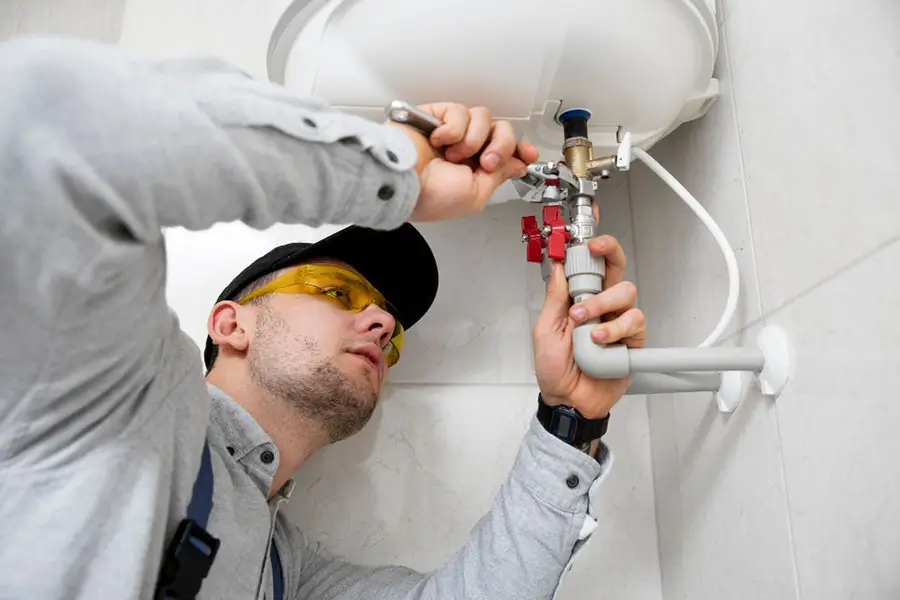
Hand adjusting a valve on a water heater

The Importance of Expert Water Heater Installation and Maintenance Services

Are you experiencing inconsistent hot water or strange noises from your water heater? These could be signs of water heater problems that can lead to inefficient operation and costly repairs. In this blog post, you’ll discover the risks of improper water heater installation, the importance of regular maintenance, and how to identify when you need professional water heater services. By understanding these aspects, you can ensure your water heater operates efficiently and safely, avoiding issues like gas leaks or mineral buildup. Let’s explore how expert installation and maintenance can protect your home and enhance your comfort.

The Risks of Improper Water Heater Installation

Improper water heater installation presents significant risks that can affect both your safety and comfort. Incorrect setup can lead to safety hazards, such as gas leaks or electrical issues. Additionally, inefficient water heater performance may increase your energy costs. Furthermore, potential damage to your property can arise from leaks or faulty heating elements, underscoring the importance of professional water heater maintenance to protect your home appliance and warranty.

Safety Hazards From Incorrect Setup

Improper water heater installation can create serious safety hazards in your home. A loose connection may lead to leaks, causing water damage or mold growth, while an incorrectly set thermostat can result in dangerously high temperatures, risking scalding injuries. Ensuring that your water heater is professionally installed not only protects your family’s safety but also helps prevent costly repairs that can arise from these issues.

In addition to physical hazards, incorrect installation can lead to gas leaks or electrical problems that pose significant risks. These issues can lead to hazardous situations requiring expensive emergency repairs. By prioritizing expert water heater installation, you can have peace of mind knowing that your system operates safely, efficiently, and in compliance with local regulations, ultimately protecting your investment in home comfort.

Decreased Efficiency and Higher Energy Costs

When you opt for improper water heater installation, you may experience decreased efficiency in your water heating system. An incorrectly installed water heater can lead to irregular heating cycles, forcing your system to work harder and longer to achieve the desired temperature. This inefficiency can drive up your energy costs significantly, leaving you with higher bills and diminished customer satisfaction.

Moreover, without proper installation, components like the pump can malfunction, causing further inefficiencies. Routine water heater service is essential to keeping your system running optimally. By investing in professional water heater installation, you ensure that all parts function correctly, ultimately reducing energy consumption and enhancing comfort in your home.

Potential Damage to Property

Improper water heater installation can lead to significant damage to your property, mainly through leaks that often go unnoticed. When connections are not secured, or components are misaligned, you risk water pooling in unwanted areas, leading to costly repairs due to wear and tear on your plumbing system. Additionally, sediment buildup can occur if the tank is not installed correctly, further deteriorating your water heater’s lifespan and compromising your water quality.

In cases of malfunction, the need for frequent water heater repair rises, stressing your budget and convenience. Leaks not only cause structural damage but may also promote mold growth, which poses health risks to your family. By investing in professional plumbing services for installation and maintenance, you safeguard your home from potential damage, ensuring your water heating system operates smoothly for years to come.

Benefits of Expert Water Heater Installation Services

Expert water heater installation services ensure the safe and proper operation of your system, protecting you from hazards and ensuring compliance with local building codes. You’ll benefit from optimal performance and energy savings, leading to reduced utility bills. Additionally, professionals provide valuable guidance on selecting the right water heater for your needs, ensuring you enjoy reliable customer service and high-quality performance every time you turn on the shower or drain.

Ensuring Safe and Proper Operation

Ensuring the safe and proper operation of your water heater is vital for your home’s comfort and safety. When you hire professionals for water heater replacement, they meticulously check all connections, including pipes, to prevent leaks and enhance efficiency. By also ensuring the anode rod is in place and functional, you can extend the life of your tank, safeguarding your investment and minimizing the likelihood of costly repairs.

Professional installation services not only ensure compliance with building codes but also help you avoid potential hazards associated with improper setups. Engaging with a company that has a good standing with the Better Business Bureau gives you peace of mind, knowing that they adhere to industry standards and prioritize your safety. This commitment to quality leads to a more reliable water heating system that delivers consistent performance, keeping your household comfortable year-round.

Compliance With Local Building Codes

Compliance with local building codes is a critical aspect of professional water heater installation. When you schedule service with a qualified technician, you ensure that your system meets all necessary safety standards, thus preventing issues that could lead to hazardous situations. A qualified installer will conduct thorough inspections, checking aspects like venting for gas units or electrical connections for heat pumps, which is crucial for the longevity and safe operation of your water heater.

By adhering to local regulations, you not only protect your home but also enhance the efficiency of your water heating system. If any installation issues arise, a professional will be equipped to repair water heater problems promptly, ensuring that your system functions optimally for years. Understanding and complying with these codes can save you from costly fines or repairs in the future, reinforcing the importance of expert installation and maintenance services.

Optimal Performance and Energy Savings

When you choose expert water heater installation services in Cincinnati, you gain assurance of optimal performance for your system. A well-installed water heater, including proper placement of the pilot light and functioning valves, minimizes the risk of corrosion and ensures effective heating. This not only guarantees you have access to hot water when needed but also helps maintain efficiency, which can lead to notable energy savings on your utility bills.

Regular maintenance performed by professionals further enhances performance by addressing potential issues before they escalate. For instance, during an emergency, having a correctly installed and maintained water heater can prevent minor problems like pilot light issues from becoming major concerns. This proactive approach not only saves you money but also extends the lifespan of your water heating system, providing consistent comfort for your household.

Professional Guidance on Water Heater Selection

Selecting the right water heater for your home can seem overwhelming, but with the guidance of a qualified technician, you can navigate the options more efficiently. An experienced professional will assess your household’s energy needs, taking into account factors like the size of your family and hot water usage patterns. This tailored approach helps you avoid common pitfalls, ultimately reducing the potential for costly water heater repairs and ensuring you choose a model that meets your efficiency expectations.

Additionally, a knowledgeable technician can provide insights on the latest energy-efficient models that not only save you money but also minimize risks associated with water damage. By choosing the right water heater, you can enhance performance while ensuring your system operates safely. This support is crucial, especially when considering features like sump pump compatibility or installation requirements that might be specific to your home setup.

The Importance of Regular Water Heater Maintenance

Regular water heater maintenance is essential for preventing unexpected breakdowns, extending the lifespan of your unit, and ensuring optimal water quality and safety. By addressing issues such as fluctuating pressure and unusual noise, you can identify potential problems before they escalate. This proactive approach not only protects your investment but also enhances your daily comfort and peace of mind.

Preventing Unexpected Breakdowns

Preventing unexpected breakdowns in your water heater is crucial for maintaining comfort in your home. Regular maintenance allows you to identify potential risks before they escalate into costly repairs. For instance, checking your storage tank for sediment buildup can enhance efficiency and longevity, reducing the likelihood of sudden failures.

You can also benefit from scheduling routine inspections to address minor issues that could lead to major breakdowns. Taking proactive steps, such as utilizing manufacturer coupons for maintenance services, can save you money while ensuring your system runs smoothly. By investing time in expert maintenance, you secure peace of mind and consistent hot water access for your household.

Extending the Lifespan of Your Unit

Extending the lifespan of your water heater is a primary benefit of regular maintenance. By scheduling annual inspections and addressing concerns such as sediment buildup, you can significantly reduce wear and tear, which often leads to premature failures. Consistent expert care not only enhances your unit’s efficiency but also saves you from the inconvenience of unexpected breakdowns.

Moreover, routinely checking components like the anode rod and thermostat can prevent corrosion and malfunctions that diminish your water heater’s performance. When you proactively maintain your water heater, you ensure that it operates effectively for years, maximizing your investment while keeping energy costs manageable. This diligence directly supports your household’s comfort and reliability.

Maintaining Water Quality and Safety

Maintaining water quality and safety is essential for your household. Regular water heater maintenance helps identify issues like sediment buildup, which can affect the taste and clarity of your water. By conducting periodic checks, you ensure that your water heater runs efficiently, providing you with clean, safe water for everyday use.

Identifying Issues Before They Escalate

Regular water heater maintenance allows you to identify potential issues before they escalate into costly repairs. By monitoring the condition of your system, you can catch signs such as unusual noises, fluctuating temperatures, or leaks early. Addressing these warning signs promptly ensures that your water heater operates efficiently, ultimately safeguarding your comfort and preventing unexpected breakdowns.

Proactive inspections conducted by a qualified technician can reveal underlying problems that might not be visible at first glance. For instance, sediment buildup can affect heating efficiency and water quality. By proactively scheduling maintenance services, you can ensure your water heater remains in optimal condition, reducing the risk of significant and costly issues down the line.

Signs You Need Professional Water Heater Services

Watch for signs indicating your water heater requires professional attention. Fluctuating water temperatures may suggest malfunctioning components, while unusual noises or odors can indicate underlying issues. Leaks or corrosion around the unit are critical signs of damage, as is an insufficient supply of hot water. Recognizing these issues early can prevent more extensive repairs and ensure your system operates efficiently.

Fluctuating Water Temperatures

If you experience fluctuating water temperatures in your home, it’s a strong indication that your water heater needs professional attention. This inconsistency can stem from various issues, such as a malfunctioning thermostat or sediment buildup within the tank. Addressing these problems promptly is important to enhance your comfort and ensure your hot water supply meets your needs reliably.

Unusual Noises or Odors

If you begin to notice unusual noises or odors coming from your water heater, it’s a strong signal that professional attention is needed. Sounds like banging, popping, or hissing can indicate sediment buildup, which leads to inefficient heating and potential system failure. Addressing these concerns promptly can prevent costly repairs and ensure your water heater operates at its best.

Furthermore, strange smells, such as a rotten egg odor, often point to sediment or bacteria in the tank that can compromise water quality. Ignoring these signs not only affects your comfort but also poses health risks. Consulting with a qualified technician will help you diagnose and rectify these issues, ensuring your water heater remains safe and efficient for daily use.

Leaks or Corrosion Around the Unit

If you notice leaks or signs of corrosion around your water heater, it’s crucial to take immediate action. These issues often indicate that your unit is experiencing significant wear and may lead to more extensive damage if left unaddressed. A professional technician can identify the source of the leaks and assess the level of corrosion, ensuring the safety and efficiency of your water heating system.

Ignoring leaks or corrosion can lead to costly repairs and compromised water quality. Regular inspections and maintenance check-ups can help prevent these problems from worsening. By prioritizing expert services, you’ll not only extend the lifespan of your water heater but also safeguard your home from potential water damage and health risks associated with contaminated water.

Insufficient Hot Water Supply

If you find that your household experiences an insufficient hot water supply, it is a clear signal that your water heater may require professional attention. This issue can stem from inadequate installation or maintenance, such as incorrect thermostat settings or a failing heating element, which can leave you frustrated during daily tasks like showering or washing dishes. Addressing these concerns promptly can restore your comfort and prevent further complications.

Inconsistent hot water not only disrupts your routine but can also indicate deeper issues within your water heating system. Scheduling an inspection with a qualified technician can help diagnose the root cause, whether it’s a buildup of sediment in the tank or a malfunctioning component. By taking swift action, you ensure that your water heater operates efficiently and meets your household’s demands for hot water.

How to Choose a Professional Water Heater Service Provider

When selecting a professional water heater service provider, focus on several key factors. First, checking qualifications and experience ensures you work with skilled technicians. Reading reviews and testimonials can provide insights into customer satisfaction. Understanding service guarantees offers peace of mind regarding your investment. Finally, assessing response time and availability ensures timely assistance when needed. Each of these elements plays a crucial role in ensuring your water heater installation and maintenance are handled effectively.

Checking Qualifications and Experience

When you are choosing a professional water heater service provider, verifying their qualifications and experience is essential. Look for technicians who have relevant certifications and training from reputable organizations. For example, a licensed plumber or HVAC technician with specific experience in water heater installation and maintenance can significantly reduce the risk of future problems, ensuring that your system operates efficiently and safely.

Experience matters; an established provider who has successfully handled various types of water heaters brings valuable insights to your project. For instance, if you have particular requirements or a unique setup, an experienced technician can offer tailored solutions that fit your home’s needs. By prioritizing professionals with proven expertise, you can have confidence that your water heater installation or repair will be executed to the highest standards, protecting your comfort and investment.

Reading Reviews and Testimonials

Reading reviews and testimonials is a crucial step in choosing a professional water heater service provider. These insights from past clients can reveal the quality of service and customer satisfaction you can expect. Look for specific feedback regarding installation and maintenance experiences, as this can guide you toward providers who prioritize safety and efficiency in their processes.

Additionally, pay attention to consistent themes in the reviews, such as punctuality, professionalism, and technical expertise. Providers with a strong reputation often highlight their commitment to expert water heater installation and maintenance services. Evaluating these reviews not only helps you make an informed decision but also gives you confidence in your choice, ensuring that your water heating needs are met effectively.

Assessing Response Time and Availability

When choosing a professional water heater service provider, assessing their response time and availability is critical. You want a company that can address your needs promptly, especially if you face an emergency situation such as a leak or inadequate hot water supply. A provider with a responsive team demonstrates their commitment to customer satisfaction and their ability to handle urgent issues efficiently.

Inquire about their standard response times and whether they offer emergency services. A reliable water heater service provider should have flexible scheduling options and be able to accommodate your timeframe, ensuring that you receive timely assistance when required. By prioritizing companies that demonstrate strong response capabilities, you protect your investment and maintain a comfortable living environment.

Conclusion

Expert water heater installation and maintenance services are crucial for ensuring safety, efficiency, and reliability in your home. Proper installation mitigates risks such as leaks and gas issues, while regular maintenance helps identify potential problems before they escalate. By investing in professional services, you not only enhance the performance of your water heating system but also protect your investment and family’s comfort. Make informed choices that prioritize expert assistance to enjoy consistent hot water and avoid costly repairs down the line.
What are the main types of water heaters available?
The primary types of water heaters include conventional storage tanks, tankless, heat pump, solar, and condensing models, each with unique efficiencies and installation requirements.
Why should I opt for professional water heater installation?
Opting for professional water heater installation ensures safe operation, compliance with local codes, and optimal efficiency and can prevent costly future repairs.
How often should I perform maintenance on my water heater?
Water heater maintenance should be performed annually to ensure efficient operation and extend the unit’s lifespan.
When should I call a professional for water heater issues?
Call a professional for water heater repairs if you notice erratic temperatures, discolored water, noise from the unit, or leaks to prevent further damage and ensure safety.
What factors influence the cost of water heater installation?
The cost of water heater installation can vary widely based on unit type, size, labor rates, and whether additional plumbing or gas lines are required.

Essential Guide to DIY Water Heater Installation Tips

Are you aware that water heating can account for nearly 20% of your home’s energy use? Upgrading to an Energy Star-rated, energy-efficient water heater can significantly reduce this impact, helping combat climate change while improving your home. In this article, you’ll learn about the benefits of these advanced systems, how to choose the most electric-efficient heater for your needs, and installation tips to maximize efficiency. Whether you’re looking to lower utility bills or enhance your home improvement strategy, this guide will address common pain points and empower you to make informed decisions for your basement and beyond.

Understanding Energy-Efficient Water Heaters

Energy efficient water heaters are designed to reduce your energy consumption while still providing reliable hot water. You will learn about the different types of energy-efficient models available, including high efficiency electric heaters and how brands like Bradford White incorporate advanced technologies. Additionally, we will compare these efficient options to traditional water heaters, illustrating their utility and benefits.

Defining Energy Efficiency in Water Heaters

Energy efficiency in water heaters refers to the ability of a system to provide hot water with minimal energy waste. This is particularly significant when considering the type of water tank you choose, as different models operate on various energy sources, such as electricity or natural gas. Energy-efficient water heaters often feature advanced insulation and high-efficiency burners, which help reduce energy consumption, ultimately contributing to sustainability and lowering utility bills.

When evaluating water heaters, it’s crucial to look for efficiency ratings, such as the Energy Factor (EF) or Uniform Energy Factor (UEF), which indicate how well a tank converts energy into hot water. By selecting a system with higher efficiency ratings, you can ensure reduced energy use, positively impacting the climate by lowering greenhouse gas emissions. This choice benefits your home’s energy consumption and aligns with a growing commitment to more sustainable living practices.

Types of Energy-Efficient Water Heaters Available

When considering energy-efficient hot water options, you can choose from tankless, heat pumps, and traditional storage tank water heaters. Tankless models heat water on demand, eliminating the standby energy loss associated with storage tanks. Many of these systems can be paired with smart thermostats, allowing you to program temperatures based on usage patterns, further optimizing energy efficiency and reducing costs.

Heat pump water heaters are another excellent choice. They utilize ambient air to heat water, which can significantly lower energy consumption compared to conventional electric models. By investing in one of these energy-efficient systems, you may also qualify for various tax credits, which can offset the initial purchase cost. Ultimately, adopting an energy-efficient water heater enhances your home’s efficiency and contributes to a more sustainable living environment.

Comparing Energy-Efficient Models to Traditional Options

When you consider upgrading to an energy-efficient water heater, it’s crucial to understand how hybrid models and heat pump systems compare to traditional options. Hybrid water heaters combine the efficiency of heat pump technology with traditional electric heating elements, offering substantial energy savings for households. These models are particularly beneficial for larger families that require consistent hot water, as they can operate flexibly to meet your needs without significant energy waste.

In contrast, traditional water heaters often lack the advanced features found in energy-efficient options, resulting in higher energy costs over time. With traditional units, you may deal with issues like water leaks, which can increase expenses due to inefficient energy use. Investing in a modern system equipped with leak detection technology will enhance your energy efficiency and protect your household from costly water damage. This proactive approach can lead to long-term savings and a more sustainable home environment.

Benefits of Upgrading to an Energy-Efficient Water Heater

Upgrading to an energy-efficient water heater offers several advantages that can significantly enhance your home’s efficiency. These systems, such as heat pump water heaters, help reduce monthly energy costs, lower environmental impact, and improve hot water availability.

Reducing Monthly Energy Costs

Upgrading to an energy-efficient water heater significantly reduces your monthly energy costs. By choosing options like a solar thermal heater or an efficient propane model, you tap into innovative technologies that consume less energy while still meeting your household’s hot water demands. These systems lower your utility bills and allow you to allocate your resources more effectively, enhancing your overall financial health.

Additionally, many energy-efficient heaters qualify for tax credits, decreasing your initial investment costs. This means that you not only save on monthly expenses but also gain financial incentives for making environmentally friendly choices. Embracing these innovations can lead to substantial savings over time, making it a smart decision for any homeowner aiming to maximize efficiency while minimizing expenses.

Lowering Environmental Impact

Upgrading to an energy-efficient water heater saves you money and significantly lowers your environmental impact. Choosing a high-efficiency hot water tank reduces your household’s energy consumption, leading to fewer greenhouse gas emissions. These environmentally friendly systems are designed to operate more effectively, requiring less power and contributing to a cleaner environment.

Moreover, many modern, efficient heaters for home come with warranties that protect your investment, offering peace of mind as you transition to a more sustainable option. Additionally, ensuring proper maintenance can help prevent leaks, further minimizing environmental damage. By selecting an energy-efficient water heater, you actively promote sustainability while enjoying the benefits of reliable hot water.

Improving Hot Water Availability

Upgrading to an energy-efficient water heater can significantly improve hot water availability in your home. Systems such as heat pump water heaters or high-efficiency models are designed to meet your household’s peak demand without the long wait times associated with traditional water heating methods. By utilizing renewable energy sources, these advanced systems can efficiently heat water on demand, ensuring you never run out when you need it most.

Choosing the Right Energy-Efficient Water Heater for Your Home

To select the right energy-efficient water heater for your home, assess your household’s hot water needs. Evaluate different fuel sources, such as electricity or gas, and weigh initial costs against long-term savings, including potential credits from your public utility. Reading energy efficiency ratings and labels helps inform your choice, and consulting with a professional installer can ensure you find a system suitable for your zip code and optimal efficiency with features like EcoNet.

Assessing Your Household’s Hot Water Needs

To assess your household’s hot water needs effectively, start by evaluating the number of occupants and their daily usage patterns. Consider factors such as the number of bathrooms, laundry activities, and the frequency of hot water use in your home. Understanding these aspects allows you to choose an energy-efficient water heater to meet your capacity requirements without wasting energy, maximizing home efficiency.

Additionally, consulting with qualified plumbing services can provide invaluable insights into the right size and type of water heater for your specific needs. Professional advice ensures that you select a model that aligns with your usage patterns and helps you avoid potential issues associated with insufficient hot water supply.

Evaluating Different Fuel Sources

When evaluating different fuel sources for your energy-efficient water heater, consider the most common options: electricity, natural gas, and propane. Each fuel source offers distinct benefits; for instance, electric water heaters typically require less upfront investment and can be easier to install, while natural gas models tend to operate more economically over time due to lower fuel costs. Assessing your home’s existing infrastructure and utility availability will help you determine the best fit for your needs.

It’s also essential to consider environmental impact when selecting a fuel source. Electric heaters can be powered by renewable energy if your utility offers green options that align with your sustainability goals. In contrast, while often cheaper to run, gas units can contribute to higher greenhouse gas emissions. By weighing each fuel source’s economic and environmental factors, you can make a well-informed choice that maximizes efficiency and supports your household’s long-term needs.

Considering Initial Costs Versus Long-Term Savings

When evaluating your options for an energy-efficient water heater, it’s essential to consider both initial costs and long-term savings. While energy-efficient models may require a higher upfront investment than traditional units, they often significantly reduce monthly utility bills. For instance, by selecting a heat pump water heater, you can benefit from lower operating costs and potential tax incentives, making long-term savings more attractive.

Understanding your specific hot water needs can help you make a more informed decision. For example, if you have a larger household that uses substantial amounts of hot water, investing in a higher-capacity, energy-efficient model may pay off faster due to reduced energy consumption.

Reading Energy Efficiency Ratings and Labels

Understanding energy efficiency ratings and labels is key to making an informed choice when selecting an energy-efficient water heater. You should look for the Energy Factor (EF) or Uniform Energy Factor (UEF), as these metrics indicate how efficiently a water heater converts energy into hot water. Higher ratings suggest better performance and lower energy costs, making it easier to compare different models on the market.

Additionally, familiarize yourself with the Department of Energy’s (DOE) labeling guidelines, which help standardize efficiency information across various products. Pay attention to the estimated annual operating costs provided on these labels, as they highlight potential long-term savings associated with each unit. By focusing on these essential details, you can confidently choose an energy-efficient water heater that meets your household’s needs while maximizing overall efficiency and sustainability.

Consulting With a Professional Installer

Consulting with a professional installer can significantly ease choosing the right energy-efficient water heater for your home. These experts have extensive knowledge about various models and can assess your needs based on household size and hot water usage patterns. Their insights ensure you make an informed decision, ultimately leading to better energy efficiency and optimal performance.

Additionally, a professional installer can guide you through the installation process, addressing any concerns regarding compatibility with existing plumbing or electrical systems. Their experience ensures that the new energy-efficient water heater operates effectively, maximizing your investment and minimizing potential issues.

Installation and Maintenance Tips for Maximum Efficiency

To maximize the efficiency of your energy-efficient water heater, it’s essential to focus on several key areas. Start by preparing your home for installation and ensure you hire qualified installation professionals for optimal performance. Regular maintenance practices, recognizing signs of decreased efficiency, and scheduling routine inspections are also crucial. Each component ensures your system operates effectively, lowering energy costs and enhancing comfort.

Preparing Your Home for Installation

Before installing your new energy-efficient water heater, it’s essential to prepare your home to ensure a smooth installation process. Start by clearing the area around your existing water heater, allowing easy access for the installer. This preparation facilitates the installation and ensures that you can take full advantage of the system’s efficiency once it’s up and running.

Additionally, check that your home’s electrical or gas plumbing infrastructure can support the new unit. If you are upgrading to a different type of water heater, it may require different venting or electrical specifications. Consulting a professional can help you determine any necessary modifications beforehand, ensuring that your installation maximizes energy savings and efficiency from day one.

Hiring Qualified Installation Professionals

When installing an energy-efficient water heater, hiring qualified installation professionals is essential. Experienced technicians understand the specific requirements of different models and can identify the best practices to ensure optimal performance. By relying on their expertise, you can avoid common installation pitfalls that may lead to inefficiencies and increased operating costs down the line.

Moreover, professional installers provide valuable advice on the necessary modifications to your home’s infrastructure, such as electrical or gas connections, to accommodate your new system. Their recommendations can help you optimize your water heater’s efficiency immediately, ensuring you enjoy reliable hot water while minimizing energy waste.

Regular Maintenance Practices

Regular maintenance practices are essential for ensuring the long-term efficiency of your energy-efficient water heater. Schedule annual inspections with a qualified technician to check for potential issues, such as leaks or sediment buildup, which can hinder performance. By proactively addressing these concerns, you can maintain optimal energy efficiency, reduce operating costs, and extend the lifespan of your water heater.

Additionally, consider performing simple maintenance tasks yourself, such as flushing the tank regularly to remove sediment that can accumulate over time. This process boosts efficiency by improving heat transfer and helps prevent premature wear on components.

Recognizing Signs of Decreased Efficiency

Recognizing signs of decreased efficiency in your energy-efficient water heater is essential for maintaining optimal performance and comfort in your home. If you notice rising energy bills without a corresponding increase in hot water usage, it may indicate that your unit is working harder than necessary. Pay attention to inconsistent water temperatures or longer heating times, as these can also signal that your system requires maintenance or repair.

Moreover, watch for physical signs such as leaks or unusual noises, which could suggest a deeper issue affecting your water heater’s efficiency. If you observe any of these signs, it’s wise to consult with a professional installer or technician to assess your system. They can help ensure your energy-efficient water heater continues to operate effectively, saving you money and enhancing your home’s overall efficiency.

Scheduling Routine Inspections

Scheduling routine inspections for your energy-efficient water heater is essential to ensure its optimal performance. Regular check-ups allow you to identify potential issues, such as leaks or sediment buildup, before they escalate into significant problems that could affect efficiency and lead to increased energy costs. By setting a maintenance schedule, you’re not just preserving your investment but also enhancing your home’s overall efficiency by ensuring reliable hot water availability.

Financial Incentives and Rebates to Lower Costs

Exploring financial incentives can significantly offset the initial costs of energy-efficient water heaters. Government tax credits make eco-friendly investments more appealing, while utility company rebates can provide immediate financial relief. Additionally, applying for manufacturer promotions and understanding financing options can enhance affordability. Finally, calculating your return on investment will demonstrate the long-term savings you can achieve, solidifying the value of your decision.

Exploring Government Tax Credits

Exploring government tax credits can significantly enhance your investment in energy-efficient water heaters. These credits are designed to encourage homeowners to adopt more sustainable energy solutions, helping you recoup a portion of your initial expenses. For example, you may qualify for federal tax credits for high-efficiency water heaters, reducing your tax liability and increasing your long-term savings.

Utilizing Utility Company Rebates

Utilizing utility company rebates can significantly reduce the initial costs of installing energy-efficient water heaters. Many utility providers offer incentives to encourage homeowners like you to adopt sustainable energy solutions, which can include substantial rebates for purchasing efficient models. To take advantage of these offers, contact your local utility company directly or visit their website for details on eligibility requirements and application processes.

Applying for Manufacturer Promotions

When you consider upgrading to an energy-efficient water heater, taking advantage of manufacturer promotions can significantly reduce your overall costs. Many manufacturers offer cashback or discounts on high-efficiency models to encourage homeowners like you to make sustainable choices. By actively searching for these promotions, you can save money right from the start, enhancing the affordability of your investment.

Understanding Financing Options

When considering financing options for your energy-efficient water heater, it’s beneficial to explore various avenues that can make your purchase more affordable. Many homeowners find that local banks or credit unions offer loans with low interest rates specifically designed for home improvements. Additionally, specific government programs may provide favorable financing terms to encourage the adoption of energy-efficient technologies, allowing you to spread out the cost over time without overwhelming your budget.

Calculating Return on Investment

Calculating the return on investment (ROI) for an energy-efficient water heater involves assessing both upfront costs and long-term savings. You should consider how much you spend on the initial purchase and installation against the savings you expect to achieve on monthly energy bills. For instance, by switching to a high-efficiency model, you could reduce energy costs significantly each month, potentially recouping your investment within a few years.

Conclusion

Maximizing home efficiency through energy-efficient water heaters offers significant advantages, including reduced utility bills and a lower environmental impact. By selecting the right model, households can ensure ample hot water availability while minimizing energy waste. Upgrading to these modern systems enhances home comfort, boosts resale value, and qualifies homeowners for valuable tax incentives. Embracing energy-efficient solutions is a smart investment that promotes sustainable living and fosters long-term financial savings.

Frequently Asked Questions

What defines a water heater as energy efficient?
An energy-efficient water heater is characterized by a high Energy Factor (EF) rating, indicating greater efficiency in heating water while consuming less energy.
Can energy-efficient water heaters reduce utility bills?
Energy-efficient water heaters can significantly save utility bills by reducing energy consumption and optimizing heat retention.
What are the different types of energy-saving water heaters available?
Energy-saving water heaters include tankless models, heat pump water heaters, solar-powered units, and condensing gas water heaters, each offering unique efficiency benefits.
What should I consider before installing an efficient water heater?
Before installing an efficient water heater, consider energy source, size, cost-effectiveness, and installation requirements to ensure optimal performance and savings.
Are there any rebates available for upgrading to an energy-efficient water heater?
Yes, rebates for energy-efficient water heaters are often available through local utility companies or government energy-saving incentive programs; check with them directly for specific opportunities.

Advantages of Energy-Efficient Water Heaters

Maximizing Home Efficiency: The Advantages of Energy-Efficient Water Heaters

Are you aware that water heating can account for nearly 20% of your home’s energy use? Upgrading to an Energy Star-rated, energy-efficient water heater can significantly reduce this impact, helping combat climate change while improving your home. In this article, you’ll learn about the benefits of these advanced systems, how to choose the most electric-efficient heater for your needs, and installation tips to maximize efficiency. Whether you’re looking to lower utility bills or enhance your home improvement strategy, this guide will address common pain points and empower you to make informed decisions for your basement and beyond.

Understanding Energy-Efficient Water Heaters

Energy efficient water heaters are designed to reduce your energy consumption while still providing reliable hot water. You will learn about the different types of energy-efficient models available, including high efficiency electric heaters and how brands like Bradford White incorporate advanced technologies. Additionally, we will compare these efficient options to traditional water heaters, illustrating their utility and benefits.

Defining Energy Efficiency in Water Heaters

Energy efficiency in water heaters refers to the ability of a system to provide hot water with minimal energy waste. This is particularly significant when considering the type of water tank you choose, as different models operate on various energy sources, such as electricity or natural gas. Energy-efficient water heaters often feature advanced insulation and high-efficiency burners, which help reduce energy consumption, ultimately contributing to sustainability and lowering utility bills.

When evaluating water heaters, it’s crucial to look for efficiency ratings, such as the Energy Factor (EF) or Uniform Energy Factor (UEF), which indicate how well a tank converts energy into hot water. By selecting a system with higher efficiency ratings, you can ensure reduced energy use, positively impacting the climate by lowering greenhouse gas emissions. This choice benefits your home’s energy consumption and aligns with a growing commitment to more sustainable living practices.

Types of Energy-Efficient Water Heaters Available

When considering energy-efficient hot water options, you can choose from tankless, heat pumps, and traditional storage tank water heaters. Tankless models heat water on demand, eliminating the standby energy loss associated with storage tanks. Many of these systems can be paired with smart thermostats, allowing you to program temperatures based on usage patterns, further optimizing energy efficiency and reducing costs.

Heat pump water heaters are another excellent choice. They utilize ambient air to heat water, which can significantly lower energy consumption compared to conventional electric models. By investing in one of these energy-efficient systems, you may also qualify for various tax credits, which can offset the initial purchase cost. Ultimately, adopting an energy-efficient water heater enhances your home’s efficiency and contributes to a more sustainable living environment.

Comparing Energy-Efficient Models to Traditional Options

When you consider upgrading to an energy-efficient water heater, it’s crucial to understand how hybrid models and heat pump systems compare to traditional options. Hybrid water heaters combine the efficiency of heat pump technology with traditional electric heating elements, offering substantial energy savings for households. These models are particularly beneficial for larger families that require consistent hot water, as they can operate flexibly to meet your needs without significant energy waste.

In contrast, traditional water heaters often lack the advanced features found in energy-efficient options, resulting in higher energy costs over time. With traditional units, you may deal with issues like water leaks, which can increase expenses due to inefficient energy use. Investing in a modern system equipped with leak detection technology will enhance your energy efficiency and protect your household from costly water damage. This proactive approach can lead to long-term savings and a more sustainable home environment.

Benefits of Upgrading to an Energy-Efficient Water Heater

Upgrading to an energy-efficient water heater offers several advantages that can significantly enhance your home’s efficiency. These systems, such as heat pump water heaters, help reduce monthly energy costs, lower environmental impact, and improve hot water availability.

Reducing Monthly Energy Costs

Upgrading to an energy-efficient water heater significantly reduces your monthly energy costs. By choosing options like a solar thermal heater or an efficient propane model, you tap into innovative technologies that consume less energy while still meeting your household’s hot water demands. These systems lower your utility bills and allow you to allocate your resources more effectively, enhancing your overall financial health.

Additionally, many energy-efficient heaters qualify for tax credits, decreasing your initial investment costs. This means that you not only save on monthly expenses but also gain financial incentives for making environmentally friendly choices. Embracing these innovations can lead to substantial savings over time, making it a smart decision for any homeowner aiming to maximize efficiency while minimizing expenses.

Lowering Environmental Impact

Upgrading to an energy-efficient water heater saves you money and significantly lowers your environmental impact. Choosing a high-efficiency hot water tank reduces your household’s energy consumption, leading to fewer greenhouse gas emissions. These environmentally friendly systems are designed to operate more effectively, requiring less power and contributing to a cleaner environment.

Moreover, many modern, efficient heaters for home come with warranties that protect your investment, offering peace of mind as you transition to a more sustainable option. Additionally, ensuring proper maintenance can help prevent leaks, further minimizing environmental damage. By selecting an energy-efficient water heater, you actively promote sustainability while enjoying the benefits of reliable hot water.

Improving Hot Water Availability

Upgrading to an energy-efficient water heater can significantly improve hot water availability in your home. Systems such as heat pump water heaters or high-efficiency models are designed to meet your household’s peak demand without the long wait times associated with traditional water heating methods. By utilizing renewable energy sources, these advanced systems can efficiently heat water on demand, ensuring you never run out when you need it most.

Choosing the Right Energy-Efficient Water Heater for Your Home

To select the right energy-efficient water heater for your home, assess your household’s hot water needs. Evaluate different fuel sources, such as electricity or gas, and weigh initial costs against long-term savings, including potential credits from your public utility. Reading energy efficiency ratings and labels helps inform your choice, and consulting with a professional installer can ensure you find a system suitable for your zip code and optimal efficiency with features like EcoNet.

Assessing Your Household’s Hot Water Needs

To assess your household’s hot water needs effectively, start by evaluating the number of occupants and their daily usage patterns. Consider factors such as the number of bathrooms, laundry activities, and the frequency of hot water use in your home. Understanding these aspects allows you to choose an energy-efficient water heater to meet your capacity requirements without wasting energy, maximizing home efficiency.

Additionally, consulting with qualified plumbing services can provide invaluable insights into the right size and type of water heater for your specific needs. Professional advice ensures that you select a model that aligns with your usage patterns and helps you avoid potential issues associated with insufficient hot water supply.

Evaluating Different Fuel Sources

When evaluating different fuel sources for your energy-efficient water heater, consider the most common options: electricity, natural gas, and propane. Each fuel source offers distinct benefits; for instance, electric water heaters typically require less upfront investment and can be easier to install, while natural gas models tend to operate more economically over time due to lower fuel costs. Assessing your home’s existing infrastructure and utility availability will help you determine the best fit for your needs.

It’s also essential to consider environmental impact when selecting a fuel source. Electric heaters can be powered by renewable energy if your utility offers green options that align with your sustainability goals. In contrast, while often cheaper to run, gas units can contribute to higher greenhouse gas emissions. By weighing each fuel source’s economic and environmental factors, you can make a well-informed choice that maximizes efficiency and supports your household’s long-term needs.

Considering Initial Costs Versus Long-Term Savings

When evaluating your options for an energy-efficient water heater, it’s essential to consider both initial costs and long-term savings. While energy-efficient models may require a higher upfront investment than traditional units, they often significantly reduce monthly utility bills. For instance, by selecting a heat pump water heater, you can benefit from lower operating costs and potential tax incentives, making long-term savings more attractive.

Understanding your specific hot water needs can help you make a more informed decision. For example, if you have a larger household that uses substantial amounts of hot water, investing in a higher-capacity, energy-efficient model may pay off faster due to reduced energy consumption.

Reading Energy Efficiency Ratings and Labels

Understanding energy efficiency ratings and labels is key to making an informed choice when selecting an energy-efficient water heater. You should look for the Energy Factor (EF) or Uniform Energy Factor (UEF), as these metrics indicate how efficiently a water heater converts energy into hot water. Higher ratings suggest better performance and lower energy costs, making it easier to compare different models on the market.

Additionally, familiarize yourself with the Department of Energy’s (DOE) labeling guidelines, which help standardize efficiency information across various products. Pay attention to the estimated annual operating costs provided on these labels, as they highlight potential long-term savings associated with each unit. By focusing on these essential details, you can confidently choose an energy-efficient water heater that meets your household’s needs while maximizing overall efficiency and sustainability.

Consulting With a Professional Installer

Consulting with a professional installer can significantly ease choosing the right energy-efficient water heater for your home. These experts have extensive knowledge about various models and can assess your needs based on household size and hot water usage patterns. Their insights ensure you make an informed decision, ultimately leading to better energy efficiency and optimal performance.

Additionally, a professional installer can guide you through the installation process, addressing any concerns regarding compatibility with existing plumbing or electrical systems. Their experience ensures that the new energy-efficient water heater operates effectively, maximizing your investment and minimizing potential issues.

Installation and Maintenance Tips for Maximum Efficiency

To maximize the efficiency of your energy-efficient water heater, it’s essential to focus on several key areas. Start by preparing your home for installation and ensure you hire qualified installation professionals for optimal performance. Regular maintenance practices, recognizing signs of decreased efficiency, and scheduling routine inspections are also crucial. Each component ensures your system operates effectively, lowering energy costs and enhancing comfort.

Preparing Your Home for Installation

Before installing your new energy-efficient water heater, it’s essential to prepare your home to ensure a smooth installation process. Start by clearing the area around your existing water heater, allowing easy access for the installer. This preparation facilitates the installation and ensures that you can take full advantage of the system’s efficiency once it’s up and running.

Additionally, check that your home’s electrical or gas plumbing infrastructure can support the new unit. If you are upgrading to a different type of water heater, it may require different venting or electrical specifications. Consulting a professional can help you determine any necessary modifications beforehand, ensuring that your installation maximizes energy savings and efficiency from day one.

Hiring Qualified Installation Professionals

When installing an energy-efficient water heater, hiring qualified installation professionals is essential. Experienced technicians understand the specific requirements of different models and can identify the best practices to ensure optimal performance. By relying on their expertise, you can avoid common installation pitfalls that may lead to inefficiencies and increased operating costs down the line.

Moreover, professional installers provide valuable advice on the necessary modifications to your home’s infrastructure, such as electrical or gas connections, to accommodate your new system. Their recommendations can help you optimize your water heater’s efficiency immediately, ensuring you enjoy reliable hot water while minimizing energy waste.

Regular Maintenance Practices

Regular maintenance practices are essential for ensuring the long-term efficiency of your energy-efficient water heater. Schedule annual inspections with a qualified technician to check for potential issues, such as leaks or sediment buildup, which can hinder performance. By proactively addressing these concerns, you can maintain optimal energy efficiency, reduce operating costs, and extend the lifespan of your water heater.

Additionally, consider performing simple maintenance tasks yourself, such as flushing the tank regularly to remove sediment that can accumulate over time. This process boosts efficiency by improving heat transfer and helps prevent premature wear on components.

Recognizing Signs of Decreased Efficiency

Recognizing signs of decreased efficiency in your energy-efficient water heater is essential for maintaining optimal performance and comfort in your home. If you notice rising energy bills without a corresponding increase in hot water usage, it may indicate that your unit is working harder than necessary. Pay attention to inconsistent water temperatures or longer heating times, as these can also signal that your system requires maintenance or repair.

Moreover, watch for physical signs such as leaks or unusual noises, which could suggest a deeper issue affecting your water heater’s efficiency. If you observe any of these signs, it’s wise to consult with a professional installer or technician to assess your system. They can help ensure your energy-efficient water heater continues to operate effectively, saving you money and enhancing your home’s overall efficiency.

Scheduling Routine Inspections

Scheduling routine inspections for your energy-efficient water heater is essential to ensure its optimal performance. Regular check-ups allow you to identify potential issues, such as leaks or sediment buildup, before they escalate into significant problems that could affect efficiency and lead to increased energy costs. By setting a maintenance schedule, you’re not just preserving your investment but also enhancing your home’s overall efficiency by ensuring reliable hot water availability.

Financial Incentives and Rebates to Lower Costs

Exploring financial incentives can significantly offset the initial costs of energy-efficient water heaters. Government tax credits make eco-friendly investments more appealing, while utility company rebates can provide immediate financial relief. Additionally, applying for manufacturer promotions and understanding financing options can enhance affordability. Finally, calculating your return on investment will demonstrate the long-term savings you can achieve, solidifying the value of your decision.

Exploring Government Tax Credits

Exploring government tax credits can significantly enhance your investment in energy-efficient water heaters. These credits are designed to encourage homeowners to adopt more sustainable energy solutions, helping you recoup a portion of your initial expenses. For example, you may qualify for federal tax credits for high-efficiency water heaters, reducing your tax liability and increasing your long-term savings.

Utilizing Utility Company Rebates

Utilizing utility company rebates can significantly reduce the initial costs of installing energy-efficient water heaters. Many utility providers offer incentives to encourage homeowners like you to adopt sustainable energy solutions, which can include substantial rebates for purchasing efficient models. To take advantage of these offers, contact your local utility company directly or visit their website for details on eligibility requirements and application processes.

Applying for Manufacturer Promotions

When you consider upgrading to an energy-efficient water heater, taking advantage of manufacturer promotions can significantly reduce your overall costs. Many manufacturers offer cashback or discounts on high-efficiency models to encourage homeowners like you to make sustainable choices. By actively searching for these promotions, you can save money right from the start, enhancing the affordability of your investment.

Understanding Financing Options

When considering financing options for your energy-efficient water heater, it’s beneficial to explore various avenues that can make your purchase more affordable. Many homeowners find that local banks or credit unions offer loans with low interest rates specifically designed for home improvements. Additionally, specific government programs may provide favorable financing terms to encourage the adoption of energy-efficient technologies, allowing you to spread out the cost over time without overwhelming your budget.

Calculating Return on Investment

Calculating the return on investment (ROI) for an energy-efficient water heater involves assessing both upfront costs and long-term savings. You should consider how much you spend on the initial purchase and installation against the savings you expect to achieve on monthly energy bills. For instance, by switching to a high-efficiency model, you could reduce energy costs significantly each month, potentially recouping your investment within a few years.

Conclusion

Maximizing home efficiency through energy-efficient water heaters offers significant advantages, including reduced utility bills and a lower environmental impact. By selecting the right model, households can ensure ample hot water availability while minimizing energy waste. Upgrading to these modern systems enhances home comfort, boosts resale value, and qualifies homeowners for valuable tax incentives. Embracing energy-efficient solutions is a smart investment that promotes sustainable living and fosters long-term financial savings.

Frequently Asked Questions

What defines a water heater as energy efficient?
An energy-efficient water heater is characterized by a high Energy Factor (EF) rating, indicating greater efficiency in heating water while consuming less energy.
Can energy-efficient water heaters reduce utility bills?
Energy-efficient water heaters can significantly save utility bills by reducing energy consumption and optimizing heat retention.
What are the different types of energy-saving water heaters available?
Energy-saving water heaters include tankless models, heat pump water heaters, solar-powered units, and condensing gas water heaters, each offering unique efficiency benefits.
What should I consider before installing an efficient water heater?
Before installing an efficient water heater, consider energy source, size, cost-effectiveness, and installation requirements to ensure optimal performance and savings.
Are there any rebates available for upgrading to an energy-efficient water heater?
Yes, rebates for energy-efficient water heaters are often available through local utility companies or government energy-saving incentive programs; check with them directly for specific opportunities.

Water Heater Maintenance

Complete Guide to Water Heater Maintenance for Prolonged Efficiency

Water heater failure is a common concern for many households, often leading to inconvenience and unexpected costs. This complete guide to water heater maintenance will cover essential tools, a step-by-step maintenance process, and tips for identifying common issues. By following these guidelines, you can enhance your water heater’s efficiency, prevent potential problems related to water quality, and reduce the risk of carbon monoxide leaks. Engaging with this content will help you ensure a steady supply of hot water for your shower while extending the life of your unit.

The Importance of Regular Maintenance

Regular water heater maintenance is crucial for ensuring the efficient operation of your unit, ultimately reducing energy costs. Over time, sediment can build up in the tank, leading to overheating and reduced efficiency. By addressing these issues routinely, you not only enhance performance but also prevent potential failures that could result in costly repairs or replacements.

In addition to improving overall efficiency, maintenance tasks such as checking the safety valve play a significant role in ensuring your water heater operates safely. A well-maintained unit can help you achieve the Energy Star ratings you seek for energy-efficient appliances. By investing time in regular maintenance, you can extend the lifespan of your water heater, ensuring comfort in your home while saving money over the long term.

How Maintenance Extends the Lifespan of Your Water Heater

Regular maintenance is key to extending the lifespan of your water heater. By following a maintenance checklist that includes inspections for sediment buildup and ensuring optimal heat transfer, you can significantly reduce your operating costs. Addressing issues like condensation and maintaining the integrity of components keeps your water heater running efficiently, preventing premature wear and tear that could lead to costly repairs.

Understanding Different Types of Water Heaters and Their Needs

Understanding the different types of water heaters is fundamental for effective maintenance and ensuring optimal efficiency. For instance, a traditional tank water heater typically holds a significant amount of water, requiring regular checks for sediment buildup at the bottom of the tank. On the other hand, gas heaters may demand specific attention to ventilation to prevent hazardous gas accumulation, which can lead to unsafe conditions in your home.

Tankless water heaters, which heat water on demand, have different maintenance requirements, such as descaling to manage mineral buildup in the heat exchanger. Additionally, ensuring that the inlet hose is free from obstructions is vital for maintaining a consistent water supply. Knowing these distinctions can empower you to take targeted maintenance actions that enhance the longevity and performance of your water heating system.

Essential Tools and Safety Measures for Effective Maintenance

Before you begin water heater maintenance, it’s crucial to prepare the necessary tools and equipment. Understanding the components of your system, whether it’s a solar water heating system or a traditional boiler, will enhance your effectiveness in the task. Additionally, implementing safety precautions helps to minimize risks, particularly when handling potentially hazardous boiler water or engaging in activities that may cause wear on the unit. Familiarizing yourself with these tools and safety measures will ensure a secure and efficient maintenance process.

Preparing the Necessary Tools and Equipment

To effectively maintain your water heater, gathering the right tools is essential. You’ll need a screwdriver to adjust the thermostat and ensure proper settings. A wrench is also crucial for checking connections and tightening any loose bolts to prevent leaks. Furthermore, having a hose handy can facilitate draining the tank if sediment buildup needs to be addressed.

Understanding the specific components of your water heater will enhance your maintenance efforts. For instance, being familiar with the heat exchanger can help you identify any performance issues. If your unit runs on natural gas, make sure you have the appropriate tools to inspect the flue for blockages or leaks. Having the right equipment at your disposal allows you to perform tasks more efficiently and safely, ensuring your water heater operates optimally.

Safety Precautions Before Starting Any Maintenance Task

Before starting any maintenance task on your water heater, it’s essential to prioritize safety to prevent accidents and injuries. Ensure that you turn off the power supply to the unit, whether it runs on electricity or gas. This step is crucial, as it mitigates the risk of accidental combustion or electrical shocks. Additionally, you should check for any leaks around pipes or fittings, which may indicate potential issues that could lead to corrosion if left unaddressed.

Having the right safety gear is also important. Wearing gloves protects your hands from sharp materials and hot surfaces, while safety goggles shield your eyes from dust and debris. If you are dealing with oil or other substances during maintenance, ensure you have a spill mat or appropriate container to manage any leaks. By taking these precautions, you can maintain the efficiency of your water heater while minimizing personal risk and promoting a safe work environment.

Familiarizing Yourself With the Heater’s Components

Understanding the various components of your water heater is essential for effective maintenance and overall efficiency. Familiarizing yourself with elements such as the anode rod and safety valve can directly enhance the longevity of your heating system. The anode rod, a critical part that prevents tank corrosion, should be inspected regularly, as neglecting it can void your warranty and lead to costly repairs.

In addition to the anode, knowing how to operate the safety valve is vital for safe operation. This valve helps release excess pressure, safeguarding your home from potential hazards. By recognizing how these components function, you can perform timely maintenance that ensures your water heater operates smoothly, ultimately improving energy efficiency and reducing your utility bills.

Step-by-Step Guide to Maintaining Your Water Heater

Your water heater requires regular maintenance to ensure optimal performance and efficiency. This guide covers essential tasks, including inspecting the temperature and pressure relief valve, flushing the tank to eliminate sediment buildup, and checking as well as replacing the anode rod. You will also learn how to adjust the thermostat for energy efficiency and insulate the tank and pipes to reduce heat loss. These steps not only enhance reliability but also minimize risks associated with heating elements and leaks, contributing to prolonged water heater efficiency.

Inspecting the Temperature and Pressure Relief Valve

Inspecting the temperature and pressure relief valve is a critical step in maintaining the safety and efficiency of your water heater. This valve prevents excess pressure from building up in the boiler or tank, which can lead to dangerous situations. During your inspection, check for any signs of leakage or corrosion around the valve, and ensure it operates correctly by testing it periodically to confirm that it releases water when the pressure exceeds safe limits.

In addition to checking the pressure relief valve, it’s essential to consider the overall intake of your water heater system. Ensure that the air filter is clean and free from debris, as blocked filters can restrict airflow and affect the performance of heat pumps and gas heaters. By prioritizing the maintenance of the pressure relief valve and associated components, you help safeguard your home while promoting prolonged efficiency in your water heating system.

Flushing the Tank to Eliminate Sediment Build-Up

Flushing your water heater is a vital maintenance task that helps eliminate sediment buildup, which can impede efficiency and reduce the lifespan of your unit. To start, you should turn off the power supply to the heater and close the cold water supply valve. This prevents further water from entering the tank during the flushing process, allowing you to effectively drain out any sediment that has settled at the bottom.

After setting up your heater for flushing, connect a hose to the drain valve and direct it to a suitable drainage area. Open the valve and let the water run until you notice a clear flow, indicating that most of the sediment has been removed. This simple task can greatly enhance the efficiency of your water heater, potentially reducing the need for expensive plumbing services down the line while ensuring you enjoy consistent hot water in your home.

Checking and Replacing the Anode Rod

Checking and replacing the anode rod in your water heater is essential for preventing corrosion, which can significantly extend the lifespan of your unit. You should inspect the anode rod every one to three years, depending on your water quality and usage. If you find that the rod is heavily corroded or has less than half of its original diameter, it’s time to replace it; doing so will help maintain your water heater’s efficiency and reliability.

To replace the anode rod, first, turn off the power or gas supply and shut off the cold water inlet valve. After draining some water from the tank, loosen the rod using a socket wrench and then remove it. Installing a new anode rod is straightforward; simply screw it in, ensuring a tight seal to prevent leaks. By taking these steps, you not only protect your investment but also boost the overall efficiency of your water heating system.

Adjusting the Thermostat for Optimal Performance

Adjusting the thermostat on your water heater is crucial for maintaining optimal performance and energy efficiency. Setting the thermostat to 120 degrees Fahrenheit is generally recommended, as this temperature provides sufficient hot water while minimizing the risk of scalding and reducing energy consumption. When you make this adjustment, you’re not only ensuring comfort but also potentially lowering your energy bills, allowing your water heater to operate more efficiently.

Regularly checking and adjusting your thermostat can help address common issues, such as insufficient hot water supply or excessive energy use. If you notice fluctuations in hot water availability, it might indicate that your thermostat is set too low. By taking the time to evaluate and adjust this setting, you actively contribute to your water heater’s longevity and performance, ensuring you always have the hot water you need without excess energy costs.

Insulating the Tank and Pipes for Energy Efficiency

Insulating your water heater tank and pipes is a practical step you can take to enhance energy efficiency. By using insulation blankets for the tank and pipe sleeves for the hot water lines, you can significantly reduce heat loss, keeping your water warmer for longer periods. This simple improvement not only lowers energy costs but also helps ensure that you have a consistent supply of hot water when you need it.

When you insulate your water heater, you can expect a noticeable decrease in energy consumption, which translates into savings on your utility bills. Make sure to look for insulation materials that are easy to install and specifically designed for water heaters. Taking this proactive measure not only extends the efficiency of your water heating system but also contributes to a more sustainable home environment.

Identifying and Addressing Common Water Heater Issues

Recognizing the signs of wear and tear in your water heater is essential for effective maintenance. You will learn how to troubleshoot inconsistent water temperatures, address unusual noises and odors, and understand when it’s time to consult a professional technician. Each of these topics provides practical insights that ensure your water heater continues to operate efficiently for years to come.

Recognizing Signs of Wear and Tear

Recognizing the signs of wear and tear in your water heater is essential for maintaining its efficiency and prolonging its lifespan. Look for symptoms such as decreased hot water availability, inconsistent temperatures, or unexpected noises like popping or rumbling, which may indicate sediment buildup or internal damage. Addressing these issues promptly can prevent further complications and costly repairs, ensuring your water heater continues to operate smoothly.

Additionally, be vigilant for signs of leaks around the unit or water pools near the base, which can signal a need for immediate attention. Visual inspections of rust or corrosion on the tank can also indicate deterioration. By being proactive and familiarizing yourself with these indicators, you can take necessary actions before small problems escalate into significant failures, helping maintain the reliability of your water heater.

Troubleshooting Inconsistent Water Temperatures

If you experience inconsistent water temperatures from your water heater, the first step is to check the thermostat settings. Ensure the temperature is set to the recommended level of around 120 degrees Fahrenheit, as settings that are too low may lead to lukewarm water. Additionally, fluctuations in temperature could indicate a malfunctioning thermostat or sensor, which may require replacement to restore efficiency and comfort in your home.

Another common cause for inconsistent water temperatures is sediment buildup within the tank. Over time, minerals from hard water can settle at the bottom, affecting the heat exchange process. Flushing your water heater periodically can help remove this sediment and restore consistent heating. If the problem persists, consider consulting a professional technician to assess for malfunctioning heating elements or other underlying issues that may affect performance.

Dealing With Unusual Noises and Odors

Unusual noises from your water heater, such as popping or rumbling sounds, often indicate sediment buildup inside the tank. This buildup can hinder heating efficiency and lead to higher energy costs. To address this issue, consider flushing the tank regularly to remove sediment and restore proper function to your water heater.

Odors emanating from your water heater may also signal potential issues, such as bacteria growth in stagnant water. If you notice a sulfur-like smell, it could be a sign to replace the anode rod, which helps prevent corrosive elements from affecting the tank. Regular inspections and maintenance can help you identify these odorous indicators early, ensuring that your water heater continues to provide safe and efficient hot water for your home.

When to Consult a Professional Technician

When faced with persistent issues that you cannot resolve through standard maintenance, it may be time to consult a professional technician. Signs such as frequent fluctuations in water temperature, leaks, or unusual noises often indicate underlying problems that require expert assessment and repairs. A professional can accurately diagnose these issues, ensuring your water heater operates efficiently and safely.

Additionally, if you notice any significant corrosion or physical damage to your water heater, it is crucial to seek professional help immediately. Addressing these serious problems early can prevent more extensive damage and higher repair costs down the line. By working with a qualified technician, you ensure that your water heater receives the attention it needs to maintain its performance and extend its lifespan, ultimately safeguarding your home’s comfort and convenience.

Evaluating When to Repair or Replace Your Water Heater

Evaluating when to repair or replace your water heater is essential for maintaining efficiency and comfort in your home. If your unit experiences frequent breakdowns or requires repairs that cost more than half the price of a new model, it is often more cost-effective to invest in a replacement. Additionally, if your water heater is approaching its expected lifespan of 10 to 15 years, the risk of unexpected failures increases, making replacement a wise consideration.

Another key indicator for making this decision is the performance of your water heater. If you notice persistent issues like inconsistent water temperatures, rust-colored water, or unusual noises, these could signify deeper problems that repairs may not effectively resolve. By monitoring these signs and calculating the cost-effectiveness of repairs versus a new installation, you can make informed choices that enhance the efficiency and reliability of your home’s hot water supply.

Eco-Friendly Practices to Reduce Energy Consumption

Implementing eco-friendly practices in your water heater maintenance routine can significantly reduce energy consumption while simultaneously lowering your utility bills. For instance, insulating your water heater and pipes helps prevent heat loss, ensuring that less energy is used to keep water hot. This simple yet effective measure not only enhances efficiency but also contributes to a more sustainable household.

In addition, consider using energy-efficient appliances and water heater models that are designed to minimize energy usage. Investing in a high-efficiency unit, such as a heat pump water heater, can provide substantial savings over time. By making these informed choices, you enhance your home’s efficiency and support broader environmental sustainability efforts, aligning your energy goals with a commitment to reducing your carbon footprint.

Conclusion

Proper maintenance of your water heater is vital for ensuring prolonged efficiency and reliability. By engaging in routine tasks such as checking the relief valve, flushing the tank, and inspecting the anode rod, you can significantly extend the lifespan of your unit while reducing energy costs. Understanding the specific needs of different water heater types empowers you to take targeted actions that enhance performance. Prioritizing these maintenance practices not only safeguards your investment but also contributes to a more comfortable and cost-effective home.

Frequently Asked Questions

Why is regular water heater maintenance necessary?
Regular water heater maintenance is essential to prevent leaks, ensure energy efficiency, and extend the unit’s lifespan, avoiding costly repairs and replacements.
How do different water heater types affect maintenance procedures?
Different water heater typestankless, solar, heat pump, and conventional storageeach require specific maintenance routines, such as flushing, pressure valve checks, and panel cleaning, to ensure optimal performance and longevity.
What is the process for flushing a water heater?
Flushing a water heater involves turning off the power, attaching a hose to the drain valve, and letting out sediment-filled water until it runs clear.
When should the anode rod in a water heater be replaced?
The anode rod in a water heater typically requires replacement every 3 to 5 years or sooner if signs of corrosion or wear are evident.
What are the signs of a faulty temperature and pressure relief valve?
Signs of a malfunctioning temperature and pressure (T&P) relief valve include leaking or dripping water, unusual noise, and failure to release water when tested.

Top Benefits of Sewer Camera Inspections for Homeowners in Ivins, Utah

Plumbing maintenance is an essential responsibility of Utah homeowners, and professional assistance with routine drain cleaning and inspections helps to avoid costly property damage and wasted water. Sewer camera inspections are an increasingly popular method for plumbers due to their efficiency and minimal disruption to the surrounding landscape.

If you have wondered, “Is sewer camera inspection worth it?” our experts at Iron Mountain Plumbing are here to share the following discussion of advanced plumbing diagnostics and how the process works. As the top provider of sewer camera inspection services in Ivins, UT, and the entire region, we want to tell you how a sewer line assessment provides lasting benefits and peace of mind.

How Sewer Camera Technology Works

Professional plumbers today often use a high-tech sewer camera to inspect critical sewage lines and fixtures. The camera itself is a small, waterproof device attached to a flexible rod or cable. A skilled operator uses the attachment to probe the twists and turns of your plumbing system. 

The camera transmits high-resolution, real-time video back to a monitor to provide the plumber with the information they need to visually inspect internal surfaces as part of a pipe condition evaluation without using any estimations or guesswork.

Modern cameras use LED lights for illumination and a transmitter that enables the precise location of trouble spots like clogs, cracks, or intruding tree roots.  

A typical camera drain inspection begins as the plumber inserts the camera assembly into an accessible pipe opening, often a cleanout. Unlike traditional diagnostic methods that require excavation, this process is non-invasive and quick, minimizing any disruption to your property.

High-Tech Camera Sewer Inspection Benefits in Ivins, Utah

Is sewer camera inspection worth it? Here are some of the most important benefits that come with an expert video drain inspection and sewer line assessment. 

Early Detection Saves Money

Identifying issues such as small cracks, tree root intrusions, or blockages early can save homeowners potentially thousands of dollars in repair and remediation costs.

A tiny crack or an undetected leak can evolve into a substantial plumbing issue that may require extensive repairs. With an early pipe condition evaluation, Ivins homeowners can address minor problems promptly and prolong the life of their plumbing system. 

Additionally, early detection minimizes the chances of water damage to other areas of the home, protecting floors, walls, and foundations from deterioration that often results from progressively worsening plumbing issues.

Accurate Diagnoses and Targeted Repairs

With traditional methods, diagnosing plumbing issues often involves educated guesses and invasive measures. These frequently lead to more extensive, costly, and unnecessary repairs. 

The unmatched accuracy provided by plumbing diagnostics with a modern sewer camera allows plumbers to determine the precise problem and recommend a specific, cost-effective solution. Whether it’s snaking a drain, hydro-jetting to remove stubborn blockages, or reinforcing a weakened pipe section, the process ensures you won’t waste time or money on unnecessary measures.

Time and Cost Efficiency

Thinking of the bottom line leads directly to the primary question: Is sewer camera inspection worth it? 

While a professional camera inspection has an upfront cost, the long-term savings are undeniable. The inspection process itself is much faster compared to traditional methods, reducing labor costs and inconvenience for the homeowner. 

That time efficiency also extends to the repair phase, as accurate diagnostics allow plumbers to quickly resolve problems, cutting down on labor hours and disruption to ordinary household activities. 

Non-Invasive and Environmentally Friendly

Traditional plumbing inspections often require excavation. That naturally leads to some necessary damage to lawns, gardens, and property structures. In contrast, sewer camera inspections are non-invasive. 

The process preserves your landscape and structural integrity while reducing the local environmental impact associated with extensive digging and repairs. 

Moreover, since the system doesn’t use heavy machinery and requires fewer resources, sewer camera inspections reduce carbon emissions common with large-scale excavation. This modern method supports greener practices and helps homeowners maintain an environmentally responsible home.

Essential for Homebuyer Plumbing Checks

Careful home purchasers should leave no stone unturned when making what is often the most significant investment of their lives. Many contractually required home inspections do not include a thorough plumbing system evaluation.

Prospective homeowners can gain valuable insights into a home before the official closing with a professional video inspection and pipe condition evaluation. If the inspection reveals any issues, a buyer can negotiate repairs, adjust the purchase price, or take other actions while there is still time to act.

Comprehensive Pipe Condition Evaluation

Complete pipe condition evaluations help homeowners assess the general wear and tear on their plumbing system. 

Even in systems that are performing normally, a complete evaluation can reveal tangible evidence of aging, corrosion, or weaknesses that need attention. Regular inspections enable Ivins homeowners to plan and budget for maintenance and repairs, avoiding sudden breakdowns and costly emergency services. 

Is sewer camera inspection worth it? We find the process also helps homeowners make informed decisions about preventative treatments like pipe relining or coating to strengthen the system and extend its lifespan. 

Effective Clog Identification

The most common household plumbing issue we encounter is clogging. Clogs and blockages result from grease buildup, foreign objects, compacted soil, and tree root intrusion. 

Camera drain inspections can accurately determine the nature and location of a clog, helping plumbers decide the best method for clearing it. The approach makes sure that homeowners only pay for the service they need, whether that’s snaking, hydro-jetting, or targeted rooting. 

Early clog identification helps prevent hazardous wastewater backflows. Prompt clog removal and drain cleaning promote efficient and safe water flow across your plumbing system.

Pinpointing Structural Problems

Soil shifts over time due to erosion, earthquakes, or construction work, and water flowing through underground pipes attracts tree roots. 

A video sewer line assessment can reveal otherwise undetectable structural problems that might not yet be causing noticeable symptoms. This helps homeowners reduce the risk of foundational damage or subsurface weakening that can impact the structure integrity of homes and other buildings. 

Help With Planning Renovations and Upgrades

The information provided by a sewer camera inspection helps homeowners make sure that construction work will not inadvertently exacerbate underlying issues. For example, adding a new bathroom or remodeling a kitchen always requires plumbing adjustments, and knowing the exact condition of your plumbing system can help prevent delays and unexpected expenses. 

Ensure Compliance With Local Regulations

Some municipalities and homeowners associations may require acceptable plumbing diagnostics before major construction projects or home sales. Expert sewer camera inspections can verify a plumbing system meets local codes and regulations, simplifying the compliance process for homeowners and avoiding potential project delays and added expenses. 

Compliance checks using advanced camera technology can also uncover non-standard materials or previous work that may not meet today’s regulations. Catching discrepancies early facilitates allows for faster and less costly updates. 

Reduce the Risk of Future Emergency Calls

By identifying issues early, homeowners can take preventative action that reduces the likelihood of sudden and more costly plumbing emergencies. 

Is sewer camera inspection worth it? Consider the benefit of avoiding stressful sewage backups and calls for emergency service that saves money and prevents the inconvenience of water service disruptions.

Facilitate Insurance Claims

In the event of a plumbing situation that leads to a claim under your homeowners’ insurance policy, a recent camera drain inspection and report can provide essential evidence to support your claim. 

You’ll always be in a position to demonstrate that you took reasonable and adequate steps to maintain your property and did not contribute to any losses you suffered. Proactive, preventative maintenance is a valuable asset when negotiating the settlement of any insurance claim. 

Educates Homeowners

We have found that the visual impact of a sewer camera inspection and report provides additional benefits by giving homeowners a firsthand look at their system’s condition and any problems. 

Homeowners typically become better equipped to understand how their plumbing systems work and to better recognize early warning signs of trouble. Property owners typically feel better about making more informed decisions about maintenance and repairs and reinforce good habits throughout their household like keeping improper materials out of drains and toilets. 

Knowledgeable homeowners are also more confident and proactive and feel more directly involved in the process of deciding on the most appropriate and cost-effective repairs. 

Take Advantage of Innovative and Efficient Sewer Camera Inspections in Ivins, Utah

Sewer camera inspection provides homeowners in Ivins, Utah, with several comprehensive benefits that enhance the safety and reliability of their plumbing systems. Whether preparing for a home purchase, planning renovations, or simply conducting regular maintenance, the process provides straightforward, actionable insights into the health of your plumbing system.

We hope this discussion has helped to answer the question we field regularly, “Is sewer camera inspection worth it?” We believe the numerous benefits laid out above make the decision easy.

Contact Iron Mountain Plumbing for unmatched service built on integrity, transparency, and resilience. We are the leading inspection, installation, and emergency plumbers serving our region.

Schedule your appointment for a sewer camera inspection today and rest assured that your plumbing system is in good hands.

how often should a sump pump run

How Does a Sump Pump Work in Hurricane, UT?

When it comes to preventing basement flooding, plumbers often recommend installing a sump pump. These devices help keep rainwater and sewage out of your home’s most vulnerable spaces so you can avoid extensive water damage. Exactly how does a sump pump work?

This guide offers key information for anyone debating installing a sump pump. Iron Mountain Plumbers specializes in sump pump repair services in Hurricane, UT, and shares everything you need to know about basic sump pump components as well as the varieties available. Find out why countless homeowners in Hurricane and the surrounding areas rely on this plumbing fixture for staying dry. 

Understanding Sump Pumps: Their Purpose and Setup

Before we dive into how sump pumps work, it’s important to understand these systems and their basic purpose. A sump pump is a plumbing device that homeowners often install below the floor of their basement or crawl spaces to keep water from filling that part of the house. Experts dig a trench or hole to serve as the sump pit mechanism that the pump will sit in. 

Once the pump detects water filling inside the pit, it will automatically begin extracting it. The groundwater will travel through an intricate pipe system that leads to a drainage area outside your home. This ultimately prevents water from damaging your basement or other part of your home susceptible to flooding. 

If you frequently endure basement flooding in Hurricane, Utah, consider investing in a sump pump. It’s one of the most effective and affordable flood prevention systems and makes basement water removal seamless and stress-free. You can choose from several different varieties and work with a licensed plumber to find the best option for you.  

Common Types of Sump Pumps Hurricane Homeowners Can Install

How does a sump pump work? The basic function of a sump pump is to extract groundwater before it’s able to enter your home, though the specific process depends on the type of pump you install in your home. Check out the six types of sump pumps that contractors like Iron Mountain Plumbing install. 

1. Pedestal Pumps

If you install a pedestal sump pump in your home, the pump itself will sit inside the pit but an electric motor will appear above the pit. This design protects the motor from water damage and therefore makes it easier to repair or service the equipment even if the pit contains groundwater. You’ll save money by opting for this budget-friendly style of sump pump but may have to contend with loud noises whenever it operates. 

2. Submersible Pumps

Your sump pump’s motor will be in the pit when you install a submersible-style pump. These mechanisms feature a protective seal that allows the motor to work even when exposed to water. They’re ideal if your basement or crawlspace takes on large amounts of water after heavy rains thanks to their impressive pumping capabilities. 

To compensate for the high-quality submersible pump function, you can expect these fixtures to cost more to install and maintain. 

3. Battery Backup Sump Pumps

Sump pumps require electricity to extract water from the sump pit through drainage pipes. This begs the question: how does a sump pump work if you lose power? Combat interior flooding with a battery backup pump. 

This small, battery-powered device will automatically extract water when your main pump fails due to a power outage or mechanical problem. They are available as both pedestal and submersible pumps. 

4. Combination Pumps

Instead of installing a separate backup pump, you can have the best of both worlds by opting for a combination sump pump. This device will serve as your main sump pump but comes with additional battery-powered equipment to prevent flooding even during a power outage. 

5. Effluent Pumps

Some homeowners in Hurricane don’t always have pure rainwater enter their basements. That’s when an effluent sump pump comes in handy. It features the same power as a submersible pump but helps to extract small debris found in the sump pit, including:

  • Pebbles
  • Sewage
  • Laundry water

Experts recommend this type of pump for those with septic systems that may bring gray water back into the home via the ground. 

6. Water-Powered Pumps

Make your home eco-friendly with a water-powered sump pump. The force of Hurricane’s municipal water supply creates a suction that facilitates groundwater control and extraction inside the sump pit. However, water-powered pumps work best as a backup device rather than a primary sump pump.  

The Four Basic Steps of Sump Pump Operation

If you’re wondering, “How does a sump pump work?” we’ve got your answer. Below is a breakdown of the water extraction process that helps keep basements throughout Hurricane and the surrounding areas dry. 

1. Groundwater Enters the Sump Pit

Unlike a toilet or sink faucet, you can’t turn a sump pump on or off at any given time. This plumbing device will only begin working when enough water enters the pump pit. The water level inside the pit must bring the float switch to a certain height for the pump to automatically start working.  

2. The Pump’s Motor Creates a Vacuum

Say you have a submersible sump pump in your home. It will kick on once the water reaches a certain level and trigger the motor’s impeller, which operates similarly to a fan to create a low-pressure area. The movement from the impeller serves as a vacuum that sucks up water inside the pit and moves it through a discharge line. 

3. Water Exits Your Home Via Discharge Lines

Plumbers won’t only need to dig a sump pit and install the pump but they’ll also have to equip your home with discharge lines. These are pipes that extend from either your home’s foundation or siding to a suitable drainage area of your yard. The sump pump will draw water from inside the pit through the discharge line, which carries the liquid away from the foundation. 

The main purpose of the discharge line is to prevent water from damaging your basement and foundation, but plumbers can’t lead these lines anywhere. Discharge pipe installation depends on the following factors:

  • The slope and grade of your yard
  • Nearby vegetation and landscaping
  • Local codes and regulations for drainage systems
  • Proximity to roads or other infrastructure

The discharge line will typically run underground and therefore requires a trench in its path. 

4. A Check Valve Triggers and Water Extraction Stops

How does a sump pump work after the pit empties? The motor will continuously run until the float switch lowers back down to a reasonable level. Once the pit is free of groundwater, the motor will stop and a check valve at the base of the discharge pipe keeps extracted water from flowing back into the pit. 

You don’t have to do anything but monitor the process and ensure that no water enters your basement or crawlspace. If it does, contact a licensed plumber like Iron Mountain Plumbing. A professional should inspect your sump pump for malfunctions and perform basic maintenance or repairs. 

Factors To Consider Before Installing a Sump Pump

Now that you know how sump pumps work, you might decide to install one to protect your home from flood damage. Waterproofing a basement or crawlspace with a sump pump can be a worthwhile investment but you have to consider a few key factors before installation, including:

  • Ideal pump capacity: If you experience intense basement flooding frequently, you’ll need a pump that can extract several gallons of water per hour. A less powerful pump can suit any occasional flooding. 
  • Installation and operating costs: Keep in mind that some systems have higher upfront costs but may save you money in the long run. 
  • Your preferred power source: Figure out if you want a standard electric pump, one powered by water pressure, or a battery backup or combination pump. 
  • The size of your sump pit: A pump that’s too big to fit in your sump pit won’t do you any good. Assess the dimensions of both the pit and the pump equipment. 
  • How noisy the pump is: You’ll likely hear a pedestal sump pump every time it operates whereas a submersible pump offers quieter operation. 

A plumber with ample experience installing sump pumps can help you find the right system for your budget and needs. Consult an expert to discuss flood prevention options and learn what to expect during the sump pump installation process. 

Contact Iron Mountain Plumbing – Hurricane’s Trusted Plumbing Contractor for Sump Pump Installation

Hurricane homeowners depend on Iron Mountain Plumbing to answer all of their sump pump-related questions, including, “How does a sump pump work?” and, “Should there be a sump pump pit with water always in it?” We’ll guide you through the installation process if you’re looking to put a sump pump in your home and are your go-to source for sump pump repairs and replacement services.

Contact Iron Mountain Plumbing today for professional plumbing solutions in Hurricane, Utah. Call or connect with us online to schedule a consultation regarding your sump pump. Learn more today.