



Tankless Water Heater vs. Traditional Water Heater: What’s Best for Your Home?
Maybe your water heater is getting up there in age. Maybe you’ve noticed your hot water doesn’t last through everyone’s morning showers anymore. Or perhaps you’ve been hearing more friends and neighbors talk about tankless water heaters and wondering if they’re really worth the investment.
If you’re replacing a water heater, it’s easy to focus on finding something that will get the hot water flowing again as quickly as possible. But taking a little time to understand your options can pay off for years to come.
Today’s homeowners have more choices than ever. Traditional tank water heaters remain a reliable and popular option, while tankless systems offer benefits like improved efficiency and continuous hot water.
The challenge of water heater installation in Cedar City is figuring out which solution makes the most sense for your home, your family, and your budget.
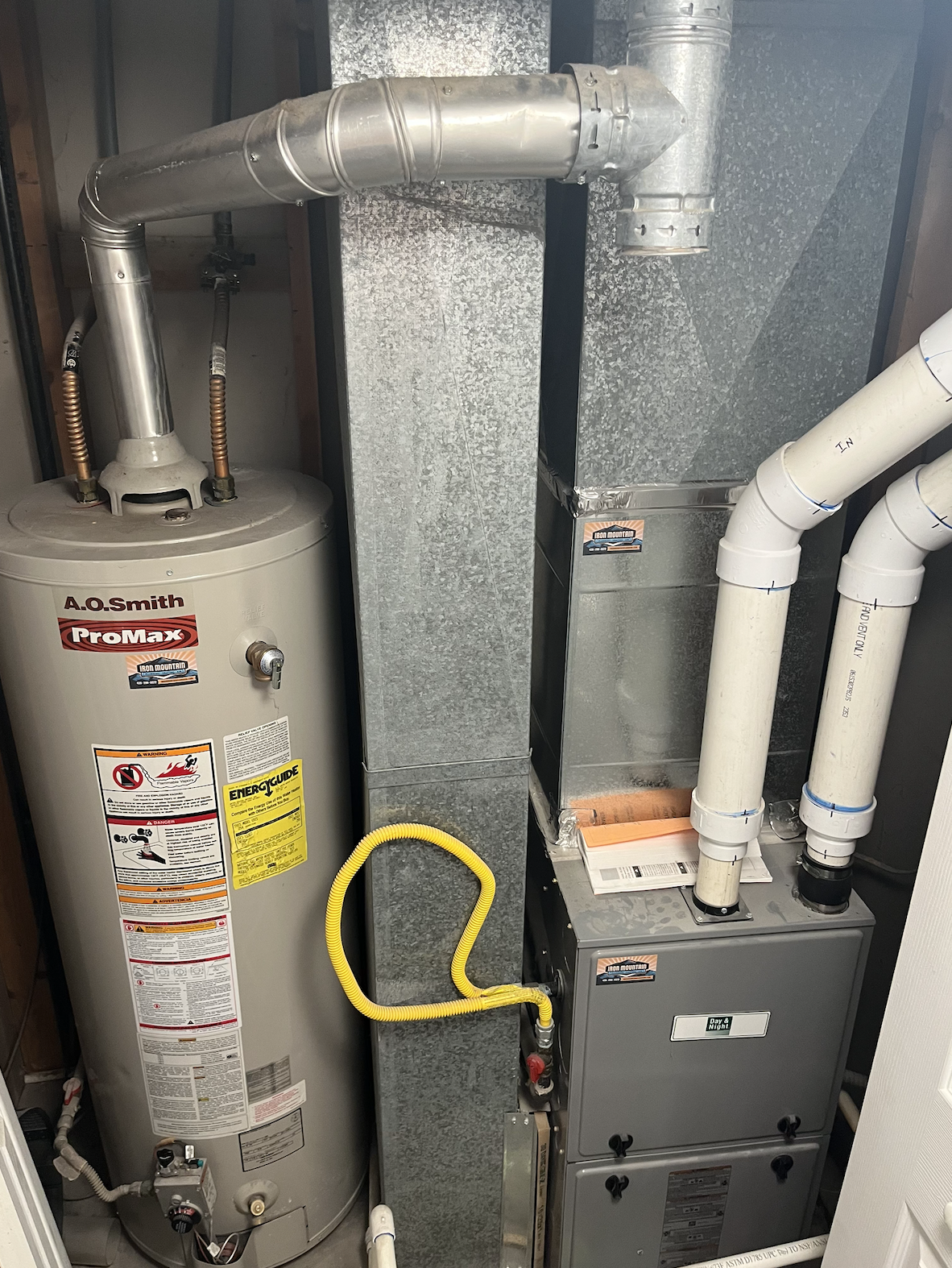
Traditional Water Heaters
Traditional water heaters are what most homeowners are familiar with. These systems store and heat a set amount of water in a tank, keeping it ready for use whenever you need it.
Tank sizes typically range from 30 to 80 gallons, depending on the size of the household and anticipated hot water demand.
Benefits of Traditional Water Heaters
One of the biggest advantages of a traditional water heater is its lower upfront cost. In many cases, replacing an existing tank water heater with a similar model is a relatively straightforward process, which can help keep installation costs down.
Traditional systems are also familiar and dependable. They’ve been used in homes for decades, and most homeowners understand how they work and what to expect from them.
Other benefits include:
- Lower initial investment
- Simple installation and replacement
- Reliable performance for many households
- Widely available parts and service
Potential Drawbacks
The main limitation of a traditional water heater is that it can only provide as much hot water as the tank can hold. If multiple family members shower back-to-back or several appliances are running at once, the tank may be depleted before it has time to reheat.
Traditional water heaters also use energy even when you’re not actively using hot water. Because the system constantly works to keep the stored water hot, some energy is lost throughout the day.
Additionally, storage tanks require more space than tankless units, which may be a consideration in smaller homes.
Tankless Water Heaters
Tankless water heaters operate differently. Rather than storing hot water in a tank, they heat water on demand as it flows through the system.
When you turn on a hot water faucet, the unit activates and heats water almost instantly. Once the faucet is turned off, the system stops heating.
Benefits of Tankless Water Heaters
One of the biggest reasons homeowners choose tankless systems is the ability to enjoy a virtually endless supply of hot water. Because water is heated as needed, there’s no tank to run empty.
For larger families or households with high hot water demand, this can be a significant advantage.
Tankless systems are also known for their energy efficiency. Since they only operate when hot water is needed, they eliminate the standby energy losses associated with traditional storage tanks.
Additional benefits include:
- Continuous hot water supply
- Improved energy efficiency
- Compact, space-saving design
- Longer average lifespan
- Reduced risk of tank-related leaks
Potential Drawbacks
While tankless systems offer many benefits, they typically require a larger upfront investment. Installation costs can be higher, especially if upgrades to gas lines, venting, or electrical systems are necessary.
Tankless systems also have flow-rate limits. If several fixtures are using hot water at the same time, the unit may struggle to keep up unless it is properly sized for the home’s needs.
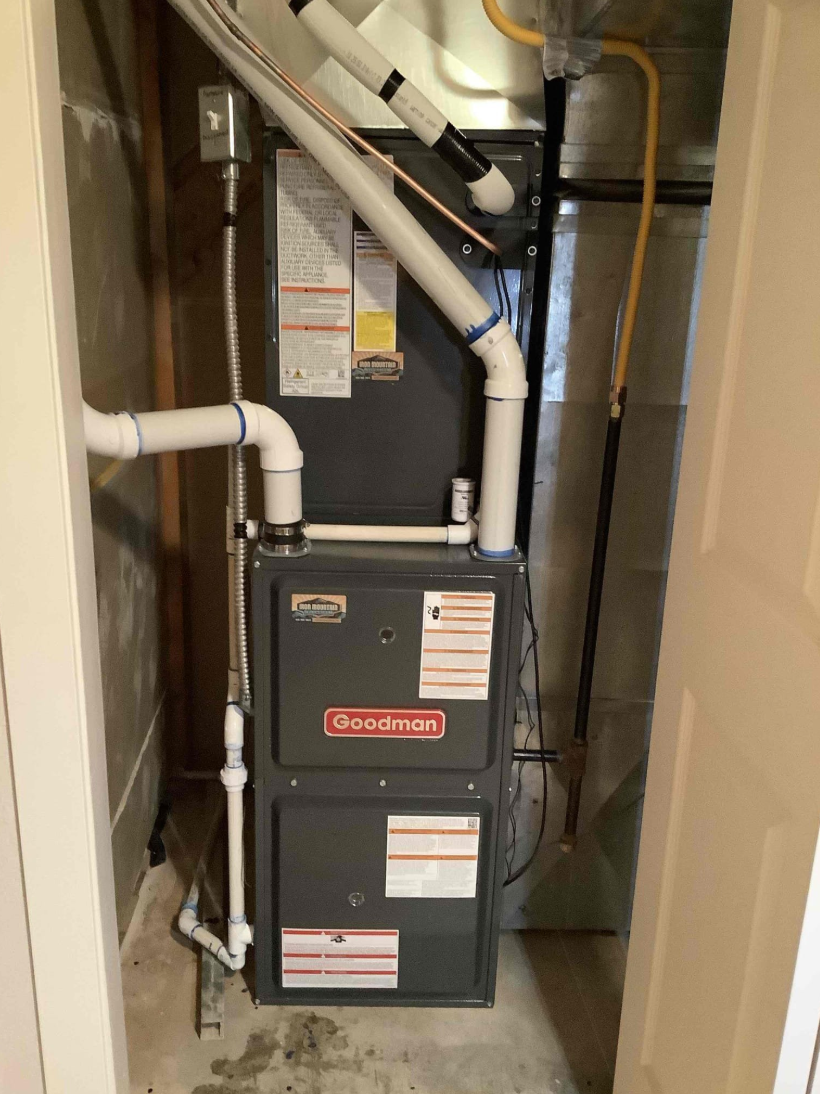
Comparing Tankless and Traditional Water Heaters
Upfront Cost
Traditional water heaters are usually the more budget-friendly option upfront. The units themselves tend to cost less, and installation is often simpler and less expensive.
Tankless water heaters typically require a larger initial investment. However, many homeowners find the higher upfront cost worthwhile because of the potential energy savings and longer lifespan.
Energy Efficiency
Traditional water heaters keep a tank of water heated and ready to go at all times, even when nobody is using hot water.
Tankless systems only heat water when you need it. Because they’re not constantly reheating stored water, they can be more energy efficient in many homes.
If lowering your energy use is a priority, a tankless water heater may have an advantage.
Hot Water Availability
If you’ve ever had a shower suddenly turn cold because someone started the dishwasher, you’ve experienced one of the limitations of a traditional tank water heater.
Tankless systems can provide continuous hot water on demand, making them appealing for larger households or homes with higher usage patterns.
Lifespan and Maintenance
Traditional water heaters typically last between 8 and 12 years, depending on maintenance, water quality, and usage.
Tankless water heaters often last significantly longer when properly maintained.
How Southern Utah’s Hard Water Can Affect Your Water Heater
Many homeowners in Cedar City, St. George, and surrounding communities deal with mineral-rich water that contains elevated levels of calcium and magnesium. While these minerals aren’t harmful to your health, they can take a toll on your plumbing system.
Traditional Water Heater Considerations
In traditional water heaters, hard water minerals can settle at the bottom of the tank and form sediment buildup.
Over time, this layer of sediment can:
- Reduce heating efficiency
- Increase energy costs
- Cause unusual noises
- Shorten the lifespan of the unit
Regular flushing can help remove some of this buildup and improve performance.
Tankless Water Heater Considerations
Tankless systems are not immune to hard water problems. Minerals can accumulate on internal components and heat exchangers.
Without periodic descaling and maintenance, mineral buildup can lead to costly repairs and shorten the life of the system.
How to Protect Either System
Whether you choose a traditional or tankless water heater, addressing hard water is one of the best ways to protect your investment.
Many Southern Utah homeowners benefit from:
- Routine water heater maintenance
- Professional flushing or descaling services
- Water softeners
- Whole-home water treatment systems
Schedule Your Appointment for Water Heater Installation in Cedar City Today!
At Iron Mountain Plumbing Heating Air, we proudly provide same-day plumbing service throughout Cedar City, St. George, and surrounding Southern Utah communities, helping homeowners choose solutions that fit their needs and budget.
Whether you’re interested in a traditional water heater, a tankless upgrade, or ways to protect your system from hard water damage, we’ll walk you through your options and provide honest recommendations.
Contact Iron Mountain Plumbing Heating Air today to schedule an appointment and find the right water heater solution for your home!
