



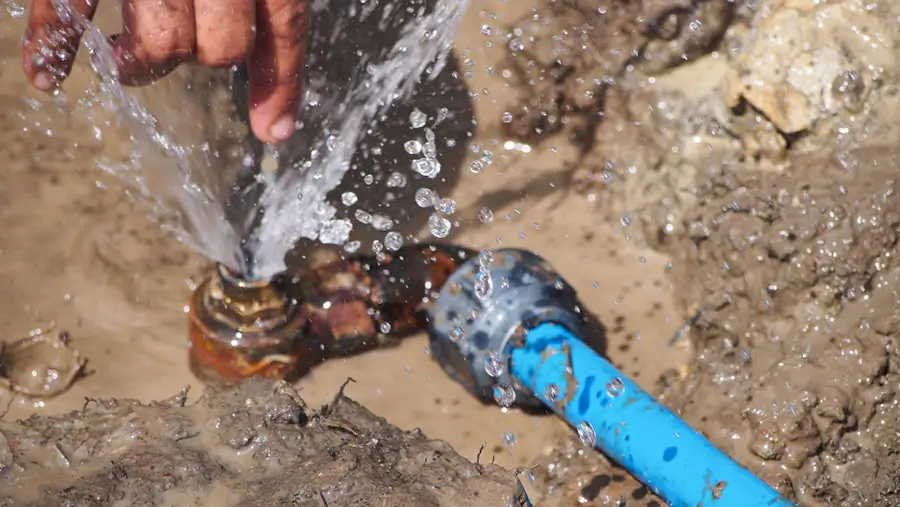
In minutes, a burst pipe can turn a peaceful home into a disaster zone. Did you know that a single burst pipe can release hundreds of gallons of water per hour? This blog post will provide you with essential steps to recognize signs of a burst pipe and immediate actions you can take to limit damage. You’ll also discover quick fixes to temporarily seal the pipe and learn when to seek professional emergency plumbing services. By understanding these solutions, you can effectively address the chaos caused by a burst pipe, ensuring your home stays protected from costly water damage.
Recognizing Signs of a Burst Pipe
You must recognize the signs early to effectively manage a burst pipe emergency. Look for unexplained water puddles on the floor, indicating a serious plumbing issue. Sudden drops in water pressure during your shower may also suggest a hidden leak. Additionally, listen for unusual sounds in the walls and look for stains or wet spots on ceilings and walls, as these can be telltale indicators of flood risk. Each of these symptoms signals the need for immediate plumbing services to prevent extensive water damage.
Notice Unexplained Water Puddles
Noticing unexplained water puddles in your home can be alarming, as they often point to a leak somewhere in your plumbing system. If you observe water collecting in unusual places, such as the floor or near walls, it’s essential to act quickly. This situation may be a sign of a burst pipe, and immediate action is required to schedule service with a plumbing professional to prevent further damage.
In colder months, a frozen pipe could be the underlying issue leading to these troublesome puddles. The freeze-thaw cycles can strain your plumbing, resulting in leaks. If you see water pooling, contacting an HVAC expert or plumber is crucial. They can help locate the source of the leak and provide necessary repairs, ensuring your home remains safe from extensive water damage.
Detect Sudden Drops in Water Pressure
Detecting sudden drops in water pressure can be an early warning sign that you may face a burst water pipe. If you notice a decrease in water flow while using faucets or showers, especially during peak usage, it’s essential to investigate further. In many cases, this change in pressure could signal a hidden leak, potentially stemming from a frozen burst pipe or other plumbing issues requiring immediate attention from a technician.
A decrease in water pressure not only affects your daily activities but can also lead to more significant water damage if not addressed quickly. If you experience this issue, it’s wise to contact an experienced electrician or plumber who can assess the situation and determine if a repair is necessary. Proactive measures, including regular maintenance of your furnace and pipes, can help prevent emergencies related to burst pipes and ensure your home stays safe and functional.
Listen for Unusual Sounds in the Walls
Listening to unusual sounds in your walls can provide critical clues about a potential burst pipe. If you hear dripping, cracking, or rushing sounds, these may indicate that water is escaping from a damaged area of your plumbing system. Addressing these noises promptly by contacting a qualified technician can lead to a swift inspection and burst pipe repair, minimizing damage to your property while ensuring your water supply remains uninterrupted.
Plumbing issues can also affect your home’s heating and cooling systems, with fluctuating temperatures or hissing sounds possibly pointing to leaks. If you experience these issues, don’t hesitate to request service from a professional who can diagnose the problem accurately. Early intervention is essential to safeguard your home against extensive damage and to maintain the integrity of your drainage and overall plumbing system.
Spot Stains or Wet Spots on Ceilings and Walls
Spotting stains or wet spots on ceilings and walls is often a clear indicator of a plumbing issue, particularly a burst pipe. If you notice these signs, conducting an immediate inspection is crucial to determine the underlying cause. Delaying action can lead to extensive damage, making it imperative to schedule online service with a professional who can provide expert pipe repair.
In cold weather, these stains may arise from freezing pipes that have started to leak, worsening over time if not addressed. To mitigate further issues, consider discussing financing options with your plumbing service, ensuring you can cover repairs without financial strain. Taking swift action now will help protect your home from significant water damage in the future.
Immediate Actions to Limit Damage
In the event of a burst pipe, taking immediate action is crucial to minimize damage. First, you should quickly shut off the main water supply to stop further flooding. Turn off electricity near affected areas to prevent hazards. Then, drain the remaining water from the faucets and collect the leaking water with buckets. These steps can help streamline your emergency response while preparing for potential financing options if you need to access emergency repair services.
Shut Off the Main Water Supply Quickly
When a burst pipe occurs, the first step is to shut off the main water supply quickly. This action halts additional water flow, preventing extensive damage from flooding. If your home has a sump pump, ensure it is operational and can effectively manage excess water. Acting promptly reduces the risk of mold growth and water pressure issues in your plumbing system.
After turning off the main water supply, assess your property for potential corrosion or damage that may have arisen from the burst pipe. Understanding the price of repairs early on can also help you budget for necessary services. By taking these immediate steps, you safeguard your home from further complications and create a safer environment while you await professional plumbing assistance.
Turn Off Electricity Near Affected Areas
When you face a burst pipe, immediately turning off the electricity near affected areas is essential to prevent additional water damage and electrical hazards. Water and electricity do not mix; maintaining safety during a plumbing emergency is your top priority. If your home has a sump pump, ensure it remains operational to manage excess water while avoiding electrical risks associated with damp environments.
After securing the electricity, assess the situation carefully. If frozen pipes are causing the issue, you may need to use tools like a heat gun later to thaw them. Engaging plumbing services soon after turning off the power will help address the burst pipe effectively, allowing for both the repair of the plumbing system and the restoration of your home’s safety. Prompt action is key in safeguarding your property against extensive damage.
Drain Remaining Water From Faucets
Draining the remaining water from faucets is a crucial step immediately after detecting a burst pipe. Turning on all faucets in your home allows any residual water to flow out, significantly reducing the chance of additional flooding and minimizing odors that may arise from stagnant water. This simple action can also help relieve pressure in your plumbing system, which is essential to prevent further damage.
After you have drained the water, take a moment to inspect the affected areas for any signs of water accumulation. This attention to detail will help you identify any lingering moisture that could lead to mold growth and unpleasant odors if left unchecked. Ensuring that your plumbing system is clear will also aid the plumbing professional who arrives to handle the repairs, allowing them to resolve the burst pipe issue effectively and restore normal function to your home.
Collect Leaking Water With Buckets
Collecting leaking water with buckets is an essential immediate measure when dealing with a burst pipe. This simple action helps prevent further water damage to your home while managing the situation before professional help arrives. Placing buckets strategically under leaks can minimize the impact of water spilling onto floors and walls, allowing you to focus on resolving the plumbing issue more effectively.
Quick Fixes to Temporarily Seal the Pipe
Applying quick fixes can provide temporary relief from a burst pipe until professional help arrives. A pipe clamp can secure the damaged area, while epoxy putty is an effective sealing solution. Wrapping the pipe with rubber and duct tape offers a simple, accessible fix. For small leaks, a pipe sleeve may also be an effective option. Each method enables you to minimize damage while awaiting long-term repairs.
Apply a Pipe Clamp Over the Burst Area
Applying a pipe clamp over the burst area can provide a swift and effective temporary solution to minimize water damage. To implement this fix, locate the damaged section of the pipe and use the clamp to seal the leak securely. This action can significantly reduce the water flow, allowing you time to arrange for professional plumbing services without further flooding in your home.
Ensure that the pipe clamp fits snugly around the burst area and is tightened adequately to create a seal. This simple method can serve as a stopgap measure until a qualified technician assesses the situation and performs any necessary repairs. By addressing the leak promptly with a pipe clamp, you help protect your property from extensive water damage while maintaining your peace of mind.
Use Epoxy Putty for Temporary Sealing
Using epoxy putty to temporarily seal a burst pipe can be an effective solution to controlling water damage. To apply it, you need to clean the area surrounding the leak thoroughly. Once the surface is prepared, knead the putty until it’s soft and moldable, then press it firmly onto the damaged area, creating a watertight seal. This quick fix can hold up until a professional arrives to conduct a more permanent repair, minimizing the risk of further flooding.
Epoxy putty is beneficial because it sets quickly and adheres well to various pipe materials, including metal and PVC. It also provides a strong bond that can withstand moderate water pressure, making it an ideal solution in emergencies. While you address other urgent needs, such as shutting off the main water supply, this method allows you to immediately protect your home from extensive damage caused by a burst pipe.
Wrap the Pipe With Rubber and Duct Tape
Wrapping the pipe with rubber and duct tape can serve as an effective temporary solution for mitigating damage from a burst pipe. Begin by locating and cleaning the damaged area to ensure a secure bond. Then, wrap rubber around the leak tightly before applying duct tape to hold it, creating a makeshift seal that significantly reduces water flow until a plumbing professional arrives.
This quick fix helps prevent further flooding and allows you to address other pressing concerns in your home. Using rubber and duct tape, you can gain valuable time to arrange for expert plumbing services while protecting your property from extensive water damage. Remember that while this method can provide immediate relief, it is essential to follow up with permanent repairs to ensure the long-term integrity of your plumbing system.
Utilize a Pipe Sleeve for Small Leaks
Utilizing a pipe sleeve for small leaks can be an effective temporary solution to protect your home from water damage. This option is straightforward: clean the area around the leak, then slide the pipe sleeve over the damaged section. You can dramatically reduce water flow by sealing the leak until professional plumbing services can provide a more permanent fix.
Using a pipe sleeve is particularly beneficial because it is designed to fit various pipe materials and sizes, making it versatile for different situations. This swift action minimizes damage and helps you regain peace of mind during a plumbing emergency. Addressing a small leak promptly can save you from significant repair costs in the future, ensuring your home remains safe and dry.
Seeking Professional Plumbing Assistance
If you’ve experienced a burst pipe, knowing when to call an emergency plumber is essential. Prepare information for the technician about the incident and familiarize yourself with the repair process. Don’t hesitate to ask about preventative solutions to avoid future issues. These steps ensure effective communication and promote reliable service during a plumbing emergency.
Decide When to Call an Emergency Plumber
Knowing when to call an emergency plumber can save you from significant water damage and costly repairs. If you notice a burst pipe, especially if the water flow is severe, it’s vital to reach out for professional assistance immediately. Don’t delay, as ongoing leaks can quickly escalate the situation, making prompt action essential for effective damage control.
You should also consider calling an emergency plumber if you attempt quick fixes, but the problem persists or worsens. For instance, if you’ve used temporary solutions like pipe clamps or epoxy putty, but the leak continues, this signals that you need a qualified technician to assess the plumbing thoroughly. Their expertise ensures the issue is resolved correctly, protecting your home from future plumbing disasters.
Prepare Information for the Plumber
When calling a plumber for emergency burst pipe repairs, it’s essential to provide detailed information about the issue. Clearly describe the location of the burst pipe, the extent of water flow, and any immediate actions you have taken, such as shutting off the main water supply. This information equips the plumber with the insight needed to assess the urgency and prepare adequately for the repair process.
Additionally, gather any relevant information about your plumbing system that the technician might need, such as the age of the pipes and any previous plumbing issues. If possible, take photos of the affected area to provide a visual reference. This preparation streamlines the service call and enhances communication, leading to faster and more effective emergency plumbing solutions.
Inquire About Preventative Solutions
When you consult with your plumber after experiencing a burst pipe, take the opportunity to inquire about preventative solutions to protect your home in the future. Ask about regular maintenance schedules to help detect early signs of leaks or weaknesses in your plumbing system. An experienced technician may also recommend installing insulation on pipes to shield them from freezing temperatures, especially during the colder months.
Additionally, consider discussing the benefits of upgrading older plumbing fixtures and materials. Newer, more resilient piping options can withstand pressure and temperature changes better than older systems.
Preventing Future Burst Pipes
Consider several vital strategies to prevent future burst pipes. First, insulating pipes against freezing temperatures can help safeguard your plumbing system during winter. Maintaining proper heating in cold weather, regularly inspecting pipes for wear, and monitoring water pressure are essential. These practices contribute to a more reliable plumbing system, reducing the risk of emergencies and costly repairs.
Insulate Pipes Against Freezing Temperatures
Insulating your pipes is a proactive measure you can take to prevent them from freezing during cold weather. You can use foam pipe insulation sleeves or fiberglass insulation to cover vulnerable pipes, especially in unheated areas like basements, attics, and crawl spaces. By doing this, you maintain a stable temperature around the pipes, significantly reducing the risk of a burst pipe due to freezing.
Additionally, sealing gaps or cracks in the walls and foundations where cold air might enter will further protect your plumbing system. Make it a habit to regularly inspect your insulation and replace any damaged sections. These steps safeguard your home from freezing pipes and improve your overall energy efficiency, ensuring that your plumbing system functions reliably when you need it most.
Maintain Proper Heating in Cold Weather
Maintaining proper heating in cold weather is essential for preventing burst pipes. Ensure your home’s heating system is functioning effectively by scheduling regular maintenance checks. This proactive approach helps identify potential issues before they escalate, safeguarding your plumbing system against freezing temperatures that could lead to costly repairs.
You should also keep your home adequately heated during particularly cold spells, avoiding sudden temperature drops that can strain your pipes. Insulating areas like basements and crawl spaces can further enhance your home’s warmth, effectively protecting against the risks of freezing pipes.
Regularly Inspect Pipes for Wear
Regularly inspecting your pipes for wear can significantly reduce the risk of emergencies such as burst pipes. You can catch potential issues before they escalate by checking for signs of deterioration, such as rust, corrosion, and leaks. Consider scheduling routine assessments with a qualified plumbing professional who can conduct thorough evaluations of your plumbing system and ensure everything is functioning well.
Monitor and Regulate Water Pressure
Monitoring and regulating water pressure in your plumbing system is essential to prevent future burst pipes. High water pressure can place excessive strain on pipes, leading to potential leaks or breaks over time. You can use a pressure gauge to quickly check your water pressure, ideally between 40 and 60 psi. If your water pressure exceeds this range, consider installing a pressure-reducing valve to protect your plumbing system and avoid costly repairs.
In addition to using a gauge, regularly inspect your plumbing fixtures for signs of wear or leaks, as these can indicate issues with water pressure. Pay attention to any unusual sounds or fluctuations during water usage, which may signal underlying pressure problems.
Emergency Burst Conclusion
The pipe repair solutions are vital for minimizing water damage and protecting your home. By taking immediate actionsuch as shutting off the main water supply and applying quick fixes like pipe clamps or epoxy puttyyou can control the situation until professional help arrives. Awareness of the signs of a burst pipe and the right steps to take can save you significant repair costs and disruption. Prioritizing prompt responses and preventative measures ensures your plumbing system remains reliable, safeguarding your home against future emergencies.
Frequently Asked Questions
What are the common signs that indicate a pipe has burst?
Unusual water sounds, a drop in water pressure, discolored water, and unexpected increases in your water bill can all indicate a burst pipe.
What steps should I take immediately after discovering a burst pipe?
Upon discovering a burst pipe, shut off the main water supply immediately, then turn
on the faucets to release pressure and minimize further damage.
How can I temporarily fix a burst pipe on my own?
To temporarily fix a burst pipe, shut off the water supply, then apply a pipe clamp or wrap the area securely with waterproof tape as an immediate solution until professional repairs can be made.
What measures can I take to prevent pipes from bursting?
To prevent pipe bursts, insulate pipes, keep a steady warmth in your home, and let faucets drip slightly during severe cold snaps.
When should I call a professional to deal with a burst pipe?
Contact a professional immediately if the burst pipe is causing rapid water damage, you cannot locate the main shutoff valve, or the pipe break’s location is not visible or easily accessible.