




Nothing tests a furnace like the first truly cold night of the season. The thermostat clicks on, you wait for that familiar rush of warm air, and instead: silence, or worse, a strange rattling noise.
If you have ever scrambled to find furnace repair in Cedar City during a cold snap, you already know how stressful that moment can be. It rarely happens gradually. One day the system is keeping up just fine, and the next morning it simply will not start.
The good news is that most breakdowns give plenty of warning signs long before winter fully arrives, and a little attention now can save you a frantic phone call later.
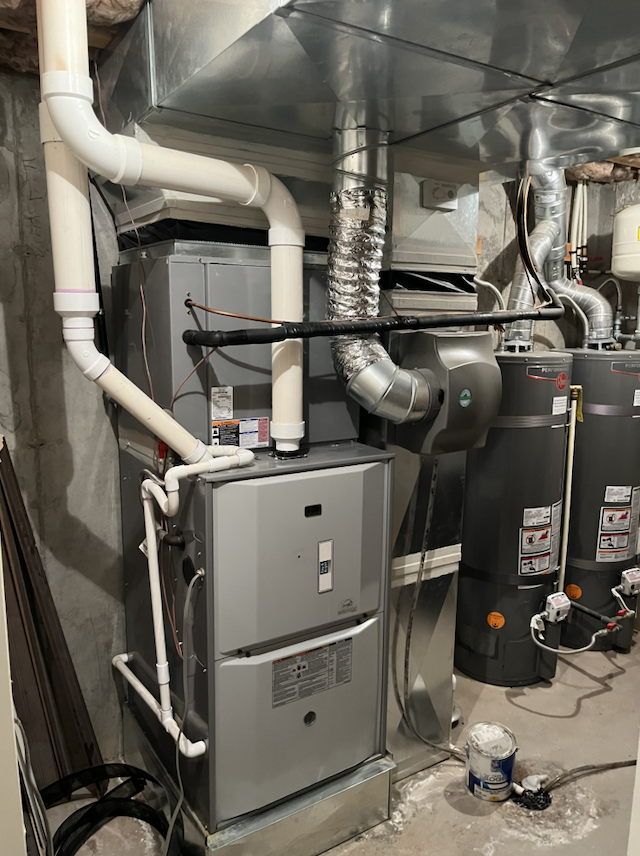
Why Furnace Maintenance Matters Before Winter Hits
Cedar City sees big temperature swings between fall and winter, and furnaces that sat idle all summer often need a jump-start before they are ready for heavy daily use.
Dust and debris settle inside the system over months of inactivity, and small mechanical issues that would barely register in July can turn into real problems once the furnace runs for hours at a time.
Elevated homes also put extra strain on heating equipment, since thinner air affects how efficiently fuel burns.
Add in the freeze-thaw swings common across Iron County, and it is easy to see why a furnace that performed fine last winter cannot always be trusted to do the same this year without a check-up.
Parts expand and contract with temperature changes, connections loosen over time, and a system that has not been serviced in a year or more is simply carrying more wear into the season than one that has.
What Happens During a Professional Furnace Tune-Up
A tune-up is more than a quick glance at the thermostat. A trained technician works through the whole system, inside and out, to make sure everything is ready for the season ahead.
When to Schedule Your Tune-Up
Early fall is the best window, before the first cold mornings send everyone reaching for their thermostat at once.
Scheduling ahead also means you are not competing with every other homeowner who waited until their furnace stopped working, which tends to happen right as temperatures drop and technicians get busiest.
Cleaning and Inspecting Key Components
During a tune-up, a technician cleans the burner assembly, checks the blower motor, tests the ignition system, and replaces the air filter if it is due. They will also check the thermostat calibration and inspect electrical connections, since a loose wire or a miscalibrated sensor can cause a furnace to run inefficiently even when nothing seems wrong.
Keeping heating equipment clean and well-maintained is one of the most effective ways for homeowners to avoid unexpected breakdowns and control energy costs.
A furnace that is clean and properly calibrated does not have to work as hard to heat your home, which shows up directly on your energy bill. It also puts less strain on the system overall, which matters if you want your furnace to reach its full expected lifespan instead of wearing out early.
Checking for Safety Issues
Safety checks matter just as much as performance checks. A technician inspects the heat exchanger for cracks, checks gas line connections, and confirms the system is venting properly.
According to the Centers for Disease Control and Prevention, an annual servicing of gas-burning heating equipment is one of the simplest ways to help prevent carbon monoxide exposure at home.
If a technician finds a cracked heat exchanger or a loose gas connection, they will walk you through your options, which may include scheduling gas leak detection service to confirm your home is safe.
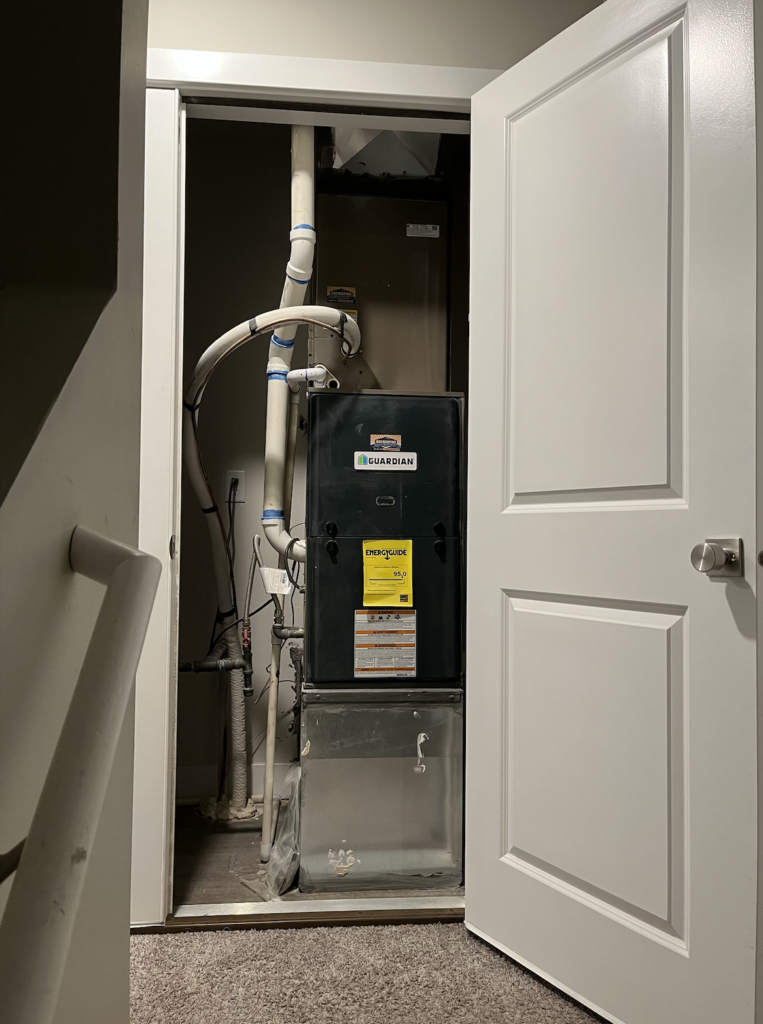
Warning Signs Your Furnace Needs Attention
Between annual tune-ups, it helps to know what to watch for. A furnace rarely fails without giving some kind of clue first, even if that clue is easy to brush off in the moment.
Call for a repair if you notice any of the following:
- Uneven heating from room to room.
- Banging, rattling, or squealing when the system starts up.
- A yellow pilot light flame instead of blue.
- Rising energy bills with no clear explanation.
- The furnace cycling on and off more often than usual.
Any one of these on its own might not be a big deal, but together they are a good sign it is time for an inspection rather than waiting for a full breakdown.
A yellow pilot flame in particular is worth acting on right away, since it can point to a combustion issue.
The Cost of Skipping Maintenance
An annual tune-up costs far less than an emergency repair, and a lot less than replacing a furnace years ahead of schedule.
A neglected system also has to work harder to produce the same amount of heat, which means higher bills all winter long, even if the furnace never fully breaks down. Regular maintenance protects the investment you already made by helping your furnace reach its expected lifespan instead of failing early.
There is also the timing to consider. Furnaces tend to fail during their heaviest use, which in Cedar City usually means the coldest stretch of the year. An emergency repair on a night when temperatures are already dropping fast tends to cost more, and it leaves your family without heat for however long the fix takes. A scheduled tune-up avoids that gamble entirely.
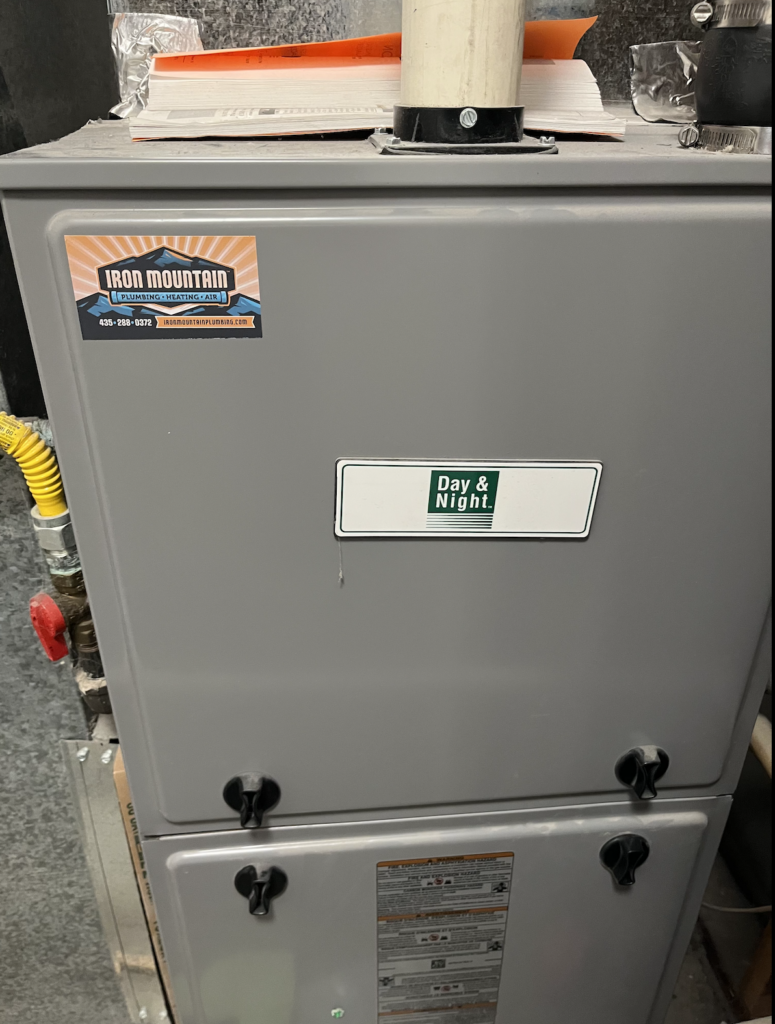
Schedule Furnace Repair in Cedar City Before Winter Arrives
Cold weather has a way of finding every weak spot in a furnace that has been running unchecked. A tune-up now is a small step that can save you a cold house and a much bigger bill later.
Whether your furnace just needs a routine check-up or you have already noticed one of the warning signs above, getting ahead of it now means one less thing to worry about once the temperature drops for good.
Ready to get your furnace checked before winter settles in? Reach out to our team to schedule your appointment today.