




You’re standing at the bathroom sink, and the water just… sits there a little longer than it should before disappearing down the drain. It’s not a flood, it’s not an emergency, so you tell yourself you’ll deal with it later. Sound familiar?
A slow drain is one of those small annoyances that’s easy to brush off, especially when the water eventually goes down anyway. But more often than not, it’s your plumbing giving you an early heads-up, and how you respond can make the difference between a quick fix now and a much bigger repair later.
If you’ve been putting off drain cleaning in Cedar City because things “aren’t that bad yet,” here’s why it’s worth a second look, plus what’s likely happening out of sight, what can go wrong if you wait, and how a professional drain cleaning service actually helps.
What a Slow Drain Is Actually Telling You
A slow drain is a symptom, not the actual problem. Something inside that pipe is narrowing the space water has to move through, and it didn’t get that way overnight.
By the time you notice standing water in the sink or a shower that drains at a crawl, whatever’s causing it has usually been building for weeks or even months, one small deposit at a time — slow enough that it never sets off any alarms until it’s impossible to ignore.
Common Culprits in Cedar City Homes
A few things tend to show up again and again:
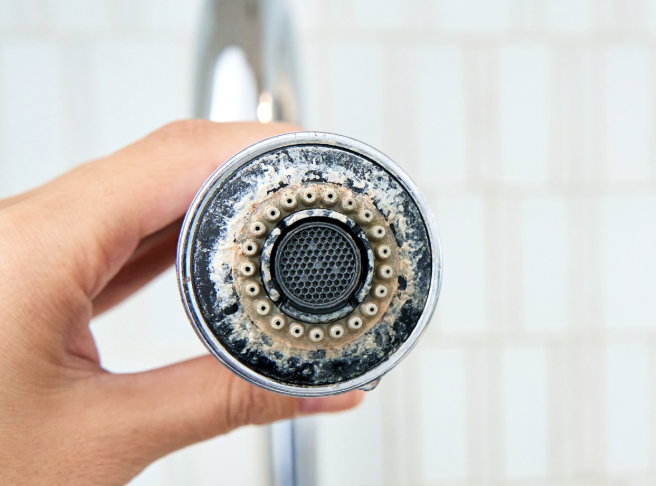
- Mineral buildup from the area’s hard water, which narrows pipes from the inside out
- Everyday debris like grease, soap scum, and hair collecting along pipe walls
- Local soil conditions that can shift older pipe lines over time
Cedar City sits in a region where mineral-heavy water is common, and calcium and magnesium can gradually coat the inside of household plumbing. Over time, that mineral scale narrows the pipe’s diameter, and a narrower pipe means slower drainage.
Add in the high-desert soil that shifts a bit with the seasons, and older pipe lines can settle just enough to create a low spot where water — and everything in it — collects instead of flowing straight through.
None of these causes are unusual or a sign you’ve done anything wrong. They’re just part of owning a home in this part of Southern Utah, and they’re very manageable once you know what to look for.
The Risk of Waiting It Out
It’s tempting to think a slow drain will either fix itself or stay manageable indefinitely. Neither is usually true.
From Slow Drain to Full Backup
A partial clog rarely stays partial. Every bit of grease, hair, or mineral scale that clings to the walls of the pipe gives the next bit something to stick to.
What starts as “the sink drains slow” can turn into “the sink won’t drain at all” seemingly overnight, and blockages have an uncanny habit of showing up at the worst possible time: mid-shower, over a holiday weekend, or right before you’re expecting company.
Damage You Can’t See Coming
A backed-up pipe doesn’t just sit there quietly. Water and pressure have to go somewhere, and that “somewhere” is often a joint, seam, or weak point in your plumbing you’ll never see until it fails.
Left unaddressed, that pressure can contribute to a pipe leak or, in more serious cases, a slab leak under your foundation. Neither is cheap or convenient to fix once it’s underway.
It’s also worth remembering just how much water a hidden leak can waste. According to the Environmental Protection Agency, household leaks account for more than a trillion gallons of wasted water nationwide every year. A slow drain that’s masking a leak isn’t just a plumbing problem; it’s a quiet drain on your water bill, too.
When It’s More Than Just a Drain
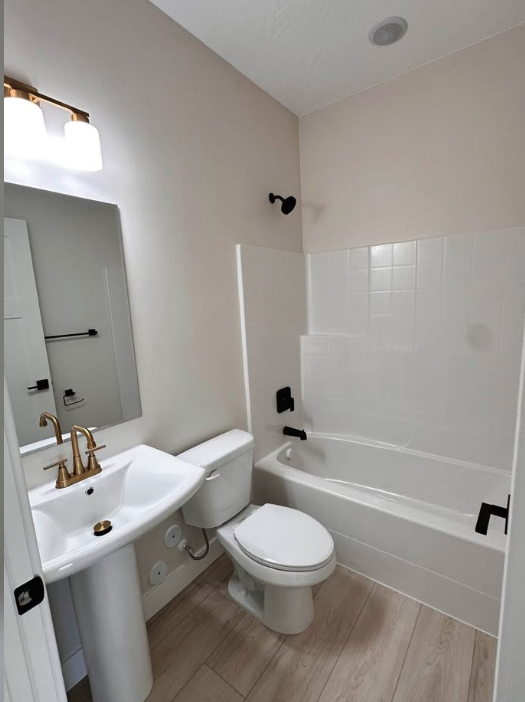
If just one fixture is running slow, that’s usually a localized clog. But if several drains in your house are all acting sluggish around the same time — the kitchen sink, the shower, the washing machine — that’s less about any single pipe and more likely a sign of a bigger issue further down the line.
Multiple slow drains often point toward a problem with the main sewer line itself, which is a different repair altogether from clearing a single pipe.
How Professional Drain Cleaning Helps
A store-bought drain cleaner or a bent wire hanger might clear the very top layer of a clog, but it usually doesn’t touch what’s built up further down the line, and some chemical cleaners can damage older pipes with repeated use.
A proper inspection and cleaning gets to the root of the issue instead of just poking a hole through the middle of it.
A few signs it’s time to call someone rather than wait it out include:
- Water draining slower than usual in more than one fixture
- Gurgling or bubbling sounds coming from pipes or drains
- Clogs that keep coming back even after you’ve cleared them
- Unpleasant odors coming from a sink, tub, or floor drain
None of these are things to panic over, but they’re all worth a phone call before they turn into a bigger job.
A Little Maintenance Goes a Long Way
Between visits, there’s plenty homeowners can do to keep drains flowing well:
- Run hot water through the sink for a few seconds after washing greasy dishes
- Use a simple drain guard to catch hair and food scraps before they go down
- Avoid pouring grease or coffee grounds down the kitchen sink altogether
These habits won’t undo years of mineral buildup on their own, but they’ll slow it down and make it easier to catch a real problem early.
Schedule Drain Cleaning in Cedar City Today
A slow drain isn’t something to lose sleep over, but it’s also not something to shrug off indefinitely.
If your drains have been a little slower than usual lately, we’d rather take a look now than have you deal with an emergency later. Give us a call to book an appointment and we’ll get things flowing the way they should!