Check Us Out On Our Social Media

Tag: Clog

Ensuring Your Business Meets Plumbing Code Requirements

When running a business, ensuring compliance with plumbing code requirements isn’t just about avoiding fines; it’s about safeguarding your reputation and safety. You need to be familiar with national and local codes, like the UPC and IPC, which dictate everything from pipe sizing to fixture placement. Regular inspections and maintenance play a vital role in preventing violations. But how do you stay ahead of changes in these codes, and what are the key areas that often trip up even the most diligent business owners? There’s more to uncover when keeping your plumbing in line.

Understanding Plumbing Codes

Guiding plumbing codes requires a thorough understanding of the regulations that govern the installation and maintenance of plumbing systems in commercial settings. You must familiarize yourself with national and local plumbing codes, as these dictate how your business must handle water supply, waste management, and sanitation. Start by examining documents like the Uniform Plumbing Code (UPC) or the International Plumbing Code (IPC), which provide a framework for guaranteeing safety, efficiency, and environmental compliance.

When approaching plumbing codes, pay attention to pipe sizing, water pressure, fixture installation, and backflow prevention. Each element is essential to maintaining a system that not only meets legal standards but also effectively serves your clients. You’ll want to review and update your knowledge regularly because codes can change, reflecting new technologies and environmental considerations.

Consulting with certified plumbing professionals or attending industry seminars can enhance your understanding. They can offer insights into best practices and common pitfalls to avoid. Remember, being detail-oriented helps guarantee that your plumbing systems support the health and safety of everyone relying on them. By mastering these codes, you’re not just following rules but safeguarding your community’s well-being.

Importance of Compliance

Ensuring compliance with plumbing codes is essential for maintaining legal standards and preventing costly fines or operational disruptions in your business. Adhering to these regulations safeguards your operations and guarantees a safe and reliable environment for your clients and staff. Understanding the importance of compliance can be broken down into several critical components:

  1. Legal Obligations: Meeting plumbing codes is a legal requirement. Non-compliance could result in significant fines, legal actions, or forced shutdowns, which could impact your ability to serve others effectively.
  2. Safety: Proper compliance guarantees the health and safety of everyone on your premises. Codes are designed to prevent contamination, leaks, and water damage, which could pose serious risks to health and property.
  3. Reputation Management: A compliant plumbing system reflects your commitment to professionalism and reliability. Clients and employees trust businesses that prioritize safety and legal integrity.
  4. Financial Protection: Investing in compliance can save you from future liabilities and repair costs. Avoiding code violations helps you maintain operational continuity and financial stability. 

Prioritizing these areas underscores your dedication to serving others responsibly and guaranteeing that your business operates smoothly and within the law. 

Key Areas of Focus

To effectively maintain compliance, focus on essential areas such as water supply systems, drainage and venting, backflow prevention, and fixture installation standards. Confirming your water supply system adheres to local codes involves verifying proper pipe sizes and materials to facilitate efficient water flow and prevent contamination. For drainage and venting, confirm pipes are correctly sloped and sized to remove wastewater efficiently while preventing sewer gases from entering the building.

Incorporate backflow prevention devices to protect the potable water supply from contamination due to reverse flow. Regularly test and maintain these devices to confirm they function correctly, thereby safeguarding public health. Follow precise installation standards for fixtures, confirming that sinks, toilets, and other plumbing fixtures meet the required heights, clearances, and accessibility standards specified by the codes.

Document all installations and inspections meticulously, keeping records demonstrating compliance with plumbing codes. Engage with professional plumbers who understand local regulations and can offer expert guidance. By focusing on these critical areas, you adhere to legal requirements and enhance the safety and functionality of your business’s plumbing system, ultimately serving your clientele more effectively.

Water Supply Standards

When addressing water supply standards, ensure your business complies with local regulations by using approved materials and correct pipe sizing to secure efficient and safe water delivery. Confirming proper compliance is not just about meeting legal requirements; it’s about serving your community effectively. Begin by evaluating the following significant areas:

  1. Material Selection: Choose corrosion-resistant materials approved for potable water. This will guarantee the longevity and safety of your water supply system.
  2. Pipe Sizing: Accurate pipe sizing is essential for maintaining adequate water pressure and flow rates. Oversized pipes waste resources, while undersized ones can lead to insufficient water delivery.
  3. Backflow Prevention: Install backflow prevention devices to protect the water supply from contamination. This is crucial in preventing potential health hazards to those you serve.
  4. Pressure Regulation: Use pressure regulators to maintain water pressure throughout your system. This prevents damage to plumbing fixtures and guarantees user safety.

Adhering to these standards fulfills regulatory obligations and demonstrates a commitment to quality service and community well-being. By prioritizing these elements, you invest in a plumbing system that supports your business and protects those you serve.

Drainage System Guidelines

Proper drainage system design is vital for maintaining hygienic conditions and preventing structural damage in your business premises. To comply with plumbing codes, guarantee that your drainage system efficiently removes wastewater and prevents backflow, which can contaminate clean water sources. You must install appropriately sized pipes to handle peak flow rates, preventing blockages and overflow. Slope your drainage pipes correctlytypically a quarter-inch per footto facilitate gravity-based flow.

Regulatory codes often require venting to equalize pressure and prevent siphoning of water seals in traps. Ensure you include vent pipes in your design, connecting them to the drainage lines. Using cleanouts at strategic points will make maintenance easier, allowing you to clear blockages without major disruption.

Materials matter; choose those that are durable and compatible with the waste your business generates. For example, corrosive waste may require specialized piping. Regular inspections and adherence to local plumbing codes are essential to guarantee compliance and system longevity. 

Fixture Installation Rules

Guaranteeing your business remains compliant with plumbing codes requires installing fixtures that meet specific standards for safety, efficiency, and accessibility. To serve your clients effectively, you must adhere to these fixture installation rules:

  1. Fixture Spacing: Verify proper spacing between fixtures. Codes often specify minimum distances to maintain accessibility and comfort. For example, the distance between a toilet and a sink should provide ample space for maneuvering, especially for those with mobility challenges.
  2. Water Conservation: Choose fixtures that optimize water use. High-efficiency toilets and faucets can greatly reduce water consumption, aligning with environmental regulations and demonstrating a commitment to sustainability.
  3. Backflow Prevention: Install backflow prevention devices to protect the water supply from contamination. These devices guarantee that waste or other contaminants don’t flow back into clean water lines, safeguarding public health.
  4. Material Compliance: Use approved materials that meet local and national standards. Non-compliant materials can lead to failures and costly penalties, so verifying that all pipes, valves, and fixtures meet the required specifications is essential. 

Common Plumbing Violations

In many businesses, common plumbing violations include inadequate fixture spacing, improper backflow prevention, and the use of non-compliant materials, which can lead to regulatory penalties and operational disruptions. To serve your clients effectively and guarantee smooth operations, it’s critical to understand these violations. Inadequate fixture spacing can violate code requirements, making maintenance and repair difficult and potentially posing health risks. Fixtures need proper spacing to allow for accessibility and compliance with ADA regulations.

Improper backflow prevention is another prevalent issue. Backflow can contaminate potable water sources, posing significant health risks to employees and clients. Ascertain your business installs appropriate backflow prevention devices and regularly maintains them to meet health codes and prevent costly penalties.

Using non-compliant materials is a common oversight leading to significant regulatory issues. Materials must meet local and national plumbing codes to promote safety and functionality. Using materials not certified for plumbing applications can compromise system integrity and lead to failures.

Regular inspections and a thorough understanding of local plumbing codes are essential in avoiding these violations. By addressing these issues proactively, you’ll guarantee your business remains compliant and continues to serve your community effectively. 

Hiring Qualified Professionals

Securing compliance with plumbing codes requires engaging professionals with the technical expertise and certifications necessary to address potential violations proactively. When running a business, it’s essential to ensure that your plumbing systems are up to code to prevent costly fines, protect your clientele, and maintain your business’s reputation. Here’s how you can hire qualified professionals effectively:

  1. Verify Licenses and Certifications: Confirm that the professional holds valid licenses and certifications specific to your state or locality. These credentials demonstrate their understanding of current plumbing codes and regulations.
  2. Evaluate Experience: Consider professionals with a proven track record in commercial plumbing. Experience in handling diverse and complex systems is imperative for anticipating issues before they arise.
  3. Check References and Reviews: Speak with past clients and read reviews to gauge the professional’s reliability, quality of work, and adherence to code requirements. This step is essential for securing peace of mind.
  4. Request Detailed Proposals: Obtain proposals that outline the scope of work, timelines, and how they plan to guarantee code compliance. This transparency helps you understand their approach and commitment to regulatory standards. 

Inspection and Maintenance

Regular inspections and maintenance of plumbing systems are vital for identifying potential code violations and preventing costly disruptions to your business operations. By scheduling routine checks, you guarantee compliance with local and national plumbing standards, safeguarding your business from legal penalties. Inspections help you detect leaks, corrosion, or blockages early, allowing for prompt repairs and minimizing water waste, which reflects your commitment to sustainability.

During inspections, focus on important components like backflow prevention devices, water heaters, and drainage systems. Verify each element functions effectively and adheres to code specifications. For instance, confirm backflow preventers are tested annually to protect potable water supplies. Maintaining detailed records of inspections and maintenance activities is significant, as they provide documentation of compliance efforts and simplify audits by regulatory bodies.

Perform regular maintenance tasks such as cleaning aerators, checking for leaks, and inspecting valve functionality. These actions extend the lifespan of plumbing systems and enhance efficiency and safety. Encourage your team to report any irregularities immediately, fostering a proactive approach to plumbing care. By prioritizing inspection and maintenance, you uphold high service standards, reflecting your dedication to serving others responsibly. 

Staying Updated on Changes

To guarantee compliance with evolving plumbing codes, you must actively monitor updates from local and national regulatory agencies. Staying informed guarantees you serve your clients effectively and maintain legal standards. Here’s how you can do it:

  1. Subscribe to Updates: Register for newsletters from bodies like the International Code Council (ICC) or your local plumbing board. These updates will provide the latest code changes and interpretations.
  2. Attend Workshops and Seminars: Participate in industry workshops or seminars. These events often cover new regulations and offer a platform for discussing practical implications with peers and experts.
  3. Consult with Professionals: Work with a licensed plumbing consultant specializing in code compliance. They can provide insights into complex changes and how they affect your specific operations.
  4. Regularly Review Code Publications: Keep the latest editions of the plumbing code manuals at hand. Regular review helps you understand nuances and align your practices accordingly. 

Conclusion

By ensuring your business complies with plumbing codes, you’re not just ticking boxes but safeguarding your operation and building trust. Remember, “an ounce of prevention is worth a pound of cure.” Regular inspections, attention to key areas like water supply and drainage, and hiring qualified professionals can prevent costly violations. Stay proactive by keeping current with code changes. This diligence protects you legally and enhances your reputation as a detail-oriented, reliable business.

Frequently Asked Questions

What Are the Consequences of Ignoring Plumbing Code Updates?
Ignoring plumbing code updates can lead to costly fines, legal liabilities, and potential harm to those you serve. You risk compromising safety, efficiency, and environmental compliance, ultimately affecting your business’s reputation and customer trust. Stay informed.
How Can Technology Assist in Maintaining Plumbing Code Compliance?
You can use technology like compliance software and IoT sensors to track plumbing code updates, automate inspections, and monitor system performance. This guarantees you’re always aligned with regulations, minimizing risks and maintaining service standards efficiently.
Are There Any Financial Incentives for Adhering to Plumbing Codes?
Complying with plumbing codes may result in tax credits, grants, or reduced insurance premiums. Financial incentives vary by region, so check local regulations. This not only saves money but also guarantees community safety and well-being.
How Do Plumbing Codes Differ Between Commercial and Residential Properties?
You’ll notice commercial plumbing codes demand higher capacity systems, stricter safety standards, and more frequent inspections than residential codes. These codes guarantee that your business effectively supports public health and safety and meets the community’s needs.
What Resources Are Available for DIY Plumbing Code Education?
Did you know 70% of DIY plumbers overlook code requirements? Explore resources like online courses, local workshops, and municipal websites. Immerse yourself in detailed guides and technical manuals to ensure your work meets regulatory standards and effectively serves others.

Essential Regular Plumbing Maintenance Checklist

You’re probably aware of how essential regular plumbing maintenance is, but have you considered what your checklist should include? From checking for leaks in visible pipes to ensuring your water heater is rust-free, each task is critical in keeping your system efficient and long-lasting. But what about those less obvious tasks you might be missing? With so many components to take into account, it can be overwhelming. Discover a structured approach that could prevent costly repairs and unexpected issues before they arise. What’s the next step in securing your home’s plumbing health?

Check for Leaks

Begin by inspecting all visible pipes, fittings, and fixtures for any signs of water leakage, such as damp spots, corrosion, or pooling water. Pay close attention to areas under sinks, around toilets, and beneath any exposed piping. Use a flashlight to guarantee you don’t miss any hidden areas. Leaks can manifest as small drips or minor discoloration, so thoroughness is vital.

Next, check the joints and connections of the pipes. Confirm they’re secure and free of moisture. Sometimes, leaks can be subtle, causing only a slight dampness. Run your fingers along the joints to detect any moisture. If you feel any dampness, tighten the fittings or consider applying a plumber’s tape for a temporary fix.

Also, examine the condition of seals and caulking around your plumbing fixtures. Over time, these can degrade, leading to water seepage. If you notice any cracks or gaps, reapply the sealant to prevent future leaks. 

Inspect Water Heater

Once you’ve ensured all other areas are leak-free, inspect your water heater for any signs of corrosion, unusual noises, or temperature inconsistencies. Begin by visually examining the heater’s exterior. Look for rust or corrosion, particularly around the connections and valves. Corrosion can indicate a potential leak or impending failure. Listen for odd sounds like popping or rumbling, which may suggest sediment buildup.

Check the thermostat’s temperature setting; it should ideally be around 120 degrees Fahrenheit. A higher setting can pose a scalding risk or reduce the heater’s efficiency. If you notice fluctuations in water temperature during use, it might be time to assess the thermostat or heating elements.

Here’s a quick checklist:

  • Inspect for Corrosion: Examine the tank and connections for rust.
  • Listen for Noises: Unusual sounds can indicate sediment or mechanical issues.
  • Verify Temperature Setting: Confirm it’s set to a safe and efficient level.
  • Check Pressure Relief Valve: Lift the valve’s lever to confirm it’s functioning. 

Regular checks confirm your water heater operates efficiently, prolonging its lifespan and maintaining consistent service. By keeping it in top condition, you’re confirming comfort and serving the needs of those relying on you.

Test Sump Pump

After confirming your water heater functions ideally, it’s time to test the sump pump to prevent basement flooding and maintain dry conditions. Begin by locating the sump pump in your basement or crawl space. You’ll need a bucket filled with water for the test. Carefully pour the water into the sump pit until the float rises, triggering the pump. Listen attentively for the sound of the pump activating. It should start pumping water out of the pit immediately.

Observe the discharge line outside your home to confirm the water is expelled efficiently and away from your foundation. If the pump doesn’t engage, check the power source and reset the circuit if necessary. Inspect the float switch and confirm it’s not obstructed or tangled, as this can prevent operation. Regular sump pump testing confirms it’s ready for heavy rains or melting snow, safeguarding your home from potential water damage.

Remember to check the battery backup system to see if one is installed. This backup system provides peace of mind during power outages, confirming continuous protection. By maintaining your sump pump, you’re protecting your home and serving your family and community by preventing unnecessary water damage. 

Clean Drain Pipes

To maintain ideal water flow and prevent clogs, regularly clean your drain pipes using a mixture of baking soda and vinegar. This natural solution helps dislodge build-up and keeps your plumbing running smoothly. Start by pouring half a cup of baking soda down the drain, followed by equal vinegar. Allow the mixture to fizz and work its magic for about 15 minutes. Then, flush the drain with hot water to clear away loosened debris.

When cleaning drain pipes, it is crucial to be methodical:

  • Frequency: Perform this cleaning routine monthly to guarantee optimal drainage and avoid the accumulation of grease, hair, and soap scum.
  • Safety: Wear gloves to protect your hands from any residue that might come into contact with your skin.
  • Tools: If you encounter stubborn clogs that the baking soda and vinegar cannot dissolve, use a drain snake or wire hanger.
  • Prevention: Install a drain strainer to catch larger particles before they enter the pipes, reducing the likelihood of future clogs.

Examine Water Pressure

Evaluating your home’s water pressure is essential to confirm your plumbing system operates efficiently and prevents potential damage to pipes and appliances. High water pressure can cause leaks, wear out fixtures, and increase water bills, while low pressure may indicate blockages or pipe corrosion. To measure your water pressure, use a pressure gauge, which you can attach to an outdoor faucet or hose bib. First, verify all water outlets in your home are off. Then, screw the gauge onto the faucet, turn it on fully, and read the measurement. Ideal residential water pressure ranges between 40 to 60 psi.

If your reading falls outside this range, consider taking corrective actions. Installing a pressure-reducing valve (PRV) can protect your plumbing system from high pressure. Check for clogged aerators or partially closed shut-off valves if the pressure is low. Examine your pressure regulator if equipped, as it might need adjustment or replacement. Regularly monitoring your water pressure extends the life of your plumbing system and confirms a reliable water supply for daily tasks, allowing you to serve others more effectively by maintaining a comfortable and efficient home environment. 

Inspect Toilet Components

Begin by removing the tank lid to examine each toilet component for wear or damage, verifying everything functions correctly to prevent leaks and inefficiencies. First, check the flapper valve, as it’s essential for a proper seal. If it’s warped or cracked, it needs replacing to avoid water wastage. Next, inspect the fill valve and float; they regulate the water level in the tank. Confirm they move freely and are adjusted to the correct height for peak performance.

Look for corrosion or mineral buildup within the tank. These can lead to malfunction or damage over time. Clean the components with a gentle brush to remove any deposits. Pay attention to the flush handle and chain, too. Confirm the chain has the right slack; excessive slack may prevent a complete flush, while too little might keep the flapper open.

Here’s a quick checklist for inspecting toilet components:

  • Flapper Valve: Look for cracks or deformation.
  • Fill Valve and Float: Check operation and height.
  • Corrosion or Mineral Buildup: Clean as needed.
  • Flush Handle and Chain: Adjust chain slack, confirming proper flush.

Check Faucet Functionality

When evaluating faucet functionality, confirm that water flows smoothly and the handles operate without resistance or leaks. Begin by turning the faucet on and off to check for ease of motion. Listen carefully for unusual sounds, such as squeaking or grinding, which might indicate worn-out components. Examine the faucet’s aerator for buildup that can affect water flow; unscrew it and clean any debris using a small brush or vinegar solution to guarantee peak performance.

Inspect the faucet’s base and spout for any signs of leaks or corrosion, which could lead to water damage or inefficiency. If you notice any drips, tighten fittings or replace washers and O-rings as needed. Pay attention to the temperature mixture; if the water isn’t reaching the desired temperatures, the issue might lie within the faucet’s cartridge or valve, which might require replacement.

Consider the faucet’s age and material. Older or inferior models might need more frequent maintenance or replacement. Always use high-quality components to extend the life of your faucets. Maintaining your faucets effectively confirms a reliable water supply, enhances your household’s efficiency, and promotes sustainability. 

Inspect Sewer Lines

While ensuring faucets function smoothly, inspecting sewer lines to prevent blockages and costly repairs is equally important. By maintaining sewer lines, you’re safeguarding your home and serving others by preventing potential neighborhood disruptions. A practical approach involves a thorough evaluation to catch issues early. Here’s a technical checklist to guide you:

  • Check for Slow Drains: If water is draining slowly, it might indicate a developing clog. Pay attention to all drains, including sinks, bathtubs, and toilets.
  • Listen for Unusual Sounds: Gurgling sounds in pipes can signal air trapped due to a blockage. These noises often precede more severe issues.
  • Look for Unpleasant Odors: Foul smells from drains suggest waste isn’t moving efficiently through the sewer system, pointing to a possible obstruction.
  • Inspect Cleanout Points: Regularly examine sewer cleanout points outside your home. They should be free from debris and easily accessible for emergencies. 

Examine Outdoor Plumbing

To guarantee your outdoor plumbing systems are operating at their best, meticulously inspect hoses, faucets, and sprinkler systems for leaks, corrosion, and damage. Begin by examining all hoses for cracks or brittleness, which could lead to water wastage and inefficient operation. Replace any compromised hoses immediately to prevent further damage. Check faucet handles and spouts for leaks; a simple test is to turn on the faucet and observe any water escaping from unintended areas.

Next, scrutinize your sprinkler system. Confirm that each sprinkler head is free from obstructions and functioning correctly. Misaligned or clogged heads can waste water and reduce coverage, harming plant health. Adjust or clean them as needed. Inspect the sprinkler control valves and system pressure, confirming these components operate smoothly and without leaks.

Don’t overlook the outdoor drains and gutters. Clear any debris blocking the flow, as clogged drains can lead to pooling water that damages your property. Check drainage slopes to confirm water flows away from structures, preventing damage to foundations and landscaping. 

Review Water Bill for Anomalies

Carefully analyze your water bill for unexpected spikes, as they can indicate hidden leaks or inefficiencies in your plumbing system. By doing so, you’ll save money and conserve a precious resource, allowing you to serve others better. Begin by comparing your current bill to previous months. Look for patterns or anomalies in usage. If there’s a significant increase that you can’t account for, it’s time to investigate further.

Start by checking the following:

  • Meter Reading Errors: Verify the meter reading on your bill matches the actual reading on your water meter. Mismatches can lead to incorrect billing.
  • Irrigation Systems: Inspect your irrigation system for leaks or malfunctions, which can often go unnoticed and contribute to higher water usage.
  • Leaking Fixtures: Examine all faucets, showerheads, and toilets for drips or leaks, even small ones, as they can accumulate significant water loss over time.
  • Invisible Leaks: If you suspect a problem but can’t identify the source, consider hiring a professional to check for leaks in hidden pipes or underground lines.

Conclusion

It’s no coincidence that a well-maintained plumbing system runs smoothly. You catch issues before they escalate by routinely checking for leaks, inspecting your water heater, and testing your sump pump. Cleaning drain pipes and examining water pressure guarantees efficiency while checking faucet functionality and sewer lines prevents surprises. Don’t overlook outdoor plumbing or unusual water billsthey’re often early warning signs. Regular maintenance saves money and keeps your home’s essential systems in prime condition.

Frequently Asked Questions

How Often Should You Schedule Professional Plumbing Inspections?
You should schedule professional plumbing inspections annually. This proactive approach helps you identify potential issues early, ensuring your system’s efficiency and longevity. Regular checks also inform you, allowing you to serve better and maintain your household’s needs.
What Tools Are Essential for DIY Plumbing Maintenance?
Imagine fixing a leaky faucet and saving your neighbor’s dinner party. You’ll need an adjustable wrench, plunger, pipe cutter, and plumber’s tape. These tools help you tackle basic plumbing issues and serve others efficiently.
How Can You Prevent Plumbing Issues During Winter Months?
Insulate your pipes to prevent freezingseal leaks in windows and doors to maintain warmth. Drain outside faucets and hoses to avoid bursts. Run water regularly through seldom-used lines to prevent ice blockages.
What Are Common Signs of Plumbing System Aging?
You’ll notice aging plumbing with frequent leaks, low water pressure, rust-colored water, and slow drains. Check for corroded pipes, water stains, and increased water bills. Address these signs promptly to prevent more significant issues and serve effectively.
How Can You Improve the Energy Efficiency of Your Plumbing System?
Did you know upgrading to low-flow fixtures can save you up to 60% on water usage? Insulate pipes to reduce heat loss, maintain your water heater, and fix leaks promptly to boost energy efficiency and help others.

Solving Low Water Pressure in Your Faucets

Low water pressure in your faucets can feel like trying to fill a bucket with a leaky spoon. You might shrug it off as a minor inconvenience, but understanding its root causes can be surprisingly simple. Start by checking if the problem is isolated to one fixture or widespread. Confirm aerators aren’t clogged and verify that your water supply valves are open. Yet, if the issue lingers, you might face more complex culprits like a faulty pressure regulator or corroded pipes. So, where do you go from here?

Identifying Low Water Pressure

To accurately identify low water pressure in your faucets, check if the issue affects a single fixture or is present throughout your home. Begin by turning on each faucet, one at a time, and observe the flow rate. Take note of any notable differences in water pressure between fixtures. If the problem is isolated to one faucet, it may indicate a localized issue. However, if multiple faucets are affected, the issue may be systemic.

Next, assess whether the problem is consistent across hot and cold water. Run each tap individually, switching between hot and cold settings. If low pressure is present in both, it might suggest a problem with the main supply line. Conversely, if only the hot water is affected, there could be an issue with your water heater or its related piping.

Additionally, check for any visible leaks in your plumbing system, as leaks can greatly reduce water pressure. Examine exposed pipes and connections for drips or moisture. Listen for any hissing sounds, which might indicate a hidden leak. By systematically examining these factors, you’ll effectively gather critical information to address and resolve your water pressure concerns.

Checking Faucet Aerators

One of the simplest and most effective steps in diagnosing low water pressure issues is inspecting the faucet aerators for blockages or buildup. These small mesh screens at the tip of your faucet are essential in controlling water flow and preventing debris from entering the stream. Over time, minerals, sediment, and other particles can accumulate, restricting water flow and reducing pressure.

To check the aerator, carefully unscrew it from the faucet tip using a pair of pliers or a wrench. Be mindful of the aerator’s components, as it typically consists of multiple parts, such as the screen, washer, and housing. Disassemble these parts and soak them in a solution of equal parts water and white vinegar for about 30 minutes. This helps dissolve any mineral deposits.

After soaking, use a small brush or an old toothbrush to gently scrub away any remaining debris. Rinse each component thoroughly with water. Once clean, reassemble the aerator and screw it back onto the faucet. By ensuring the aerator is free of obstruction, you’ll likely see a noticeable improvement in water pressure, enhancing your ability to serve others efficiently. 

Inspecting Water Supply Valves

Guarantee ideal water pressure by inspecting the water supply valves under your sink. These valves might be partially closed or obstructed, restricting the flow. Begin by locating the valves, typically found beneath the sink. You’ll usually see two valves: one for hot water and another for cold. Turn each valve counterclockwise to confirm they’re fully open, allowing maximum water flow. If turning the valves doesn’t resolve the issue, proceed with a more detailed inspection.

To investigate further, turn off the main water supply to prevent leaks while you work. Using an adjustable wrench, unscrew the valve handles to access the valve stem. Check for mineral buildup or debris around the valve seat; these obstructions can greatly reduce water pressure. Carefully clean any visible debris using a small brush or a cloth.

If the valve mechanism itself appears damaged or corroded, consider replacing it. Choose a high-quality valve to guarantee longevity and consistent performance. Once you’ve completed the inspection, reassemble the valves and turn the main water supply back on. Test the faucet to see if the water pressure improves. Maintaining these valves guarantees reliable water service for those you serve.

Cleaning Clogged Pipes

After ensuring the valves are fully operational, focus on cleaning clogged pipes. Mineral deposits and debris can greatly reduce water flow and pressure. Begin by shutting off the water supply to prevent flooding during the cleaning process. You’ll need a few tools: a pipe wrench, a bucket, and a wire brush.

Here’s a concise plan to get started:

  • Disassemble the Pipes: Carefully unscrew each section, starting from the faucet and returning to the main supply line. Make sure to place a bucket underneath to catch any residual water.
  • Clean the Pipes: Use a wire brush to scrub away any visible mineral build-up inside the pipes. Pay special attention to elbows and joints where debris tends to accumulate.
  • Reassemble and Test: Once cleaned, reattach the pipes securely and slowly turn the water back on to test for improved pressure. 

Implementing these steps requires attention to detail and patience, but the reward is a well-functioning faucet. By maintaining clean pipes, you’re enhancing the water system’s efficiency, ensuring that everyone in your home or facility receives adequate water pressure for their needs.

Examining Water Pressure Regulator

Evaluating the water pressure regulator is crucial, as it maintains consistent water pressure throughout your plumbing system and can greatly impact overall water flow. Start by locating the regulator near the main shut-off valve where the water supply enters your home. You’ll need to check if it’s functioning correctly, as a faulty regulator can lead to low water pressure issues.

First, a pressure gauge measures the water pressure at an outdoor faucet. Attach the gauge and turn on the water. An ideal reading should be between 40 and 60 psi. If the pressure is considerably lower, your regulator might need adjustment or replacement.

To adjust, locate the adjustment screw on the regulator. Turn it clockwise to increase pressure and counterclockwise to decrease it. Make small adjustments and recheck the pressure with the gauge. If adjustments don’t rectify the issue, the regulator may be defective.

Replacing a faulty regulator requires shutting off the main water supply and then removing and installing a new regulator. Always verify you follow the manufacturer’s instructions for proper installation. By addressing the regulator, you ensure that your system delivers consistent water pressure, enhancing your service to others. 

Addressing Leaks in Plumbing

While ensuring your water pressure regulator is functioning properly, it’s equally important to check for leaks in your plumbing system, as even minor leaks can greatly reduce water pressure and efficiency. Start by inspecting visible pipes and connections for any signs of moisture or corrosion. Leaks commonly occur at joints, valves, and fittings. A small drip might seem insignificant but can escalate quickly, affecting the entire system.

To efficiently identify potential leaks, consider these steps:

  • Check your water meter: Turn off all water in your home and observe the meter. If it continues to move, you likely leak somewhere in your system.
  • Use leak-detection dye tablets: Drop these into your toilet tank. If colored water seeps into the bowl without flushing, it indicates a leak in the flapper.
  • Inspect under sinks and around appliances: Look for water stains, wet spots, or mold, particularly in areas not frequently checked. 

Addressing these leaks promptly will enhance water pressure and conserve water. Proactively maintaining your plumbing will serve others by preventing costly repairs and ensuring your home functions efficiently. Don’t underestimate the impact of a sound plumbing system on your overall water pressure. 

Investigating Whole-House Issues

To tackle low water pressure affecting your entire home, examine the main water supply line for blockages or damage that could restrict flow. Locate the main shut-off valve near your water meter or where the line enters your home. Turn off the water supply and inspect the pipe for any visible kinks, leaks, or signs of corrosion. If you discover any obstructions or damage, repair or replace the affected sections promptly.

Next, check the pressure-reducing valve (PRV) if your home has one. The PRV is usually located near the main shut-off valve. Over time, these valves can wear out or get stuck, leading to reduced water pressure. Adjust the valve’s screw to see if you can increase the pressure, but be cautious not to exceed safe levels. If adjustments don’t help, consider replacing it. 

Testing for Pipe Corrosion

Curious about whether pipe corrosion is the culprit behind your low water pressure? Begin by inspecting your pipes to identify signs of corrosion. It’s essential to approach this task methodically, ensuring you don’t overlook potential problem areas. Here’s how you can conduct a preliminary test:

  • Visual Inspection: Check exposed pipes for discoloration, flaking, or dimpling. Corroded pipes often appear rusty or greenish, especially around joints and fittings.
  • Water Quality Testing: Collect a tap water sample and observe its color and taste. A metallic taste or reddish tint indicates possible corrosion within your pipes.
  • Flow Rate Measurement: Use a bucket to measure the amount of water flowing from a faucet in a specific time frame. If flow rates are noticeably lower than expected, it might suggest internal pipe blockage due to corrosion. 

Consulting a Professional Plumber

When your attempts to diagnose low water pressure hit a dead end, don’t hesitate to call a professional plumber for expert assessment and solutions. Plumbers possess the specialized tools and knowledge to identify hidden issues that might escape your notice. They can thoroughly inspect your plumbing system, checking for leaks, blockages, or any outdated components that might be causing the pressure drop. With their technical expertise, they’ll pinpoint problems such as faulty pressure regulators or issues with the main water supply line that you might not have the ability or equipment to address. 

Preventing Future Pressure Problems

Regularly inspect your plumbing system for signs of wear or corrosion to guarantee consistent water pressure and address potential issues before they escalate. Committing to routine checks can prevent minor problems from becoming costly repairs. Focus on areas prone to leaks or damage, such as joints and valves.

To maintain your system in prime condition, consider implementing the following practices:

  • Install Pressure Regulators: These devices control the water pressure entering your home, protecting your pipes from undue stress. They’re beneficial if you experience fluctuating pressure from your municipal supply.
  • Flush Your Water Heater Regularly: Sediment build-up can restrict water flow, impacting pressure throughout your home. Regular flushing removes these deposits, maintaining efficient operation.
  • Clean Aerators and Showerheads: Mineral deposits and debris can clog these components, reducing flow. Regular cleaning ensures unobstructed water passage.

Taking these steps not only enhances the longevity of your plumbing but also contributes to a more stable water pressure experience. As you serve others, remember that maintaining your plumbing system is essential to providing a reliable and satisfying water supply. Proactively addressing these potential issues ensures everyone benefits from a well-functioning home environment. 

Conclusion

You’ve checked every faucet and valve, and right as you clean the aerators, you notice a sudden improvement in water pressure. Coincidence? Perhaps, but it highlights the importance of regular maintenance. Don’t forget to inspect pipes for corrosion and monitor that pressure regulator. If problems linger, it might be time to call a professional plumber. Keeping up with these tasks guarantees that your faucets deliver peak water flow, preventing future pressure headaches.

Frequently Asked Questions

Can Low Water Pressure Affect Water Heater Performance?
Yes, low water pressure can affect your water heater’s performance. It reduces flow rates, causing insufficient heating and inefficient energy use. To serve others better, guarantee ideal pressure for consistent hot water delivery and system longevity.
How Does Weather Impact Water Pressure in Faucets?
‘Every cloud has a silver lining,’ but extreme cold can freeze pipes, reducing pressure. Heat can cause expansion and leaks. Understanding these impacts lets you guarantee consistent service, helping others maintain their water systems efficiently.
Are There Eco-Friendly Solutions to Improve Faucet Water Pressure?
Yes, you can use aerators and water-efficient fixtures to improve water pressure. They reduce water waste while providing a satisfying flow. Look for WaterSense-labeled products, which guarantee efficiency and performance, benefiting both users and the environment.
What Are Common Misconceptions About Water Pressure Problems?
It’s a coincidence you’re asking this! You might think low pressure is always due to faulty pipes, but often, it’s clogged aerators or valves. Understanding these can help you serve others by efficiently resolving their water issues.
Can Water Pressure Issues Be Related to Water Quality Concerns?
Yes, water pressure issues can relate to water quality. Sediment buildup restricts flow, reducing pressure. Regularly clean aerators and check pipes for mineral deposits. Addressing these concerns guarantees peak performance, benefiting those you serve with reliable water delivery.

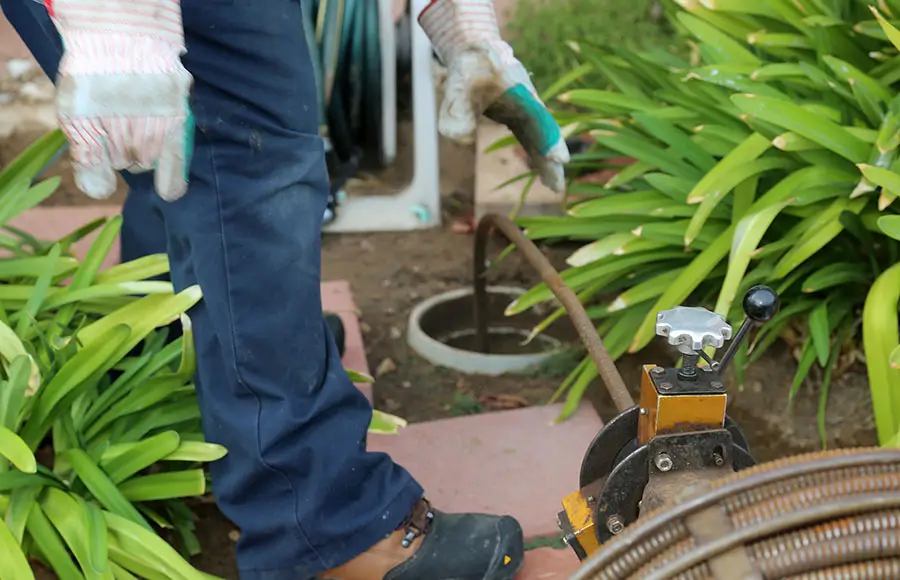
Plumber using a drain snake to clear a sewer line Plumber using a drain snake to clear a sewer line

Warning Signs Your Sewer System May Fail

You might not think about your sewer system until something goes wrong, but it’s essential to recognize the warning signs before a small issue turns into a costly disaster. Imagine walking into your home and being hit by an unpleasant odor or noticing your drains clogging more often than usual. These are just a few indicators that your sewer system could be on the brink of failure. But what about those unexpected lush patches in your yard or your toilet’s gurgling sounds? Each of these symptoms tells a story. Are you ready to uncover what they mean?

Unpleasant Odors Indoors

If you notice a persistent foul smell inside your home, pinpoint its origin by checking areas prone to sewer gas leaks, such as drains, toilets, and vents. Start by inspecting all drain traps. Confirm water is present in the P-traps, as evaporation can allow gases to seep through. Simply running water for a few seconds in unused sinks or floor drains can restore the water barrier.

Next, examine the toilets. To identify any rocking or instability, check the wax seal beneath each toilet. A compromised wax ring can allow sewer gases to escape, necessitating replacement. Verify the toilet is securely fastened to the floor to maintain an airtight seal.

Vents are another potential source of odor. Inspect the vent pipes, usually located on the roof, for blockages caused by debris or nests. A clogged vent can create a vacuum effect, disrupting proper drainage and causing odors. Safely remove any obstructions using a plumber’s snake or high-pressure water.

Frequent Drain Clogs

Frequent drain clogs indicate a buildup of debris or foreign objects in the pipes, requiring immediate attention to prevent further complications in your sewer system. You understand the importance of maintaining a well-functioning household as someone who serves others. Start by evaluating the situation: identify which drains in your home clog most often. This may help pinpoint specific problem areas like kitchens or bathrooms.

To address the issue, consider using a plumbing snake or auger. Insert the tool into the problematic drain, rotating it to catch and remove the debris. This method is effective for dislodging stubborn blockages without harming the pipes. Additionally, enzyme-based drain cleaners can offer a chemical-free solution by gradually breaking down organic material.

Regular maintenance is key. Implement a weekly routine of flushing your drains with hot water mixed with vinegar and baking soda. This combination helps dissolve potential clogs before they become significant problems. Remember, prevention is more efficient than repair. Educate your household on proper waste disposalavoid pouring grease down the sink and use sink strainers to catch larger debris. These proactive measures will extend the life of your sewer system and enhance your home’s functionality. 

Slow Draining Fixtures

In addition to frequent clogs, slow-draining fixtures often signal underlying issues in your sewer system that demand prompt investigation and resolution. When you notice your sinks, bathtubs, or showers taking longer than usual to drain, it’s essential to address the problem before it escalates. Begin by checking for localized blockages in the traps or pipes. Use a drain snake or plunger to dislodge any debris. If the issue persists, it may indicate a more severe blockage within the sewer line.

To diagnose the problem accurately, consider employing a sewer camera inspection. This technique visually assesses your pipes, revealing obstructions like tree roots or sediment buildup that impede flow. Additionally, hydro jetting can be a proactive solution. This method uses high-pressure water to clear blockages and improve drainage efficiency, ensuring your system operates effectively.

Regular maintenance is important. Implement a routine schedule for cleaning your drains and sewer lines. Encourage household members to avoid flushing inappropriate items and use drain covers to catch hair and debris. By taking these steps, you’ll not only resolve slow-draining fixtures but also extend the lifespan of your sewer system, ultimately enhancing the well-being of those you serve. 

Gurgling Toilet Sounds

You might occasionally hear gurgling sounds from your toilet, often indicating air trapped in the sewer line due to blockages or venting issues. This acoustic anomaly suggests that wastewater is encountering an obstruction, causing pressure imbalances. It’s vital to address this promptly to prevent potential sewer system failure.

First, inspect your plumbing vents for blockages like leaves or debris. Clogged vents can exacerbate these sounds by restricting airflow. Use a plumber’s snake or a high-pressure water hose to clear any obstructions. If venting issues persist, consider consulting a professional plumber to assess your system’s ventilation adequacy.

Next, assess your drain lines for potential blockages. Utilize a plunger to create suction and dislodge minor clogs. If unsuccessful, deploy an auger to reach deeper into the pipeline. Always remember to wear gloves and protective eyewear for safety.

Consider enlisting the help of a professional who can conduct a thorough camera inspection of your sewer lines. This proactive step helps identify the exact cause and location of blockages. By addressing these gurgling sounds methodically, you’re resolving an annoyance and preventing more severe sewer system malfunctions.

Water Pooling in Yard

If you’ve resolved indoor issues like gurgling toilets but still notice water pooling in your yard, suspect a sewer line break or blockage beneath the surface. First, identify the location of the pooling. This area could be directly above where the sewer line runs. Utilize a soil probe to detect any saturated soil that indicates potential leakage.

Inspect nearby trees or shrubs; their roots might have invaded your sewer line, causing damage or obstruction. Use a sewer camera inspection to visually confirm the condition of your pipes. This tool provides a real-time feed of the pipe’s interior, helping you pinpoint the exact problem area.

Once identified, consider hydrojetting or snaking to clear obstructions. Hydrojetting uses high-pressure water to remove debris and roots, while snaking involves a flexible auger to dislodge blockages. If the issue stems from a pipe break, consult a professional for trenchless repair options like pipe bursting or relining. These methods minimize landscape disruption and efficiently restore your system. 

Lush, Green Patches

Spotting unexpectedly lush, green patches in your lawn often signals a sewer line leak. The leaking sewage acts as a fertilizer, promoting rapid grass growth. Identifying these anomalies requires a keen eye for contrast in your landscape. Look for areas where the grass appears more vibrant and grows faster than surrounding patches. This could indicate nutrient-rich wastewater escaping from a compromised pipe.

To address this issue, first, conduct a thorough visual inspection. Walk the perimeter of your property, and note any inconsistencies in grass color or height. Use a soil probe or spade to check the moisture level underground. Excessive dampness might confirm a leak.

Once you’ve identified a suspicious area, it’s essential to contact a professional plumber who can perform a sewer camera inspection. This procedure involves inserting a specialized camera into the sewer line to pinpoint the leak’s location and severity. Professional intervention guarantees precise diagnostics and effective repair.

As someone committed to serving others, remember that timely action prevents further environmental damage and protects public health. Educate your neighbors about these signs, fostering a community mindful of potential sewer issues. By acting swiftly, you contribute positively to neighborhood well-being. 

Foundation Cracks

Foundation cracks often signal underlying sewer system issues, demanding immediate attention to prevent structural damage and costly repairs. When you notice these cracks, assess the situation promptly. Begin by examining the size and direction of the cracks. Horizontal cracks indicate a more severe problem with water pressure against the foundation, often linked to sewer line issues. Vertical cracks might be less severe but still require inspection.

First, inspect the basement or crawl space for any signs of moisture or leaks near these cracks. Use a moisture meter to quantify the level of dampness. If you detect a musty odor, this could be a further indication of sewer problems. Next, check the exterior foundation for any displacement or misalignment, which could suggest shifting caused by leaking sewer lines.

To address potential sewer issues, employ a professional plumber who can conduct a video inspection of your sewer lines. This will help identify any breaks or blockages. Don’t delay in addressing these findings; early intervention can prevent further deterioration of your foundation. Collaborate with a structural engineer if necessary to guarantee the integrity of your home’s foundation while repairs are underway. Your proactive approach can safeguard your property and the well-being of those you serve. 

Insect and Rodent Infestations

Experiencing a sudden increase in insect and rodent activity inside your home often indicates a breach in the sewer system, as these pests are attracted to the moisture and waste from leaking pipes. To mitigate this, first conduct a thorough inspection of your property’s perimeter and basement. Look for any visible cracks or gaps in the foundation that could serve as entry points for these unwanted guests. Seal these openings with durable material like silicone caulk or expanding foam.

Next, inspect your plumbing system for leaks. Check all visible pipes, especially those in the basement and under sinks, for signs of moisture or corrosion. If necessary, utilize a moisture meter to detect hidden leaks. Repair or replace any damaged sections promptly, as this will reduce the attractants for pests.

Utilize traps or bait stations for immediate pest control, but remember these are temporary solutions. For a long-term impact, engage a pest control professional to apply treatments designed explicitly for sewer-attracted pests. Finally, maintain a proactive maintenance schedule for your sewer system, including regular inspections and cleaning, to prevent future breaches and guarantee a safe and healthy environment for you and those you serve. 

Sewer Backups

Address sewer backups promptly by identifying blockages in your plumbing system and utilizing a drain snake or hydro-jetting to clear obstructions effectively. Begin by diagnosing the cause of the backup. Use a drain snake for minor clogs, inserting it into the affected drain and rotating it to dislodge blockages. For stubborn obstructions or when multiple drains are affected, hydro-jetting is a superior method. This technique employs high-pressure water to scour the pipe interiors, removing debris and buildup efficiently.

To avoid recurring issues, guarantee regular maintenance of your plumbing system. Here’s why timely action is essential:

  1. Prevent Property Damage: Overflowing sewage can seep into floors and walls, causing costly structural damage and health risks.
  2. Maintain Sanitation: Backups can lead to unsanitary conditions, posing health hazards to your household.
  3. Preserve Peace of Mind: Knowing your sewer system functions properly alleviates stress and worry. 

Assisting others in maintaining their plumbing systems safeguards their homes and supports community well-being. By proactively addressing sewer backups, you contribute to a healthier and safer environment for everyone. Prompt action and proper maintenance are your best defenses against sewer system failures.

Increased Water Bills

If you notice an unexplained spike in your water bills, inspect your sewer system for hidden leaks or inefficiencies that might contribute to increased consumption. Start by conducting a thorough visual inspection of your plumbing fixtures, including faucets, toilets, and visible pipes. Look for signs of water seepage or dampness, which may indicate a leak.

Next, employ a water meter test. Turn off all water-using appliances and check your water meter reading. Wait for one to two hours without water, then recheck the meter. Any change in the reading signifies a leak within your system.

Check the integrity of your sewer connections. Loose or damaged joints can lead to water loss. Consider enlisting a professional plumber for a video inspection to assess the internal condition of your sewer lines. They can identify root intrusion, pipe corrosion, or blockages causing inefficiencies. 

Conclusion

You’ve learned the warning signs, but how can you prevent a sewer system disaster? Regular inspections and maintenance are your first line of defense. Don’t ignore unpleasant odors or odd soundsaddress them immediately. Keep an eye on your water bill for unexpected spikes, and inspect your yard for unusual wet spots. By staying proactive and vigilant, you’ll save money and guarantee your sewer system runs smoothly. Isn’t peace of mind worth the effort?

Frequently Asked Questions

What Are Common Causes of Sewer System Failure?
Root intrusion, pipe corrosion, and blockages are common causes of sewer system failure. Regular maintenance, proper waste disposal, and tree root barriers can mitigate these issues effectively, ensuring continuous service to others.
How Often Should I Have My Sewer System Inspected?
Like clockwork, inspect your sewer system every 1-2 years. Regular checks prevent blockages and costly repairs. Hire a qualified technician to conduct thorough inspections, ensuring all pipes and components operate efficiently and seamlessly, serving your household’s needs.
Can Tree Roots Damage My Sewer Lines?
Yes, tree roots can infiltrate sewer lines, causing blockages or breaks. Regularly inspect your lines, use root barriers, and consider root-killing chemicals. If damage occurs, consult a plumber to promptly assess and address the issue.
How Can I Prevent a Sewer System Failure?
To prevent sewer system failures efficiently and responsibly, you should schedule regular inspections, use enzyme-based cleaners, and avoid flushing non-biodegradable items. You should also install backflow prevention devices, maintain proper landscaping, and educate others about proper disposal.
What Materials Are Best for Durable Sewer Pipes?
Imagine a sewer system lasting over 100 years. Choose vitrified clay pipes for durability; they resist chemical erosion and tree roots. Inspect annually, ensuring proper installation. Serve your community by investing in long-term, reliable infrastructure solutions.

Innovative Bathroom Plumbing Trends to Watch

Imagine upgrading your bathroom with the latest plumbing innovations, where efficiency meets luxury. You might wonder how touchless faucets and smart water management systems reshape the modern bathroom. These advancements aren’t just about convenience but also about sustainability and personalization. As eco-friendly toilets and voice-activated showers become mainstream, the possibilities for creating a space that reflects your values are endless. But what exactly makes these trends worth considering, and how do they fit into your vision for an ideal bathroom? Explore these intriguing concepts and uncover what’s next in the evolution of bathroom design.

Smart Water Management

How are innovations in smart water management transforming bathroom plumbing by enabling precise water usage monitoring and reducing waste? You can now gain real-time data on your water consumption patterns by integrating advanced sensors and IoT technology. These systems allow you to identify inefficiencies, such as leaks or excessive usage, and make informed decisions to conserve resources. Smart meters provide detailed analytics, empowering you to optimize water use and considerably reduce waste, aligning with your desire to contribute positively to environmental sustainability.

Market insights reveal a growing demand for smart water management solutions in residential and commercial sectors. As consumers increasingly prioritize eco-friendly practices, adopting these intelligent systems is rising. The global smart water management market is projected to expand, driven by regulatory pressures for water conservation and infrastructure modernization.

Forecast analysis suggests you’ll witness further AI and machine learning integration into smart water systems as technology advances. These developments will enhance predictive maintenance and efficiency, leading to smarter, more sustainable bathroom plumbing solutions. By embracing these innovations, you can better serve your community’s water needs while minimizing environmental impact. 

Touchless Faucets

Building on the momentum of smart water management, touchless faucets are revolutionizing bathroom plumbing by enhancing hygiene and reducing water consumption through sensor-based technology. As someone dedicated to serving others, you’ll appreciate how touchless faucets minimize the spread of germs by eliminating the need for physical contact. This innovation is a boon for personal health and a significant contributor to sustainable water usage. These faucets can reduce water waste by up to 70% by precisely controlling water flow.

To make the most of this trend, consider the following points:

  1. Technological Advancements: Modern touchless faucets incorporate infrared sensors that accurately detect hand presence. Expect even more sophisticated detection algorithms that enhance performance as technology evolves.
  2. Market Demand: With increasing awareness around hygiene, the demand for touchless faucets is projected to grow rapidly. This trend is particularly strong in public restrooms, healthcare facilities, and residential spaces focused on eco-friendly solutions.
  3. Investment Opportunities: As the market expands, investing in touchless faucet technology offers significant potential for returns. Companies prioritizing innovation and sustainability are well-positioned to capitalize on this growing demand.

Embrace this trend to elevate your bathroom’s functionality and contribute to a healthier, more sustainable future.

Eco-Friendly Toilets

Eco-friendly toilets transform bathroom plumbing by incorporating water-saving technology and innovative designs to reduce water usage markedly without sacrificing performance. Choosing these toilets contributes to significant water conservation efforts, as they often use less than 1.28 gallons per flush, compared to older models that use up to 5 gallons. Dual-flush systems and pressure-assisted flushing are some innovations enabling this efficiency, allowing a choice between a full or partial flush based on the waste type.

As someone committed to serving others, I believe adopting eco-friendly toilets aligns with sustainable practices that benefit communities and the environment. These toilets cut down on water bills and play an essential role in reducing the strain on local water resources. Brands leading this space are constantly innovating, with smart features like self-cleaning systems and enhanced bowl design to improve hygiene and user experience.

Market insights suggest a steady growth in demand for eco-friendly toilets. As water scarcity becomes a pressing global issue, regulatory bodies may incentivize or mandate their installation. Staying ahead of these trends by investing in eco-friendly toilets meets current expectations and prepares you for future market shifts. 

Advanced Water Filtration

As water quality becomes a top priority for consumers and regulatory bodies alike, advanced water filtration systems are emerging as a critical component in modern bathroom plumbing. These systems offer precise purification options to guarantee safe and clean water access. With the increasing demand for healthier living environments, you can expect these systems to become more prevalent in residential and commercial applications. By investing in cutting-edge technology, you’ll ensure that your plumbing solutions not only meet but exceed current health standards.

Here’s what to reflect on:

  1. Multi-Stage Filtration: This approach combines various filtration methods, such as sediment, carbon, and reverse osmosis, to effectively remove impurities. It assures that the water you use daily is free from contaminants like chlorine, lead, and bacteria.
  2. Smart Monitoring Systems: These systems provide real-time data on water quality and filter performance. By integrating IoT technology, you can proactively monitor and maintain filtration systems, assuring consistent water purity.
  3. Sustainable Solutions: Prioritizing eco-friendly materials and energy-efficient designs will appeal to environmentally conscious consumers. By focusing on sustainability, you can contribute to water conservation efforts and reduce waste.

Voice-Activated Showers

Voice-activated showers are revolutionizing bathroom experiences by offering hands-free control and personalized settings, making them a must-have feature in future-proof plumbing designs. With simple voice commands, you can adjust the water temperature flow and select your favorite shower presets, enhancing convenience and efficiency. Incorporating this technology into bathroom spaces elevates user comfort and aligns with the increasing demand for smart home integrations.

As you consider implementing voice-activated showers, understand the technical intricacies. These systems typically integrate with existing smart home assistants, requiring robust Wi-Fi connectivity and compatible plumbing hardware. The market for voice-activated plumbing fixtures is projected to grow considerably as consumers seek more personalized, energy-efficient solutions. Industry forecasts suggest a compound annual growth rate (CAGR) of around 10% for the next five years in this segment.

Offering voice-activated showers in your projects can distinguish your services and meet clients’ desires for luxury and modernity. By embracing these advancements, you’re facilitating a cutting-edge experience and contributing to water conservation efforts through precise control over water usage. This trend underscores a shift towards more sustainable, user-centric bathroom solutions, aligning your offerings with future consumer expectations. 

Self-Cleaning Systems

Incorporating self-cleaning systems into your bathroom plumbing designs can greatly enhance hygiene and maintenance efficiency, positioning your projects at the forefront of innovation and market demand. By integrating these systems, you’ll cater to clients who value cleanliness and time-saving solutions. Self-cleaning technology uses advanced sensors and antimicrobial materials, ensuring an ideal user experience while reducing manual cleaning efforts. As you explore this trend, consider the following key aspects:

  1. Automation and Efficiency: Self-cleaning toilets and faucets reduce the need for chemical cleaners and manual scrubbing, appealing to environmentally conscious clients. Sensors activate cleaning cycles, maintaining spotless surfaces with minimal water usage.
  2. Market Demand and Growth: The global demand for self-cleaning systems is projected to grow considerably, driven by increasing consumer awareness around hygiene and convenience. Offering these solutions can differentiate your projects and attract a broader clientele.
  3. Technological Integration: Combining self-cleaning features with smart home systems can enhance user satisfaction. Clients can monitor and control cleaning cycles through mobile apps, adding a layer of convenience and control. 

Greywater Recycling

Embracing greywater recycling systems in bathroom plumbing allows you to conserve water and meet the growing demand for sustainable solutions in residential and commercial projects. By capturing water from sinks, showers, and tubs, these systems enable you to repurpose it for toilet flushing and irrigation. This reduces your water consumption considerably and contributes to lowering utility bills and easing the strain on municipal water supplies.

The technology behind greywater recycling is advancing rapidly, making it more accessible and efficient. Filtration, disinfection, and storage techniques guarantee that the recycled water is safe and suitable for reuse. Investing in these systems enhances your property’s value, aligning with the increasing market preference for eco-friendly features.

Market insights suggest a rising trend in adopting greywater systems as environmental regulations tighten and awareness of water scarcity grows. By implementing such systems, you position yourself at the forefront of eco-friendly innovation, appealing to consumers who prioritize sustainability. Forecast analysis indicates that demand for greywater recycling will continue to grow, driven by both environmental concerns and economic savings, providing you with an opportunity to lead in sustainable practices. 

Leak Detection Technology

Leak detection technology revolutionizes bathroom plumbing by providing real-time monitoring that helps you prevent costly damage and conserve water. This technology uses sensors and smart systems to identify leaks at their onset, ensuring prompt interventions. As someone who values environmental stewardship and wishes to minimize resource wastage, I believe integrating leak detection systems is a forward-thinking approach.

Here’s why you should consider this technology:

  1. Efficiency: Automated alerts allow you to address leaks immediately, greatly reducing water waste. This proactive approach not only helps the environment but also cuts down on your water bills and prevents extensive damage that could lead to expensive repairs.
  2. Market Growth: The leak detection market is expanding rapidly, driven by increasing awareness of water conservation and smart home integration. By investing in these systems, you’re aligning with a growing trend that is expected to continue its upward trajectory, offering value and peace of mind.
  3. Forecasted Trends: Future advancements may include improved accuracy and integration with other smart home devices, offering even greater control and efficiency. Staying ahead of these trends positions you as a leader in adopting environmentally responsible solutions. 

Embrace leak detection technology to enhance your home’s plumbing system, protect resources, and serve your community. 

Heated Flooring Solutions

After securing your bathroom with advanced leak detection technology, consider enhancing comfort and energy efficiency with heated flooring solutions. This feature is gaining traction in modern plumbing designs. These systems not only deliver warmth but also contribute to energy savings, enabling even heat distribution and reducing the need for additional heating.

When evaluating heated flooring, focus on the two primary types: electric and hydronic. Electric systems are easier to install, making them suitable for retrofits, while hydronic systems, though more complex, are ideal for larger spaces due to their superior energy efficiency. The choice depends on your specific needs and long-term goals for energy conservation.

Recent market insights suggest a growing demand for these solutions, driven by a consumer shift towards sustainable living. As homeowners look to enhance their living spaces, heated flooring offers both luxury and practicality. Industry forecasts predict a steady increase in adoption rates, particularly in regions with colder climates. 

Wireless Plumbing Controls

Incorporating wireless plumbing controls into your bathroom design offers enhanced convenience and efficiency, aligning with the latest trends in smart home technology. This cutting-edge advancement allows you to manage water temperature flow and monitor usage remotely. Integrating these controls will improve the user experience and contribute to water conservation efforts, serving the greater good.

Here’s why wireless plumbing controls are a must-consider for your next bathroom upgrade:

  1. User Customization and Accessibility: You can personalize settings for each family member, guaranteeing everyone’s comfort. These controls are particularly beneficial for elderly or disabled individuals, offering easy access to bathroom functions.
  2. Energy and Water Efficiency: Monitoring and adjusting water usage can greatly reduce waste and energy consumption. This proactive approach aligns with sustainable living, allowing you to serve environmental needs.
  3. Predictive Maintenance and Alerts: Wireless systems can send alerts for leaks or anomalies, enabling you to address issues before they escalate. This protects your investment and guarantees a safe and efficient bathroom environment.

As demand for smart home solutions continues to rise, wireless plumbing controls are poised to become a standard in modern bathroom designs.

Conclusion

You’re standing at the forefront of bathroom innovation, where technology and sustainability reshape the landscape. Imagine a future where your bathroom anticipates your needs and conserves resources with every drop. Embrace these trendssmart water management, eco-friendly toilets, and wireless controlsas they’re not just innovations; they’re the heartbeat of tomorrow’s sustainable homes. As the industry evolves, those who adapt will navigate the waves of change easily and elegantly.

Frequently Asked Questions

What Are Some Budget-Friendly Plumbing Updates for an Older Bathroom?
Consider upgrading faucets with water-saving models, installing low-flow showerheads, or replacing old toilets with dual-flush systems. These changes cut costs and conserve water, aligning with eco-conscious trends while enhancing your bathroom’s efficiency and serving future needs.
How Can I Integrate Technology Into a Vintage Bathroom Design?
Balancing history and innovation is like a dance; you can seamlessly integrate smart faucets and energy-efficient showers. Use hidden speakers for ambiance. Embrace tech that respects the vintage aesthetic while enhancing functionality, offering clients modern convenience.
Are There Any DIY Plumbing Innovations for Small Bathrooms?
Explore compact, modular plumbing systems for small bathrooms. They save space and integrate easily. Consider low-flow fixtures and smart water management to enhance efficiency. These innovations optimize utility, providing eco-friendly solutions while serving clients’ needs.
What Are the Latest Trends in Bathroom Sink Designs?
Plunge into the ocean of sleek, minimalist designs and sustainable materials. You’ll find stunning vessel sinks, touchless faucets, and smart water-saving technology. These trends balance elegance and efficiency, helping you serve others with style and sustainability.
How Can I Improve Bathroom Ventilation Without Major Renovations?
Install a high-efficiency exhaust fan to improve bathroom ventilation without major renovations. Opt for energy-efficient models with smart sensors to control humidity. Consider adding air purifiers or dehumidifiers to enhance air quality, ensuring a healthier environment.

Maximize Your Water Heater Efficiency Today

You’re probably aware that water heaters can be one of the largest energy consumers in your home, but did you know there are simple steps you can take to enhance their efficiency? You can greatly reduce energy costs by insulating your water heater and pipes, lowering the thermostat, and performing regular maintenance. These changes not only improve efficiency but also extend the lifespan of your heater. Curious about how these adjustments can lead to substantial savings and even explore renewable energy options for your water heating needs? There’s more to uncover in this essential energy efficiency guide.

Insulate Your Water Heater

One of the most effective ways to improve your water heater’s efficiency is by insulating it with a high-quality jacket or blanket designed for this purpose. This simple yet impactful step minimizes heat loss, allowing your water heater to maintain temperature without overworking. When choosing an insulation blanket, ensure it’s rated with an R-value of at least 8 to provide maximum thermal resistance. You’ll typically find this information on the product label.

Begin by measuring your water heater to determine the correct size of the insulation. Wrap the jacket around the heater, making certain the seams align perfectly. Secure it with adhesive strips or tape, but avoid covering the top, bottom, thermostat, or burner areas. This guarantees safety and prevents interference with the heater’s operation. 

Lower the Thermostat Setting

Lowering the thermostat setting on your water heater to 120°F can greatly reduce energy consumption and prevent scalding while providing sufficient hot water for most household needs. By reducing the temperature from the typical factory setting of 140°F, you can cut energy usage by 4 to 22 percent annually. This adjustment conserves energy and minimizes the risk of burns, which is especially important if you’re caring for the elderly or children.

To make this change, locate the thermostat dial on your water heater. Electric heaters usually have two dialsone at the top and one at the bottom. The dial is typically near the base for gas heaters, marked with ‘Hot,’ ‘Warm,’ and ‘Vacation’settings. Turn the dial to ‘Warm’ or approximately 120°F. A thermometer is used to verify the water temperature from a faucet after a few hours to ascertain the accuracy.

Adjusting the thermostat is straightforward and requires minimal tools and expertise. By implementing this change, you’ll optimize your water heater’s efficiency and contribute to a safer and more sustainable environment for those you serve. 

Perform Regular Maintenance

Regular water heater maintenance guarantees peak efficiency and longevity, preventing costly repairs and unexpected breakdowns. Start by inspecting the temperature and pressure relief valve. Lift the lever to verify water flows freely through the discharge pipe. If it’s stuck or leaking, replace it promptly, as this component prevents excess pressure and temperature buildup.

Next, examine the anode rod, which protects the tank from corrosion. Turn off the power supply and water, then remove the rod for inspection. If it’s considerably corroded or reduced to less than half an inch, replace it to extend the tank’s life.

Check for leaks around the heater, especially near connections and fittings, which could indicate worn-out gaskets or seals. Tighten loose fittings or replace faulty components as needed. Inspect insulation around the tank and pipes; adequate insulation prevents heat loss, improving efficiency. 

Flush the Tank Annually

Flushing the tank annually removes sediment buildup, enhancing your water heater’s performance and extending lifespan. Sediment, primarily composed of minerals like calcium and lime, settles at the tank’s bottom, insulating water from the heating element. This forces your heater to work harder, increasing energy consumption and the risk of overheating. To serve others effectively, follow these steps to guarantee your water heater operates at peak performance.

Start by turning off the water heater and allowing it to cool for safety. Shut off the cold water supply valve to prevent new water from entering. Connect a garden hose to the tank’s drain valve and direct the other end to a safe drainage area, such as a floor drain or outside. Open a nearby hot water faucet to release pressure, then open the tank’s drain valve. Allow the tank to empty completely, flushing out sediment.

Once drained, close the drain valve, remove the hose, and reopen the cold water supply. Turn the heater back on. This practical maintenance task guarantees efficient operation, reduces energy costs, and extends the heater’s life, allowing you to serve others who rely on hot water. 

Install Heat Traps

Installing heat traps on your water heater’s pipes can minimize heat loss and improve overall efficiency. Heat traps are specially designed fittings that allow water to flow into the tank but restrict unwanted convection currents from escaping. Installing these guarantees that the heat generated stays within the system, reducing energy waste.

To install heat traps, first, verify your water heater is turned off and cooled down for safety. Locate the cold water inlet and the hot water outlet pipes. You’ll need two heat trapsone for each pipe. Remove the existing nipples, if any, and replace them with the heat traps. These traps usually have a one-way valve or a loop design. Make certain the heat traps are installed in the correct direction, as marked on the device. Tighten them securely using a wrench, but be careful not to overtighten, as this can damage the fittings.

Once installed, restore power to your water heater and check for leaks. By incorporating heat traps, you’re taking a proactive step to conserve energy and extend the life of your water heater, ultimately contributing to a more sustainable household. 

Upgrade to a Modern System

Upgrading to a modern water heater system can greatly enhance efficiency, reduce energy costs, and provide a more reliable hot water supply for your home. Shifting to a tankless or heat-pump water heater offers significant advantages. A tankless system heats water on demand, eliminating standby heat loss and ensuring you only use energy when you need hot water. This saves energy and provides a continuous supply of hot water, perfect for serving your household without interruption.

Consider a heat pump water heater, which uses electricity to move heat rather than generate it. This option is highly efficient, consuming less than half the energy of conventional models. When selecting a new system, focus on the Energy Factor (EF) rating; a higher EF means better efficiency. Additionally, check for systems with smart technology features, such as Wi-Fi connectivity, allowing remote control and monitoring to optimize performance.

Ensure professional installation to maximize the system’s potential and extend its lifespan. By upgrading, you make a practical investment that benefits your family and the environment. This proactive step reflects your commitment to serving others by conserving resources and ensuring comfort at home. 

Use Efficient Fixtures

Enhance your water heater’s efficiency by integrating low-flow fixtures that reduce water consumption without sacrificing performance. Opt for WaterSense-labeled showerheads and faucets. These fixtures are designed to lower water flow, averaging around 2 gallons per minute, compared to standard models that use 2.5 gallons or more. This small adjustment can notably decrease the demand for your water heater, translating into energy savings.

Install aerators on your faucets to further minimize water usage. Aerators add air to the water stream, maintaining pressure while using less water. Look for models with a flow rate of 1.0 to 1.5 gallons per minute. You’ll conserve water while ensuring a steady, reliable stream for all your needs.

Consider using thermostatic mixing valves in your bathrooms. These valves maintain a constant water temperature, reducing the need for frequent adjustments and thereby conserving energy. They also enhance safety by preventing sudden temperature spikes.  

Reduce Hot Water Usage

Incorporating strategies to reduce hot water usage complements efficient fixtures by minimizing energy consumption and lowering utility bills. Start by insulating your water heater and hot water pipes. This action reduces heat loss, ensuring hot water stays warm longer and requires less energy to reheat. Adjust the thermostat on your water heater to 120°F (49°C). This setting is sufficient for most household needs and prevents overheating, which saves energy.

Be mindful of your hot water habits. Use a timer to encourage shorter showers, and consider installing low-flow showerheads to decrease water usage without sacrificing comfort. Similarly, only run dishwashers and washing machines with full loads. For washing clothes, use cold water settings whenever possible, as they clean effectively and reduce the demand on your water heater.

Repair any leaks promptly. A dripping faucet or leaking showerhead wastes water and increases energy use. Regularly check for leaks and fix them immediately to maintain efficiency. Educate others in your household about these practices, fostering a collective effort to conserve hot water. By taking these steps, you’ll improve your water heater’s efficiency and serve your household by reducing environmental impact and utility costs. 

Consider Renewable Energy Options

Exploring renewable energy solutions, such as solar or heat pump water heaters, can greatly enhance your water heating system’s efficiency and sustainability. Solar water heaters use sunlight to heat water, considerably reducing reliance on conventional energy sources. They’re typically installed on roofs, where collectors absorb solar energy, transferring it to a water storage tank. These systems can cut your water heating costs by 50% to 80%, making them an excellent investment for the environment and your budget.

Heat pump water heaters, on the other hand, draw heat from the air or ground and use it to warm your water. They require electricity to move heat rather than generate it, which makes them two to three times more efficient than traditional electric water heaters. Installation involves positioning the heat pump unit in a space with ample air circulation, like a basement or garage, ensuring ideal performance.

Both systems may require an upfront investment and professional installation. However, they offer long-term savings and reduced carbon footprint. Choosing a renewable energy option aligns with a commitment to sustainability and serving others by contributing to a cleaner, healthier planet for future generations. 

Monitor and Adjust Usage Patterns

After investing in renewable energy solutions, monitoring and adjusting your water heater’s usage patterns is important to guarantee maximum efficiency and cost savings. Start by tracking your household’s hot water consumption throughout the day. Use a smart meter or install a water usage monitor to gather data on when and how much hot water is used. This information helps pinpoint peak usage times and identify any patterns or inefficiencies.

Once you have this data, adjust your water heater’s settings to match your household’s needs. Lower the thermostat to 120°F (49°C), a safe temperature that reduces energy consumption. If your utility provider offers time-of-use pricing, schedule the water heater to operate more during off-peak hours when energy rates are lower.

Encourage household members to adopt water-saving habits, such as taking shorter showers and using cold water for laundry whenever possible. Implementing efficient fixtures, like low-flow showerheads and faucet aerators, can also make a significant difference. By actively monitoring and adjusting your water heater’s usage, you contribute to energy conservation and create a more sustainable environment, ultimately benefiting those around you. 

Conclusion

To maximize your water heater’s efficiency, you must meticulously manage multiple measures. Start by insulating and lowering the thermostat to limit heat loss. Regularly rinse and refresh the tank to remove residue. Utilize efficient fixtures and reduce unnecessary usage to conserve energy. Explore renewable options, like solar, for sustainable savings. Finally, frequently fine-tune and track your usage patterns to guarantee peak operation. By doing so, you’ll save substantial sums and support sustainability. 

Frequently Asked Questions

How Can I Tell if My Water Heater Is Oversized for My Needs?
Check your water usage habits. If your heater frequently cycles on and off or you have excessive hot water, it might be oversized. To guarantee proper sizing, compare your heater’s capacity with your household’s peak demand.
What Are Signs That My Water Heater Needs Replacement Rather Than Repair?
You notice frequent leaks, rusty water, and inconsistent heating. The unit’s over ten years old, and repairs aren’t cost-effective. You care about efficiency and reliable service, so replacing it guarantees consistent hot water for those you serve.
Are there tax incentives for upgrading energy-efficient water heaters?
You might think tax incentives are complex, but they’re straightforward. Check federal and state programs offering credits for energy-efficient water heaters. This upgrade saves money and contributes to environmental sustainability, benefiting everyone.
How Does Water Hardness Affect Water Heater Efficiency?
Water hardness causes limescale buildup in your water heater, reducing efficiency and increasing energy consumption. Regularly flush the tank and consider installing a water softener to serve others by maintaining ideal heater performance and prolonging its lifespan.
Can Insulating Hot Water Pipes Improve Overall Water Heater Efficiency?
Insulating your hot water pipes reduces heat loss, ensuring water remains warmer for longer. This efficiency means your water heater works less, saving energy and costs. It’s a simple upgrade that helps you serve others reliably.

Why You Need a 24 Hour Plumbing Service

Imagine it’s the middle of the night, and you hear water gushing from the basement. A 24-hour plumbing service isn’t just a luxuryhandling unexpected crises like burst pipes or overflowing toilets is necessary. With immediate access to expert assistance, you can prevent significant damage and avoid costly repairs. But it’s not all about emergencies; having reliable support at any hour means peace of mind. What makes these services indispensable, and how do they guarantee your home remains safe and functional around the clock? Let’s explore this further.

Immediate Response to Emergencies

When facing a plumbing emergency, contacting a 24-hour service immediately is crucial to prevent further damage and costly repairs. You might encounter issues like burst pipes or overflowing toilets requiring swift action. The key is to identify the problem quickly and reach out to professionals equipped to handle the situation at any hour. Doing this guarantees that the problem is contained and addressed with the right tools and expertise.

First, recognize the signs of a plumbing emergency. Red flags are water leaks, unusual noises, and sudden water pressure changes. Once you’ve identified an issue, shut off the main water supply to minimize water flow and mitigate immediate risks. Then, call a reliable 24-hour plumbing service. Confirm that you provide clear information about the problem, including the location and severity.

Your quick response can greatly reduce the impact of the emergency. With the right service, you can expect skilled technicians to arrive promptly, assess the situation, and apply effective solutions. Remember, your proactive approach resolves the issue and offers peace of mind, knowing you’ve taken the right steps to assist others. 

Prevents Property Damage

Quickly addressing plumbing emergencies with a 24-hour service resolves immediate issues and greatly reduces the risk of extensive property damage. When a burst pipe or severe leak occurs, every minute counts. Water can seep into walls, floors, and ceilings, compromising structural integrity and leading to costly repairs. By having a professional plumber respond promptly, you markedly decrease these risks.

Here’s how to stay proactive: First, identify unusual sounds or water pressure changes. These can be early signs of a major issue. If you detect water stains or dampness, don’t wait. Contact a 24-hour plumbing service immediately. They have the expertise and tools to assess the situation accurately and provide effective solutions.

Moreover, a 24-hour plumber can isolate the problem swiftly, preventing further water exposure. They’ll turn off water supply lines, repair or replace faulty components, and ensure everything is sealed correctly. This immediate action stops water from spreading, safeguarding your property from further harm. 

Minimizes Repair Costs

By promptly addressing plumbing issues with a 24-hour service, you effectively minimize repair costs by preventing minor problems from escalating into major, expensive repairs. Quick intervention is essential, as plumbing issues like leaks or clogs can worsen over time. When you call a 24-hour plumber, you guarantee that these problems are fixed before they affect larger systems in your home, which might require more extensive and costly repairs.

Consider a small leak in a pipe. Left unattended, it could lead to water damage, mold growth, or structural damage. Such outcomes demand more intensive repairs and higher costs. By engaging a 24-hour plumbing service, you resolve the issue swiftly and invest in the long-term integrity of your home’s plumbing system.

Additionally, a 24-hour plumbing service often includes emergency diagnostics, allowing professionals to identify potential problems before they manifest. This proactive approach helps you avoid hefty repair bills down the line. By choosing an always-available service, you protect your finances and guarantee your home remains a safe, comfortable environment. You also contribute to your community’s well-being by preserving resources and maintaining your home’s value. 

Convenient Scheduling Options

Utilizing a 24-hour plumbing service not only helps minimize repair costs but also offers you the convenience of flexible scheduling, guaranteeing that plumbing issues are addressed at any time that suits your needs. Finding time for unexpected plumbing problems can be challenging when your schedule is already packed. A 24-hour service allows you to choose a time that doesn’t disrupt your responsibilities or commitments. Whether it’s early morning or late at night, you can decide when a plumber should arrive.

To make the most of these convenient scheduling options, clearly communicate your availability when contacting the service. Provide them with a detailed description of the problem so they can allocate the appropriate time and resources for your situation. This proactive approach helps guarantee that the repair process is efficient and minimizes downtime.

Access to round-the-clock service allows you to prioritize serving others without the added stress of unattended plumbing issues. By utilizing a service that aligns with your busy schedule, you maintain focus on what truly matters, knowing that professional help is available whenever you need it. This approach solves plumbing problems and supports your commitment to serving others effectively. 

Peace of Mind Assurance

A 24-hour plumbing service guarantees peace of mind by providing immediate solutions to prevent further damage and costly repairs. When you encounter a sudden leak or a burst pipe, time is of the essence. A quick response minimizes water damage, protecting your home and belongings. By choosing a 24-hour service, you confirm that professional help is always available, no matter the hour. This proactive approach reduces stress and prevents small issues from escalating into significant problems.

You should have a reliable plumbing service on speed dial. This readiness confirms that you can address emergencies promptly. Knowing that a competent team is just a call away is vital when plumbing issues occur after hours. While on their way, they can guide you through initial steps to control the situation, such as shutting off water valves or containing leaks.

Furthermore, this around-the-clock availability means you don’t have to wait until morning or the weekend’s end to restore normalcy. This service supports your commitment to serving others by confirming your home remains a safe, functional space. With a 24-hour plumbing service, you maintain control and protect your environment, providing peace of mind for you and those you care for. 

Expertise at Any Hour

Count on experienced plumbers ready to tackle any plumbing issue at any hour, guaranteeing you receive expert solutions right when needed. Whether a burst pipe threatening to flood your home or a stubborn clog disrupting your routine, a 24-hour plumbing service guarantees that skilled professionals are always on standby. These experts deeply understand plumbing systems and can swiftly diagnose problems, providing immediate and effective solutions.

When you call a 24-hour plumber, you’re not just getting someone to stop the leak; you’re getting a professional who knows how to prevent future issues. These plumbers apply their knowledge to fix the immediate problem and offer advice on maintenance and prevention. This proactive approach helps you serve others by maintaining a safe and efficient home environment.

Always choose a service that prioritizes ongoing training and certifications, guaranteeing their team stays updated with the latest plumbing techniques and technologies. This commitment to excellence means you can trust them to handle everything from simple repairs to complex installations. By relying on their expertise, you protect your home’s plumbing and guarantee it operates efficiently, helping you focus on what truly matterscaring for those around you. 

Access to Essential Tools

With 24-hour plumbing services, you’re guaranteed access to essential tools that allow plumbers to efficiently diagnose and fix any issue, ensuring your plumbing system is back in top shape swiftly. These professionals come equipped with advanced tools like pipe inspection cameras, hydro jetters, and pipe wrenches, all designed to tackle specific plumbing challenges precisely.

When a plumbing crisis occurs, you might not have the tools needed for a quick fix. For instance, a pipe inspection camera helps pinpoint blockages or leaks without unnecessary damage to walls or floors. Plumbers use hydro jetters to clear stubborn clogs, providing a thorough cleaning that traditional methods can’t match. Pipe wrenches, adjustable and robust, are essential for tightening or loosening fittings without causing damage. 

Solutions for Unpredictable Issues

When unpredictable plumbing issues arise, 24-hour plumbing services provide expert solutions that swiftly address emergencies like burst pipes, sudden leaks, or unexpected water pressure problems, minimizing potential damage and inconvenience. When confronted with these issues, immediate action is vital. Start by shutting off your main water supply to halt any water flow and prevent further complications. Then, contact a trusted 24-hour plumbing service equipped to handle these crises efficiently.

These professionals have the expertise to diagnose the problem accurately. They’ll use advanced techniques and tools to locate the source of the issue and fix it promptly. For instance, if a pipe bursts, the plumber might employ pipe inspection cameras to identify the precise location of the rupture before implementing a repair strategy, such as pipe relining or replacement. This approach not only resolves the issue quickly but also guarantees long-term reliability. 

Safeguards Against Health Hazards

To protect your household from potential health hazards caused by plumbing issues, prioritize regular inspections and maintenance to ensure your water supply remains clean and uncontaminated. Start by scheduling routine check-ups with a licensed plumber to detect leaks, corrosion, or blockages that could compromise water quality. These professionals will inspect pipes for wear and tear, ensuring that contaminants don’t infiltrate your home’s water system.

Install and maintain backflow preventers to stop contaminated water from reversing into your clean water supply. This is vital in areas where your plumbing system interfaces with public sewage systems. Regular testing of these devices guarantees they function effectively, providing additional protection against health risks.

Don’t overlook the importance of proper ventilation in bathrooms and kitchens. Moisture buildup can lead to mold growth, which poses respiratory hazards. Confirm exhaust fans are operational and ducts are clear, facilitating efficient airflow.

Lastly, stay vigilant about your water heater’s performance. Sediment buildup can affect water quality and system efficiency. Flush your tank annually to remove deposits. These proactive steps will safeguard your household’s health and well-being, fostering a safe and clean environment. 

Reliable Support Year-Round

Guarantee your plumbing system runs smoothly all year by relying on a 24-hour plumbing service that provides prompt support and expert solutions whenever issues arise. With round-the-clock assistance, you can tackle unexpected leaks, blockages, or system failures before they escalate into costly repairs. This proactive approach not only preserves the integrity of your plumbing but also guarantees that plumbing woes don’t disrupt your household or business operations.

Choose a service that offers regular maintenance checks to maintain a functional plumbing system. They’ll perform inspections to identify potential problems, like worn-out seals or corroded pipes, and address them before they lead to emergencies. Having this level of support means you can focus on serving others without the distraction of plumbing issues, guaranteeing a smooth operation and a comfortable environment.

In addition, a 24-hour service provides peace of mind. Knowing that skilled professionals are ready to assist you at any time allows you to act swiftly. You’ll prevent minor issues from becoming major disruptions, safeguarding your property and guaranteeing safety for everyone involved. Prioritize reliable year-round support to keep your plumbing system efficient and dependable. 

Conclusion

When plumbing disasters strike, you need a 24-hour service as reliable as your morning coffee. It prevents damage, saves money, and offers peace of mind. With expert plumbers on call, you’re armed against unexpected issues and health hazards. Think of it as your home’s insurance policy against chaos. So, why wait for trouble to escalate? Embrace the convenience and security of round-the-clock plumbing servicesbecause your home deserves nothing less. 

Frequently Asked Questions

How Do I Find a Reputable 24-hour Plumbing Service?
Search online reviews, ask friends for recommendations, and check local directories. Verify licenses and insurance. Look for services offering guarantees and transparent pricing. Prioritize companies with fast response times and excellent customer service.
What Should I Expect to Pay for Emergency Plumbing Services?
Emergency plumbing services can cost between $150 and $500, depending on the issue’s complexity. Research shows that 30% of homeowners face plumbing emergencies annually. To guarantee prompt service, be prepared to pay more for nights, weekends, and holidays.
Are 24-hour Plumbing Services Available in Remote Areas?
You’ll find that 24-hour plumbing services can be limited in remote areas. To guarantee coverage, research local providers, verify their emergency response capability, and maintain contact details. Prioritize preparedness to serve those in need efficiently.
What Types of Plumbing Issues Require Immediate Attention?
When water’s rushing like a raging river, you must address burst pipes immediately. Gas leaks, sewage backups, and overflowing toilets also demand urgent attention. Act swiftly to prevent damage and guarantee a safe, functional home environment.
How Do I Prepare for a Plumber’s Arrival During an Emergency?
First, turn off the water supply to prevent further damage. Clear the area for easy access. Gather any tools or parts you think might help. Stay calm and note all issues so the plumber can inform them effectively.

How Trenchless Pipe Repair Revamps Home Plumbing

Imagine your untouched and undisturbed yard as a team efficiently repairs your home’s plumbing without digging trenches. Trenchless pipe repair offers a revolutionary approach that saves time and costs, preserving your landscaping and existing structures. You might wonder how this method effectively addresses leaks and corrosion while enhancing your pipes’ longevity. Considering the advantages of this innovative technology, you may also consider whether it’s the right choice for your home. Let’s explore what makes trenchless repair a sustainable and cost-effective solution for modern plumbing challenges.

Understanding Trenchless Technology

In trenchless technology, you’ll find innovative methods allowing underground pipe repairs without requiring extensive excavation, thereby minimizing surface disruption and reducing overall project costs. Trenchless techniques, such as pipe bursting and cured-in-place pipe (CIPP) lining, are designed to address issues within existing pipelines efficiently. Pipe bursting involves breaking the old pipe while simultaneously pulling through a new pipe, guaranteeing structural integrity and enhanced flow capacity. CIPP, on the other hand, utilizes a flexible liner that is saturated with resin and inserted into the existing pipe, then cured to form a seamless, durable new pipe within the old one.

To master trenchless technology, you must understand the factors influencing each method’s success. Soil conditions, pipe material, and diameter require precise assessment. You’ll need to conduct thorough inspections using advanced tools like CCTV cameras and hydrostatic testing to diagnose the problem accurately. Problem-solving skills are essential here, as you’ll often face unique challenges that necessitate tailored solutions. By leveraging these cutting-edge techniques, you contribute to sustainable practices, reducing environmental impact and serving communities by restoring essential services with minimal disruption. Your expertise guarantees infrastructure longevity and reliability, fostering more resilient environments.

Benefits Over Traditional Methods

Trenchless pipe repair offers considerable advantages over traditional excavation methods by drastically reducing surface disruption, saving time, and lowering project costs while maintaining the integrity and functionality of the underground infrastructure. When you choose trenchless technology, you minimize the environmental impact and preserve landscapes, driveways, and sidewalks. This method leverages advanced techniques like cured-in-place pipe (CIPP) lining and slip lining, which address pipe deterioration without extensive digging.

You can considerably reduce labor costs and project timelines by eliminating the need for large trenches. Traditional methods often require weeks of excavation, while trenchless solutions can be completed in days, ensuring minimal inconvenience to homeowners and communities. You also benefit from enhanced safety, as trenchless repairs reduce the risk of accidents associated with open trenches.

Regarding problem-solving, trenchless technology is ideal for accessing pipes in hard-to-reach areas, such as beneath buildings or roads, without causing structural damage. This approach not only preserves existing infrastructure but also extends the lifespan of your plumbing systems by reinforcing or replacing damaged sections with durable materials. By embracing trenchless pipe repair, you’re not just investing in a solution but contributing to a sustainable future for your community’s infrastructure. 

Pipe Bursting Explained

Pipe bursting revolutionizes pipeline replacement by simultaneously fracturing existing pipes and installing new ones in their place, offering a seamless solution to upgrade aging infrastructure without excavation. As you engage in this method, understand that it involves a bursting head, a conical device attached to a pulling rod or cable. This head is vital because it breaks apart the old pipe as it moves through, displacing fragments into the surrounding soil.

The new pipe, typically high-density polyethylene (HDPE), is pulled behind the bursting head. Its durability and flexibility make it an ideal choice for long-term infrastructure improvement. During the process, the new pipe follows the path of the old, ensuring accurate alignment and minimal impact on the surrounding area.

Pipe bursting addresses common issues like root intrusion, corrosion, and leaks. It’s especially beneficial in densely populated areas, where excavation would disrupt daily life. Choosing this trenchless method minimizes surface damage and the environmental footprint, contributing to community well-being. Additionally, you’re providing a long-lasting solution, ensuring that the new pipeline serves effectively for decades. Fundamentally, pipe bursting maximizes efficiency while minimizing community disruption and ecological impact. 

Cured-In-Place Pipe Lining

When addressing pipeline repair needs, consider Cured-In-Place Pipe (CIPP) lining as a cost-effective and non-invasive solution to restore structural integrity and seal leaks without excavation. This method involves inserting a flexible liner saturated with resin into the damaged pipe. Once in place, the liner is cured using steam, hot water, or ultraviolet light, creating a new pipe within the old one. CIPP lining is particularly beneficial for those seeking to minimize disruptions and maintain service continuity.

To better understand how CIPP lining can serve your needs, consider these advantages:

  • Minimal Disruption: Since it doesn’t require digging, CIPP avoids the mess and inconvenience of traditional excavation.
  • Versatility: It is suitable for various pipe materials and diameters and adapts to many situations, providing a universal repair approach.
  • Durability: The result is a seamless, corrosion-resistant pipe that can extend the lifespan of your plumbing infrastructure.
  • Environmental Impact: CIPP reduces waste and preserves the landscape, aligning with sustainable practices. 

Cost-Efficiency Analysis

Evaluating the cost-efficiency of Cured-In-Place Pipe (CIPP) lining reveals significant savings in both labor and materials compared to traditional excavation methods. By opting for this trenchless technique, you eliminate the need for extensive digging, which reduces labor hours and minimizes disruption to your property. This streamlined process conserves resources and accelerates project timelines, allowing you to address plumbing issues more swiftly and efficiently.

Regarding materials, CIPP utilizes a resin-saturated liner that adheres to the inner walls of the existing pipe, forming a new, durable surface. You avoid the expenses of removing and replacing pipes, which can be costly and resource-intensive. Reducing material costs directly translates to savings, making CIPP an economically viable solution for homeowners seeking to optimize their repair budgets.

Moreover, CIPP’s longevity, often exceeding 50 years, means you’re investing in a long-term solution that minimizes future repair needs. This durability guarantees that you’re not just fixing a problem temporarily but providing lasting service to those you care for. By choosing CIPP, you’re saving money and guaranteeing a reliable plumbing system for years to come. 

Environmental Impact

While optimizing repair budgets with CIPP, you also contribute positively to the environment by reducing the carbon footprint associated with traditional excavation methods. Trenchless pipe repair, specifically Cured-In-Place Pipe (CIPP) technology, minimizes the environmental impact by eliminating the need for extensive digging. This method conserves natural resources and lessens ecosystem disruption. Additionally, it helps you engage in sustainable practices that benefit your home and the community.

Consider these environmental benefits:

  • Reduced Soil Displacement: Traditional methods disrupt large soil volumes, whereas trenchless technologies maintain natural soil integrity, preserving surrounding flora and fauna.
  • Decreased Emissions: Avoiding heavy machinery for excavation lowers fuel consumption and emissions, thereby contributing to cleaner air quality.
  • Water Preservation: CIPP minimizes water contamination risks, ensuring local water bodies remain unpolluted and safeguarding aquatic ecosystems.
  • Resource Efficiency: The materials used in CIPP are designed for durability, reducing the frequency of repairs and the resources needed for future interventions.

Minimizing Home Disruption

With trenchless pipe repair techniques like CIPP, you greatly reduce home disruption by avoiding the extensive digging and noise typically associated with traditional pipe repair methods. CIPP, or Cured-In-Place Pipe, involves inserting a resin-soaked liner into the existing pipe. This innovative process eliminates the need for large trenches, preserving your landscaping and minimizing disturbances to daily life.

By employing trenchless technology, you mitigate the risk of damaging other underground utilities, such as electrical and telecommunications lines, which can lead to prolonged service interruptions. The process is efficient, often completed within a day, ensuring that your family or tenants experience minimal inconvenience. This efficiency is particularly beneficial when serving others, as it allows you to restore essential services’ functionality quickly.

Additionally, trenchless repair minimizes environmental impact by reducing soil displacement and preserving mature trees and plants. This is an important consideration if you’re committed to maintaining your property’s aesthetic and ecological integrity.

Ultimately, choosing trenchless solutions delivers a technical advantage by maintaining structural stability and aligns with a service-oriented approach, ensuring that others are not unduly affected by necessary maintenance activities. 

Longevity of Repairs

Trenchless pipe repair techniques like CIPP minimize home disruption and assure a longer lifespan for your plumbing system by reinforcing existing pipes with durable, corrosion-resistant materials. These advanced methods guarantee that your pipes can withstand environmental stressors and chemical reactions that typically degrade traditional piping. By opting for trenchless solutions, you’re investing in the sustainability and reliability of your home’s infrastructure.

Here’s why trenchless repairs enhance the longevity of your plumbing:

  • Corrosion Resistance: The materials used in CIPP are impervious to chemical reactions that cause corrosion, considerably reducing the risk of leaks or bursts.
  • Structural Integrity: Trenchless repairs eliminate weak points that could compromise the system by creating a seamless, joint-free pipe within your existing pipes.
  • Root Intrusion Prevention: The smooth internal surface of the repaired pipes prevents roots from penetrating, which is a common cause of blockages and damage.
  • Extended Lifespan: These repairs typically last 50 years or more, reducing the need for frequent maintenance and replacements. 

Suitable Applications

Trenchless pipe repair is particularly suitable for residential and commercial properties where traditional excavation methods are impractical or disruptive. Trenchless technology minimizes surface disruption When dealing with underground utilities or landscaping features. This method is perfect for densely populated urban areas where digging would cause considerable inconvenience or in historic districts where preserving the integrity of the surroundings is essential.

When time is of the essence, trenchless repair offers a rapid solution. Whether facing a collapsed sewer line or persistent leaks, this technology considerably reduces downtime. By utilizing techniques like pipe bursting or cured-in-place pipe (CIPP), you can efficiently address pipe damage without requiring extensive trench digging, which traditionally requires more time and resources.

Moreover, trenchless repair methods are more eco-friendly if you’re concerned about environmental impact. They produce less waste and reduce the carbon footprint associated with heavy machinery. This is a compelling option for properties with delicate ecosystems or those aiming for sustainable practices. As someone who values serving others, I believe that recommending trenchless solutions helps maintain the property’s aesthetics and aligns with broader environmental responsibilities. 

Choosing a Contractor

Selecting the right contractor for trenchless pipe repair involves evaluating their expertise, certifications, and track record to guarantee a successful and efficient project execution. First, verify the contractor is proficient in the latest trenchless technology, such as cured-in-place pipe (CIPP) and pipe bursting. These methods require precision and skill, so a contractor with extensive hands-on experience is essential. The contractor should hold relevant certifications that validate their technical competence and adherence to industry standards.

To make an informed decision, consider the following factors:

  • Experience: Check the contractor’s history in executing similar projects. More years in the field often translate to better problem-solving abilities.
  • Certifications: Verify certifications from reputable organizations, such as the National Association of Sewer Service Companies (NASSCO), affirming their technical knowledge.
  • References and Reviews: Seek feedback from previous clients to gauge satisfaction levels and project outcomes.
  • Equipment: Confirm the contractor uses state-of-the-art equipment suitable for trenchless operations, minimizing disruption and maximizing efficiency. 

Conclusion

You’ve seen how trenchless pipe repair can transform home plumbing, like swapping out floppy disks for cloud storage. This modern approach minimizes disruption, cuts costs, and extends repair longevity, providing a sustainable fix for leaks and corrosion. By understanding pipe bursting and CIPP lining, you’re better equipped to make informed decisions. When choosing a contractor, prioritize experience and expertise to guarantee quality results. Embrace this technology to maintain your home’s plumbing systems efficiently and effectively. 

Frequently Asked Questions

How Does Trenchless Pipe Repair Affect the Resale Value of a Home?
Trenchless pipe repair can enhance your home’s resale value by minimizing property disruption, reducing repair time, and ensuring long-term plumbing efficiency. Potential buyers appreciate innovative solutions that maintain structural integrity and environmental sustainability.
What Types of Soil Conditions Are Unsuitable for Trenchless Pipe Repair?
Avoid trenchless pipe repair in rocky or heavily compacted soils, as these conditions impede equipment efficiency and pipe alignment. Instead, prioritize traditional methods to guarantee proper installation and long-term reliability, serving your home’s best interests.
Are There Specific Plumbing Materials Incompatible With Trenchless Repair Methods?
You’re evaluating plumbing materials; coincidentally, some, like Orangeburg or deteriorated cast iron, can’t handle trenchless methods. Their structural weaknesses and composition hinder efficient repair, necessitating alternative solutions to guarantee your system serves effectively and sustainably.
How Soon Can I Use My Plumbing After Trenchless Repairs Are Completed?
You’ll typically resume plumbing use within 24 hours post-trenchless repair. The curing process guarantees ideal pipe integrity. Confirm with the technician for precise timing, enhancing service restoration while maintaining system reliability and minimizing disruption to household needs.
Can Trenchless Pipe Repair Be Done in Freezing Weather Conditions?
Regarding trenchless pipe repair in freezing weather, “Where there’s a will, there’s a way.” Skilled technicians use specialized equipment and techniques to prevent pipe damage, ensuring your clients receive timely service without compromising quality.

How to Spot Signs of a Clogged Drain

Imagine your home’s plumbing system as a ticking time bomb, ready to release chaos at the first sign of a clogged drain. While that might sound dramatic, ignoring the subtle hints of a blockage can lead to serious plumbing headaches. You’re probably wondering what those hints might be. Slow drainage, unpleasant odors, and gurgling sounds are just the tip of the iceberg. If you’re noticing frequent backups or standing water, it’s time to pay attention. But what about those less obvious signs? Explore how these hidden indicators can save you from future plumbing nightmares.

Slow Drainage

When you notice water draining longer than usual, it indicates a potential clog. Slow drainage typically signals that something is obstructing the flow within the pipes. You’ll want to address this issue promptly to prevent further complications. Start by observing where the issue occurs in the sink, shower, or bathtub. If water pools and hesitates to disappear, you’re likely dealing with a partial obstruction.

First, check whether debris like hair, soap scum, or food particles is visible near the drain’s surface. Often, these materials accumulate over time, gradually narrowing the passage. Use a plunger or a drain snake to dislodge the blockage. If you’re handy, remove the drain cover to inspect deeper.

In some cases, a homemade solution of baking soda and vinegar can help break down minor clogs. Pour half a cup of baking soda, followed by an equal amount of vinegar, into the drain and let it sit for 15 minutes before flushing with hot water. This method is eco-friendly. Remember, acting swiftly and decisively guarantees that you maintain prime function, serving others by keeping shared spaces clean and operational. 

Unpleasant Odors

Alongside slow drainage, a persistent unpleasant odor often indicates a clogged drain, as trapped debris begins to decompose and release foul smells. You’ll notice these odors wafting up from sinks, showers, or floor drains, signaling the need for immediate attention. The stench not only affects your comfort but can also impact your commitment to maintaining a clean, welcoming environment for others.

To address this, first identify the source. Check all drains near the odor. Remember that odors can travel, making it tricky to pinpoint the exact location. Once identified, assess whether it’s a simple blockage or requires professional intervention. A simple plunge or snake might suffice for minor clogs, but don’t hesitate to contact a plumber about stubborn issues.

Regular maintenance helps prevent future clogs. Consider natural remedies like baking soda, vinegar flushes, or enzyme-based cleaners to clear drains. Encouraging others to properly dispose of food scraps, hair, and other debris can greatly reduce clogging risks. By staying proactive, you guarantee that your space remains pleasant and hygienic for everyone, reflecting your dedication to serving others efficiently. 

Gurgling Sounds

Gurgling sounds from your drains often indicate trapped air due to a partial blockage, signaling a need for prompt investigation. Water can create air pockets When it struggles to flow past a clog. As the water moves, these pockets release, producing the telltale gurgling noise. To address this, you’ll want to identify the blockage source to prevent further complications swiftly.

Start by listening carefully to identify which drain is producing the sound. It could be your sink, toilet, or shower. Once pinpointed, check for other signs of blockage, like slow drainage or water pooling. For a more hands-on approach, you’ll need to gather basic tools like a plunger or a plumbing snake. Using a plunger can help dislodge minor blockages in sinks or toilets, while a plumbing snake can reach deeper into the pipes for more stubborn clogs.

If these methods don’t resolve the issue, consider enlisting professional help. Plumbers have specialized tools and expertise to efficiently clear blockages, ensuring your drains function smoothly. Acting promptly restores proper drainage and supports your role in maintaining a safe and comfortable environment for others. 

Frequent Backups

Frequent backups in your plumbing system indicate persistent blockages that require immediate attention to prevent damage and maintain proper function. When you notice water returning after flushing or draining, it’s a clear sign your pipes aren’t efficiently moving waste away. This recurrent issue often points to accumulated debris, grease, or foreign objects lodged within your pipes that need professional intervention.

As someone who cares about serving others, addressing plumbing backups swiftly is key to preventing further inconvenience. A blocked pipe can lead to stress and interruptions in daily routines. You can start by using a plunger to create suction pressure, potentially dislodging minor clogs in inaccessible areas. However, persistent backups often mean deeper, more stubborn blockages that demand specialized equipment and expertise.

If you frequently deal with these issues, consider scheduling a professional inspection. Technicians can use advanced tools like drain cameras to locate and identify blockages without guesswork. They can employ rooters or hydro-jetting to clear obstructions, ensuring long-term solutions. By acting promptly, you safeguard your plumbing system’s integrity, reduce the risk of water damage, and maintain a hygienic environment for those you serve. 

Standing Water

Persistent standing water in sinks, tubs, or showers often signals a clogged drain that requires immediate attention to prevent further issues. When water fails to drain efficiently, it indicates a blockage in the plumbing system. Instead of ignoring it, you should act swiftly to address the problem. Start by identifying the affected area. If it’s a sink, remove the stopper and check for visible debris. Hair, soap scum, and food particles can accumulate over time, creating a stubborn barrier.

Use a plunger to create a vacuum seal over the drain, applying firm, consistent pressure to dislodge minor clogs. If that doesn’t work, consider using a drain snake. Carefully insert it into the drain, rotating it to latch onto and remove deeper blockages. Mix baking soda and vinegar for environmentally-conscious solutions to break down organic material naturally. Pour the mixture down the drain, letting it sit before flushing with hot water.

Regular maintenance and prompt action can prevent standing water from recurring. By addressing the signs early, you’ll guarantee your drains function smoothly, keeping your home hygienic and minimizing the risk of larger plumbing complications. 

Water Overflows

Overflowing water from sinks or toilets often indicates a severe clog that demands immediate action to prevent damage to your home. When water spills over, it’s more than a nuisanceit signals that something is seriously wrong with your plumbing system. You’ll need to diagnose the problem quickly to protect your home and maintain a clean environment for those you care for.

First, identify the source of the overflow. Is it the sink, toilet, or another fixture? Understanding where the problem originates helps address the right part of your plumbing system. Check for any visible obstructions like debris or foreign objects causing the blockage. If the overflow originates from a toilet, refrain from flushing again, as this could worsen the situation.

Next, employ a plunger to attempt to dislodge the clog. Position the plunger securely over the drain and use steady, controlled motions to create pressure that might break up the clog. If that doesn’t resolve the issue, consider using a plumber’s snake to reach deeper into the pipes. Remember, prompt action prevents water damage and helps maintain a safe, hygienic living space for everyone. 

Bubbling Toilets

When your toilet starts bubbling, it indicates trapped air in the plumbing system, often due to a partial clog or blockage. This bubbling occurs when wastewater can’t flow smoothly, causing air pockets to form and escape through the toilet bowl. Recognizing this sign early can prevent more significant plumbing issues and save resources. Here’s how to identify the problem:

  1. Observe the flush: If bubbles rise after flushing, it suggests air displacing water due to a partial pipe obstruction. The obstruction might be causing the air to escape, creating those bubbles.
  2. Listen for gurgling sounds: A gurgling toilet means air is struggling to pass through the pipes. This sound often accompanies bubbling and can indicate a developing blockage that requires attention.
  3. Check for slow drainage: When the toilet doesn’t drain efficiently, it’s another sign that something is blocking the flow. This blockage can cause bubbling and gurgling as the system copes with restricted water movement.

Addressing these symptoms promptly will guarantee that your plumbing system remains functional and serves others effectively. Maintaining your drains helps you create a reliable and efficient environment for everyone in the household. 

Sinkholes in Yard

If you notice depressions or sinkholes forming in your yard, they could be a serious indication that underground drainage pipes are clogged or leaking. These issues can lead to soil erosion, destabilizing the ground and creating hazardous conditions. As someone who values community well-being, addressing these signs promptly can prevent injuries and property damage.

Begin by inspecting the affected area. Look for unusually wet patches or areas where water pools after rainfall. This could mean water isn’t traveling through the drainage system as it should, instead saturating the ground. Underground pipes might be blocked by debris, roots, or sediment, preventing proper function.

You’ll need to act quickly. If you have access to a plumber’s snake or hydrojetting equipment, use it to clear clogs or contact a professional to guarantee the problem is resolved efficiently. Additionally, check for any visible leaks or breaks in above-ground drainage components that could contribute to further issues.

Mold or Mildew

Mold or mildew growth in your home often signals a clogged drain, as the excess moisture provides an ideal environment for these fungi to thrive. Identifying mold or mildew early can help you address underlying plumbing issues before they escalate. Here’s what to look for:

  1. Visual Signs: Check for dark, splotchy stains around sinks, bathtubs, or near drains. Mold typically appears as black or green patches, while mildew is often white or gray. These spots can rapidly spread, so it’s essential to act quickly.
  2. Musty Odor: A persistent, musty smell in your bathroom or kitchen may indicate hidden mold or mildew due to a clogged drain. The unpleasant odor often lingers in areas with poor ventilation, signaling moisture accumulation.
  3. Health Symptoms: If you or your family experience unexplained allergy-like symptomssuch as sneezing, coughing, or skin irritationit could be due to mold spores in the air. These symptoms often worsen in areas with mold presence. 

Pests Near Drains

Pests such as cockroaches and rodents are often attracted to clogged drains, where they find food particles and moisture, creating a perfect breeding ground. When you notice these unwelcome guests near your drains, it strongly indicates a blockage. Their presence suggests a hidden issue that needs immediate attention to prevent further infestation. Cockroaches and rodents are not just nuisances; they carry diseases that can pose serious health risks to you and those you serve.

Start by inspecting the drain areas for signs of pest activity, like droppings or gnaw marks. If you spot any, addressing the pest problem and the potential clog is essential. Use a flashlight to examine the drain for visible blockages or buildup. A simple approach is to remove the drain cover and use a drain snake or plunger to clear minor clogs. For recurring issues, consider professional drain cleaning services to guarantee the blockage is thoroughly addressed. 

Conclusion

You’ve got the tools to prevent a plumbing crisis. Watch for slow drainage, funky smells, and those gurgling noises that sound like your pipes are auditioning for a horror flick. Don’t ignore frequent backups or standing water; check for bubbling toilets and mold. If you spot yard sinkholes or pests near drains, it’s time to phone a plumber faster than you can say “dial-up internet.” Stay proactive, and your plumbing will thank you.

Frequently Asked Questions

What Are the Potential Causes of a Clogged Drain That Aren’t Visible?
You might not see them, but hair buildup, grease accumulation, or soap residue could clog your drains. Address these issues proactively by regularly cleaning traps and maintaining pipes to guarantee smooth water flow for everyone.
How Can I Prevent Future Drain Clogs After Cleaning?
Drain guards should be used regularly to clear hair and food particles. Flush drains monthly with hot water, vinegar, and baking soda. Avoid pouring grease down sinks. Stay proactive to prevent clogs and guarantee smooth drainage, serving your household efficiently.
What household items are safe to use to unclog drains naturally?
Imagine a gentle river flowing freely as you pour baking soda and vinegar down the drain. This natural duo bubbles away blockages. It’s safe and effective, offering a simple solution to clear your home’s plumbing.
Are There Specific Tools Recommended for Diagnosing a Drain Clog?
To diagnose a clog effectively, you’ll want to use a plumber’s snake or pipe inspection camera. These tools let you locate and assess blockages without guesswork, ensuring you can address the problem efficiently and help others.
How Does Weather Affect the Likelihood of Experiencing a Clogged Drain?
You should know that heavy rainfall can increase clog risks by pushing debris and mud into drains. Freezing temperatures may cause pipes to constrict, trapping debris. Regular maintenance helps prevent weather-related drain issues, ensuring seamless service.

Easy DIY Leak Detection Techniques for Homeowners

Have you ever considered the theory that the smallest leaks often cause the biggest problems in your home? It’s a notion that might hold more truth than you’d expect. As a homeowner, you have the power to identify these issues before they escalate using straightforward DIY techniques. From checking your water meter to a simple test with food coloring in your toilet tank, there are effective methods at your disposal. But how do you guarantee you’re not missing a hidden leak that could lead to significant damage? There’s more to explore on this topic.

Check Your Water Meter

To detect leaks effectively, begin by turning off all water sources in your home and observing your water meter for any movement. This vital step lets you determine if water is still flowing despite everything being shut off, indicating a potential leak. Locate your water meter near the curb in a concrete box marked ‘water.’ Open the lid carefully, using a screwdriver if necessary.

Once exposed, familiarize yourself with its components. You’ll notice a large dial, a smaller leak indicatoroften a triangular or star-shaped dialand numerical readouts. The leak indicator is particularly sensitive and will move even with a slight leak. Wait 10-15 minutes, confirming no water is being used. If the leak indicator moves, it confirms a leak exists in your system.

As a steward of your household, this proactive step guarantees water conservation and prevents costly damages. By understanding these detailed aspects of your water meter, you’re saving water and contributing to a more sustainable environment. Your diligence can substantially impact your home and the broader community. 

Inspect Water Bills

Analyzing your water bills closely each month helps you identify unusual spikes in usage, which may indicate a hidden leak in your plumbing system. Begin by comparing your current bill to those from previous months. Look for significant increases in water consumption that can’t be explained by seasonal changes or additional household usage. If you notice a steady increase over several months, it could indicate an undetected leak.
Pay attention to the units of measurement and billing cycle dates. Confirm you’re comparing similar periods to avoid misinterpretation. A detailed examination of the usage graph or consumption history section, often included in your bill, can reveal patterns and deviations.

Consider calculating your daily average water usage by dividing the total gallons by the number of days in the billing cycle. This provides a clearer picture of whether a spike is consistent with typical household activities. If discrepancies persist, it’s time to investigate further.

Engage with your water provider if needed. They might offer insights or tools to improve your consumption tracking or even assist in pinpointing potential issues. Proactive monitoring confirms that you’re conserving water and preventing costly damage.

Examine Faucets and Showerheads

After reviewing your water bills, inspecting faucets and showerheads closely for any signs of leaks or drips contributing to unexplained water usage is important. Start by checking each faucet in your home. Feel for moisture around the base and underneath the sink. A simple paper towel can reveal hidden leaksplace it under the faucet and check for wet spots after a few minutes. Don’t forget to turn the faucet handles to see if water escapes from the base.

Next, focus on showerheads. Even minor drips can add up over time. Remove the showerhead and inspect the rubber washer and O-ring for wear or damage. A worn-out washer is often the culprit behind persistent leaks. Replacing these small components can greatly reduce water waste. Additionally, confirm that the showerhead is securely attached to the pipe. Loose connections can lead to leaks, so tighten them firmly with a wrench but avoid over-tightening.

Test Toilet for Leaks

Testing your toilet for leaks is straightforward and can save significant water and money if addressed promptly. Begin by removing the toilet tank lid and adding a few drops of food coloring to the tank. Wait for about 10 to 15 minutes without flushing the toilet. If the color appears in the bowl, this indicates a leak, usually from a faulty flapper valve. Such leaks can waste thousands of gallons of water annually, impacting your utility bills and the environment.

To tackle these leaks effectively, consider these steps:

  • Inspect the flapper: Check if it’s worn or misaligned. A simple adjustment or replacement might be necessary.
  • Check the fill valve: Verify it shuts off properly when the tank is full. Adjust or replace it if needed.
  • Examine the float: Make certain it’s not set too high, causing the water to run continuously.
  • Observe the overflow tube: Water should stay below the top of this tube to prevent constant running. 

Investigate Under Sinks

Once you’ve guaranteed your toilet is leak-free, shift your attention to inspecting under sinks for any signs of drips or moisture accumulation that could indicate a plumbing issue. Start by clearing out any stored items to give you clear access and visibility. Use a flashlight to examine pipes, joints, and connections carefully. Look for any visible drips, rust, or condensation, and feel around for dampness on the cabinet floor. Even slight moisture can suggest a slow leak, which, if left unattended, could lead to more significant issues.

Check the supply lines and drain traps, as these are common culprits for leaks. Gently run your fingers along each connection point to detect any moisture. Tighten loose fittings with a wrench, but avoid overtightening, which can damage connections. Turn on the faucet and watch for water escaping from the supply lines or drain.

Be mindful of any musty odors or water stains on the wood, which may indicate a hidden leak. Consider placing a shallow pan under suspect areas to catch drips until you can address the issue. This proactive approach helps maintain a safe and comfortable environment while serving others efficiently.

Review Walls and Ceilings

Before potential water damage escalates, thoroughly inspect walls and ceilings for any telltale signs of leaks, such as discoloration, bubbling paint, or sagging sections. These indicators suggest moisture infiltration, which, if unchecked, can lead to structural damage or mold growth. Pay close attention to areas where ceilings meet walls, as these junctions often reveal subtle signs of water intrusion. Use a flashlight to enhance visibility and guarantee you don’t miss any small cracks or irregularities.

When inspecting, consider these methods to detect potential issues:

  • Touch and Feel: Press on suspect areas to check for softness, which may indicate water saturation.
  • Use a Moisture Meter: This device can quantify moisture levels, providing precise data on areas of concern.
  • Check for Musty Smells: A persistent musty odor often accompanies hidden leaks, pointing to possible mold growth.
  • Monitor Ceiling Fixtures: Examine light fixtures and ceiling fans for water stains, which suggest leaks above. 

Once identified, address any leaks promptly to prevent further damage. Remember, early detection and intervention protect your home and serve your family and community by maintaining a safe, healthy environment.

Assess Outdoor Irrigation

Evaluating your outdoor irrigation system requires meticulous attention to each component, guaranteeing that sprinklers, hoses, and valves function efficiently without leaks or inefficiencies. Start by inspecting each sprinkler head. Look for signs of physical damage, such as cracks or blockages, which can lead to water waste. Make sure the sprinklers cover the intended areas without overshooting onto sidewalks or driveways. Adjust their angles as necessary.

Next, examine the hoses and connections. Run water through the system and watch for leaks at the connections. If you notice any drips, tighten or replace seals and gaskets. Pay close attention to the hose material; any brittleness or cracking could indicate the need for a replacement.

Inspect the valves and control system. Confirm that the valves open and close promptly without any lingering leaks or delays. Check the timer settings on your irrigation controller to confirm they align with local watering regulations and plant needs. Test the system through a complete cycle, observing irregular pressure or flow.

Observe Basement and Crawl Spaces

To detect leaks, thoroughly examine the basement and crawl spaces for any signs of moisture intrusion or pipe damage. These areas are often overlooked but can be essential in identifying hidden leaks. Start by checking for any discoloration or water stains on walls and floors, as these can indicate water seepage. Mold or mildew growth is another red flag, often stemming from prolonged exposure to moisture. Look closely at exposed pipes for any signs of corrosion or dripping.

To assist in your inspection, keep these points in mind:

  • Lighting: Use a powerful flashlight to illuminate corners and shadowy areas where leaks might hide.
  • Odor Detection: Sniff for musty odors, which can suggest mold growth or hidden water sources.
  • Temperature: Feel for cold spots, especially on walls or floors, as these might indicate moisture presence.
  • Structural Changes: Notice any warping or soft spots in wooden structures, suggesting water damage. 

Use Food Coloring in the Tank

Drop a few drops of food coloring into the tank to detect leaks in your toilet, and wait 15-30 minutes without flushing. This simple yet effective test helps identify whether water is seeping from the tank to the bowl, which often goes unnoticed. Choose a color contrasting with the water in your toilet bowlblue or red works well for most situations.

After the waiting period, inspect the toilet bowl closely. If you notice any hint of food coloring, it indicates a leak. This typically suggests a faulty flapper or a compromised valve seal, which are common causes of toilet leaks. Addressing these issues promptly can save significant water and reduce your utility bills, contributing positively to resource conservationan act of service to the community and environment.

Replace the worn-out flapper or check the valve seal for damage to resolve the leak. Both repairs are straightforward and can be executed with basic tools. By performing this test yourself, you save money and guarantee your household is running efficiently, promoting sustainability and reliability in your home systems. 

Monitor Humidity Levels

Consistently monitor humidity levels in your home using a hygrometer to detect potential leaks that may cause moisture buildup. A hygrometer provides real-time data on the moisture content in the air, helping you identify areas where leaks might be present. Elevated humidity levels can indicate water intrusion, which could lead to mold growth and structural damage if not addressed promptly. By closely monitoring these levels, you can take proactive measures to protect your home and serve your family’s well-being.

To effectively use a hygrometer, consider the following steps:

  • Placement: Position the hygrometer in areas prone to leaks, such as basements, bathrooms, or near windows and doors.
  • Calibration: Regularly calibrate your device for accurate readings. Follow the manufacturer’s instructions for peak performance.
  • Recording: Keep a log of humidity readings to track changes over time. This data can help you pinpoint potential problem areas.
  • Thresholds: Be aware of normal humidity levels (30-50% is ideal for most homes) and take action if readings consistently exceed this range. 

Conclusion

Don’t worry if you’re not a plumbing expert. With these simple DIY techniques, you’ll effortlessly catch leaks before they become costly disasters. Sure, it might seem intimidating initially, but think about the peace of mind you’ll gain and the money you’ll save. You’re taking control by regularly checking your water meter, inspecting bills, and using food coloring in the toilet tank. Your home’s well-being is in your hands, ensuring a leak-free, worry-free environment. 

Frequently Asked Questions

How Can Technology Assist in Detecting Water Leaks at Home?
With smart sensors and Wi-Fi-enabled devices, you’ll become a leak-detecting superhero. These gadgets monitor water flow and alert you instantly, saving oceans of water. Embrace technology to protect your home and serve the environment efficiently.
Are There Any Smartphone Apps Available for Leak Detection?
Yes, you’ll find several smartphone apps for leak detection. Apps like LeakSmart and Flo by Moen use sensors to monitor water flow and alert you to potential leaks, helping you serve your household’s needs efficiently.
Can Smart Home Devices Detect Leaks Before They Cause Damage?
Smart home devices can detect leaks, with studies showing they reduce water damage costs by up to 93%. You’ll install sensors that instantly monitor moisture levels and alert you, serving your home’s safety by preventing costly damage.
What Are Some Signs of Hidden Leaks Not Visible to the Eye?
You’ll notice signs like unexpected spikes in your water bill, the sound of running water when no taps are on, or musty odors. Check for warm spots on floors or walls, indicating potential hidden leaks.
How Can Homeowners Use Ultrasonic Leak Detectors?
You can use ultrasonic leak detectors by scanning areas where you suspect leaks. The device picks up high-frequency sound waves from escaping air or water, helping you pinpoint leaks quickly, ensuring efficient repairs, and minimizing waste.