



Signs Your Home May Need a Reverse Osmosis or Water Filtration System
Most homeowners don’t think much about their water until something starts to seem off. Maybe your drinking water has a strange taste, your dishes never look completely clean, or you’re tired of scrubbing white mineral spots off every faucet in the house.
Your home’s water can have quality issues even if it looks perfectly clear. Southern Utah’s tap and natural water are famously hard, meaning they contain high levels of dissolved minerals like calcium and magnesium. And they’re not the only signs that your water could benefit from treatment.
Whether you’re considering a reverse osmosis system for cleaner drinking water or a whole-home system for water filtration in Cedar City, knowing what to watch for can help you make an informed decision.
Not All Water Quality Problems Are Easy to Spot
Many people assume that if their water looks clean, it must be clean. However, while looks can tell you some things, they don’t tell the whole story.
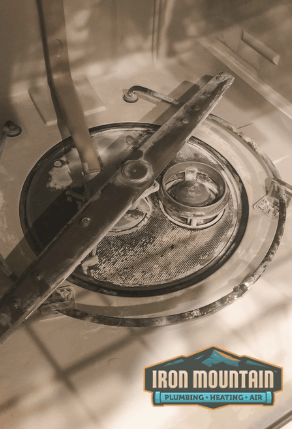
Water may contain minerals, sediment, chlorine, or other impurities that affect its taste, smell, and quality. As time passes, these issues can take a toll on everything from your daily comfort to the lifespan of your plumbing fixtures and appliances.
Fortunately, your home tends to provide clues when water quality isn’t what it should be.
Sign #1: Your Water Has an Unpleasant Taste or Odor
One of the most obvious indicators of a water quality issue is a noticeable change in taste or smell.
Some homeowners describe their water as:
- Metallic tasting
- Chlorine-like
- Sulfur-smelling or similar to rotten eggs
- Earthy or musty
A strange taste or smell can come from many different sources, including naturally occurring minerals, chlorine used during water treatment, or other impurities in the water.
While these tastes and odors aren’t always harmful, they can make drinking water less enjoyable and leave many homeowners reaching for bottled water instead.
Sign #2: You’re Constantly Dealing with White Spots and Mineral Buildup
If you live in Southern Utah, this one may sound familiar.
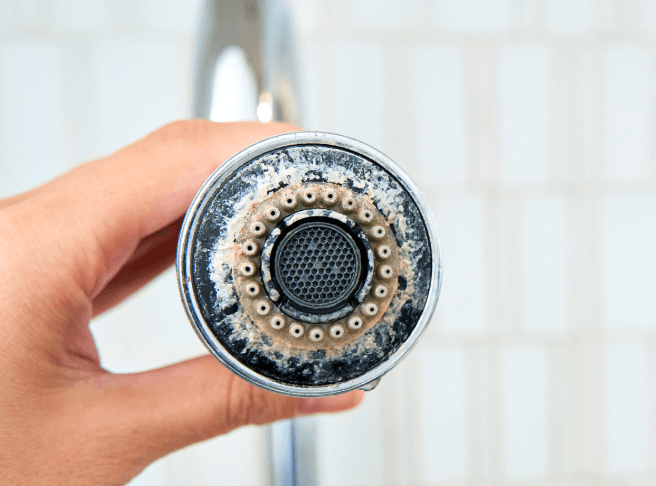
Hard water contains high levels of dissolved minerals, mostly calcium and magnesium. As water evaporates, those minerals are left behind, creating the white, chalky residue many homeowners find on:
- Faucets
- Showerheads
- Glass shower doors
- Dishes and glassware
- Sinks and fixtures
Over time, mineral buildup can restrict water flow, reduce fixture performance, and contribute to wear and tear throughout your plumbing system.
If it feels like you’re constantly cleaning mineral spots only to see them return a few days later, your water may benefit from a treatment solution designed to address mineral-related issues.
Sign #3: Your Appliances Don’t Seem to Last as Long as They Should
Water heaters, dishwashers, washing machines, and ice makers all rely on a steady supply of water to operate. When minerals and sediment accumulate inside these systems, they can create extra strain and reduce performance.
Common warning signs include:
- Longer heating times from your water heater
- Reduced efficiency
- More frequent repairs
- Shortened equipment lifespan
- Increased utility costs
In areas with hard water, scale buildup inside a water heater can become particularly problematic. Even a thin layer of mineral deposits can force the system to work harder to produce the same results.
Addressing water quality concerns early may help protect your investment and improve the efficiency of your home’s plumbing systems.
Sign #4: You’re Buying Bottled Water Every Week
If bottled water has become a regular item on your grocery list, it may be worth asking why.
Many homeowners purchase bottled water because they don’t like the taste of their tap water or aren’t 100% confident in its quality. While bottled water can seem convenient, the costs add up quickly.
Beyond the expense, bottled water also creates unnecessary waste and requires constant trips to the store.
A reverse osmosis system offers a long-term alternative by providing filtered drinking water directly from your kitchen tap. Instead of stocking up on cases of water, you can enjoy cleaner, better-tasting water whenever you need it.
For many families, the convenience alone makes it a worthwhile investment.
Sign #5: Your Water Looks Cloudy or Discolored
Cloudy water can sometimes result from harmless air bubbles, but persistent cloudiness may be a sign of sediment or other water quality concerns.
Likewise, water that appears yellow, brown, rusty, or otherwise discolored could signal issues such as:
- Sediment in the water supply
- Excess minerals
- Corrosion within plumbing systems
- Other water quality problems
If you’ve noticed a sudden change in your water’s appearance, it’s a good idea to have it checked by a professional.
Sign #6: You’re Simply Not Sure What’s in Your Water
Sometimes the biggest sign isn’t a visible problem at all.
Many homeowners have questions about their water but don’t know where to find reliable answers.
You may wonder:
- Is my water as clean as it could be?
- Are there contaminants I should be concerned about?
- Why does my water taste different than it used to?
- What water treatment options make the most sense for my home?
Because water quality varies from one location to another, there’s rarely a one-size-fits-all answer.
Professional water testing can help identify what’s actually in your water and determine whether a reverse osmosis system, filtration system, or another treatment solution would provide the greatest benefit.
Reverse Osmosis vs. Water Filtration: What’s the Difference?
A reverse osmosis system uses a very fine filtration process that pushes water through a semi-permeable membrane. This allows it to remove a high level of dissolved contaminants, which is why it’s often used for drinking water at a single tap, like your kitchen sink.
A whole-home water filtration system works differently. Instead of using that ultra-fine membrane process, it filters all the water entering your home as it flows through a main system. It’s designed to reduce common issues like sediment, chlorine, and other impurities that affect your plumbing, fixtures, and everyday water use throughout the house.
The best solution depends on your home’s specific water quality concerns. In some cases, homeowners benefit from having both systems working together.
Professional testing and evaluation can help you be sure that you’re addressing the actual problem rather than guessing.
Ready to Improve Water Quality in Your Home? Install Systems for Water Filtration in Cedar City Today
At Iron Mountain Plumbing Heating Air, we’re proud to help homeowners throughout Cedar City, St. George, and surrounding Southern Utah communities make informed decisions about their water quality. Our licensed, certified, and insured team can evaluate your home’s water, explain your options, and recommend solutions tailored to your needs.
With same-day service availability, more than 500 five-star reviews, a one-year warranty on parts and installations, and 24/7 emergency response, we’re committed to doing the job right the first time.
If you’re concerned about your water quality or want to learn whether a reverse osmosis or water filtration system is right for your home, contact Iron Mountain Plumbing Heating Air today to schedule an appointment!

